





 Portuguese
  English
  Spanish
  5 min of reading
  34 comments


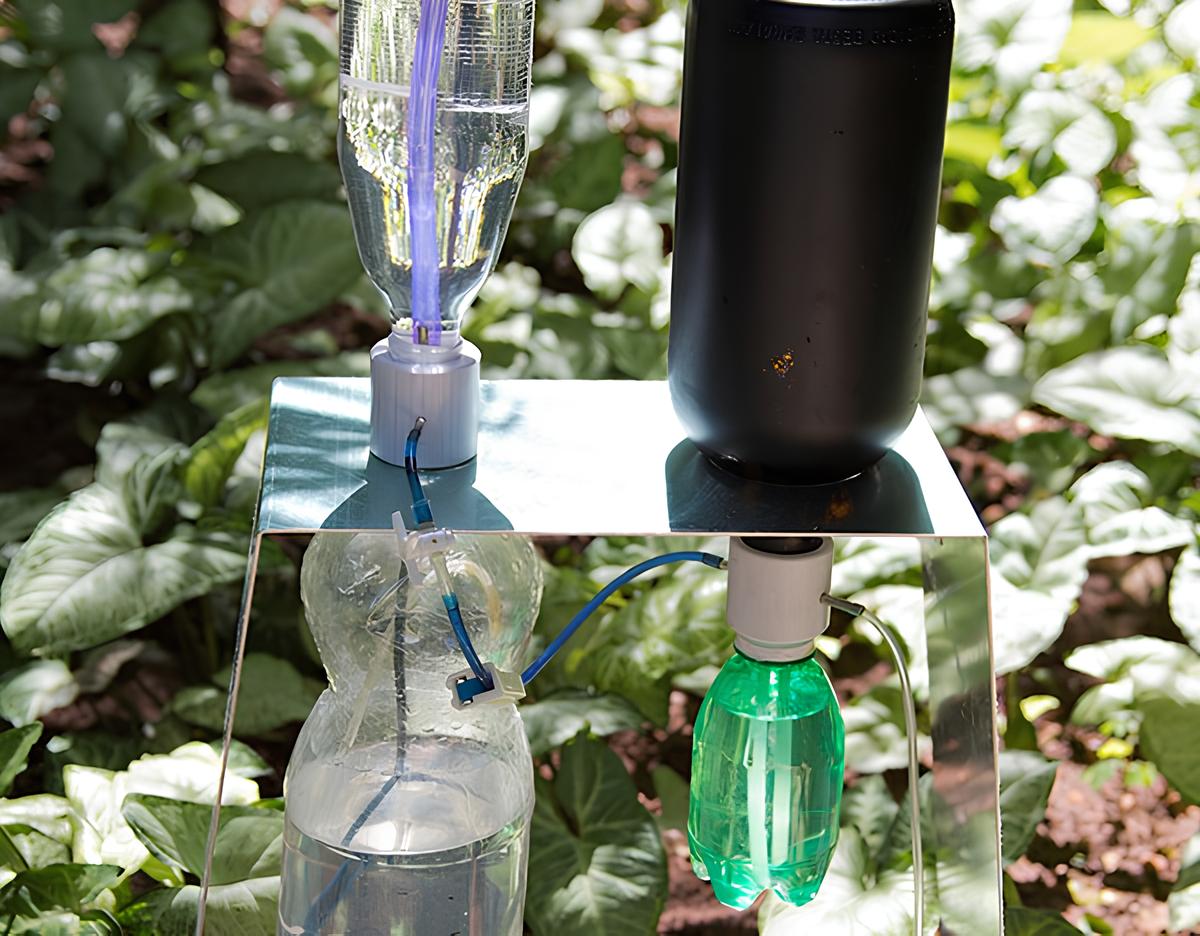


With Reused Bottles, Sun Heat and Zero Electricity Consumption, Automatic Irrigator Created by Brazilian Researcher Reduces Costs in the Field and Emerges as Strategic Solution for Gardens and Small Properties in Dry Regions
On May 9, 2016, Embrapa Instrumentação, a unit of the Brazilian Agricultural Research Corporation located in São Carlos (SP), officially presented to the public one of the simplest yet most disruptive small-scale irrigation projects in Brazil: a solar automatic irrigator built with reused bottles, capable of functioning without electricity and powered exclusively by the sun’s heat. The technology was initially announced by the Embrapa Portal during the Tecnofam 2016 program and later gained attention in media outlets such as Globo Rural, Canal Rural and agricultural extension portals.
The system was developed by researcher Washington Luiz de Barros Melo from Embrapa Instrumentação, with a direct and pragmatic goal: to provide a viable irrigation alternative for producers who do not have reliable access to electricity, live in areas prone to water scarcity, and rely on low-cost solutions to maintain active production. From simple materials easily found in any Brazilian city, an equipment emerged that is capable of automating daily irrigation without consuming a single watt of energy.
Irrigation Without Electricity: How the System Works in Practice
The principle of operation of Embrapa’s solar irrigator is based on a fundamental physical phenomenon: the expansion of air when heated. The system uses black-painted plastic bottles connected to hoses and a small water reservoir.
-
While the world looks at oil, the war with Iran is already disrupting helium supply from Qatar, affecting car and iPhone chips, threatening AI expansion, and putting pressure on aluminum packaging at the highest value in four years.

-
Global warming will expose a treasure hidden under the ice of Antarctica and may spark an international dispute over gold and valuable minerals.

-
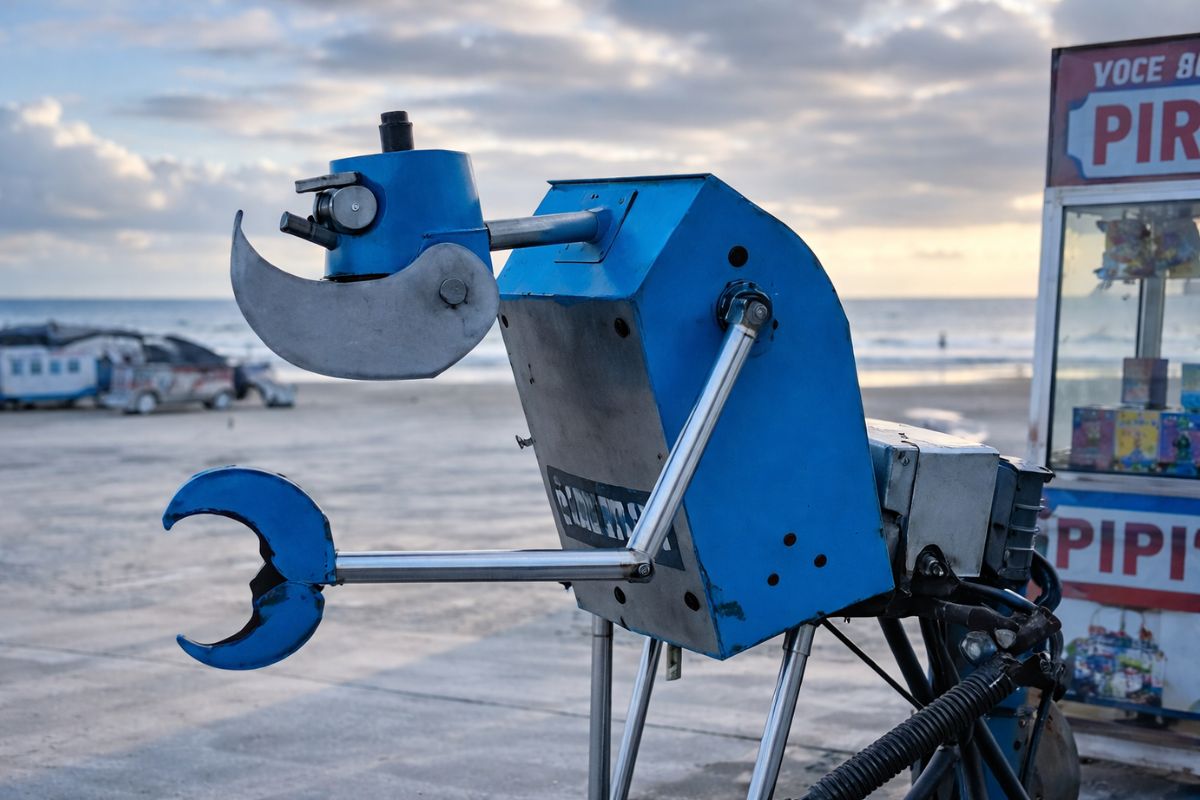
A street vendor from Praia Grande built a robot made of scrap from scooters and washing machines that pulls his popcorn cart on the beach, emits sounds, and interacts with customers, becoming an attraction on the coast of São Paulo.
-
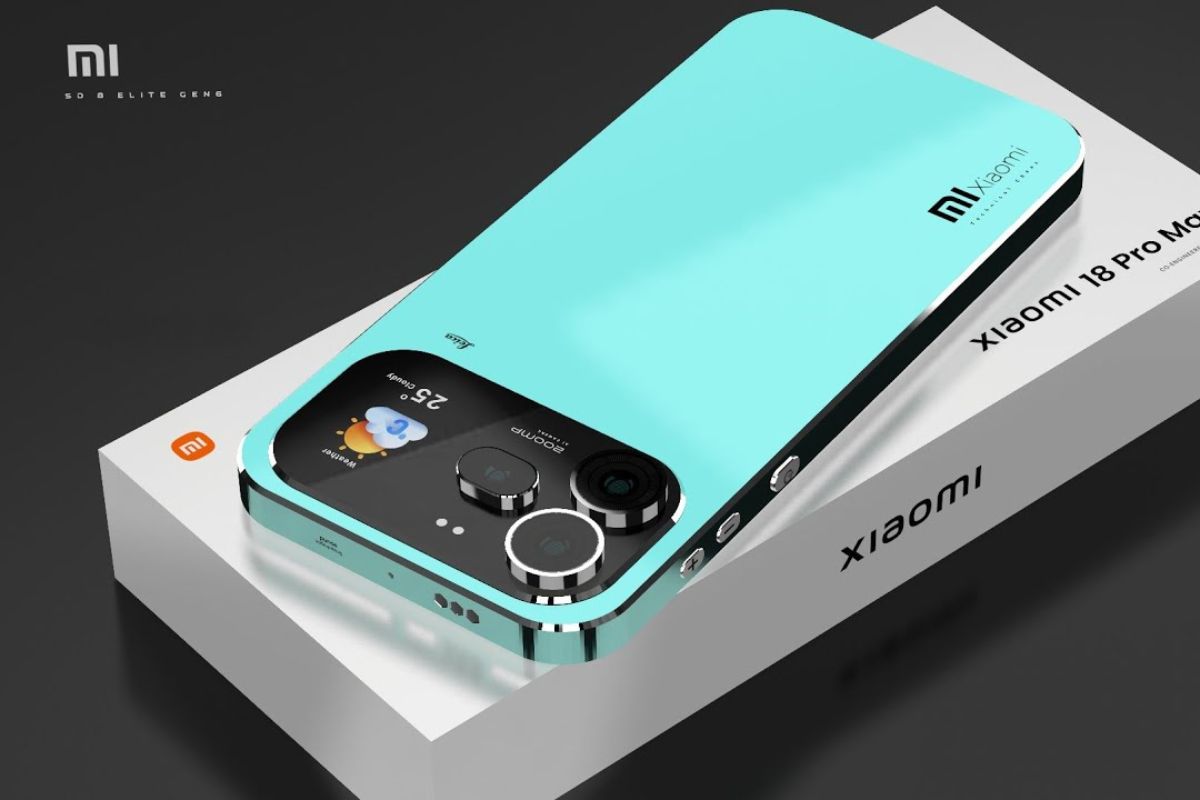
The specifications of the Xiaomi 18 Pro Max have been leaked, and the highlight is a dual 200 MP camera with a new 22-nanometer technology that promises to consume less energy and capture details in shadows and bright areas using LOFIC HDR.

As the sun heats the air inside these bottles, the pressure increases and slowly pushes water through the drip system.
When the temperature drops, especially in the late afternoon, the pressure decreases and the water flow is automatically interrupted. The entire irrigation process occurs without the need for electric pumps, complex mechanical valves, or any type of electronic control. The control is made exclusively by the thermal variation throughout the day.

In practice, this means that the farmer obtains a fully automated, self-regulating, silent irrigation system with a nearly symbolic cost, something virtually nonexistent in conventional models available on the market.
Why This System Changes the Logic of Small-Scale Irrigation
In Brazil, family farming accounts for a significant portion of food production, especially vegetables, legumes, and fruits consumed domestically. However, millions of producers face three permanent structural obstacles:
- difficult access to stable electricity;
- high cost of traditional irrigation kits;
- waste of water in rudimentary systems.
Embrapa’s solar irrigator breaks this model by delivering automation without energy dependence, something extremely rare in the sector. While conventional systems require pumps, wiring, maintenance, and monthly energy costs, the equipment developed with reused bottles reduces operational costs to nearly zero.
This factor makes the system especially strategic for regions such as the northeastern semi-arid, northern Minas Gerais, isolated rural areas of the Cerrado, traditional communities, and rural settlements.
Continuous Drip and Rational Water Use
Another central differential of the irrigator is the way water is applied to the soil. The system works with slow and continuous dripping, delivering water directly to the plant’s root zone. This drastically reduces losses due to evaporation, surface runoff, and soil saturation.
In traditional methods, such as open hoses or sprinkling, much of the water is wasted before even reaching the root. In Embrapa’s model, water efficiency is high even in intense heat conditions.
In areas where irregular rainfall compromises entire harvests, this detail makes the system not only an economical solution but a concrete tool for adapting to climate change.
Social Technology Based on Basic Physics, Not Expensive Equipment
Despite the impact, the irrigator does not depend on electronic sensors, software, or sophisticated industrial components. It uses only:
- reused PET bottles;
- common hoses;
- simple reservoir;
- direct solar radiation.
The scientific basis for its operation lies in the thermodynamics of gases, knowledge taught in any technical or high school course. This gives the project a powerful characteristic: it can be built, taught, replicated, and adapted locally, without relying on specialized suppliers.
This places it in the category of social technology, one that solves a real problem with low cost, direct impact, and replicability.
Environmental Sustainability and Recycling of Waste
In addition to saving water and energy, the project generates positive environmental impact by promoting the recycling of plastic. Brazil consumes billions of PET bottles each year, and much of it still ends up in landfills, dumps, or water courses.
By transforming plastic waste into an essential component of a productive agricultural system, the technology:
- reduces irregular disposal;
- strengthens the circular economy;
- lowers production costs;
- promotes environmental education in rural areas.
This expands the project’s reach beyond irrigation, incorporating it into the sustainability and intelligent waste recycling debate.
Practical Applications in Gardens, Productive Yards, and Small Properties
The solar irrigator can be used in:
- home gardens;
- productive yards;
- simple greenhouses;
- community gardens;
- small vegetable crops.
Its continuous operation allows the producer to maintain stable soil moisture even during absence periods, reducing losses, improving plant development, and increasing harvest predictability.
In communities where irrigation is still done manually with buckets and watering cans, the gain in time, physical effort, and productive efficiency is significant.
Application Potential Outside Brazil
Although developed in Brazilian territory, the automatic solar irrigator is perfectly applicable in:
- arid regions of Africa;
- poor agricultural zones in Asia;
- rural settlements in Latin America;
- isolated communities in the Middle East.
In all these scenarios, the challenges are the same: lack of energy, water scarcity, and low investment power. Embrapa’s model fits this profile exactly.
The Role of Embrapa in the Democratization of Agricultural Technology
By developing such a system, Embrapa reinforces its historical vocation: to produce technology not only for large-scale agribusiness but also for those who produce on small areas, with few resources, and great dependence on climate.
This type of innovation rarely makes international headlines, but it has a silent structural impact: it strengthens food security, increases productive autonomy, and reduces the vulnerability of rural families.








Será qué a água não chega quente nas plantas?
Se chegar quente, é um problema.
Podem verificar o esquema do projeto no site da Embrapa
Onde encontro o passo a passo desse projeto?
No site da Embrapa