





 Portuguese
  English
  Spanish
 5 min of reading
  0 comments


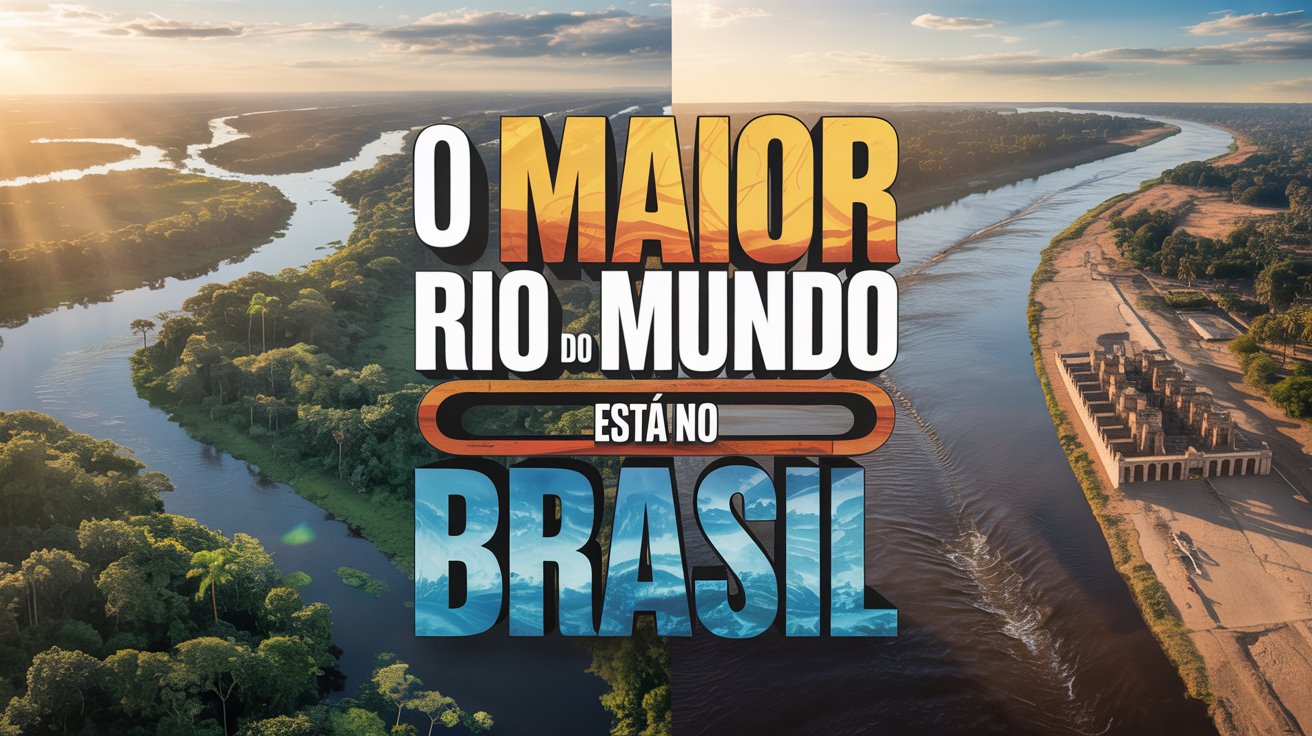
The Brazilian River Now Recognized as the Longest on the Planet and Surprising with Its Recent Discoveries and Deep Mysteries, Showcasing Its Importance for Science, the Environment, and Global Climate Balance, as Well as Its Cultural Influence in South America.
For decades, the title of the longest river in the world was attributed to the Nile, a symbol of Africa and a geographical landmark of great historical and cultural significance.
However, recent research and updated measurements have challenged this belief, elevating the Amazon River, which flows through South America, to the position of the longest river on the planet.
According to surveys conducted between 2014 and 2017, the Amazon River surpasses the Nile by about 400 kilometers, reaching a length of 7,062 km.
-
Motorola launched the Signature with a gold seal from DxOMark, tying with the iPhone 17 Pro in camera performance, Snapdragon 8 Gen 5 that surpassed 3 million in benchmarks, and a zoom that impresses even at night.

-
Satellites reveal beneath the Sahara a giant river buried for thousands of kilometers: study shows that the largest hot desert on the planet was once traversed by a river system comparable to the largest on Earth.

-
Scientists have captured something never seen in space: newly born stars are creating gigantic rings of light a thousand times larger than the distance between the Earth and the Sun, and this changes everything we knew about stellar birth.

-
Geologists find traces of a continent that disappeared 155 million years ago after separating from Australia and reveal that it did not sink, but broke into fragments scattered across Southeast Asia.

This data was obtained thanks to technological advancement in geographic mapping, involving the use of high-precision satellites and GPS systems that allowed for a detailed survey of the Amazon River basin.
According to the National Institute for Space Research (INPE) and the National Institute for Amazonian Research (INPA), two of the main Brazilian institutions that participated in the study, these technological advancements enabled a redefinition of the parameters that previously indicated the Nile as the longest river in the world.
The importance of this update goes far beyond a simple record.
It reveals the complexity and size of the largest tropical forest on the planet, highlighting the fundamental role of the Amazon River in global environmental balance, biodiversity, and water resources on the continent.
Comparison Between the Giants
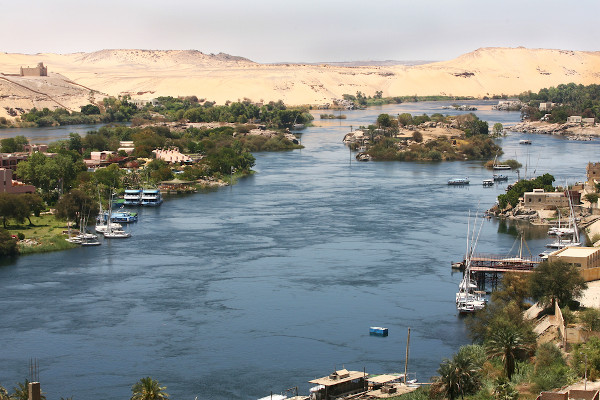
The Nile River, traditionally regarded as the largest, originates in the heart of Africa and traverses no less than 11 countries before flowing into the Mediterranean Sea.
Its length is approximately 6,650 km, solidifying it as one of the most important rivers in the world, both historically and geographically.
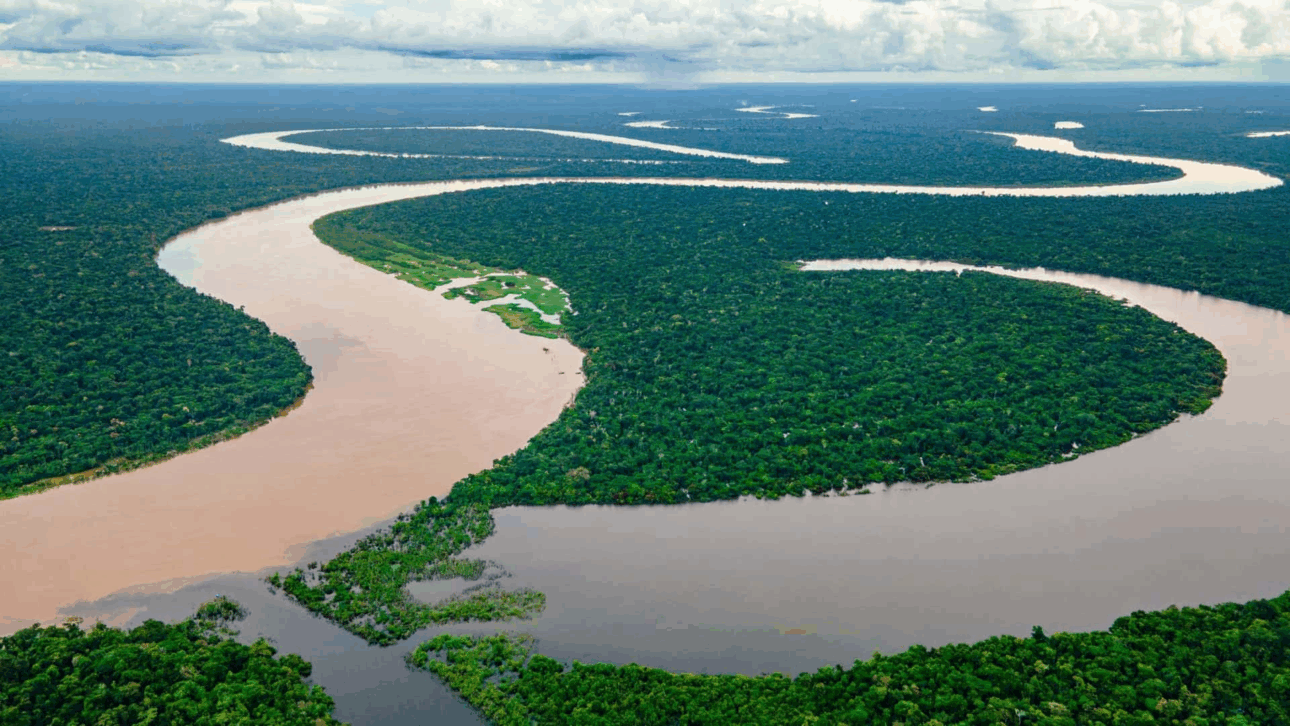
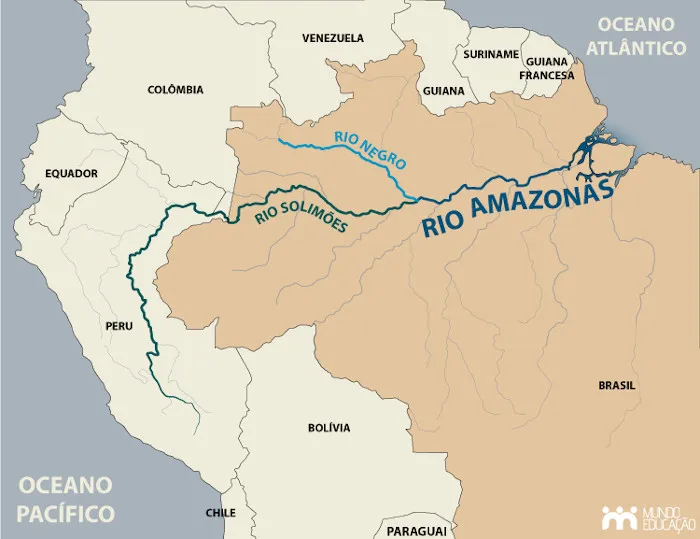
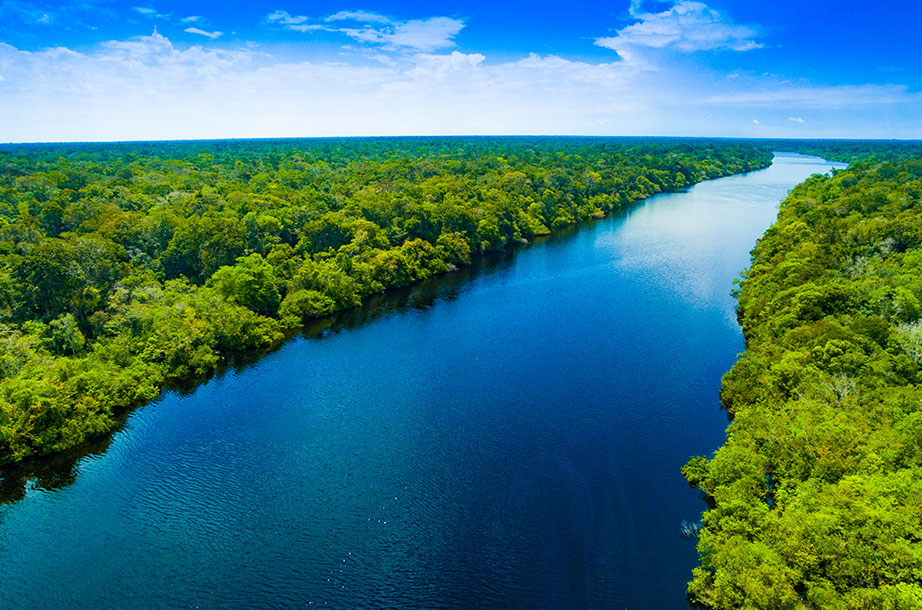
On the other hand, the Amazon River has its source in the Andes Mountains in Peru and covers a vast area of South America, passing through Brazil until it reaches the Atlantic Ocean at the estuary of Marajó Island in Pará.
With its 7,062 km in length, it surpasses the Nile and confirms itself as the longest river on the planet, as well as the one with the highest water volume.
Technology and Science in Favor of Precision
The rigorous measurement of rivers was only made possible thanks to the use of modern technologies that revolutionized river cartography.
Between 2014 and 2017, Brazilian and international specialists used state-of-the-art satellites and GPS to map the Amazon’s contours and length with high precision.
According to reports from INPE, technological advancement allowed for analysis of details that were previously virtually inaccessible due to the vastness and complexity of the Amazon region, such as remote areas, swamps, and waterways hidden by dense vegetation.
Secrets of the Amazon River
Despite being the most studied river in the world, the Amazon still holds mysteries that intrigue the global scientific community.
In 2011, Petrobras discovered the existence of a subterranean river parallel to the Amazon during drilling in the Amazon basin, called the Hamza River.
This subterranean river is located about 4,000 meters deep and has a water flow that is slightly less than that of the Amazon itself.
The discovery of the Hamza River raises fascinating questions about the geology and hydrographic system of the region, which are still the subject of in-depth studies to understand its formation and influence on the Amazon ecosystem.
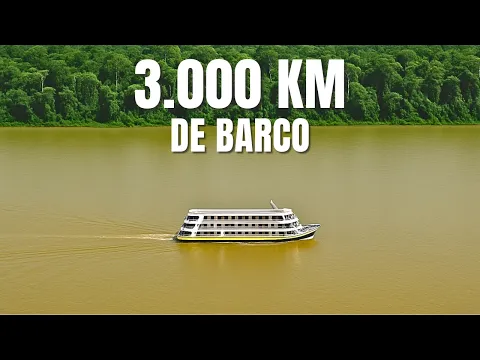
Furthermore, the bottom of the Amazon River remains virtually unexplored.
The logistical difficulties of mapping the riverbed are enormous due to its depth, strong currents, and water density.
This means there is a vast area still unknown, full of potential for new scientific discoveries.

The Environmental Impact and Natural Wealth
The Amazon River is not only the longest on the planet, but also the largest in water volume, responsible for about 20% of the world’s river discharge.
This magnitude makes the river fundamental for the Earth’s climate balance and for the maintenance of local and global biodiversity.
The Amazon houses thousands of species of flora and fauna, many of which are endemic and not yet cataloged by science.
The river, in turn, is the main route for the circulation of nutrients, sediments, and aquatic life, as well as supporting riverside populations that depend on its waters for fishing, transportation, and subsistence.
According to environmental specialists, preserving the Amazon River is preserving the health of the planet.
Curiosities That Few Know
Few people know, for example, that the mouth of the Amazon River is so wide that, in certain points, the Atlantic Ocean still shows freshwater up to 150 km offshore.
This phenomenon occurs due to the immense amount of freshwater that the river pours into the ocean.
Additionally, the Amazon has hundreds of important tributaries, many of which rival in size with the Nile itself and other large rivers in the world, showcasing the complexity of its hydrographic system.
Another curious point is that, according to studies, the Amazon River has changed its course over the centuries, a natural process that transformed landscapes and influenced human occupation in the region.
The Amazon River as a National Symbol
The overcoming of the Nile by the Amazon River as the largest river in the world reinforces the value of Brazilian nature and highlights the country as one of the largest holders of natural resources on the planet.
This information, according to researchers, is an invitation for Brazil to further value its environmental wealth, promoting research and public policies that ensure the conservation of the Amazon and its rivers.
What the Future Holds for the Longest River in the World?
With increasingly rapid technological advancements, it is possible that new discoveries related to the Amazon River will emerge in the coming decades.
New expeditions and studies may reveal unknown aspects, whether about its fauna, geology, water dynamics, or even impacts of climate change.
Moreover, constant environmental monitoring of the river is essential to prevent illegal deforestation, pollution, and other threats that put an unmatched natural heritage at risk.
Did you know that the longest river in the world still holds so many mysteries? What discoveries do you believe could transform our understanding of the Amazon in the coming years?






-

Uma pessoa reagiu a isso.