





 Portuguese
  English
  Spanish
  6 min of reading
  0 comments


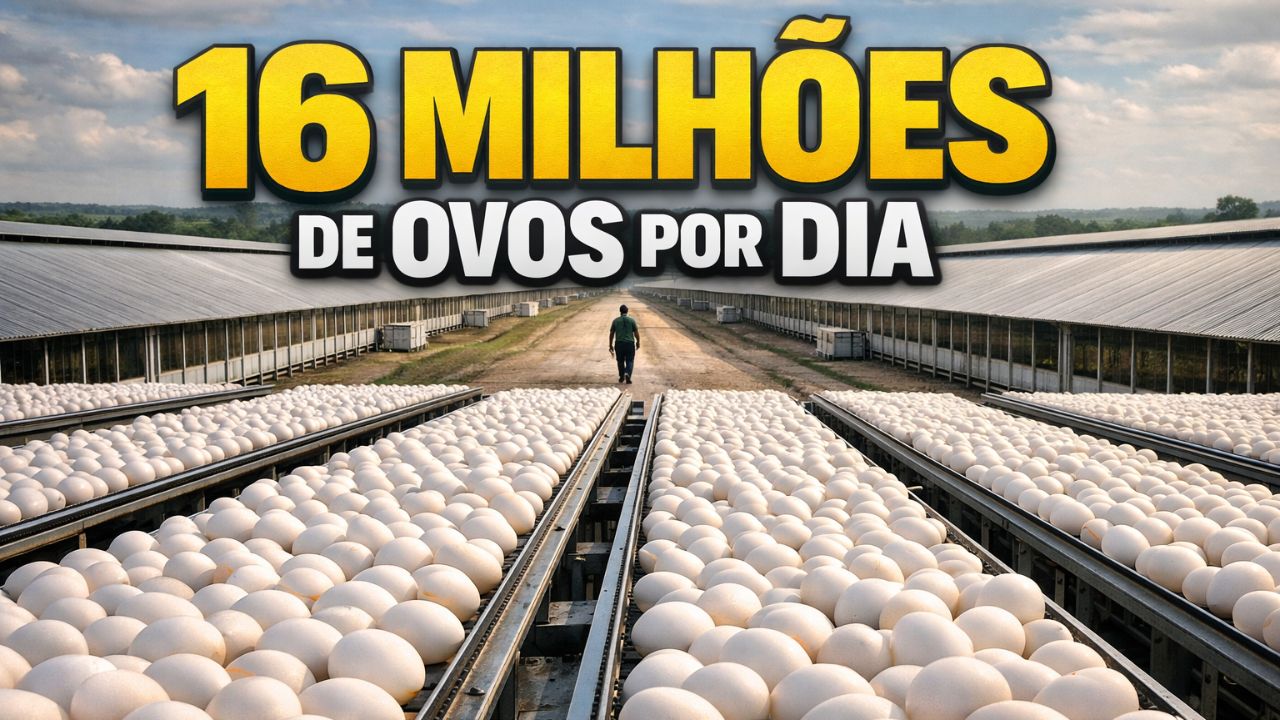
Granja Faria Is Born After Selling a Laundry for About R$ 1.3 Billion, Enters Agriculture, Grows Through Acquisitions, Produces 16 Million Eggs Per Day and Builds an Empire That Already Reaches Several Countries
The story of Granja Faria begins far from the fields, chickens, and barns. It stems from the decision of an urban entrepreneur, owner of an industrial laundry, who sells his stake for approximately R$ 1.3 billion and decides to bet everything on a simple, cheap product that is present on the plate of practically every Brazilian: the egg.
This turnaround makes Granja Faria the foundation of an empire built in a few years. What started as a regional farm in Nova Mutum, Mato Grosso, has become the largest egg producer in Brazil, with production exceeding 16 million eggs per day, expansion across several states, exports to about 10 countries, and an international holding that is already buying farms in Europe.
From Industrial Laundry to Granja Faria
The journey begins in the late 1990s, when Ricardo Faria enters the service sector with Lavibraz, an industrial laundry specializing in hospitals, clinics, and large health networks. The business grows quickly, gains national scale, and becomes one of the largest companies in the country in the segment.
-
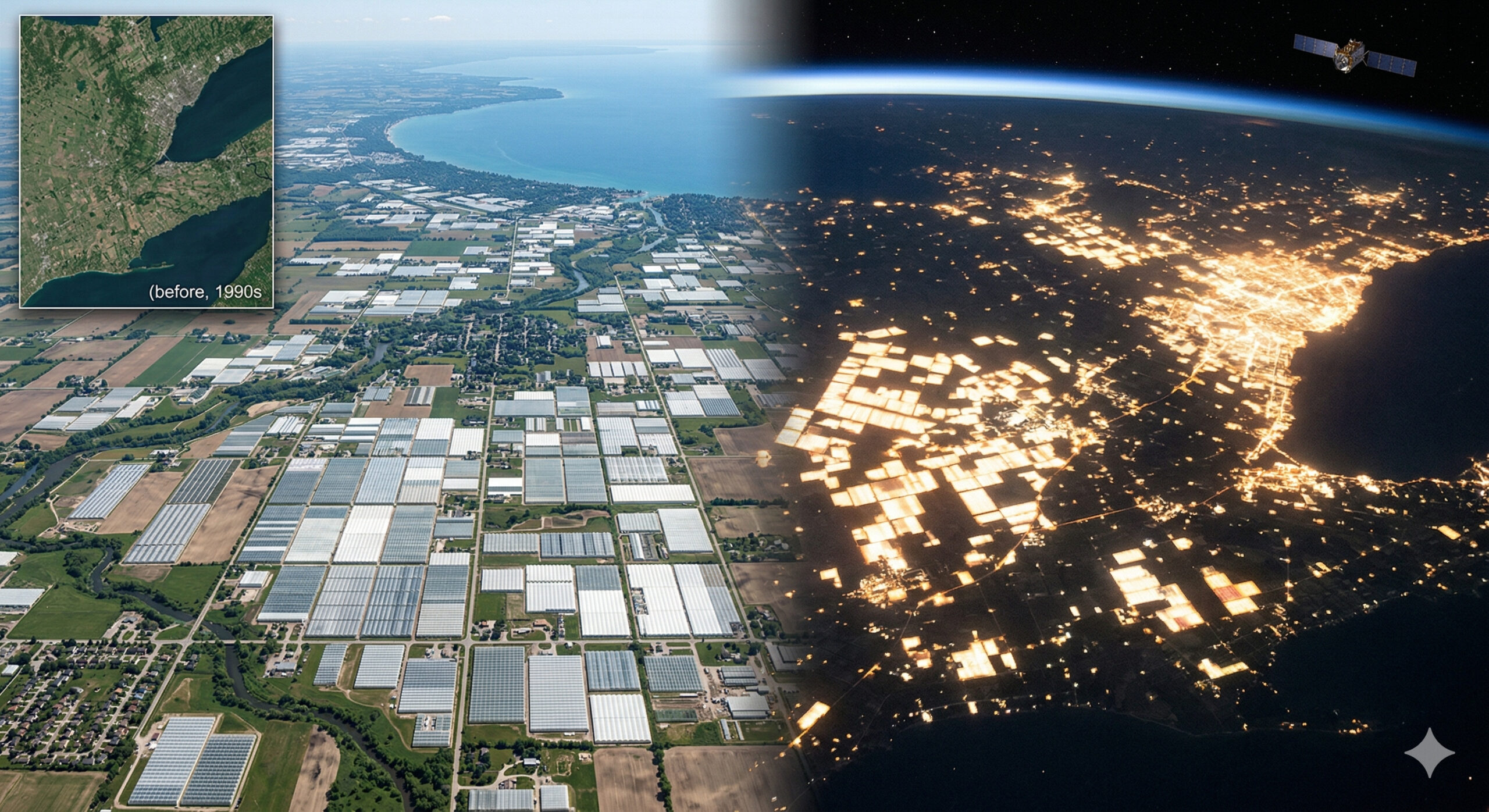
The expansion of greenhouses in southern Canada has become so intense that it has changed the appearance of the soil and even the nighttime glow of the region, transforming Ontario into one of the most visible agricultural hubs in North America from space.
-
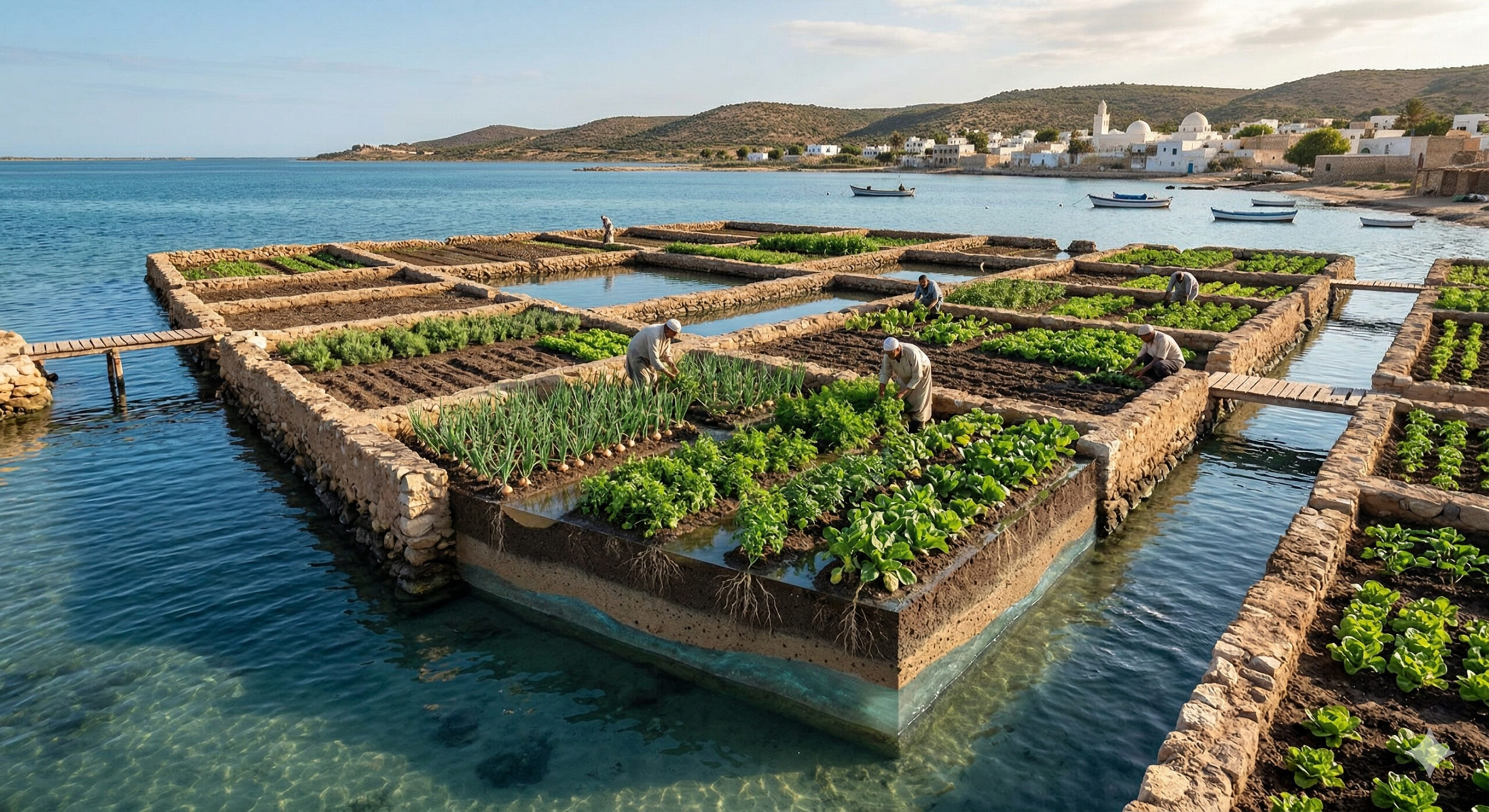
Almost nobody imagines it, but farmers in Tunisia grow food in the sand and make the roots drink fresh water that floats on top of seawater in an agricultural system considered unique in the world.
-
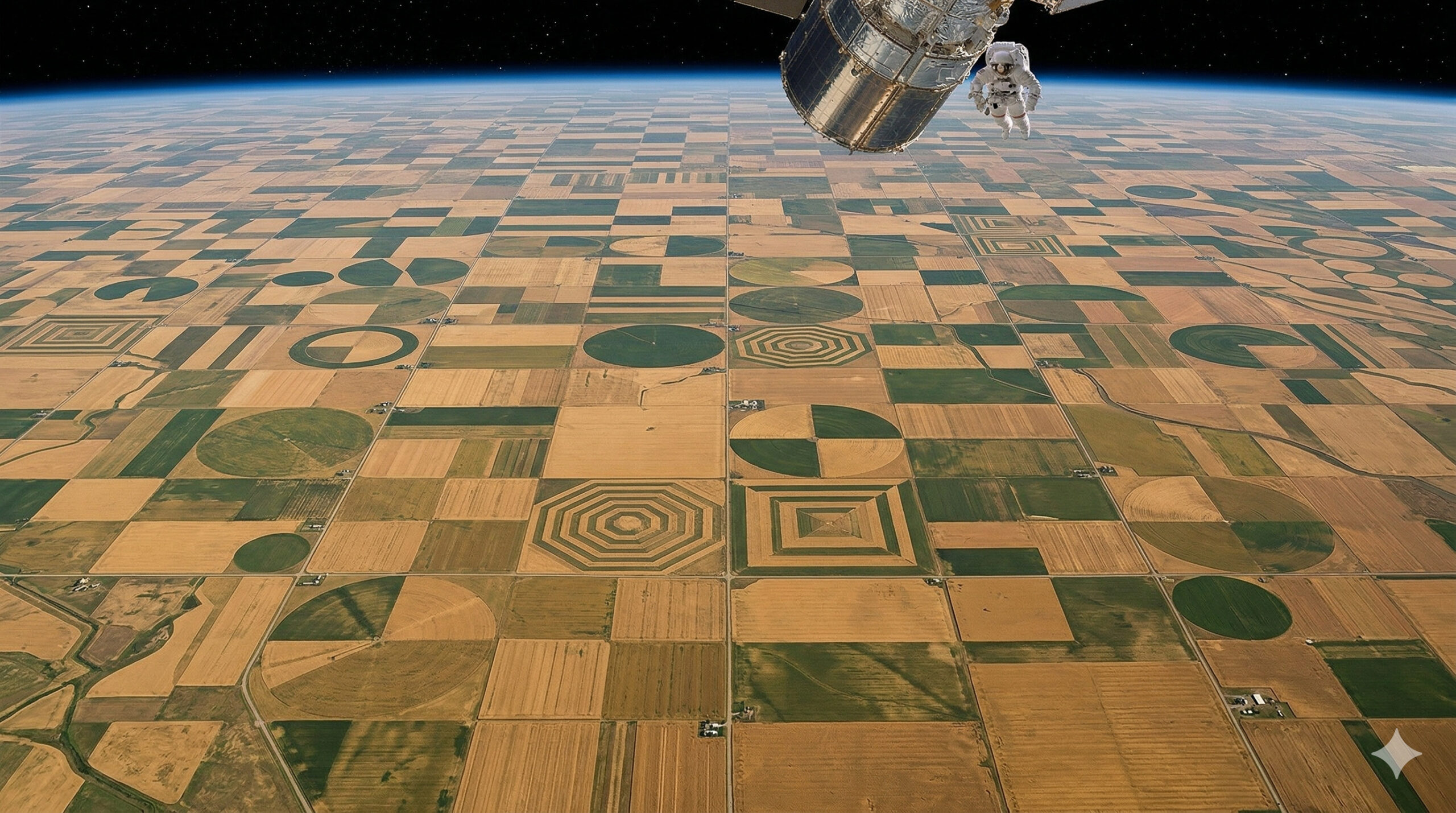
More than 20,000 km² of wheat fields form nearly perfect lines and geometric shapes in Montana, creating an agricultural pattern so symmetrical that the landscape looks like an abstract artwork visible from space.
-
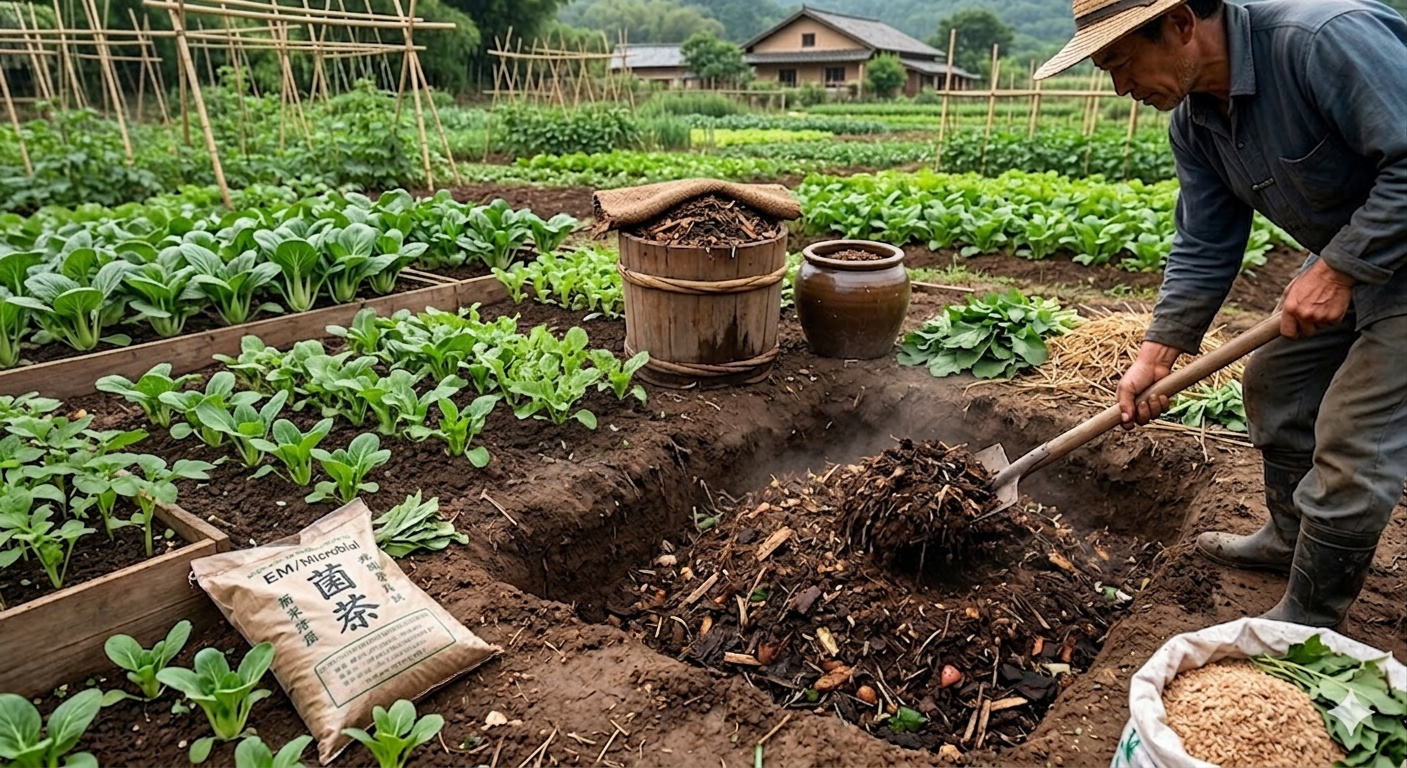
Bokashi, an Asian-origin fertilizer, is formed through the fermentation of husks, organic matter, and microorganisms, gaining traction in agriculture for strengthening beds and accelerating soil life.

Years later, in a deal valued at approximately R$ 1.3 billion, Ricardo sells his stake in Lavibraz to the French multinational Elis. Suddenly, he has abundant capital and the freedom to decide the next step. Instead of remaining in the sector or “living off the income,” he chooses the more challenging path: to enter agriculture and create Granja Faria.
Granja Faria Is Born and the Logic of Industry Enters the Field

Granja Faria emerges in 2006, in Nova Mutum, Mato Grosso. In the beginning, it was “just” another regional farm, with organized production, a focus on efficiency, and controlled growth. The differential was not in the product but in the mindset.
Ricardo brings the logic of industry to the field: scale, standardization, efficient logistics, strict cost control, and accelerated growth, not only organically but also through acquisitions. Instead of slowly competing for market space, he begins to buy competitors, integrate operations, and maintain strong brands operating independently in the market.
Granja Faria Soars and Becomes National Leader in Eggs
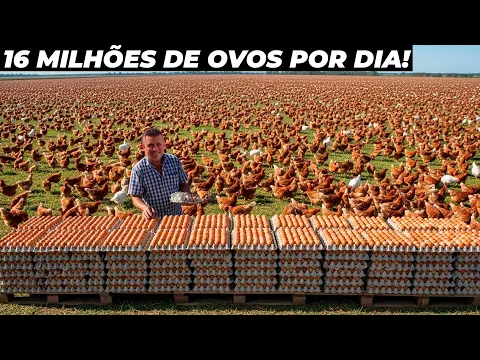

The strategy starts to show in the numbers. A few years later, Granja Faria is already among the largest egg producers in the country. The most impressive jump comes in the recent phase, with acceleration in acquisitions and geographic expansion.
Today, the group produces more than 16 million eggs per day, placing Granja Faria at the top of the national ranking and among the largest egg producers in the world. In 2021, annual production was around 3.5 billion eggs. In less than two years, this volume jumps to almost 6 billion eggs per year, a growth rarely seen in any sector of agriculture.
Strategic Acquisitions and Revenue in the Billions
One of the most important moves was the acquisition of control of Catayama Alimentos, a traditional egg company. Unlike previous purchases, Granja Faria acquires just over 50% of the company, keeping the former owner as a partner and a member of the board of directors.
The negotiation takes about three years to conclude, and with this operation, Granja Faria’s projected revenue approaches R$ 3 billion per year, further consolidating the group’s leadership in the egg market.
Presence in Several States and Structure Spread Across the Country
Today, Granja Faria operates farms in various Brazilian states, including Mato Grosso, Goiás, Minas Gerais, Paraná, Santa Catarina, Rio Grande do Sul, São Paulo, and Tocantins. The incubators are mainly concentrated in Minas Gerais and Tocantins, while the administrative headquarters is in Santana de Parnaíba, São Paulo.
This distribution allows to serve different regions with more efficient logistics, reducing transportation costs and gaining competitiveness on a national scale.
Free Range on a Large Scale and Brand Diversity
Another highlight of Granja Faria is the investment in alternative breeding models. The group bets heavily on the Free Range system, where chickens live freely, without cages, with access to pasture and freedom of movement.
In this model alone, Granja Faria keeps about 15.5 million chickens, an even more impressive number considering that this type of breeding accommodates far fewer birds per area than the traditional system.
Additionally, conventional farms operate with high efficiency and controlled density, ensuring volume and regular supply.
Today, the company works with nine different brands, operates in seven states, and exports to about 10 countries, with a strong presence in the fertile egg segment, where exports represent a good portion of revenue.
Biosecurity and Response to Avian Influenza Risk
With the advance of avian influenza worldwide, Granja Faria reinforces the importance of biosecurity. Ricardo Faria emphasizes that Brazil has one of the best sanitary protection systems on the planet and that, since the first records of the disease in wild birds, protocols and controls have been intensified on the farms.
According to him, even weeks after the first cases, no commercial farm was affected, which reinforces confidence in the Brazilian production model and the biosecurity structure adopted by the group.
Expansion into Grains, Land, and Large Farms

Ricardo Faria’s empire does not stop at eggs. In 2020, he creates a new company focused on the grain and agricultural land market, entering forcefully into the purchase of productive areas.
Investments total billions of reais in land in Maranhão, Tocantins, Piauí, and other regions of the Cerrado, highlighting the acquisition of Insolo, owner of some of the largest farms in the country. This front expands the family’s business activities to the control of land, grains, and large-scale production.
Global EGS Brings Granja Faria to the World Map
With Granja Faria established as the largest egg producer in Brazil, Ricardo creates Global EGS, an international holding company based in Luxembourg. The idea is not only to better organize local businesses but also to command a global expansion of egg production.
The strategy is simple and aggressive: buy already established companies in strong markets, modernize operations, integrate processes, and rapidly expand international presence. In Europe, for example, Global EGS starts acquiring important farms in Spain, such as Legaria, El Granjero, and Avícola Tratante, a traditional company from Galicia with over 50 years of operation.
With these operations, Global EGS goes from being a Brazilian player to becoming one of the major global egg production groups, putting the name of Granja Faria on the map of global poultry farming.
From Laundry to Global Egg Empire

In just a few decades, Ricardo Faria’s journey shows how a bold decision can completely redefine a sector. Granja Faria is born from an urban business, grows with an industrial mindset, dominates the Brazilian market, and begins to buy farms in Europe, creating an empire that connects farms, poultry, and consumers across several continents.
The “egg king” did not come from the countryside, nor did he inherit farms. He built step by step a structure that today produces millions of eggs per day and influences the entire poultry chain.
Do you see Granja Faria as an inspiring model of vision and calculated risk, or do you think that so much concentration in a single group is a warning sign for the market?





-

-

-

-

-

18 pessoas reagiram a isso.