





 Portuguese
  English
  Spanish
  5 min of reading
  1 comment





Boy From Joinville Caught Attention When Accepted Into Mensa at Just 6 After Scoring 138 IQ on Standardized Test. Case Exemplifies How to Identify Giftedness and Adjust Teaching to Cognitive and Emotional Needs.
In some families, the first signs of giftedness appear spontaneously.
Children recognize letters before literacy, show interest in manuals, and ask complex questions for their age.
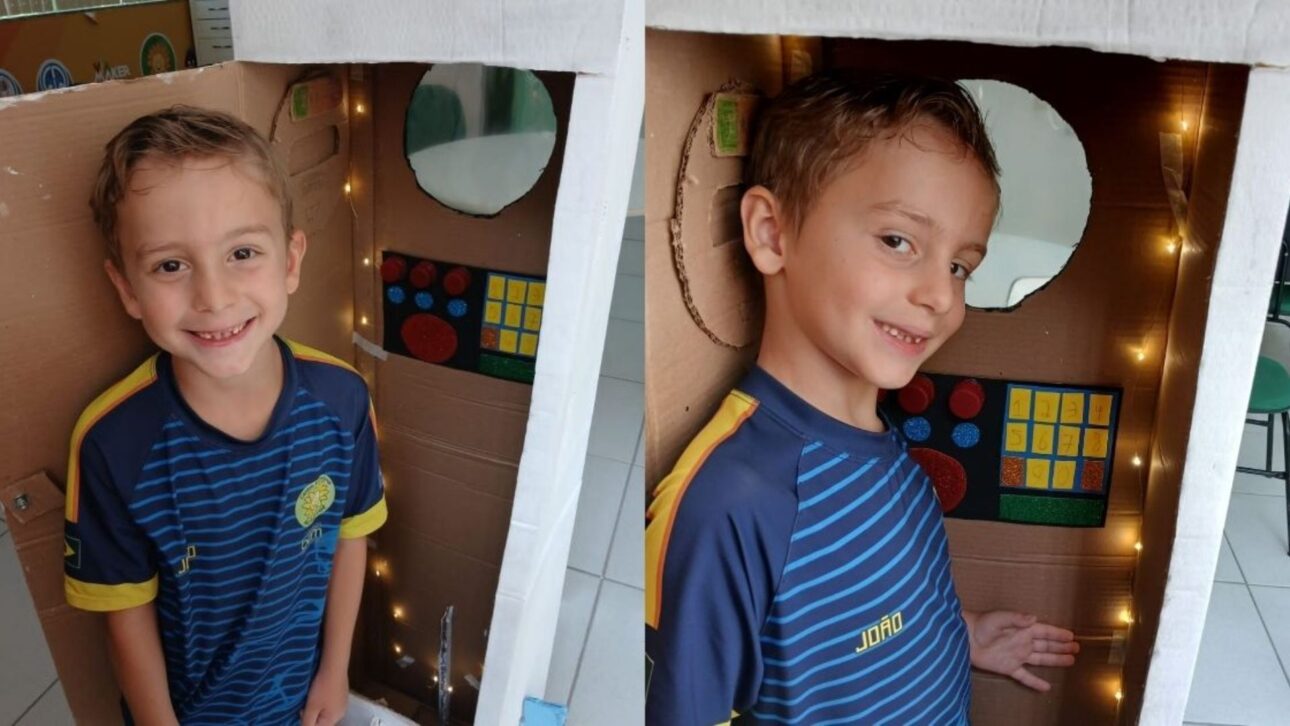
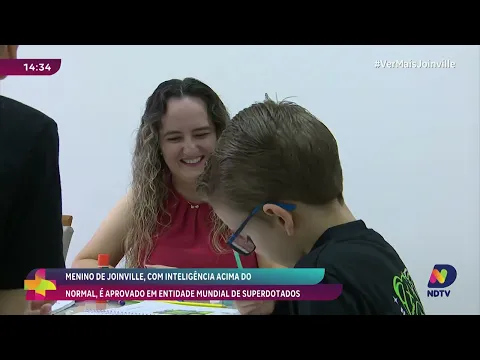
It was in this context that the case of João Gabriel Turcatti, a resident of Joinville (SC), became known after being accepted into Mensa Brazil upon scoring IQ 138 on a standardized psychometric test.
-
Hidden marks on the walls of the site associated with the Last Supper of Jesus for centuries have been deciphered in Jerusalem, revealing medieval inscriptions left by pilgrims, European nobles, and travelers from the Middle East.
-
One of the most important lakes in the United States for birds, the balance of nature, and the climate has dried to historic levels, leaving boats stranded, revealing salt flats, and showing how the lack of water can transform an entire landscape.

-
It’s not Cristiano Ronaldo or Messi: the richest football player in the world is only 27 years old, has a fortune of 100 billion reais, and is the nephew of a sultan from an Asian country that few people know about.

-
At 77, the king of one of the most famous and powerful crowns on the planet is said to be under pressure to leave the throne, while behind the scenes there are already talks of a new coronation that could cost R$ 260 million.

Admission Confirmed by Professional Evaluation
The result placed the student among the 2% with the highest intellectual performance for his age group, a criterion required by the organization for admission.
The evaluation was conducted by a qualified professional and validated according to Mensa’s parameters, an organization that brings together individuals with scores within the 98th percentile or higher on recognized intelligence tests.
According to information released by the family to the local press, João Gabriel showed functional reading at 4 years old, a behavior that prompted specialized monitoring.
The exam result was submitted to Mensa Brazil, which confirmed the admission after verifying the documentation.
How Mensa Works
The Mensa was founded in the United Kingdom and has representation in Brazil.
The organization accepts candidates with scores within the 98th percentile or higher on recognized IQ tests.
The goal is to bring together individuals with high scores in logical, verbal, and spatial reasoning, promoting meetings, debates, and activities aimed at intellectual development.
Experts explain that there is no fixed IQ number universally accepted as the threshold for admission, as scales vary according to the test applied.
What defines eligibility is the percentile position in relation to the population average, not just the absolute score.
Signs That Motivate Evaluation
According to professionals in the field of educational psychology, early reading can be one of the indicators of giftedness, but it needs to be analyzed in conjunction with other factors, such as advanced vocabulary, ease of abstracting concepts, and intense interest in certain topics.
When there is a consistent set of these signs, experts recommend conducting a standardized psychometric evaluation carried out by qualified professionals.
This measure helps to distinguish giftedness from other characteristics of child development and provides a technical basis for potential pedagogical adaptations.
Partnership Between Family and School
In Joinville, family members stated they sought support from the school to adjust the academic activities to the student’s profile.
The goal was to increase access to tasks that require reasoning and creativity, while maintaining a balance between stimulation and rest.
Researchers in the field of education point out that the ideal, in these cases, is to build a personalized pedagogical plan, emphasizing age-appropriate cognitive challenges and activities that promote socio-emotional development.
The alignment between school, family, and support professionals is considered essential to avoid both under-stimulation and overburdening.
The Role of Pedagogical Adaptations
Academic literature on giftedness emphasizes that adaptations should be proportionate to each student’s profile.

Among the most adopted alternatives are curricular enrichment and investigation projects in areas of interest, without necessarily resorting to grade acceleration.
According to specialists consulted in publications in the field, enrichment tends to be preferred because it preserves the child’s social bond with the class and maintains their intrinsic interest in learning.
When the student exhibits high perfectionism or difficulty dealing with mistakes, psychologists and educators recommend multidisciplinary support, combining psychological assistance and family guidance.
The Importance of Objective Data
Cases of children accepted into high IQ societies tend to resonate because they present verifiable elements, such as age, place of residence, score, and institutional validation.
According to educators, these data help to guide public debate in a more technical and less speculative manner, allowing for a better understanding of what characterizes a case of giftedness documented through formal evaluation.
In João Gabriel’s case, the disclosure of the test result and admission to Mensa made the episode a reference for families observing similar signs in their children and seeking guidance on when to seek specialized evaluation.
Effects of Membership on School Routine
According to Mensa Brazil, admission to the society does not imply automatic curricular changes or mandatory acceleration.
The decision regarding pedagogical adjustments continues to depend on the individual analysis made by the school and those responsible, considering the child’s performance, well-being, and learning pace.
Experts explain that, in practice, membership can broaden access to networks of interaction with similar interests, which tends to stimulate intellectual curiosity, but does not replace the pedagogical role of the school.
Identification as a Step in Planning
For education professionals, identifying giftedness should be seen as a step in educational planning, rather than an isolated title.
By understanding the cognitive profile of the student, educators can set more appropriate learning goals, reducing the risk of demotivation or unrealistic expectations.
Psychologists emphasize that the result of an IQ test reflects a relative position within a population sample, not a prediction of future performance.
Therefore, complementary evaluations and ongoing monitoring are considered essential to oversee progress and adjust teaching strategies.
Paths for Families and Educators
Consulted professionals indicate that parents and guardians who identify early signs of reading or advanced reasoning should document these observations and seek qualified guidance.
Next, it is recommended to discuss with the school gradual adjustments, such as more challenging texts, research activities, and opportunities for creative expression.
According to educators, constant dialogue between family and institution is the key factor in balancing intellectual stimulation and emotional well-being, ensuring that cognitive advancement occurs healthily.
João Gabriel’s case illustrates a scenario where family observation, technical evaluation, and school planning aligned around a formal diagnosis.
From such examples, families and schools can better understand how to recognize signs of giftedness and act in a structured manner.
What strategies for monitoring can ensure that gifted children maintain interest in studies without excessive pressure or social isolation?





Meus filhos já liam e escreviam nessa idade. Basta ensinar, como a mãe eracprofessora eles tinham o estímulo correto para aprender. Será que são super gênios??? Não creio. É que em epoca de adultos semi-analfabetos cursando universidades e QI<83, qualquer coisa é genial perto desses.