





 Portuguese
  English
  Spanish
  6 min of reading
  0 comments


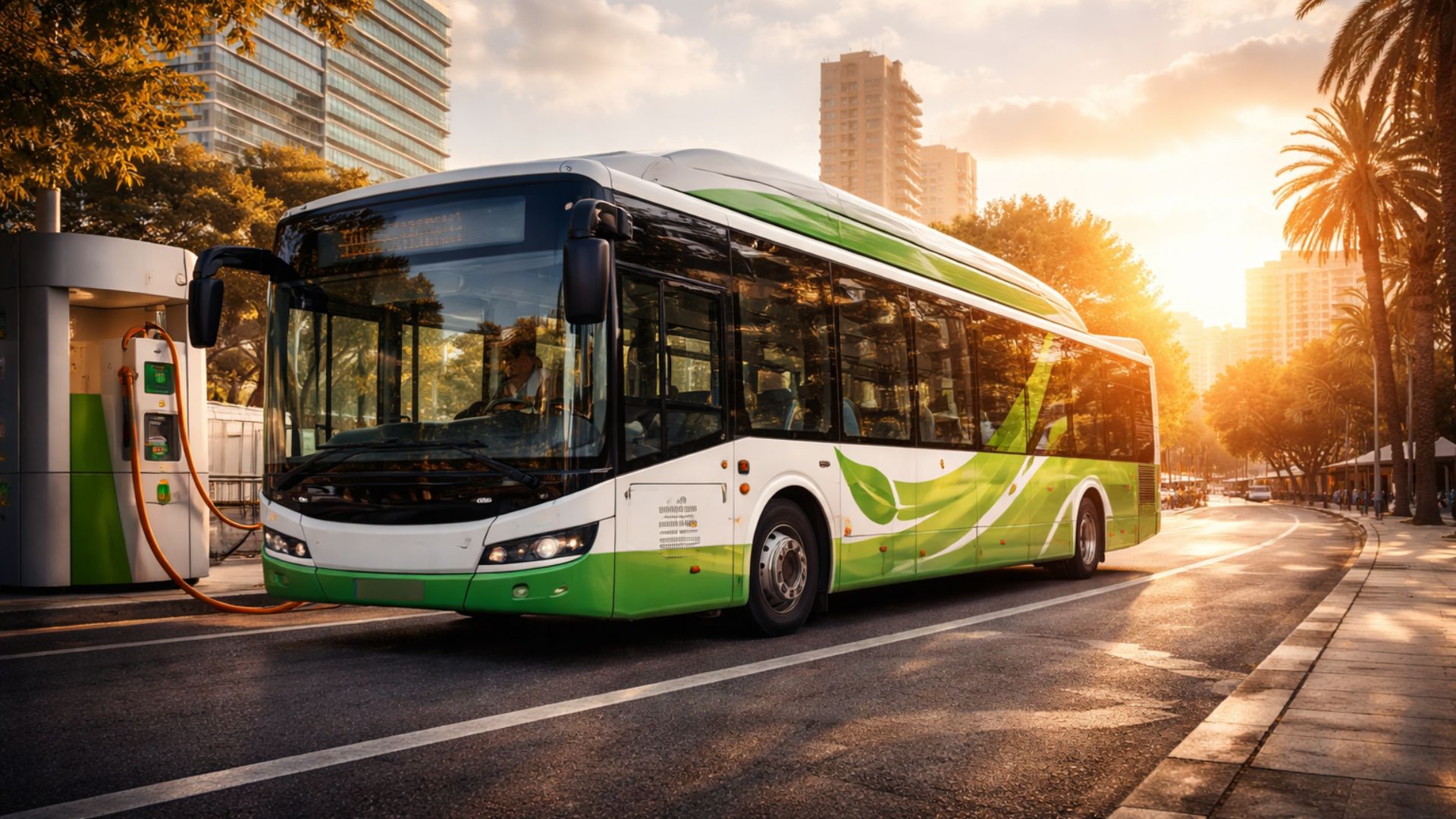
Project In Barcelona Puts Buses Into Operation With Biomethane Generated From Human Waste, Reducing Emissions And Decreasing Diesel Dependence
A bus from Barcelona’s public transport began operating using biomethane produced from human waste, replacing diesel with a renewable fuel generated from sewage treatment. According to information from Correio do Estado on Monday (16), the initiative demonstrates how technological innovation can transform urban waste into clean energy, reducing emissions and integrating basic sanitation with urban mobility.
The project has been in operation for over three years and maintains regular service on the city’s routes, without changing schedules, routes, or passenger comfort. The fuel is produced at a wastewater treatment plant, where the organic matter from sewage undergoes decomposition and generates renewable gas.
According to information disclosed by French newspaper Le Monde, the biomethane used comes from the waste of more than 1.5 million residents of Barcelona. This data highlights the scale of energy recovery and reinforces the model’s potential for replication in other cities with similar infrastructure.
-
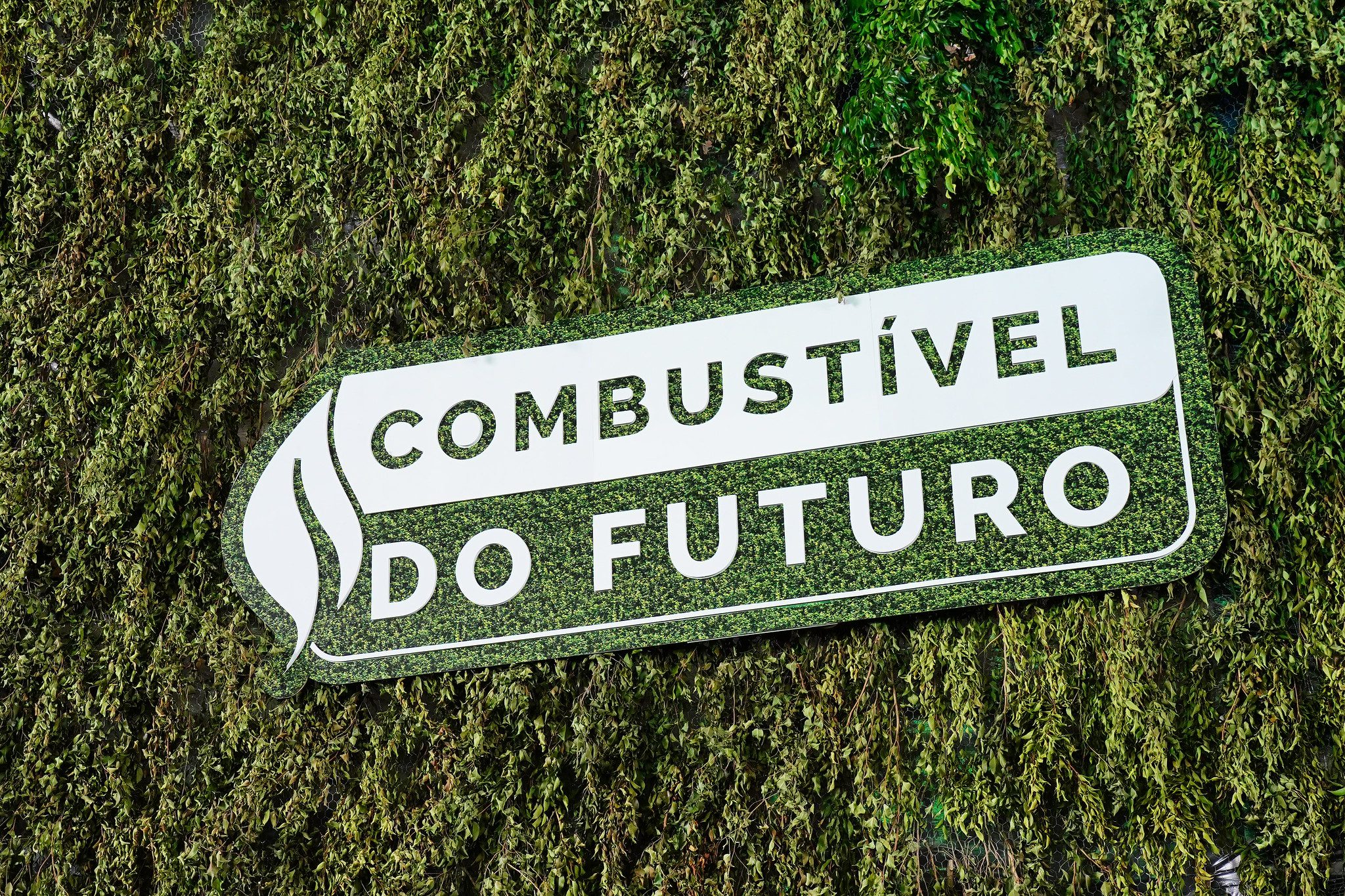
Brazil accelerates hydrogen and biofuel projects to consolidate the fuel of the future and reduce dependence on oil by 2026.
-
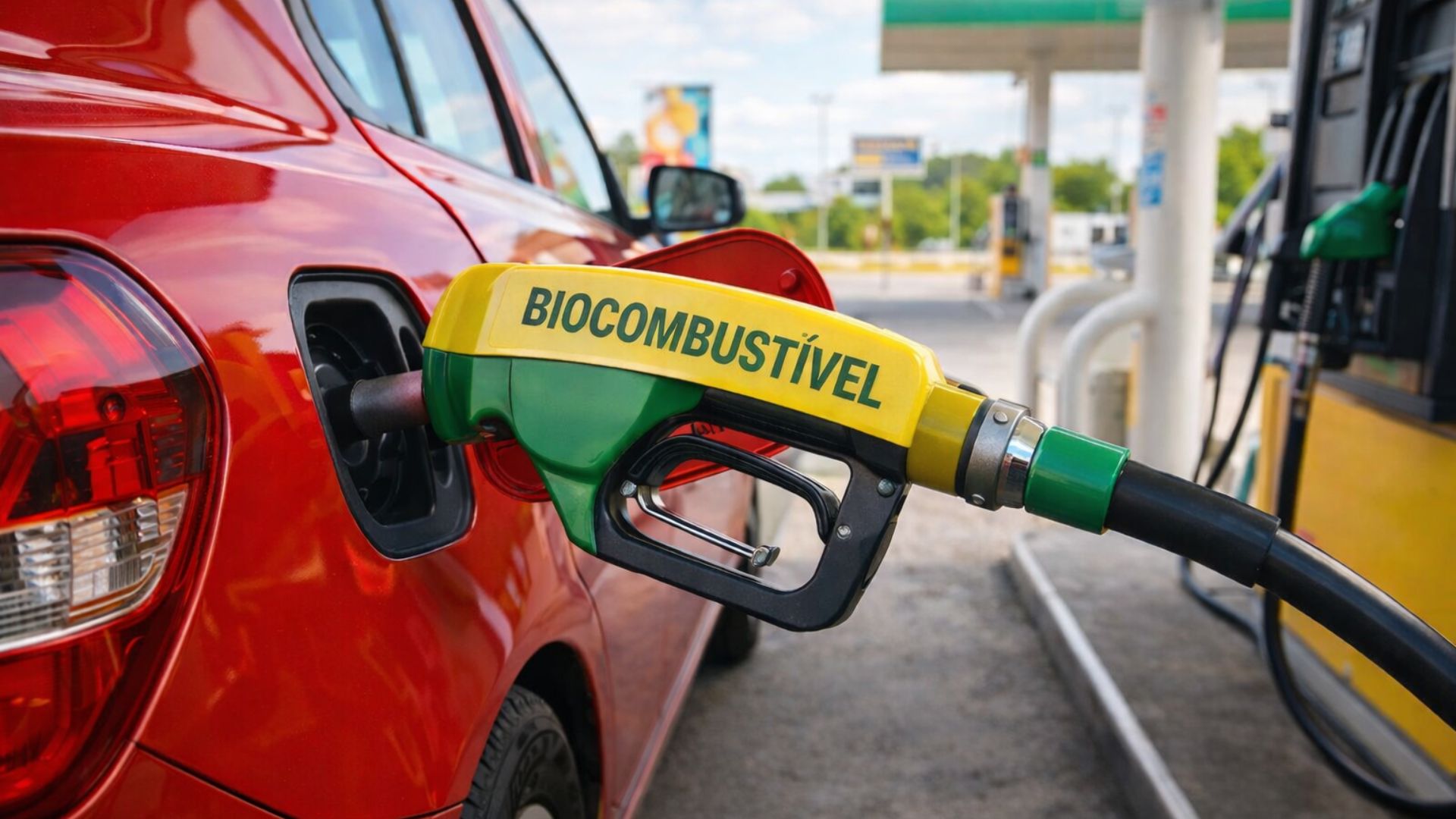
CNPE strengthens policy and prevents imported biodiesel from being mixed with diesel, aiming to strengthen the Brazilian industry and protect jobs by reducing external dependence amid tensions in the global market.
-
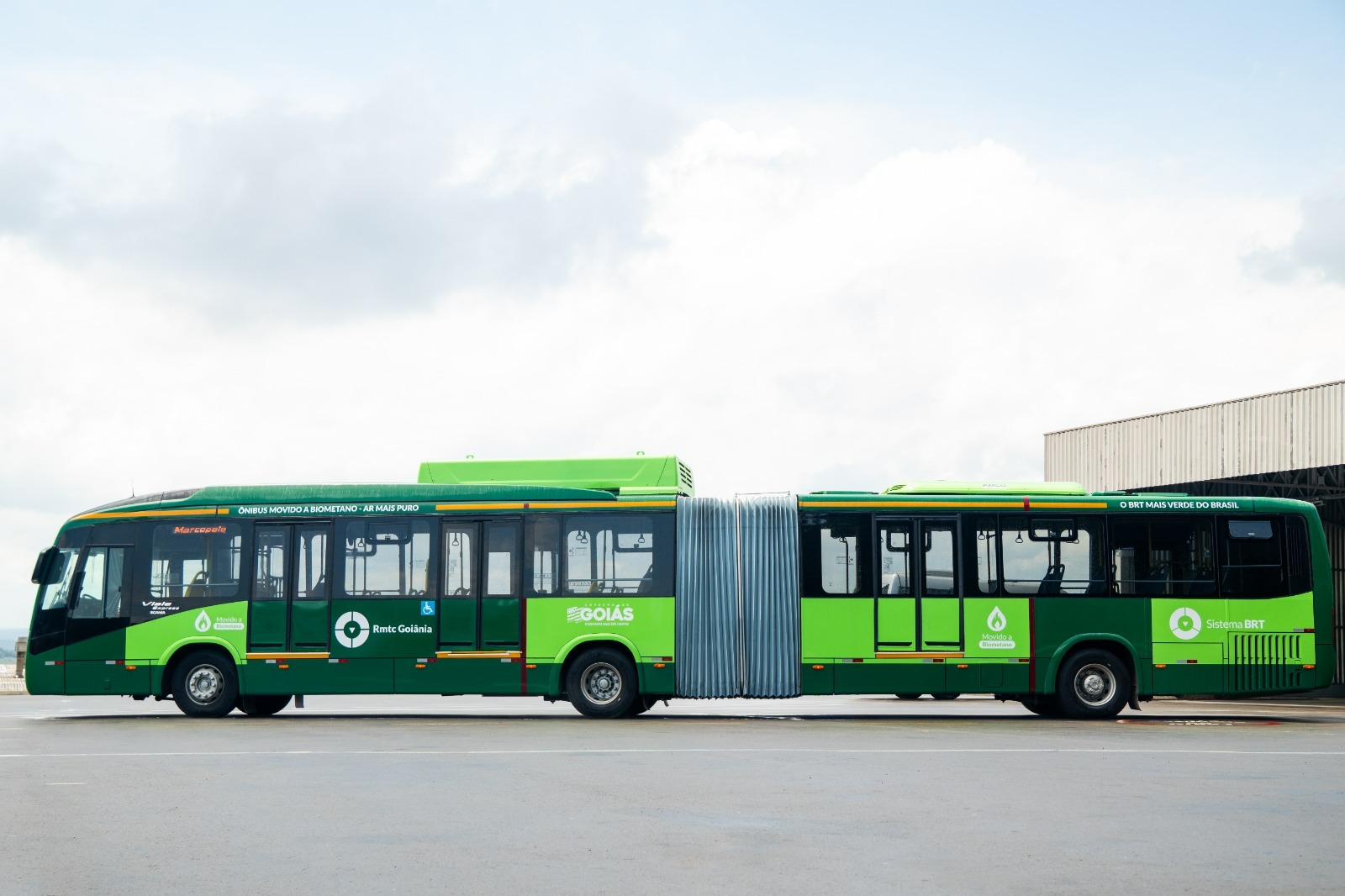
Revolution in public transport: Goiânia puts into circulation the first articulated buses powered by biomethane in Brazil and promises to drastically reduce pollution on the Anhanguera Corridor.
-
From the field to the pipelines: Mato Grosso do Sul accelerates the energy transition and consolidates a new axis in renewable energy with the arrival of a giant biogas plant.

Biomethane-Powered Bus Replaces Diesel Without Altering Urban Routine
The bus powered by biomethane operates normally within the collective transport system. For users, there is no noticeable difference compared to diesel-powered vehicles. The technology allows for equivalent performance, with the advantage of significantly reducing the carbon footprint.
The renewable fuel results from the purification of biogas generated during the treatment of human waste and other organic residues present in sewage. After the cleaning process, the biomethane reaches a standard compatible with natural gas for vehicles and can be used in adapted engines.
This substitution demonstrates that technological innovation applied to sanitation can directly impact the mobility sector, expanding the use of clean energy in essential public services.
How Human Waste Is Transformed Into Biomethane And Clean Energy
The production of biomethane occurs through anaerobic digestion, a biological process in which microorganisms decompose organic matter in the absence of oxygen. Human waste, mixed with other organic residues from sewage, is placed into large closed reactors.
During this decomposition, biogas is formed, primarily composed of methane and carbon dioxide. After the purification stage, which removes impurities and increases methane concentration, biomethane is obtained, ready to replace diesel in adapted vehicles.
According to the International Energy Agency, biomethane produced from waste has a high potential for emission reduction compared to fossil fuels. By using urban waste as raw material, the system strengthens the logic of the circular economy and increases the supply of clean energy in cities. The Barcelona experience shows how technological innovation can transform an environmental liability into a strategic resource for the urban energy matrix.
Environmental Results Of The Biomethane-Powered Bus Instead Of Diesel
Since the start of the pilot project, about 39 months ago, the bus exclusively powered by biomethane has already traveled over 42,000 kilometers. The annual average exceeds 14,000 kilometers traveled with renewable fuel.
The data associated with the initiative indicate a reduction of over 85% in the vehicle’s carbon footprint compared to the use of conventional diesel. Additionally, there was an approximate 70% increase in the energy efficiency of the biogas produced during sewage treatment.
These numbers reinforce that the conversion of human waste into fuel is not just an experimental solution, but a practical and stable application of technological innovation aimed at expanding clean energy in public transport.
The reduction of emissions contributes to climate targets established by the European Union, which seeks to progressively decrease dependence on fossil fuels in the mobility sector.
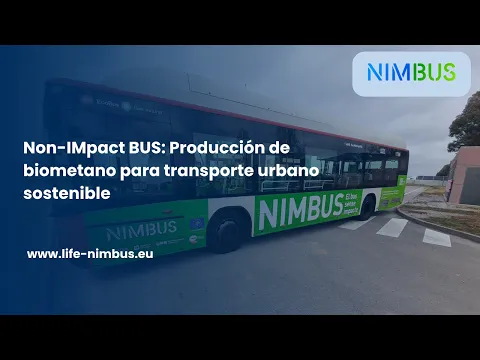

Integration Between Sanitation, Technological Innovation, And Sustainable Mobility
The project creates an integrated cycle within the city itself. What was previously treated only as waste is transformed into an energy input to fuel the urban bus. This integration reduces waste and increases the utilization of local resources.
The continuous production of sewage in urban areas ensures a constant raw material for generating biomethane. This decreases the need to import or consume large volumes of diesel, a fossil fuel associated with greenhouse gas emissions and atmospheric pollutants.
Technological innovation applied to the treatment system for human waste allows different public services to operate in a coordinated manner. Sanitation, transport, and energy no longer operate in isolation and contribute to a more efficient urban model. This type of solution also reduces costs related to waste management, as part of the organic material gains energy value.
Scale Of The Reutilization Of Human Waste For Biomethane Production
According to Le Monde, the biomethane used in the project is generated from the waste of over 1.5 million residents of Barcelona. This volume demonstrates the capacity for large-scale production when adequate infrastructure is in place.
The city capitalizes on a daily flow that already existed — urban sewage — to generate clean energy and supply part of the bus fleet. The model can be adapted to other metropolises with treatment plants equipped with anaerobic digesters.
The partial substitution of diesel with biomethane reduces local emissions and strengthens public sustainability policies. Furthermore, it enhances energy security by using resources available within the territory itself.
Technological innovation in this context does not require changes in citizen behavior. Passengers continue using the transport as usual, while urban infrastructure operates more sustainably behind the scenes.
Challenges And Opportunities To Expand The Use Of Biomethane In Buses
Despite the positive results, the expansion of biomethane usage depends on investments in infrastructure and institutional coordination. Not all cities have treatment systems capable of purifying biogas on a scale sufficient to replace diesel in large fleets.
Adapting engines and building specific refueling networks also require planning. However, gas-powered vehicle technologies are already established in various European countries.
The utilization of human waste as an energy source represents a strategic opportunity in a global energy transition scenario. The trend is for climate policies to increasingly promote the production of clean energy from organic waste. Barcelona’s experience demonstrates that technological innovation can be applied gradually and safely, without compromising the quality of public service.
A New Urban Model Based On Clean Energy And Technological Innovation
The case of the bus powered by biomethane produced from human waste reveals that sustainable solutions can be present in existing systems within cities. By replacing diesel, the project reduces emissions, increases energy efficiency, and strengthens the circular economy.
With over three years of continuous operation and tens of thousands of kilometers traveled, the initiative demonstrates technical viability and consistent environmental gains. The significant reduction in the carbon footprint reinforces the role of technological innovation in building more resilient urban models.
Transforming waste into fuel is not only an environmentally responsible alternative. It is a concrete strategy to diversify the energy matrix, reduce dependence on fossil sources, and increase the use of clean energy in public transport.
As cities face challenges related to pollution, climate change, and waste management, projects like this demonstrate that it is possible to integrate solutions and generate multiple benefits. The future of urban mobility may lie in the ability to see value where there was once only disposal, connecting sanitation, transport, and sustainability in a single productive cycle.









Seja o primeiro a reagir!