





 Portuguese
  English
  Spanish
  2 min of reading
  0 comments


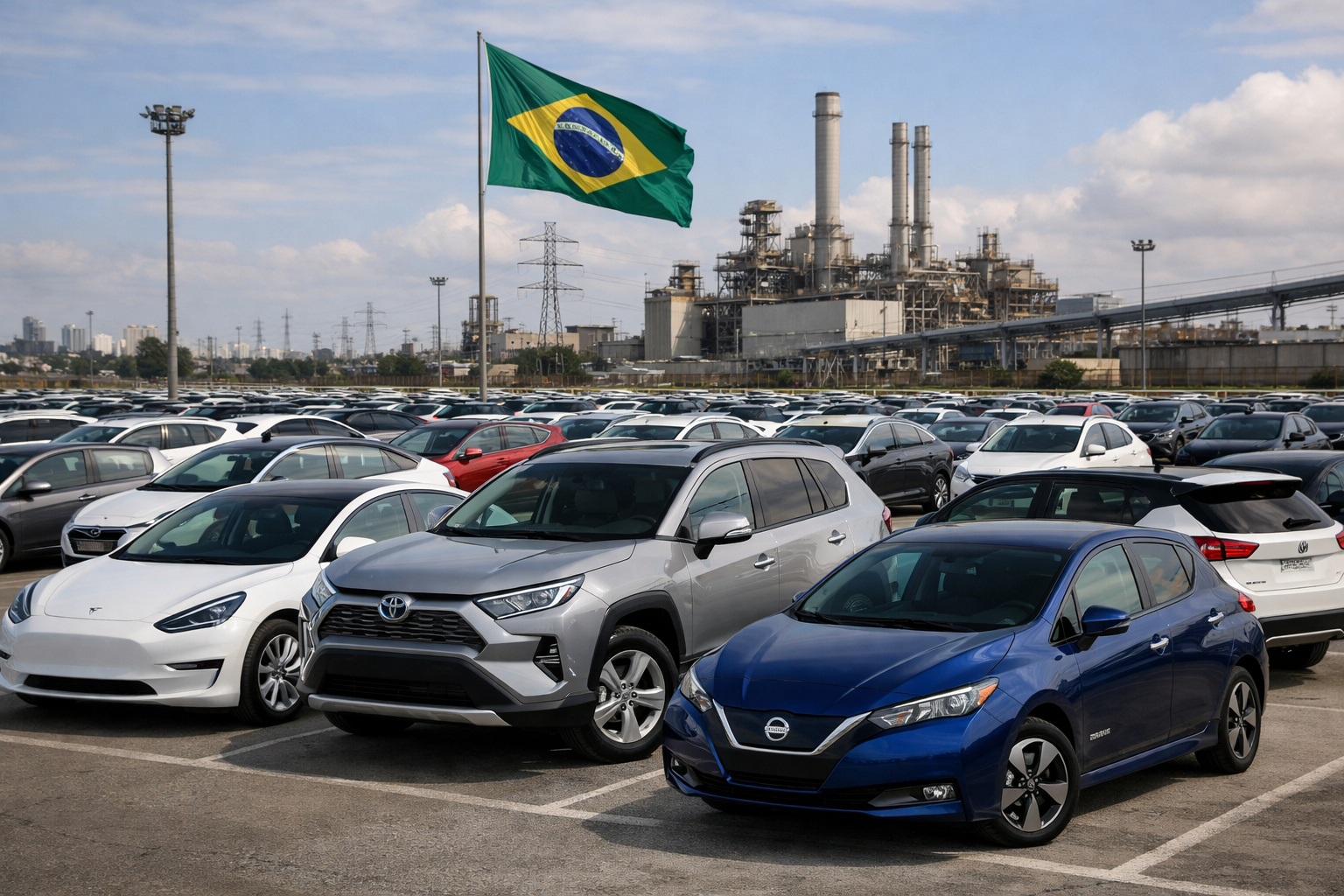
The New Phase of Taxation Will Raise the Cost of Electrified Vehicles, Pressure Prices for Consumers, and Accelerate Domestic Production Amid Competition with Chinese Brands
Buying an electric or hybrid car in Brazil is expected to become significantly more expensive starting in 2026, and the reason is directly linked to the tax policy adopted by the federal government. At the beginning of the second half of the year, the import tax for electrified vehicles will reach the ceiling of 35%, a percentage defined back in 2024 and now entering its final phase of application.
Since January 2024, imported electric and hybrid cars have been subject to the import tax in the country again. The reintroduction of this charge was planned gradually with the primary goal of stimulating domestic production of these models, in addition to reducing dependence on vehicles imported from abroad.
Currently, the rates implemented in July 2025 remain in effect. Conventional hybrid cars pay 30% in import tax, while plug-in hybrids are taxed at 28%. Fully electric vehicles face a rate of 25%. However, this scenario will change in July 2026, when all these categories will incur the maximum rate of 35%.
-
A French brand placed a car on four huge red balloons to prove that its suspension made the vehicle “float,” and the surreal scene became one of the most iconic and unusual images in automotive history.

-
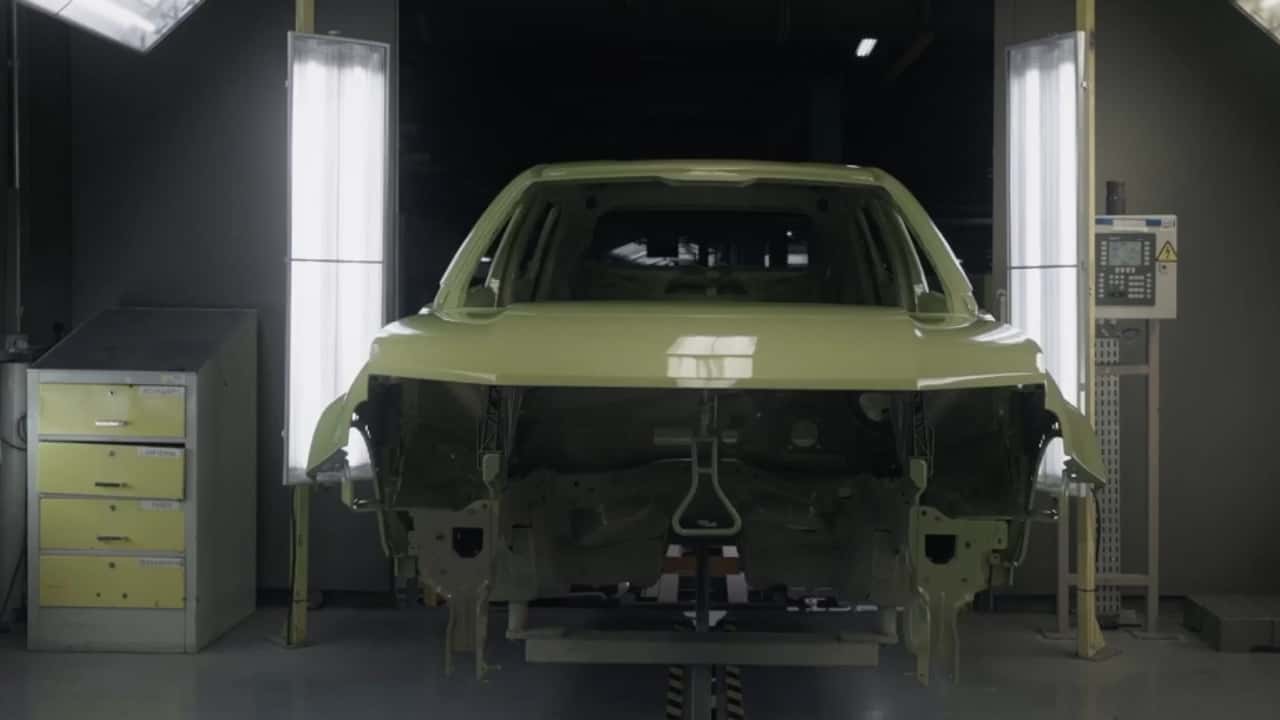
Jeep Avenger begins production in Brazil, debuting as the brand’s new entry-level SUV and inaugurating an unprecedented phase by becoming the first national Jeep manufactured outside of Goiana, as part of a R$ 3 billion plan.
-
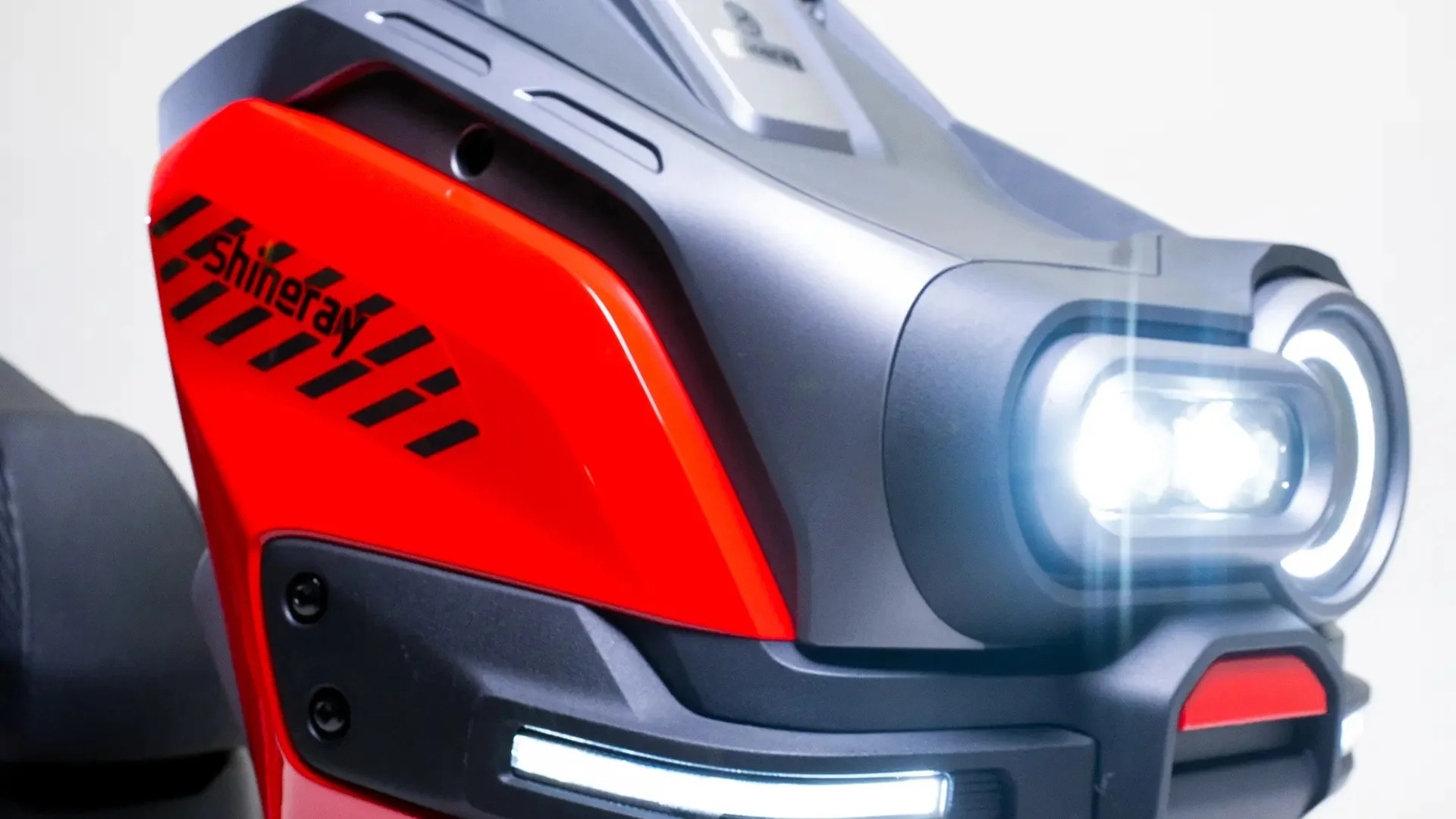
Costing R$ 12,490, the new Shineray Urban Lite 150 “cheap one” arrives in Brazil with a CVT transmission, digital dashboard, and LED lights, making it more affordable than the Biz and targeting those who want to abandon the bus.
-
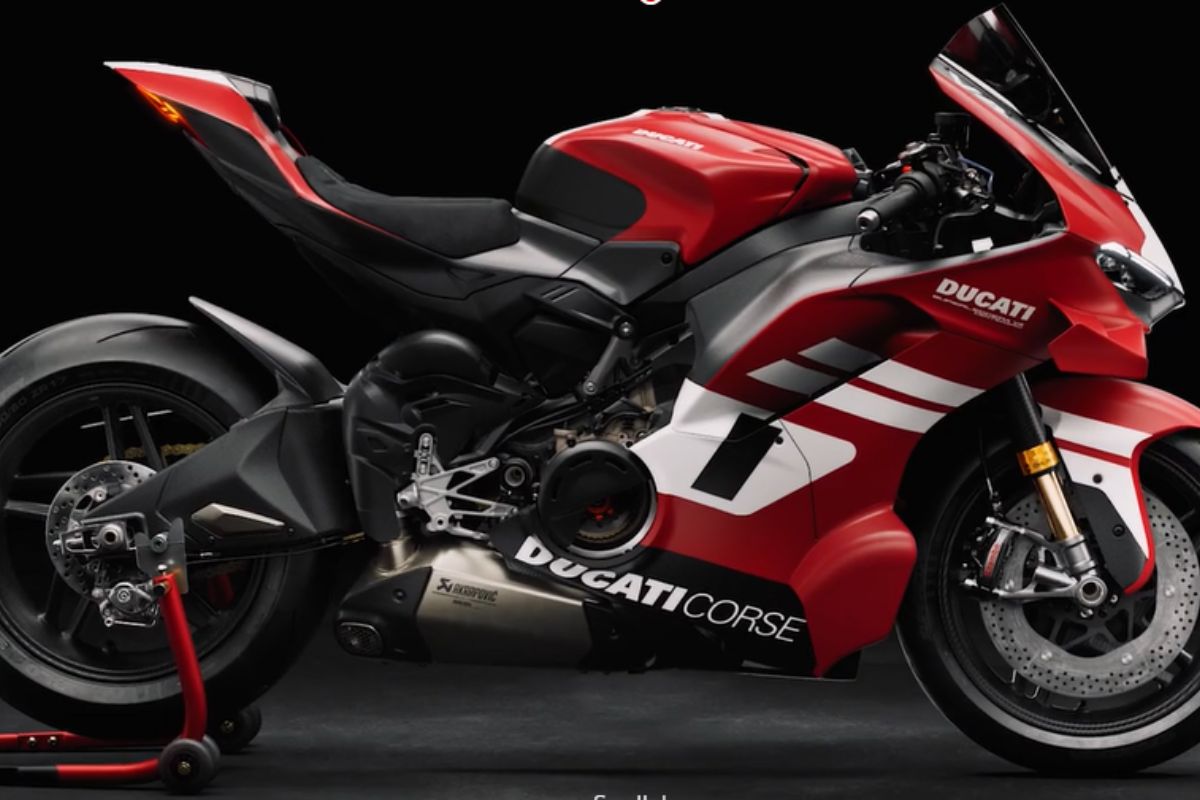
Ducati brings to Brazil the Superleggera V4 Centenario: 228 hp that become 247 with a track kit, carbon fiber and carbon-ceramic brakes, estimated price between R$ 1.5 and 2 million, deliveries only in 2027.

The information was disclosed by specialized automotive industry websites and confirmed by official government statements, which classify the measure as strategic for strengthening the national industry.
Automakers Accelerate Production in Brazil to Escape the Tax
The progressive increase in taxes is seen as a protectionist action to curb the advance of imported models, especially those from China, which arrived in Brazil at aggressive prices and quickly gained market share. In response, some automakers have begun investing in local assembly of electrified vehicles.
BYD is already assembling models like Dolphin Mini, King, and Song Pro in Brazil. In addition, the Chinese manufacturer confirmed that it will also begin assembling the Song Plus at the Camaçari facility in Bahia later this year.
Another significant move comes from GWM, which produces the hybrid SUV Haval H6 at its factory in Iracemápolis, inland São Paulo, located at the site where a former Mercedes-Benz unit operated. Chevrolet has also confirmed the national production of the Spark, with manufacturing planned for the city of Horizonte in Ceará.
For consumers, the impact is likely to be direct: imported electrified vehicles are expected to face stronger price adjustments starting in 2026, while models assembled in Brazil may become the more affordable option for those wishing to enter the electric and hybrid car market.
With information from: CNN Brasil









-

Uma pessoa reagiu a isso.