





 Portuguese
  English
  Spanish
 3 min of reading
  0 comments


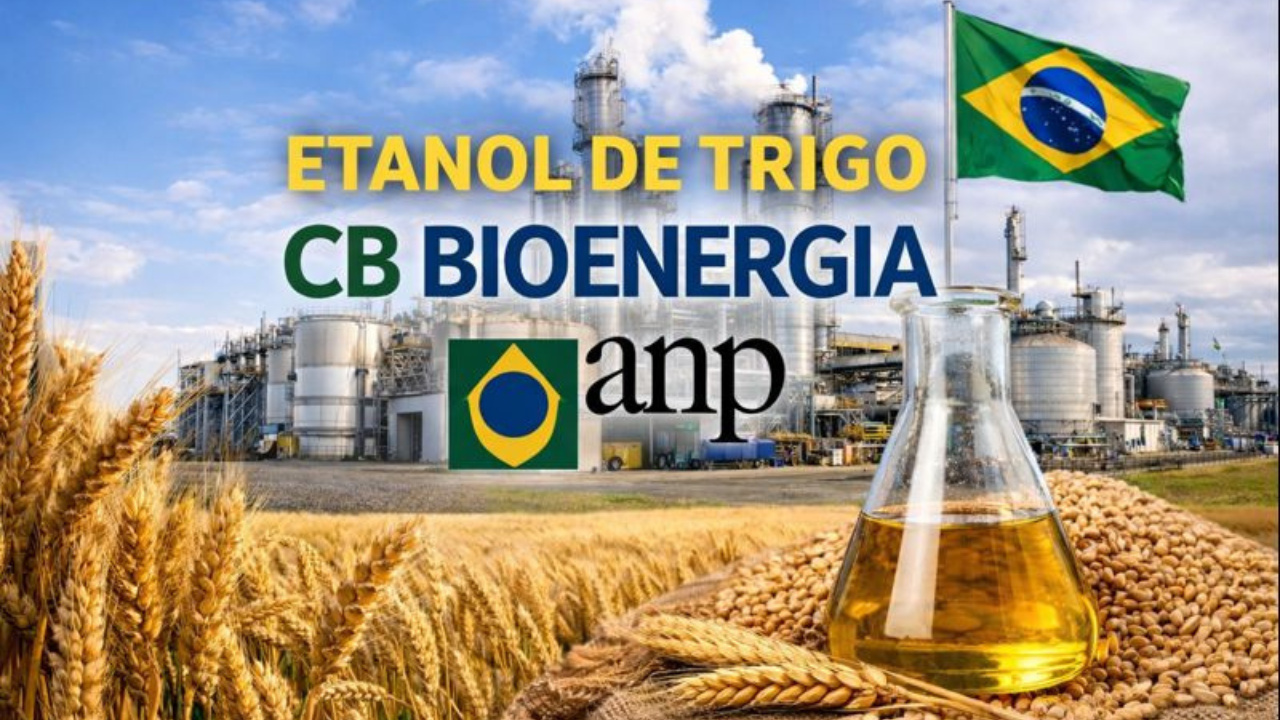
With ANP Approval, CB Bioenergia Starts Production of Wheat Ethanol in Santiago and Projects Expansion of Biofuel by 2027.
The National Agency of Petroleum, Natural Gas and Biofuels (ANP) authorized CB Bioenergia to begin the production of wheat ethanol in Santiago, in Rio Grande do Sul, making the unit the first in the country qualified to produce this type of biofuel.
The decision was published in the Official Gazette last Thursday, the 8th, and represents a significant advance for diversifying the Brazilian energy matrix, in addition to opening a new market for the national wheat chain.
With the release, the company officially begins operations after meeting all technical, environmental, and regulatory requirements.
-
CNPE strengthens policy and prevents imported biodiesel from being mixed with diesel, aiming to strengthen the Brazilian industry and protect jobs by reducing external dependence amid tensions in the global market.

-
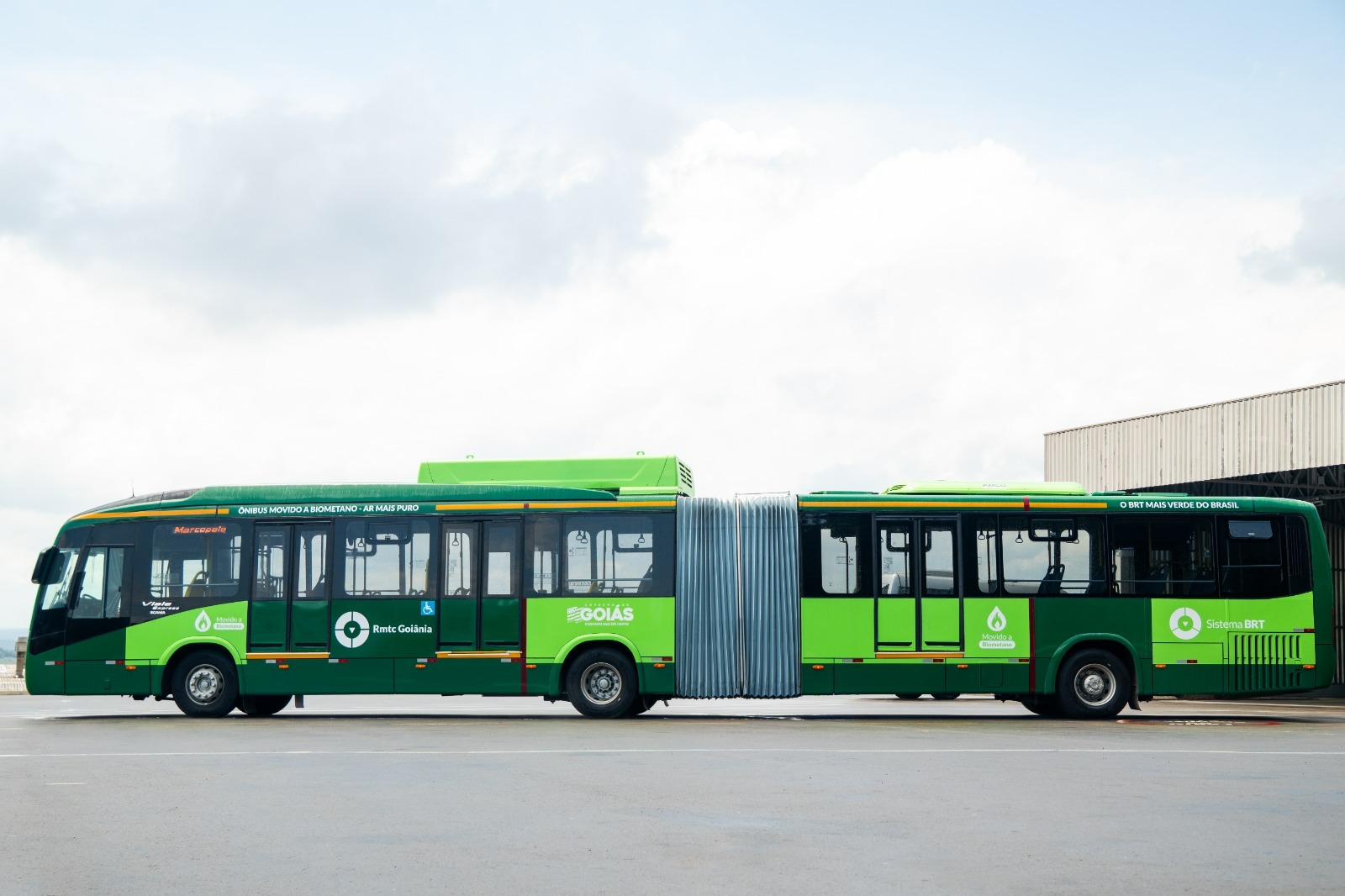
Revolution in public transport: Goiânia puts into circulation the first articulated buses powered by biomethane in Brazil and promises to drastically reduce pollution on the Anhanguera Corridor.
-
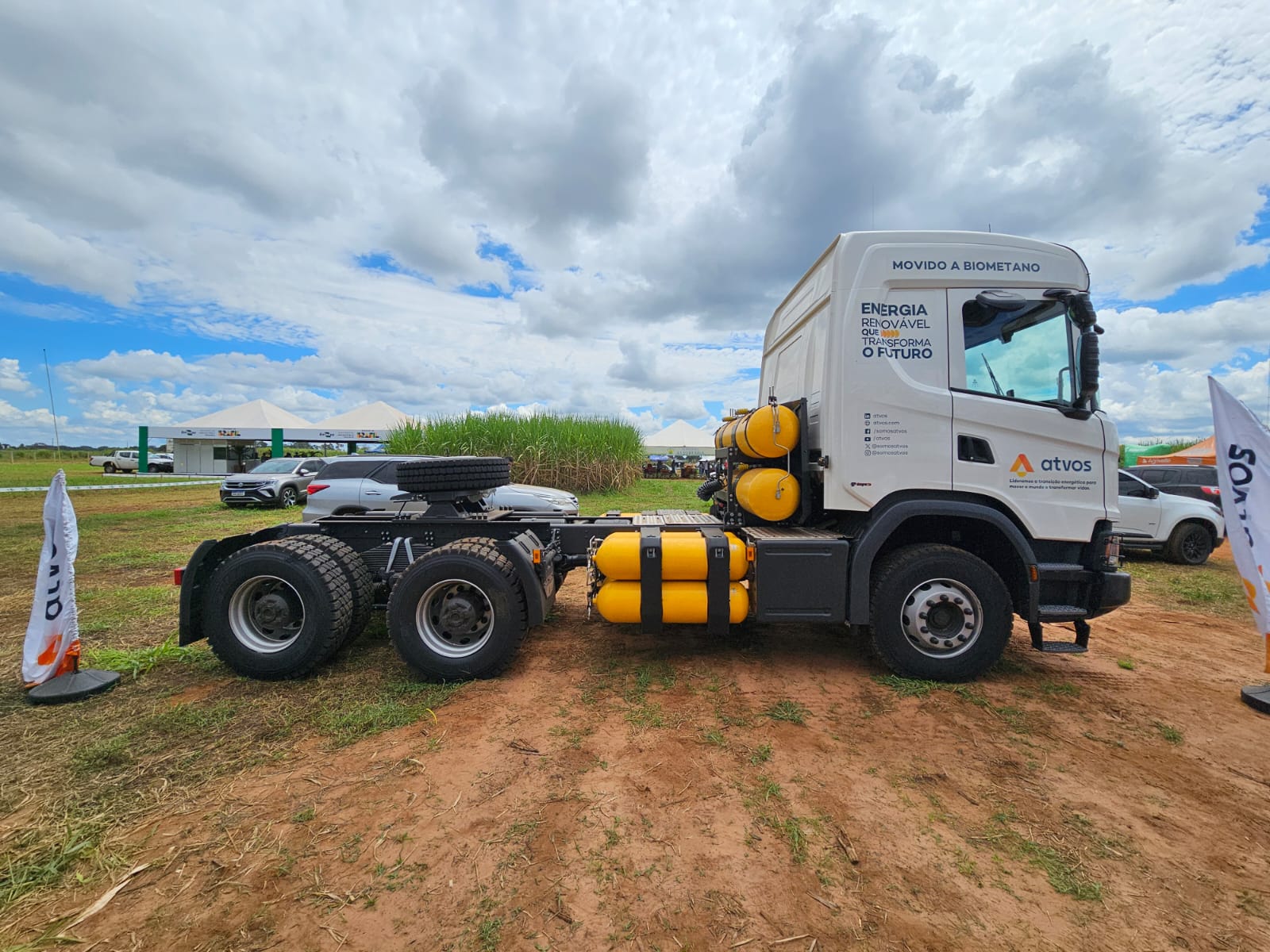
From the field to the pipelines: Mato Grosso do Sul accelerates the energy transition and consolidates a new axis in renewable energy with the arrival of a giant biogas plant.
-
The Economist states that Brazil has a “secret weapon” against expensive oil and highlights how the country can reduce economic impacts even in international scenarios of high volatility.

The start of activities occurs at a strategic moment, marked by the search for renewable sources and the appreciation of alternatives to traditional corn and sugarcane ethanol.
CB Bioenergia Bets on Wheat Ethanol as a Strategic Alternative
The industrial plant of CB Bioenergia, located in Santiago (RS), was designed to process about 100 tons of wheat per day.
With this initial capacity, the expectation is to produce up to 12 million liters of wheat ethanol per year, already in the first phase of operation.
This production model positions wheat as a new raw material for the biofuel sector, enhancing agricultural utilization and providing greater income predictability for producers in the southern region.
Furthermore, the initiative reduces dependence on more traditional crops, contributing to the resilience of the energy sector.
Initial Investment Strengthens Santiago’s Economy and the Region
To enable the establishment of the unit, CB Bioenergia invested approximately R$ 100 million in the first phase of the project.
The investment involved the construction of the industrial plant, purchase of equipment, and adaptation of local infrastructure.
The enterprise generates direct and indirect impacts on the economy of Santiago, stimulating job creation, service hiring, and strengthening the agro-industrial chain.
Thus, the municipality becomes part of a select group of biofuel production hubs in the country.
Projected Expansion Could Quintuple Production by 2027
Meanwhile, the company’s strategy goes beyond initial operations.
By 2027, CB Bioenergia projects to significantly increase the capacity of the Santiago unit, with estimated production between 45 and 50 million liters of wheat ethanol per year.
To achieve this volume, additional investments totaling about R$ 500 million will be needed.
The expansion should include new production lines, increased processing capacity of the grain, and logistical improvements, consolidating the project as one of the most relevant in the biofuel sector in southern Brazil.
Environmental License Was a Decisive Step Before ANP Authorization
Before the release from ANP, CB Bioenergia had already advanced in another crucial stage.
In November of last year, the company received the Operation License (LO) granted by the government of Rio Grande do Sul.
This license confirmed that the plant meets environmental and operational requirements, ensuring that the production of wheat ethanol occurs within legal standards.
Therefore, the authorization from ANP completes the regulatory cycle necessary for the plant’s operation.
Biofuel Production Expands Wheat’s Role in the Energy Matrix
Thus, the authorization from ANP reinforces the trend of diversifying sources of biofuel in Brazil.
Then wheat ethanol emerges as a complementary alternative, with the potential to strengthen energy security and add value to regional agricultural production.
Furthermore, CB Bioenergia’s project in Santiago signals new opportunities for the sector, encouraging innovation, investments, and greater integration between agriculture and energy.
In this way, the country takes another step toward a more diversified and sustainable energy matrix.









Seja o primeiro a reagir!