





 Portuguese
  English
  Spanish
  4 min of reading
  1 comment





Is It Possible to Sell the Property Before Completing the Probate Without Court Action, as Long as It Is Stated in the Deed That the Money Will Fund the Probate?
The question of whether it is possible to sell a property before completing the probate is one of the most common in law firms. Until recently, the answer was negative: without court authorization, the sale could not take place. However, a recent change has brought a faster and less costly way for heirs.
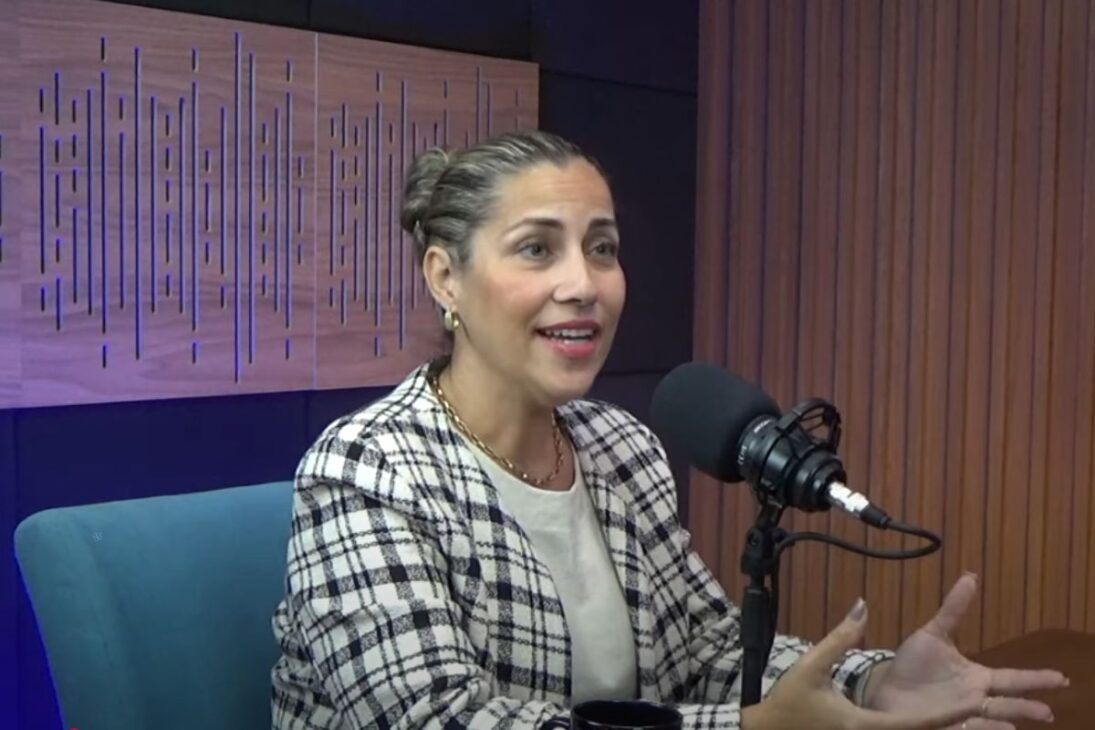
According to lawyer Elaine Portela, a specialist in Real Estate Law, the National Justice Council (CNJ) changed the rules with Resolution 571, allowing the sale of properties in probate through an extrajudicial process.
Now, the public deed can stipulate that the funds raised will be used to pay taxes, fees, and attorney fees for the probate, waiving the need to open a court case.
-
A new law being voted on in Brazil proposes a minimum fare of R$ 10 per trip and R$ 2.50 per kilometer for Uber and 99 drivers, and promises to ensure they earn as well as taxi drivers did during the golden age of taxis in the country.

-
Bauer Group collapses after failed judicial recovery: 25 years, 800 vehicles, and a network of gas stations leave a debt of R$ 50 million and 100 layoffs, exposing costs, tight margins, and expensive credit in Brazil.

-
Premium Brazilian brand born during the pandemic brings fine cocoa from Bahia to Switzerland, Germany, and France, has won 9 awards, and claims to have the 2nd best milk chocolate in the world: meet Luz Cacau.

-
Júnior Friboi has just purchased one of the largest feedlots in all of Brazil, located in Goiás, with the capacity to produce 180,000 cattle per year, and the manager has already come forward to reassure employees about layoffs.


What Changes with the New CNJ Rule
Before Resolution 571, the only way to sell an estate asset was through a court order, which required a petition to the judge, document analysis, and, in some cases, intervention from the Public Prosecutor’s Office.
This process could take years, leaving heirs burdened with expenses such as property taxes, condominium fees, and property maintenance.
With the new rule, the probate can be initiated directly at the registry office, and the sale is authorized as long as it is recorded in the deed that the money will be used to fund the probate itself.
According to Elaine Portela, this provides speed and security to families while drastically reducing processing time.
How It Works in Practice
The procedure follows clear steps:
Opening the probate at the registry office – must be done within 30 days after death, with the presentation of documents from the heirs, the deceased, and the surviving spouse or partner.
Appointment of the administrator – according to Resolution 452 of the CNJ, the choice can be made by public deed, simplifying the designation of the responsible party for the estate.
Drafting the sale deed – the Notary Public must register that the transaction aims to fund the probate, detailing expenses and amounts.
Payment of probate expenses – the proceeds from the sale cover taxes, fees, and attorney fees.
Distribution of the remaining balance – what is left is divided among the heirs within the extrajudicial probate itself.
Impact on Buyers and Heirs


For those buying the property, the change means more legal security.
In the past, many transactions were made through private contracts, known as “handshake agreements”, which offered discounts but posed a significant risk of nullity.
Now, the public deed registered at the registry office guarantees the legality of the transaction.
For the heirs, the effect is equally positive. The ability to sell properties even during probate prevents assets from being idle for years and unlocks necessary funds to cover the process itself.
As Elaine Portela points out, the cost of probate can be high, and the lack of resources often delays the distribution and increases family conflicts.
Reflections on the Real Estate Market
The measure also has an economic impact. Properties stuck in probate often lost market value, as buyers discounted legal risks.
Now, with the process regularized at the registry office, prices tend to reflect the actual value, benefiting both families and investors.
Moreover, the Judiciary becomes less overloaded, as the resolution encourages consensus solutions in the extrajudicial realm.
Court proceedings are reserved for actual conflicts among heirs, such as disputes over unequal divisions or challenges regarding the validity of documents.
The CNJ’s change represents an important modernization: the sale of properties during probate can now be conducted without court action, as long as the rules of Resolution 571 are followed.
This ensures speed, reduces costs, and brings security to all parties involved.
And you, do you think this change will make life easier for families going through probate? Do you think the real estate market will also be impacted? Leave your opinion in the comments — your experience can enrich this debate.










Finalmente o CNJ fez algo para desburocratizar a justiça.
Todos ganham.