





 Portuguese
  English
  Spanish
 3 min of reading
  2 comments


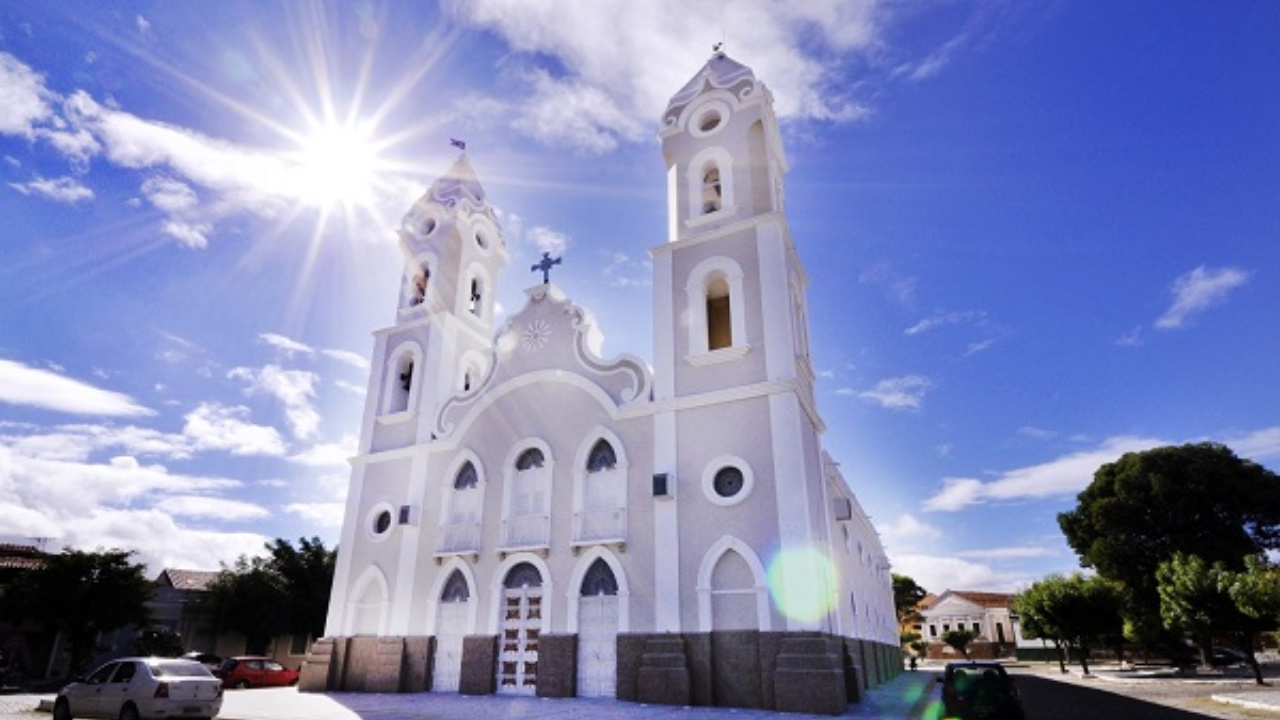


Caicó, Rio Grande do Norte, Leads Ranking of Sunny Days in Brazil and Uses High Solar Incidence to Drive Research, Test Technologies and Redefine Urban Planning with Clean Energy.
Even before major capitals discussed energy transition, a city in the Northeast was already living this reality in practice. Located in Rio Grande do Norte, Caicó has established itself as the Brazilian municipality with the most sunny days throughout the year. This climatic factor, which could have been just a geographical curiosity, has become a strategic asset.
With constant and intense solar incidence, the city has come to be seen as a true living laboratory. Researchers take advantage of the excess sunlight to test the resilience and efficiency of new materials used in photovoltaic energy generation.
According to a study published by Science Direct, continuous radiation allows for the evaluation of technologies’ performance under extreme conditions.
-
Seagri’s headquarters invests in solar energy with Neoenergia Coelba and promises to cut electricity costs, highlighting a strategic advance in sustainability and energy efficiency within state public administration.
-
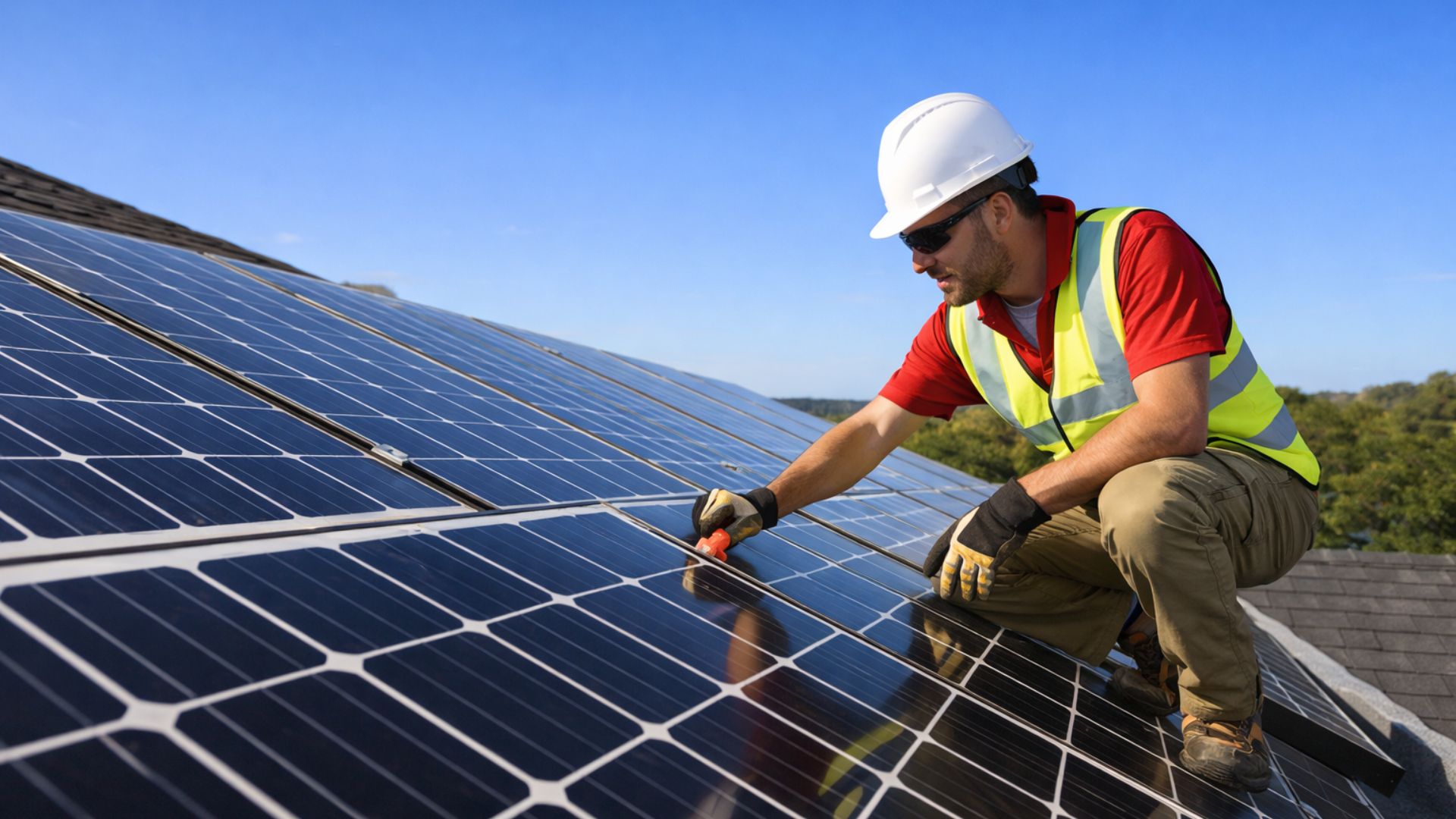
Solar Pyramid draws attention by converting solar energy into million-dollar savings and repositioning the City Hall of Curitiba as an example of innovation, sustainability, and intelligent use of public resources.
-
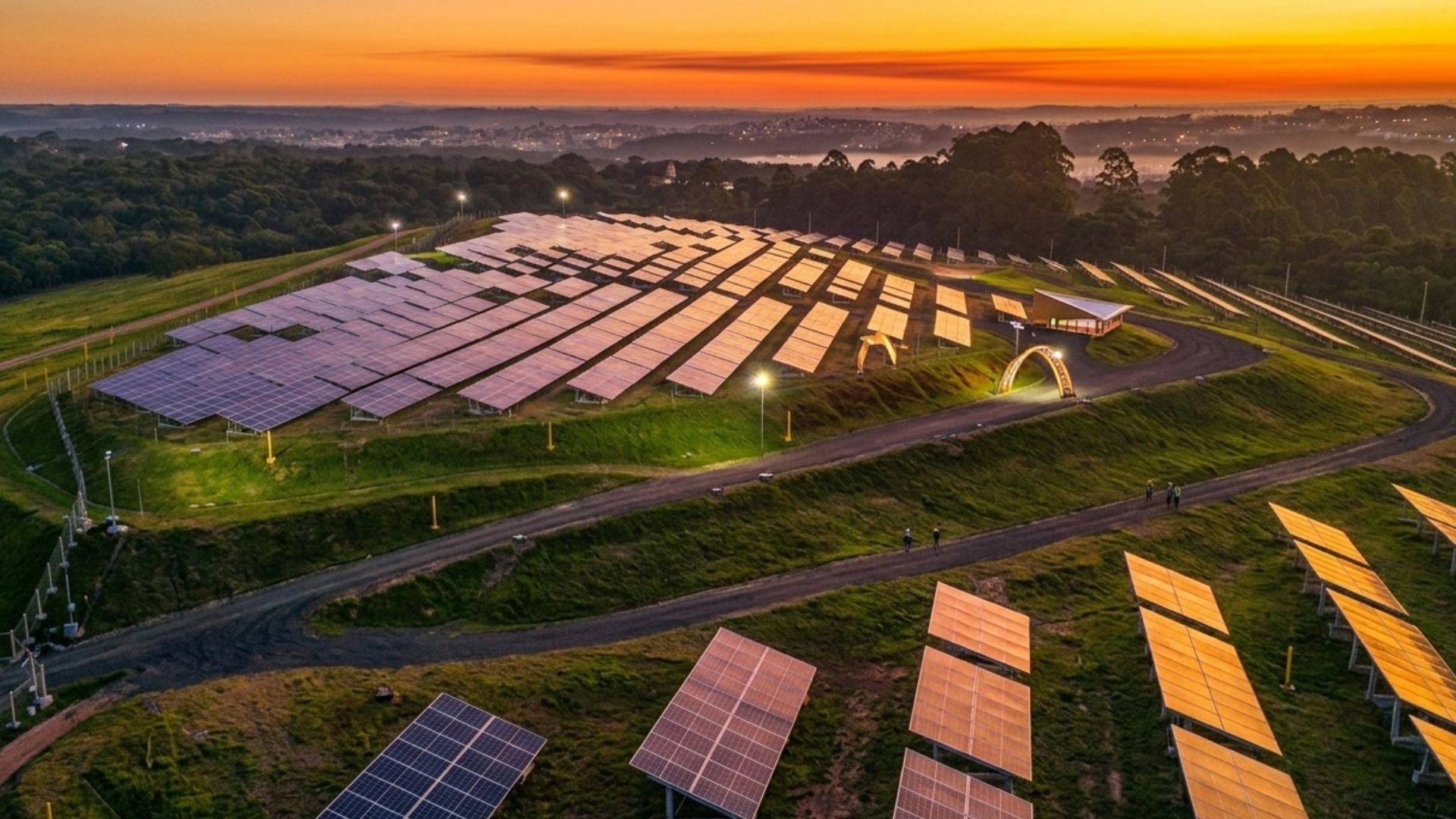
Europe records strong euro economy with solar energy in March and sparks curiosity about which country leads growth that redefines the energy market and reduces costs.
-
Piauí reaches a historic milestone in energy transition: State records nearly 160,000 households powered by solar energy and leads growth in the Northeast.
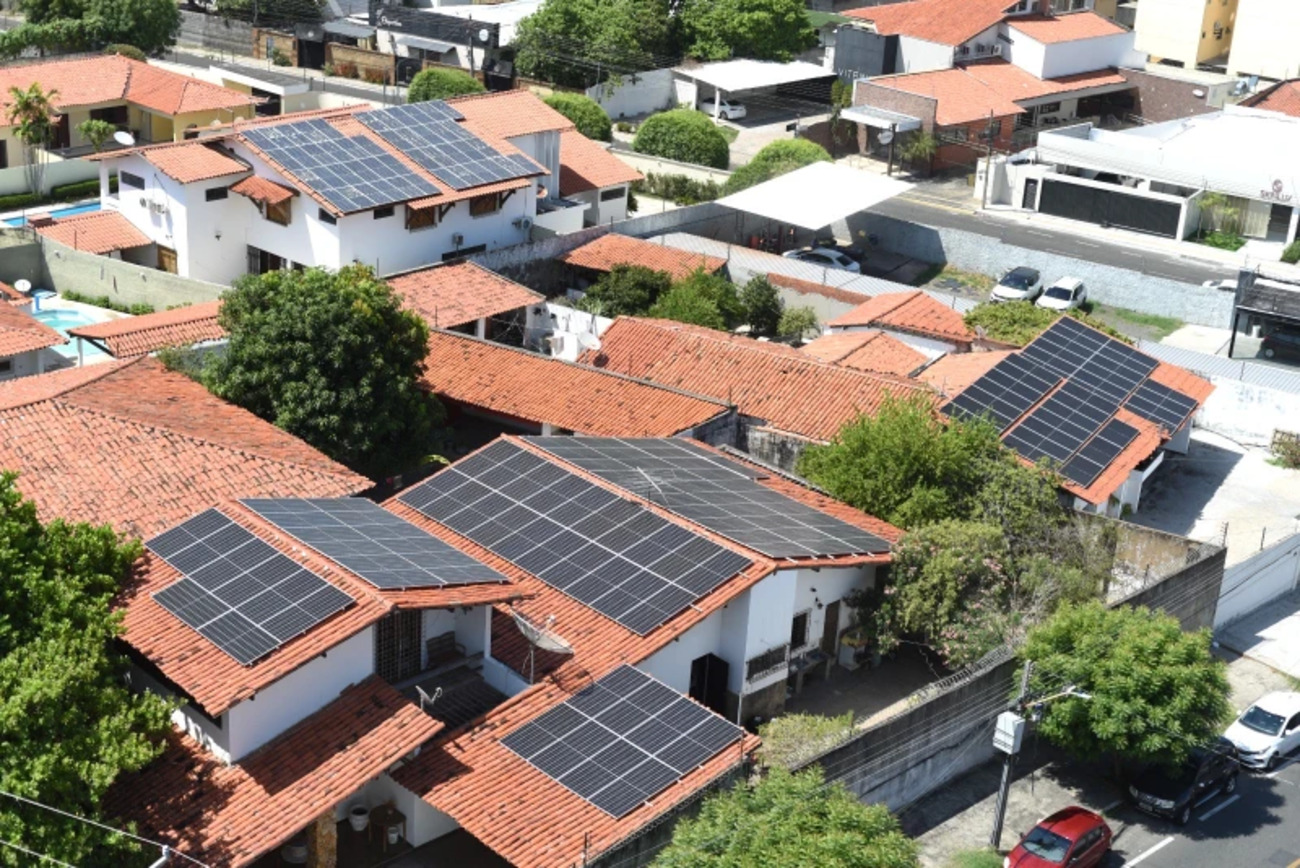

Thus, what was once just strong heat became an opportunity for innovation.
Public Policies Boost Use of the Sun as a Source of Development
In addition to favorable natural conditions, the local government has adopted measures to turn sunlight into public policy. Municipal buildings have begun to serve as bases for distributed micro-generation projects. Schools, administrative units, and public spaces function as experimental areas.

This movement has attracted companies interested in validating high-performance energy storage systems in batteries. At the same time, specialists monitor the impact of these solutions on the city’s actual consumption.
The process occurred in phases. First, solar mapping was conducted to identify areas with the highest annual radiation.
Then came the tests with smart battery banks capable of storing the excess collected during peak hours.
Finally, the data began to be shared with other municipalities interested in replicating the model.
Practical Benefits Reach the Population’s Wallet
In the meantime, residents have started to feel the effects in their daily lives. The adoption of solar energy has significantly reduced dependence on traditional sources.
Additionally, many families recorded a decrease of up to 90% in their electricity bills after the installation of photovoltaic systems.
With lower fixed expenses, household budgets have gained flexibility. Resources previously allocated to the energy bill are now redirected to other basic needs.
At the same time, local generation reduces transmission losses and eases pressure on the national electrical grid. In times of water crisis, for example, supply stability tends to be greater.
Urban Planning Starts to Follow the Path of the Sun
The experience has also changed how the city considers its growth. New projects take into account the sun’s trajectory in the layout of streets and buildings. Roofs, parking lots, and even previously underutilized areas are now seen as potential capture surfaces.
In this way, urban infrastructure stops being merely an energy consumer and starts producing resources. This model is already attracting attention from other Brazilian cities, which view Caicó as a practical reference for applied sustainability.
And you, would you dare to face the sun of Caicó to seize investment opportunities, or is the cost too high?








E sobre a alta incidência de casos de câncer de pele, de insolação e desidratação em crianças e idosos nenhuma publicação científica? Qual o potencial do Itans esturricado? Ah, vai dar para matar a sede com fótons! Ja não é novidade, afinal, Chico Buarque contou que viu “em Brejo da Cruz a criançada se alimentar de luz”…
Aproveitemos o disponível. A Austrália é o pais com um indice de câncer de pele superior ao índice do Seridó. Curioso é que o país e também campeão no uso de filtro solar. Ou seja o povo do Seridó com seu percentual de mestiços fazem a diferença e quanto ao abastecimento ao inves do poluído e depauperado Itans, que as adutoras sejam ampliadas trazendo agua do Piranhas