





 Portuguese
  English
  Spanish
  4 min of reading
  2 comments


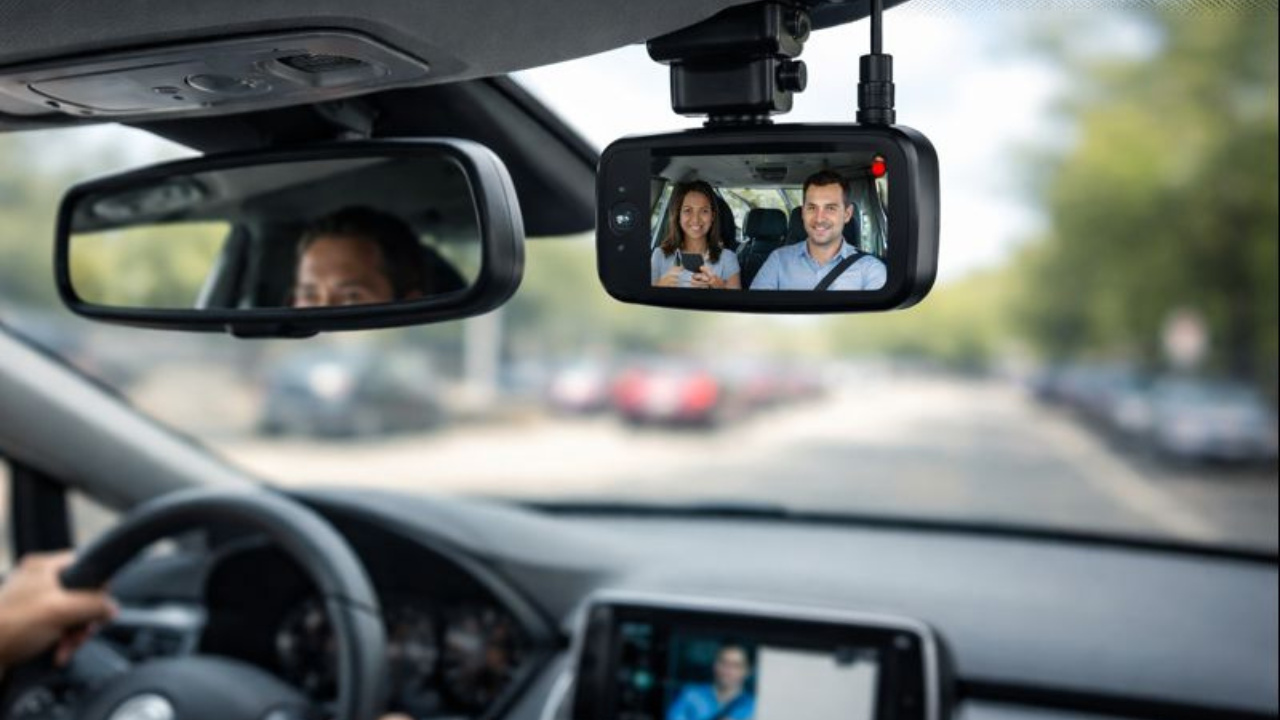


The Regulation of Ride-Hailing Apps May Require Cameras in Cars Used by Uber and 99 Drivers.
Bill Proposals currently under consideration in Brazilian states and municipalities may make it mandatory to install cameras in ride-hailing cars, directly impacting app drivers working for platforms such as Uber and 99.
The proposals, which are advancing in different regions of the country, aim to enhance safety in ride-hailing transport, requiring the recording of trips as a means of protection for both passengers and drivers.
The discussions are taking place at the local level, where the regulation of ride-hailing apps is defined, and reflect an attempt to standardize safety measures in light of the growth of this urban mobility model.
-
The noise law will no longer be in effect at 10 PM starting in June with a new rule valid during the 2026 World Cup.
-
The Chamber opens a debate on driver’s licenses at 16 years old as part of a reform that includes around 270 proposals to change the Brazilian Traffic Code and may redesign rules for licensing, enforcement, and circulation in the country.
-
The new Civil Code could revolutionize marriages in Brazil with “express divorce” and changes that could exclude spouses from inheritance.

-
Banco do Brasil sues famous influencer for million-dollar debt and intensifies debate on delinquency, risks of seizure, and direct impact on Gkay’s credibility.


Cameras in Ride-Hailing Cars Gain Traction as a Safety Measure
The requirement for cameras in ride-hailing cars arises in response to incidents of violence, conflicts, and reports involving rides mediated by digital platforms.
The recording of trips is seen by lawmakers and public managers as a mechanism for prevention and also for providing evidence in case of incidents.
Additionally, proponents of the measure argue that the mere presence of the equipment is likely to deter inappropriate behavior from both passengers and drivers.
Thus, the initiative is being presented as an additional layer of protection in urban daily life.
How Uber and 99 Already Use Cameras and Recordings
Although there is still no national rule, the use of cameras is already occurring partially on major platforms.
99, for example, provides equipment for rent to drivers who are interested in enhancing safety during rides.
Meanwhile, Uber allows audio and video recording using the driver’s front camera on their mobile phone, directly integrated into the app.
In this model, images are stored in the company’s systems and can only be accessed in specific situations, such as internal investigations or legal requests.
In both cases, the systems record the interior of the vehicle and, in some models, the exterior as well, featuring capabilities such as night vision and automatic file uploads to centers controlled by the platforms.
Salvador Was Pioneering in Regulating Ride-Hailing Apps
Salvador, in Bahia, became one of the first Brazilian capitals to mandate the installation of cameras in all vehicles linked to ride-hailing apps.
The municipal legislation stipulates that the equipment must remain on throughout the entire ride.
The regulation also establishes that if the platform does not provide the device for free, the driver may cover the installation costs and request reimbursement later.
The measure positioned the Bahian capital as a national reference in the discussion on safety in ride-hailing transport.
Federal District Sets Rules for Image Storage
Meanwhile, in the Federal District, a bill is progressing focusing on the management of recordings.
The proposal establishes that images captured by cameras in ride-hailing cars be stored for at least 30 days.
Access to the content would be restricted to competent authorities, upon formal request, aiming to balance public safety and privacy protection.
The text also discusses technical criteria and responsibilities regarding data storage.
States Discuss Costs and Technical Standards of Cameras
In addition to Salvador and the Federal District, states such as Minas Gerais, Paraná, Rio de Janeiro, Pernambuco, Ceará, Mato Grosso, and Alagoas are analyzing similar proposals.
However, each project presents particularities.
The differences involve the retention period of recordings, technical requirements for the equipment, and, primarily, the definition of who should bear the costs: platforms or ride-hailing drivers. This point has generated intense debates, as many professionals fear increased expenses.
Why Regulations Vary So Much Between Cities and States
The diversity of proposals is explained by the Brazilian legal model.
The regulation of ride-hailing apps is the responsibility of municipalities and the Federal District, allowing each locality to create its own rules.
At the federal level, initiatives are limited to general safety guidelines, without imposing unique technical standards for the use of cameras.
This results in a fragmented scenario, with different rules for Uber and 99 depending on the region.
Impacts for Ride-Hailing Drivers and Passengers
For ride-hailing drivers, the mandatory cameras may represent both an additional cost and a tool for protection against false accusations and risky situations.
For passengers, the measure tends to increase the feeling of security during their rides.
On the other hand, experts warn of the need for clear rules regarding privacy and data use, to prevent abuses and leaks of sensitive information.
Debate Should Advance in the Coming Months
With the continuous growth of ride-hailing transport in Brazil, the discussion around cameras in ride-hailing cars is expected to intensify.
The expectation is that more municipalities will move forward with creating their own regulations, while platforms and drivers closely monitor the developments.
Thus, the topic consolidates as one of the main focal points of the safety agenda in ride-hailing transport, directly impacting the routine of those who drive and those who use services like Uber and 99 daily.










Os ubers baianos precisam mesmo usar câmera pois sao tudo ignorantes com os passageiros. Quem me contou isso foi os pró prios Bainos.
A moeda TEM DOIS LADOS. O lado pior é dos passageiros, que querem fazer do veículo ALHEIO, de sua CASA.