





 Portuguese
  English
  Spanish
  3 min of reading
  0 comments


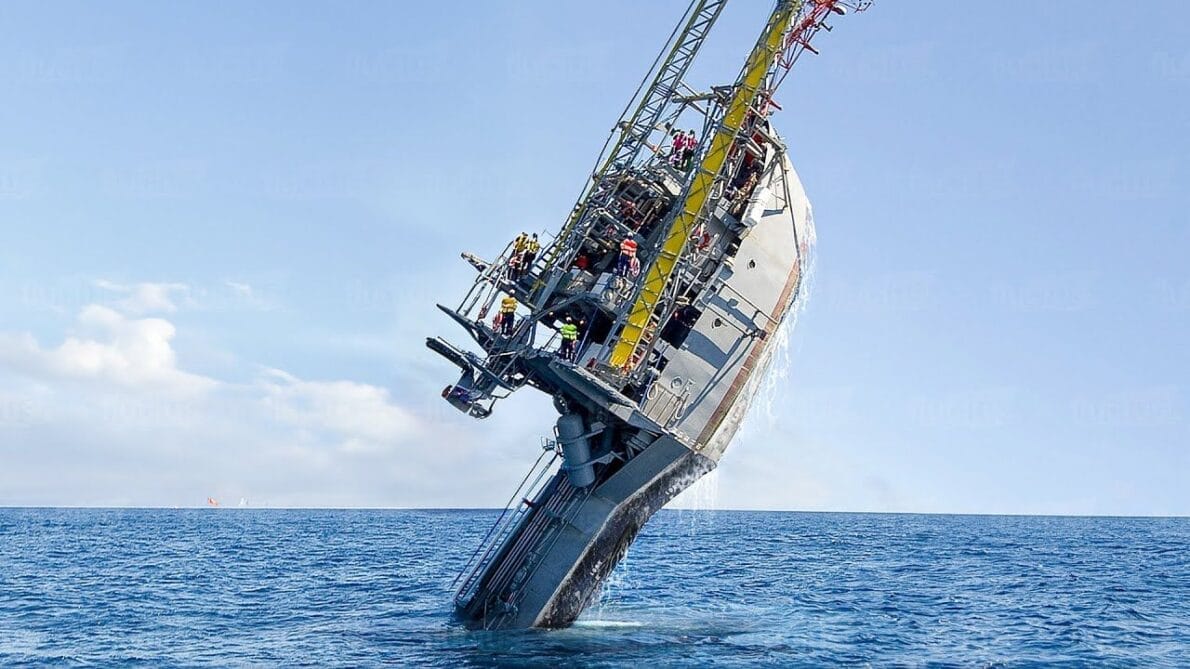
Innovative Technology, Floating Research Platform FLIP of the United States Navy Enhances Oceanographic Research and Marine Biology.
When we think of the United States Navy, we immediately picture powerful submarines and large military fleets. However, naval technology is also essential for scientific purposes, such as oceanographic studies, marine biology research, environmental monitoring, and even underwater archaeology.
These special vessels are designed to meet various scientific needs. An iconic example is the floating research platform FLIP, owned by the Office of Naval Research and operated by the Scripps Institution of Oceanography. Created in the late 1950s by George Frederickson and launched in 1962, this platform was designed to study underwater sound waves and other oceanic phenomena.
The FLIP of the United States Navy Has a Unique Feature: It Can Change from Horizontal to Vertical Position, Offering Great Stability Even in Rough Seas

This is made possible thanks to its ballast tanks, which are filled with water to partially submerge the platform, allowing it to float like a buoy. This innovative design made FLIP ideal for acoustic studies, marine biology, and geophysics.
-
With 74% of companies facing difficulties in hiring, technicians and engineers in renewable energy are becoming scarce in Brazil and are essential to support the expansion of solar, wind, and green hydrogen projects.

-
Europe is trying to create an ammonia-powered marine engine without auxiliary fuel, which could unlock the race for giant emission-free ships. The technology aims to eliminate one of the biggest obstacles to clean maritime propulsion.

-
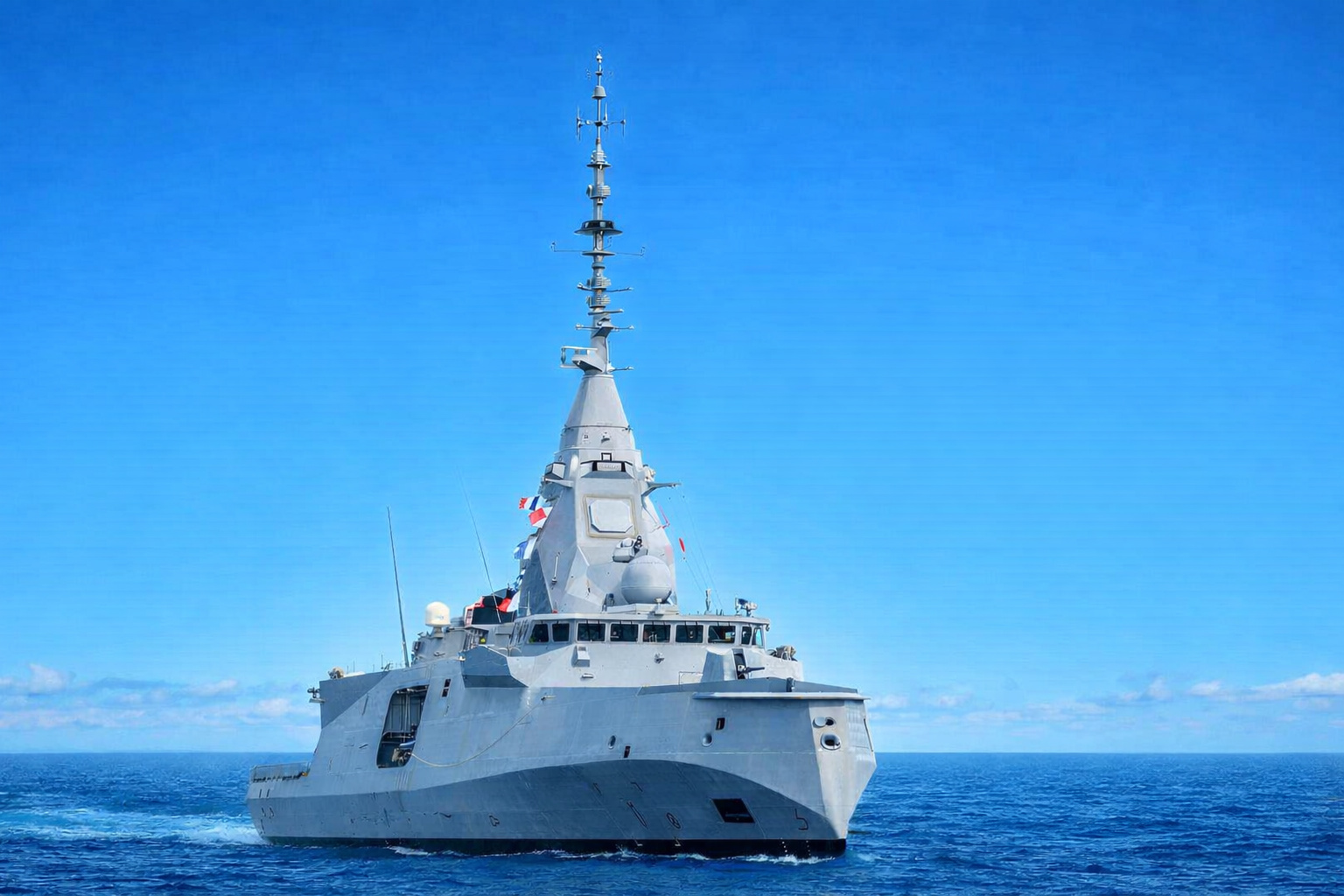
A 4,500-ton frigate with just over 100 crew members, state-of-the-art radar, and cruise missiles is being touted as the new standard of naval warfare in the 21st century.
-
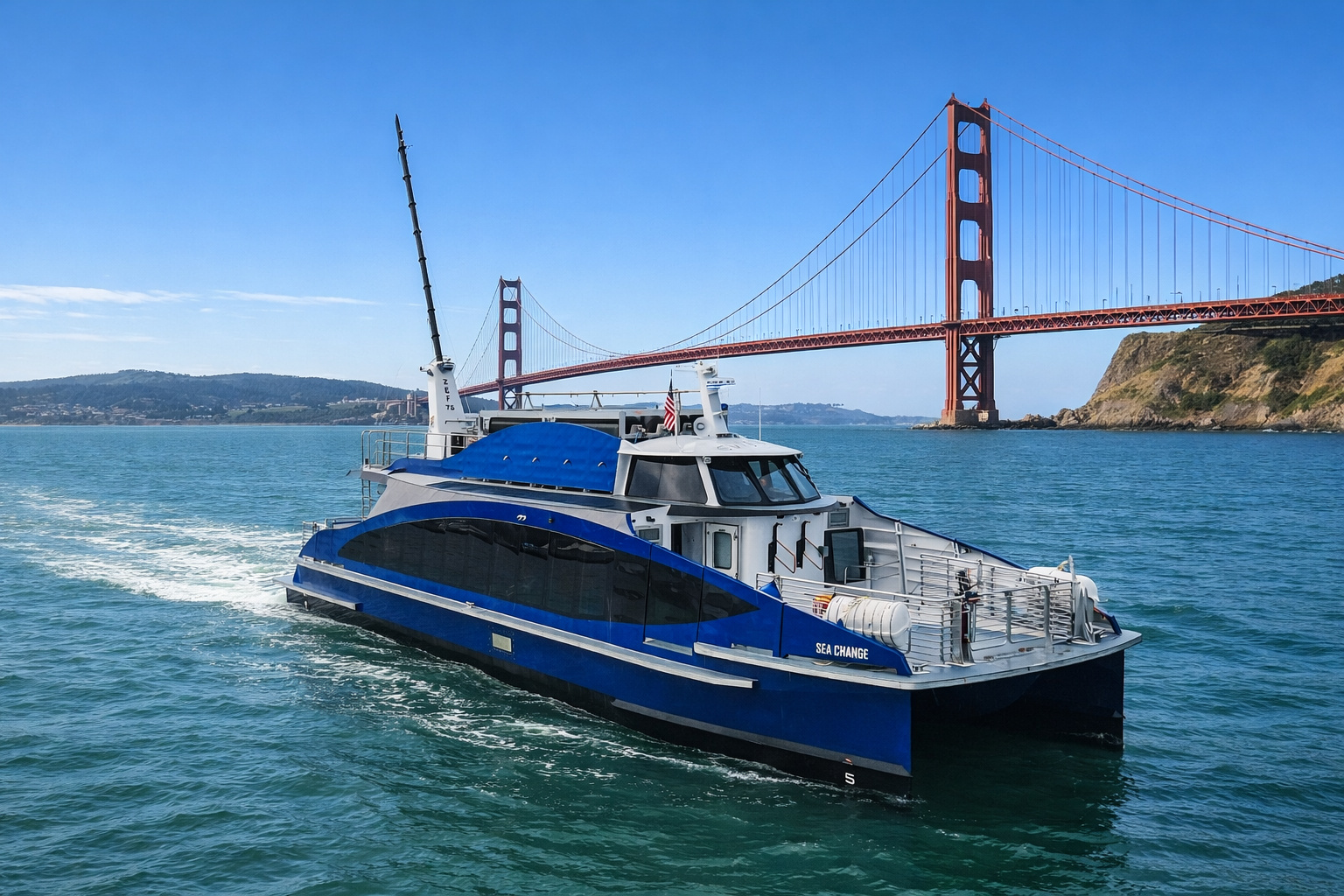
The first commercial hydrogen-powered ferry enters operation in the U.S., eliminates the use of diesel, uses fuel cells to generate clean energy on board, and transforms San Francisco Bay into a landmark of the new era of emission-free navigation.

Although it did not have its own propulsion system, FLIP was moved by tugboats and equipped with diesel generators to power its scientific operations. The platform featured two internal laboratories where scientists could install equipment and analyze data from various sensors. One of the most notable instruments was a high-precision Doppler sonar developed by the Naval Physics Laboratory.
After 60 Years of Service, FLIP Was Decommissioned in 2023 Due to Funding Cuts and the Impact of the COVID-19 Pandemic
The United States Navy decided to redirect resources to new projects and naval technologies. On August 3, 2023, the structure of FLIP was sent to a scrapyard, marking the end of an era of significant contributions to oceanographic science.
While FLIP has been retired, other research vessels continue to play a crucial role in exploring the oceans. One example is the RV Falkor 2, originally an offshore support vessel, which was converted into a research ship by the Schmidt Ocean Institute. Equipped with modern laboratories and advanced technology, Falkor 2 conducts a wide range of oceanographic studies.
Research Vessels Like Falkor 2 and Other Seismic Vessels Are Essential for Mapping the Ocean Floor and Exploring Potential Oil and Gas Reserves
They use geophysical streamers and other instruments to collect detailed data about the marine subsurface, helping to identify structures and potential natural resources. Understanding the oceans is vital for preserving marine ecosystems and for sustainable development. The naval technology of the United States Navy continues to lead advances in this field, providing tools and platforms for scientists to explore and protect the seas for future generations.








Seja o primeiro a reagir!