





 Portuguese
  English
  Spanish
  6 min of reading
  0 comments


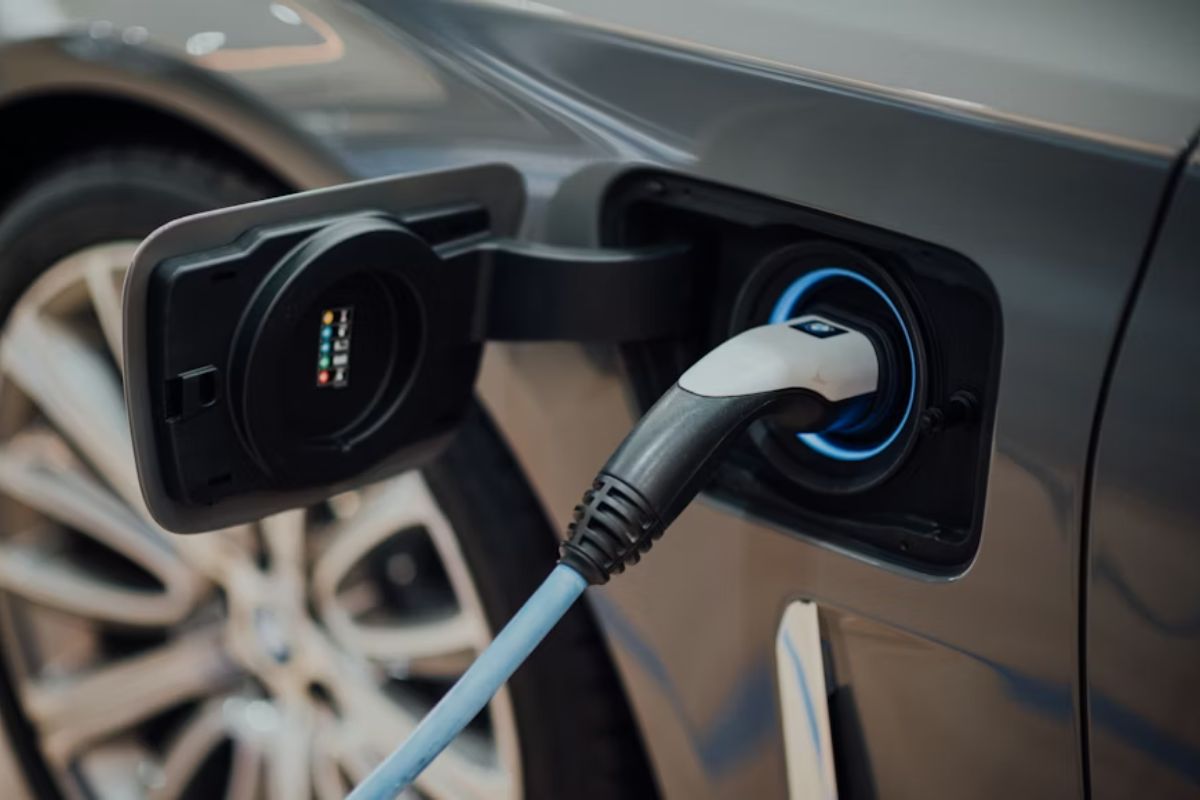
Mark Carney’s Government Swaps Mandatory Market Target for Incentives of Up to C$ 5,000 for Electric Vehicles, Tightens Emission Rules and Tries to Balance Pressure from the United States and China
Canada has decided to redesign its strategy for electric vehicles in a way that seems contradictory at first glance. Mark Carney’s government is revoking the national mandate for electric model sales, but at the same time will inject billions of dollars in direct incentives for the purchase, leasing, and charging of these vehicles, in addition to creating stricter emission standards for the coming years. This is not a simple retreat; it is a tool swap: the direct obligation is out, and a package of money and climate regulations is in.
Surrounding this movement is a complex board. The European Commission has already relaxed rules that were too strict on combustion engines, the United States has cut important tax credits for electric vehicles, and China is competing for space in the North American market with tariffs, quotas, and agreements. Canada is trying to position itself as a “climate leader” without losing industrial competitiveness and without being tied to the strategy of either giant.
From Obligation to Cash in Hand: How Much Will Canada Pay for Electric Vehicles
Carney announced that the country will allocate about C$ 2.3 billion to finance incentives of up to C$ 5,000, approximately US$ 3,653, for the purchase or leasing of electric vehicles by individuals and businesses.
-
A French brand placed a car on four huge red balloons to prove that its suspension made the vehicle “float,” and the surreal scene became one of the most iconic and unusual images in automotive history.

-
Jeep Avenger begins production in Brazil, debuting as the brand’s new entry-level SUV and inaugurating an unprecedented phase by becoming the first national Jeep manufactured outside of Goiana, as part of a R$ 3 billion plan.

-
Costing R$ 12,490, the new Shineray Urban Lite 150 “cheap one” arrives in Brazil with a CVT transmission, digital dashboard, and LED lights, making it more affordable than the Biz and targeting those who want to abandon the bus.

-
Ducati brings to Brazil the Superleggera V4 Centenario: 228 hp that become 247 with a track kit, carbon fiber and carbon-ceramic brakes, estimated price between R$ 1.5 and 2 million, deliveries only in 2027.


Additionally, there will be C$ 1.5 billion to expand charging infrastructure, a classic bottleneck for those considering a complete switch to electric cars.
In practice, the government is saying it prefers to convince consumers to adopt electric vehicles with money and infrastructure rather than just imposing a market share target.
The package also includes up to C$ 3.1 billion for the Canadian automotive sector, aiming to help manufacturers make the costly and risky transition to electric cars.
This is a direct message to the industry: Canada wants electric vehicles, but is willing to share the cost of the transition.
Instead of Mandatory Target, Stricter Vehicle Emissions
Under the previous government, led by Justin Trudeau, Ottawa had determined that 20% of all vehicles sold by 2026 must be emission-free. The measure, intended to accelerate the adoption of electric vehicles, was poorly received by manufacturers who claimed unsustainable costs and practical difficulties in reaching the target.
Carney decided to take a different route. Instead of maintaining the sales mandate, Canada will introduce more stringent emission standards between 2027 and 2032.
According to the government, this package of rules is expected to help the country reach 75% of electric vehicle sales by 2035 and 90% by 2040. The logic is to focus on the final outcome of pollution, rather than necessarily the label of the type of engine.
For the Prime Minister, replacing the rigid target with vehicle emission standards “focuses on the results that matter to Canadians” and avoids excessive burdens on the national automotive industry.
From the official viewpoint, this keeps Canada as a “leader in climate change,” even with the retreat on the sales mandate.
Environmentalists vs Industry: The Rift Over Electric Vehicles
The change has divided opinions. Environmental groups view the new strategy as a step backward. Sam Hersh from the organization Environmental Defence described the plan for electric vehicles as “a huge setback,” arguing that the current relief for manufacturers may translate into larger problems in the long run.
In his assessment, the industry may enter an “inevitable decline path” if it does not accelerate the pace of electrification.
On the other side, the Canadian Vehicle Manufacturers Association praised the announcement. For manufacturers, funding for purchase incentives and the expansion of charging infrastructure are exactly the push needed for electric vehicles to gain critical mass without breaking the sector.
There are also those who celebrate for another reason: the Consumer Choice Center, a consumer advocacy group, stated that it has always been wrong for the government to “dictate to Canadians what type of car they should buy.”
In the midst of this rift, the government is trying to balance itself. While easing the obligation for electric vehicles, Carney tightens emissions and opens the coffers for anyone wishing to buy or produce electric models.
United States Tightening Combustion? No. Canada Tries to Differentiate
While Canada expands incentives for electric vehicles, the United States is moving in the opposite direction in some areas. Washington ended a long-standing tax credit of US$ 7,500 for electric cars in September, reducing the immediate economic appeal of many models.
Since Donald Trump took office, the country has taken measures to facilitate the sale of gasoline vehicles, favoring traditional engines.
In Europe, the European Commission agreed to suspend the ban on new internal combustion engine cars starting in 2035, given the slower-than-expected adoption of electric vehicles.
Canada positions itself at an intermediate point: it follows some movements from Europe while maintaining a financial support for electric vehicles that is much more robust than what the United States offers today.
The Prime Minister of Ontario, Doug Ford, called the new strategy a “crucial” moment, pointing out that the Canadian economy and sovereignty are under attack from Trump’s policies.
By reinforcing electric vehicles with funding and environmental requirements, Canada is trying to shield its industry from shocks coming from Washington.
Electric Vehicles in the Middle of the Trade War with the US and China
The policy for electric vehicles is also linked to a broader trade dispute. Carney criticized the damage of American tariffs to the North American automotive sector, which is highly integrated among Canada, the United States, and Mexico, and advocated for trade diversification focused on domestic production.
Canada has decided to maintain retaliatory tariffs on imports of automobiles from the United States while simultaneously advancing an agreement with China.
In a preliminary understanding, the country will allow the import of up to 49,000 Chinese electric vehicles with a 6.1% tariff, following the principle of most favored nation. This quota is expected to rise to around 70,000 units in five years.
However, there is a clear limit: Chinese electric vehicles will not be eligible for Canadian government incentives. This means they enter the market, help increase supply and competition, but do not consume the public budget allocated for electric vehicle incentives.
At the same time, the government wants the partnership with China to result in new investments from Chinese joint ventures in Canadian territory, strengthening local production.
The Less Visible Side: Oil, Electricity, and Climate Credibility
Not all recent decisions align with the narrative of climate leadership. In November, the federal government dismissed a planned emissions limit for the oil and gas sector and abandoned rules on clean electricity aimed at encouraging investments in less polluting energy generation.
This creates an ambiguous picture. On one hand, Canada injects billions into electric vehicles, tightens vehicle emissions, and sets ambitious goals for electric participation in sales.
On the other, it retreats from structural measures related to the energy matrix and the fossil fuel sector. The question remains whether the transition driven by electric vehicles will be sufficient to offset these concessions on other fronts.
Still, Carney insists that the country continues to be a “leader in climate change” and promises, in the coming weeks, a climate competitiveness strategy that better ties together all these movements.
In the end, Canada chose a more complex path for electric vehicles: without directly mandating anyone, but combining money, stricter emissions, and tough geopolitics with the United States and China.
In your opinion, is this blend of incentives and emission targets enough to finally accelerate electric vehicles in Canada, or will the lack of direct obligation still delay the fleet transition?









-

2 pessoas reagiram a isso.