





 Portuguese
  English
  Spanish
  6 min of reading
  0 comments



The Historic Price Hike, Advertising Pressure, and the Symbolic Weight of the Car Created a Cycle of Consumption That Is Hard to Break. Even with Long Financing and a Tight Budget, Many Brazilians Keep Pursuing the Image That the Automobile Promises
The automobile occupies a central space in the advertising industry and in the way people construct their own identities. The pressure to buy a new car is not only linked to the functioning of the vehicle but mainly to what it represents in the collective imagination.
The purchase of a new car connects to the desire to express status, lifestyle, and social recognition. In this context, the car says much more about the consumer’s unconscious than about any technical specification presented in the catalog.
The search for this meaning is part of the routine of many people, even in the face of the continuous increase in prices over the past few years.
-
These are the drivers who may stop paying tolls on highways in a project that promises to reduce costs for those who live from transportation in Brazil.

-
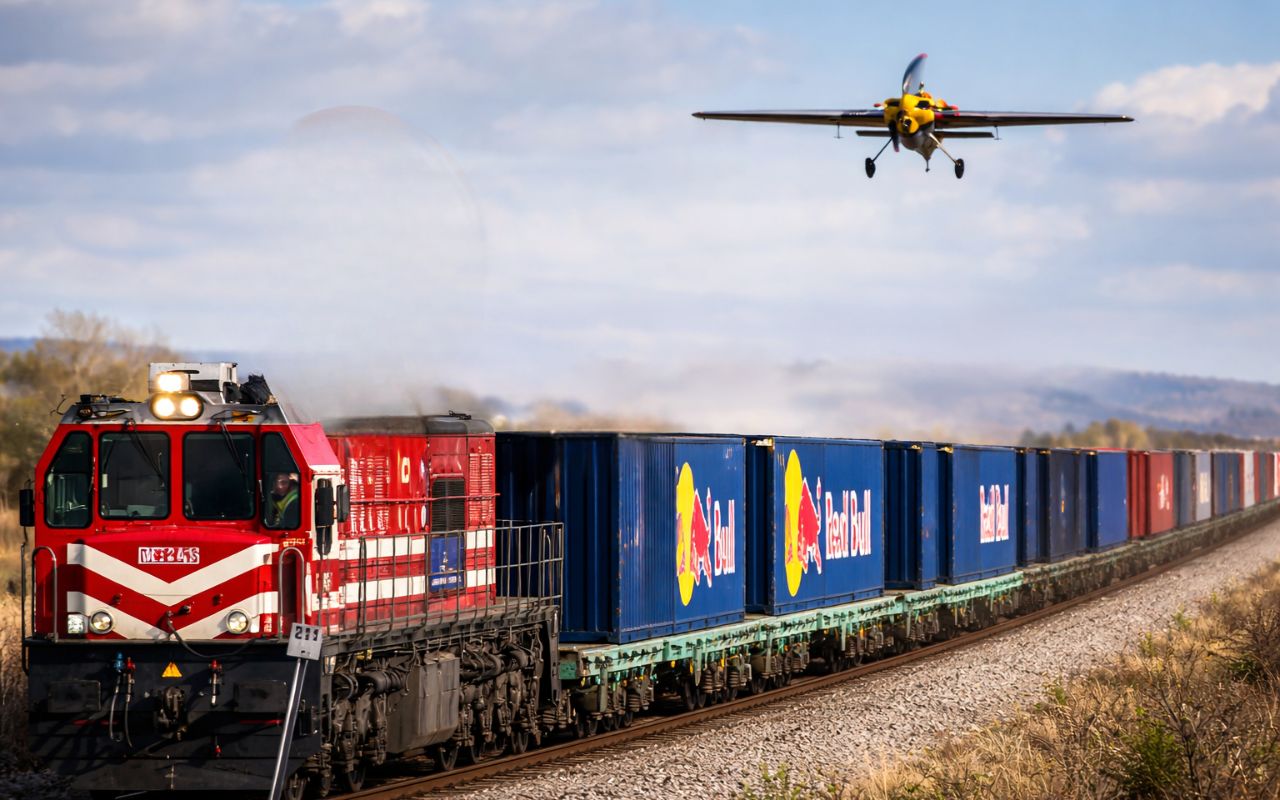
(Video): Italian pilot lands plane on moving train at 120 km/h and achieves unprecedented feat in aviation, even with a narrow runway and without direct visual contact.
-
It seems to have come out of a science fiction movie: A Brazilian city where it rains almost every day, recording over 4,000 mm per year, driven by climatic factors — a direct result of its strategic location in the Amazon.

-
The water crisis that could change everything this year has already begun; it’s not just about the climate, it affects technology, raises product prices, and can halt entire companies without warning.


The perception that prices would reach a limit did not materialize. The cost of new vehicles continues to rise and raises questions about why so many consumers take on long loans with high installments. This phenomenon persists despite the crisis, increasing debt, and the reality of the Brazilian market.
The Price Surge and the Consumer’s Persistence
The evolution of car prices in Brazil is a recurring topic among those interested in the sector. The cheapest new vehicle costs around 75,000. The average for new cars sold today ranges between 130,000 and 140,000. Even so, consumers continue to enter long financing arrangements to acquire a new model.
The expectation that the increase would be temporary ended up being frustrated. Many people believed that prices would hit a limit and that correction would happen naturally. This scenario did not materialize, and the market adjusted to this new reality.
The search for a new car remains strong, driven more by consumption habits rooted in emotion and symbolism than in rational analysis.
In parallel, there is the recurring discourse that consumers are making a technical choice. However, the construction of this choice is already influenced by years of exposure to advertising, which shapes perceptions and reinforces desires. What is understood as a rational decision often already starts conditioned.
The Role of Advertising in Forming Desire
The advertising industry has transformed the way consumers see the car. Campaigns do not highlight items such as safety, fuel consumption, suspension, or airbags. The focus is always on the image that the owner will convey while driving a particular model. A vehicle becomes a symbol and not just a means of transportation.
Sports cars associate the driver with adventure, confidence, and an exploratory attitude. SUVs project the image of someone modern, urban, family-oriented, and contemporary. Pickup trucks evoke strength, ruggedness, and a connection to nature. The message is always the same: those who buy a specific car become specific people.
This aesthetic construction is clearly present in recent advertisements. The ad for the Fastback, for instance, uses superhero elements to reinforce the idea of power, prominence, and personal shine. The technical element is secondary. The main narrative is the symbolic transformation.
The Illusion of Others’ Perception and the Desire for Recognition
The reflection present in studies on financial behavior shows that consumers admire the status associated with a vehicle rather than its mechanical capability. When seeing someone driving an expensive car, the initial impression is one of wealth and success. Interestingly, the observer almost never pays attention to the person behind the wheel. They observe the car and imagine themselves being observed, creating a continuous illusion.
This behavior reinforces a cycle in which the consumer wants to experience being noticed, even if it doesn’t actually happen. Social expectations become part of the motivation for purchase. This logic helps to understand why so many Brazilians finance cars above their financial means.
The Personal Experience with the First Car and Its Impact on the Budget
Many people go for years without a car and only manage to acquire their first vehicle around the age of 30. The purchase requires responsibility, planning, and cost analysis. Ongoing maintenance, insurance, fuel, and taxes add to the installment cost. The car becomes a liability that loses value the moment it leaves the dealership.
There are situations where the owner loses thousands of reais within a few weeks due to mechanical problems or immediate depreciation. This reinforces the perception that the vehicle, although necessary in many regions of the country, should not be seen as an investment but as a fixed expense.
The cost of owning a new car is high and takes up a significant part of the family budget. Many people are willing to pay installments that consume half of their salary without considering additional expenses. The pursuit of status ultimately leads to financial imbalance and prolonged debt.
The Importance of the Automobile in Brazil and the Attachment to Zero Kilometers
Even in the face of high costs, the automobile is essential in much of the country due to the inadequacy of public transportation. Cities with subways are exceptions. The need for mobility makes the car a basic tool for quality of life, but that does not explain the insistence on frequent exchanges or the search for zero kilometers.
The desire for a new car is linked to the perception of success and social ascension. The market benefits from this behavior and offers long financing that makes entry easier but increases income commitment. For many consumers, a used car perfectly fulfills the transportation function but does not meet the symbolic desire constructed by advertising.
The Decision to Maintain a Car Compatible with the Budget
When consumers recognize that the car represents a high fixed cost, the idea of keeping a used and reliable model becomes more reasonable. Choosing a vehicle within the budget allows for planning, peace of mind, and financial stability. Regular maintenance and basic care ensure the longevity of the automobile and avoid unexpected expenses.
The comparison between a simpler car and a high-value model reveals that the practical difference is minimal in most cases. The distinction lies in the projected image, not functionality. Recognizing this reduces social pressure and encourages more conscious choices.
The Psychological Impact of Temptation and the Cycle of Constant Exchange
The industry works to keep consumers constantly tempted to change cars. With each new model launched, campaigns reinforce the feeling that the current model is no longer sufficient. This mechanism fuels a continuous cycle of dissatisfaction and desire.
Resisting this pressure requires clarity about one’s own financial and emotional priorities. The car should serve the owner and not the other way around. When a person frees themselves from the need for projection, they begin to see the vehicle as a tool rather than a symbol.
Final Reflections on Consumption and the Brazilian Reality
With prices ever-increasing, maintaining a car in Brazil has become a challenge. The vehicle fulfills an essential function, but it can compromise financial stability when chosen above real possibilities. Annual costs can reach thousands of reais, including fuel, maintenance, insurance, and taxes.
Choosing a car that fits the budget is a way to avoid debt and financial stress. Conscious consumption allows people to live in balance and without yielding to the pressure of advertising campaigns that sell lifestyles.
The debate about new cars in Brazil remains open. Each consumer evaluates their own needs and experiences. Reflecting on the meaning of automobiles in daily life helps to make saner decisions aligned with each person’s financial reality.









Seja o primeiro a reagir!