





 Portuguese
  English
  Spanish
 4 min of reading
  0 comments


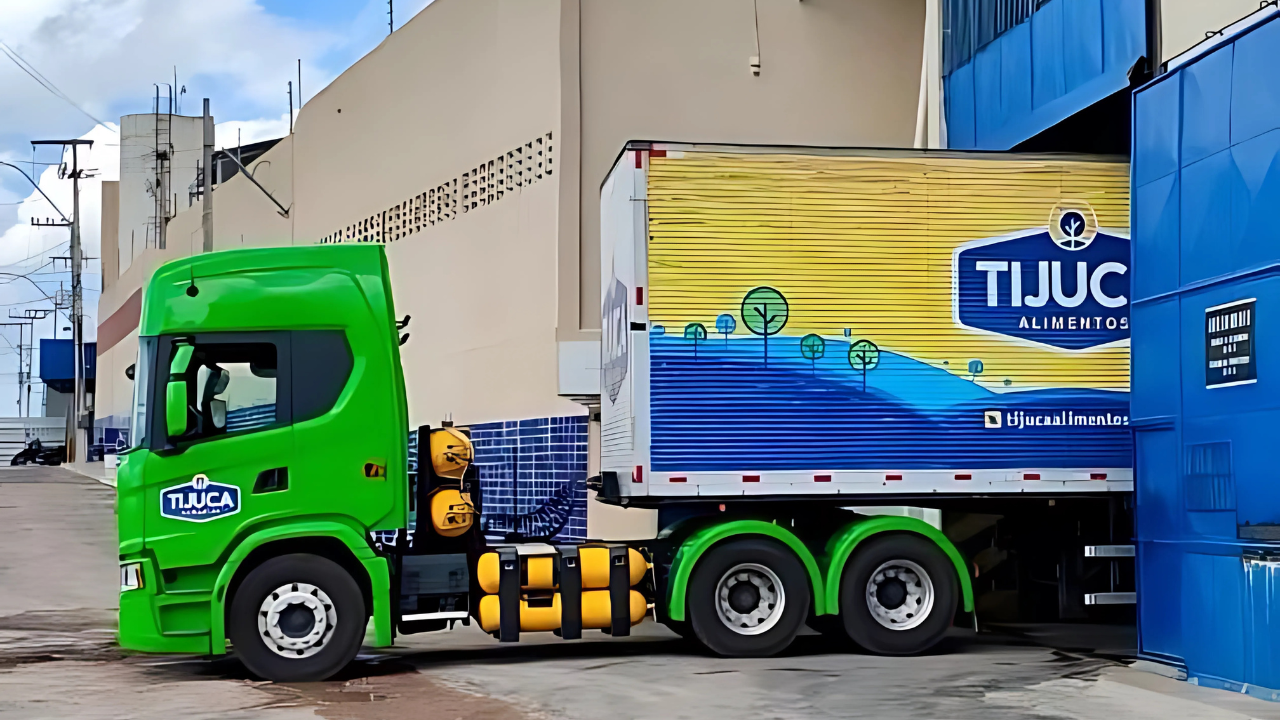
Cleaner Transportation! Cegás Expands Use of Natural Gas on Highways and Aims at Public Buses in Fortaleza, Ceará State.
Reduction of pollution, fuel savings, and more efficient mobility. These are some of the goals of the Ceará Gas Company (Cegás), which is expanding the use of natural gas across various transportation modalities in the state.
With two sustainable corridors – one already in operation and another in the implementation phase – and projects aimed at public and even rail transportation, the company positions itself as a key player in the energy transition in the Northeast.
Cegás’s bet goes beyond road logistics: it also engages with sectors such as health, public safety, and even rail transportation. The investments for 2025 reinforce the commitment to sustainability and innovation.
-
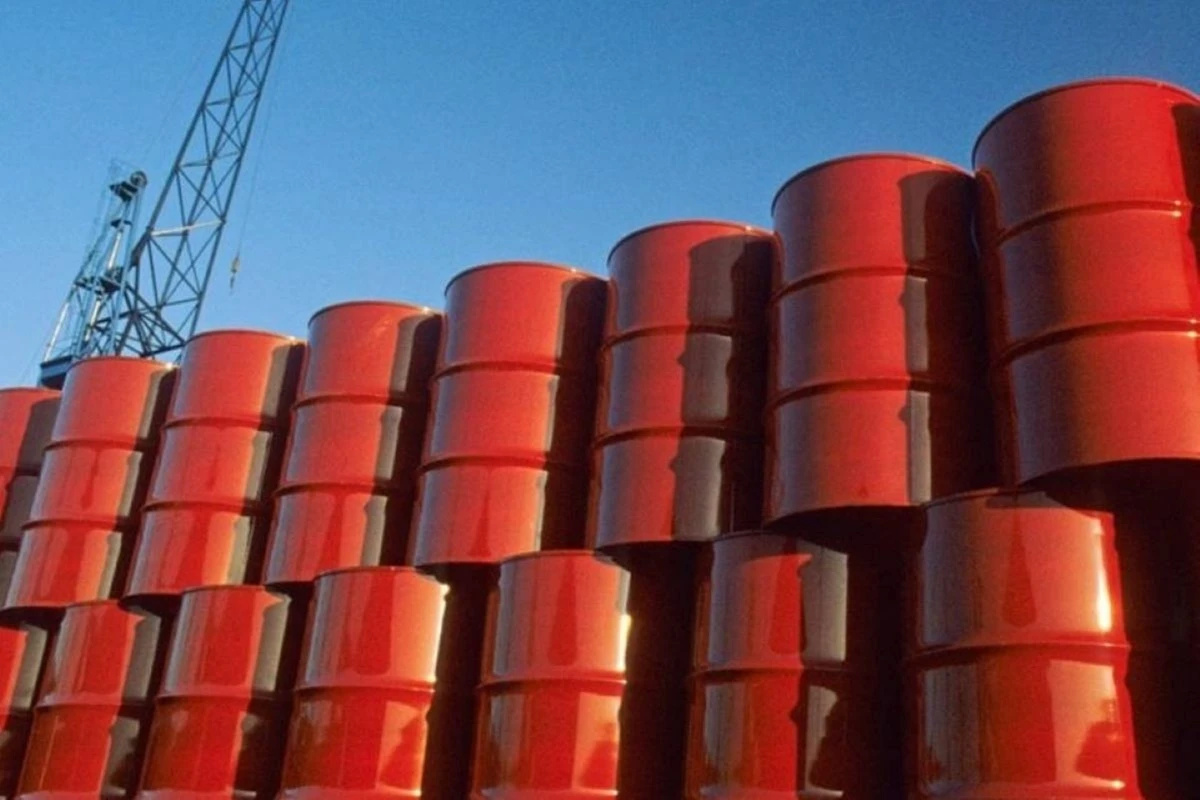
New escalation of tensions and oil crisis in the Middle East forces world powers to accelerate energy transition plans.
-
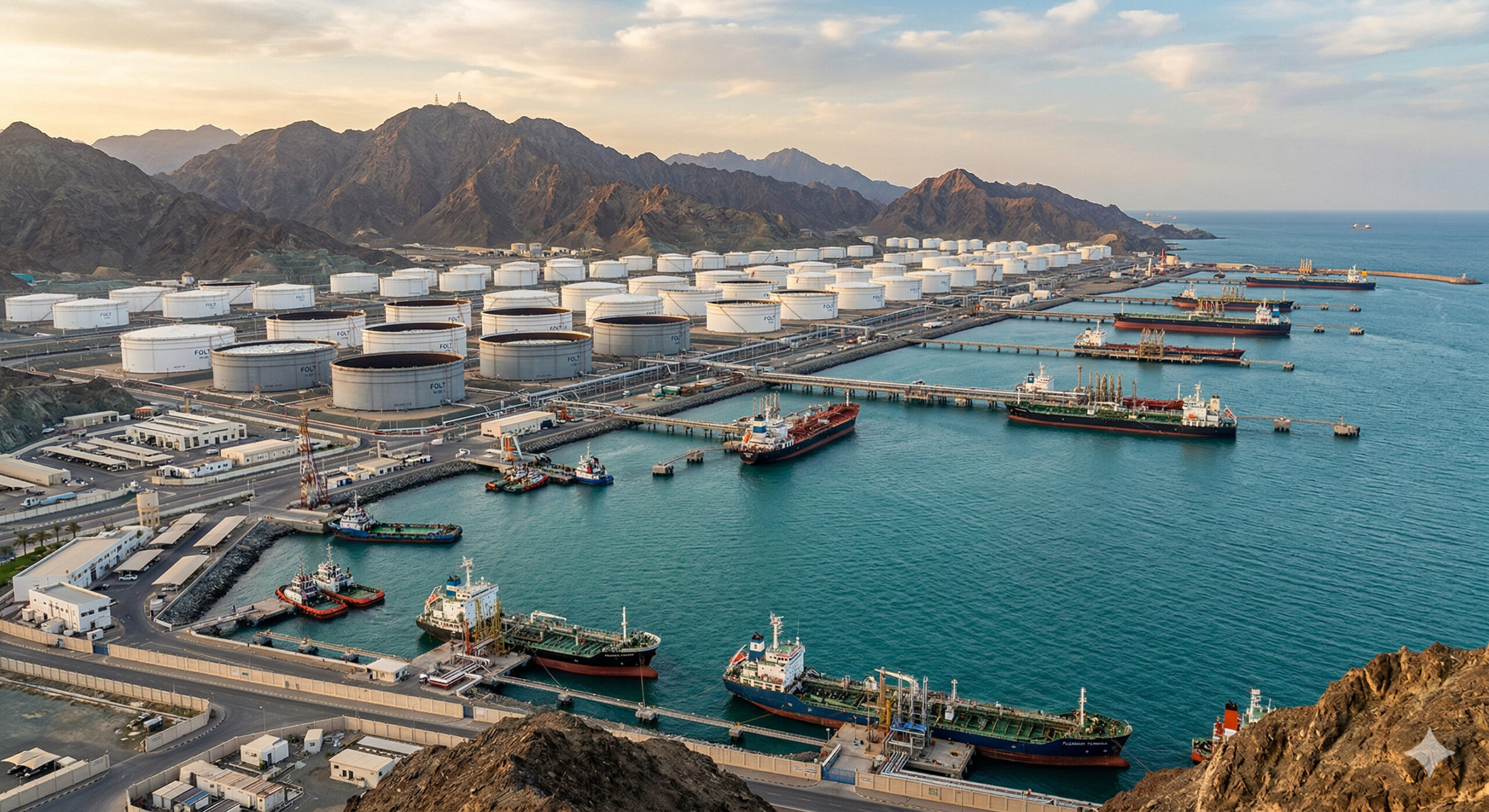
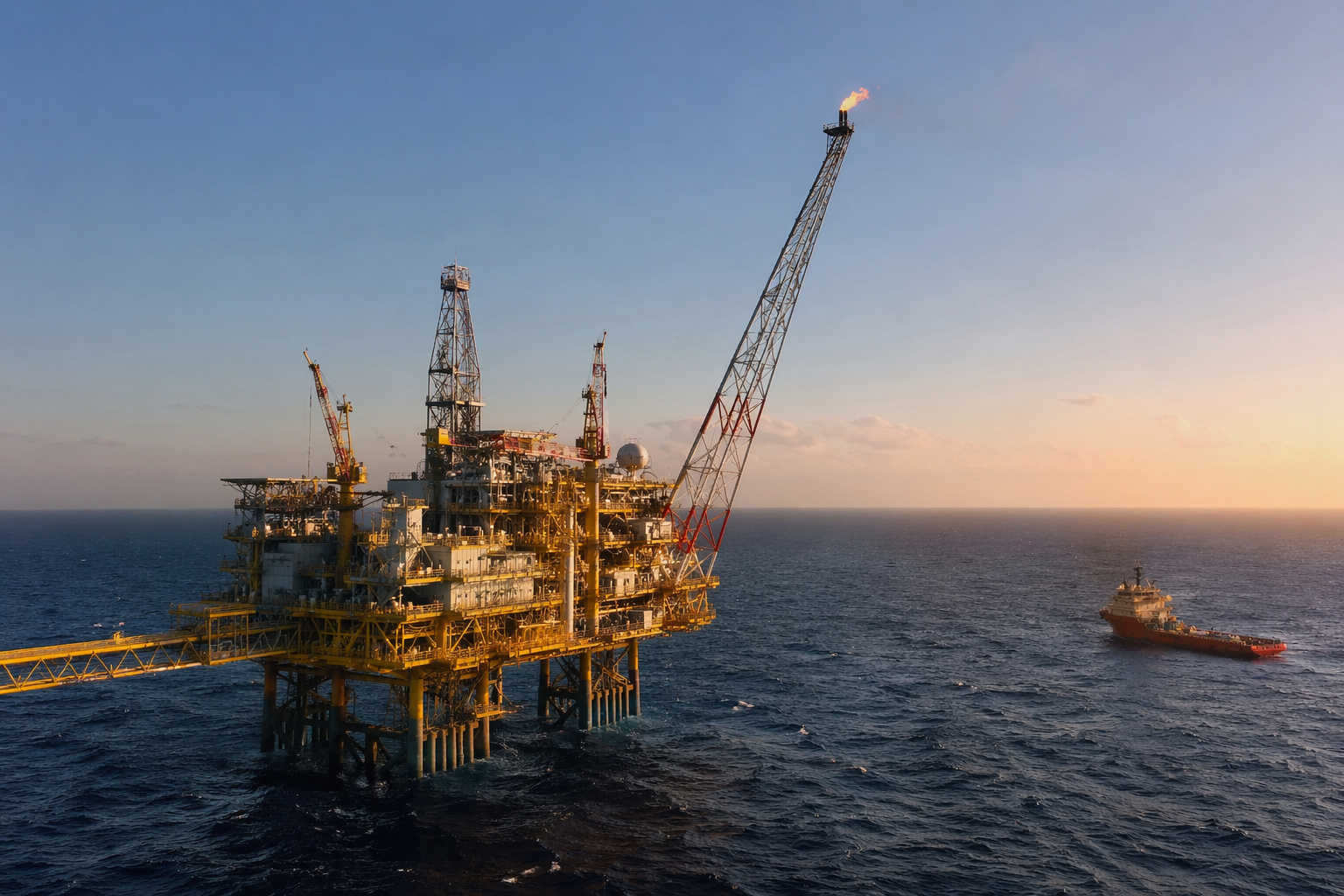
Giant reservoirs with a capacity of 18 million cubic meters have turned Fujairah into one of the largest energy vaults on the planet. This facility, located outside the Strait of Hormuz, stores oil on a colossal scale and has become a silent piece that supports the global flow of fuels.
-
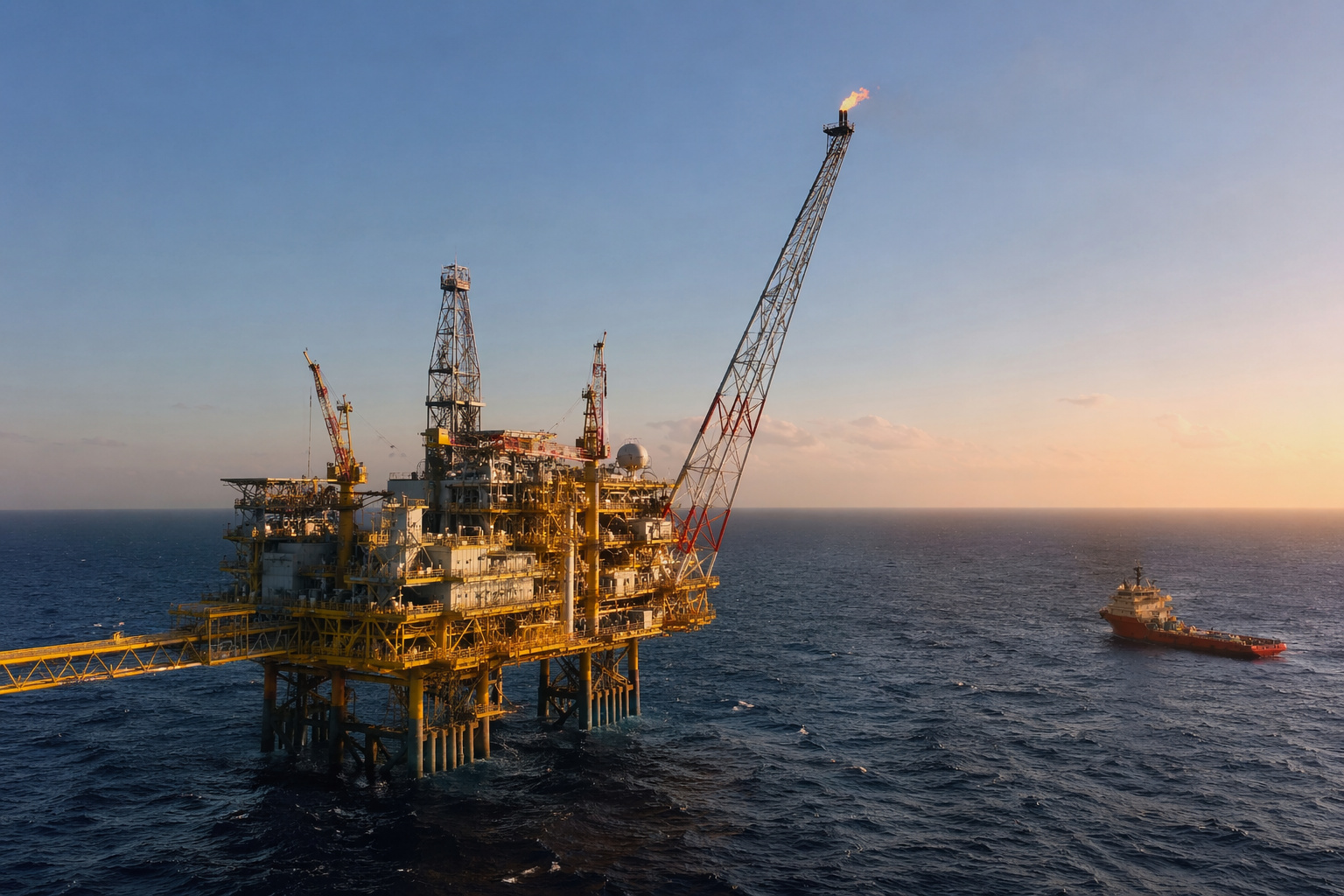
The next exploration auction in the pre-salt will offer 23 blocks in the Campos and Santos basins and may change the interest of oil companies in Brazil.
-
The next exploration auction in the pre-salt will offer 23 blocks in the Campos and Santos basins and could change the interest of oil companies in Brazil.
Sustainable Corridors: CNG Accelerates Cargo Transport
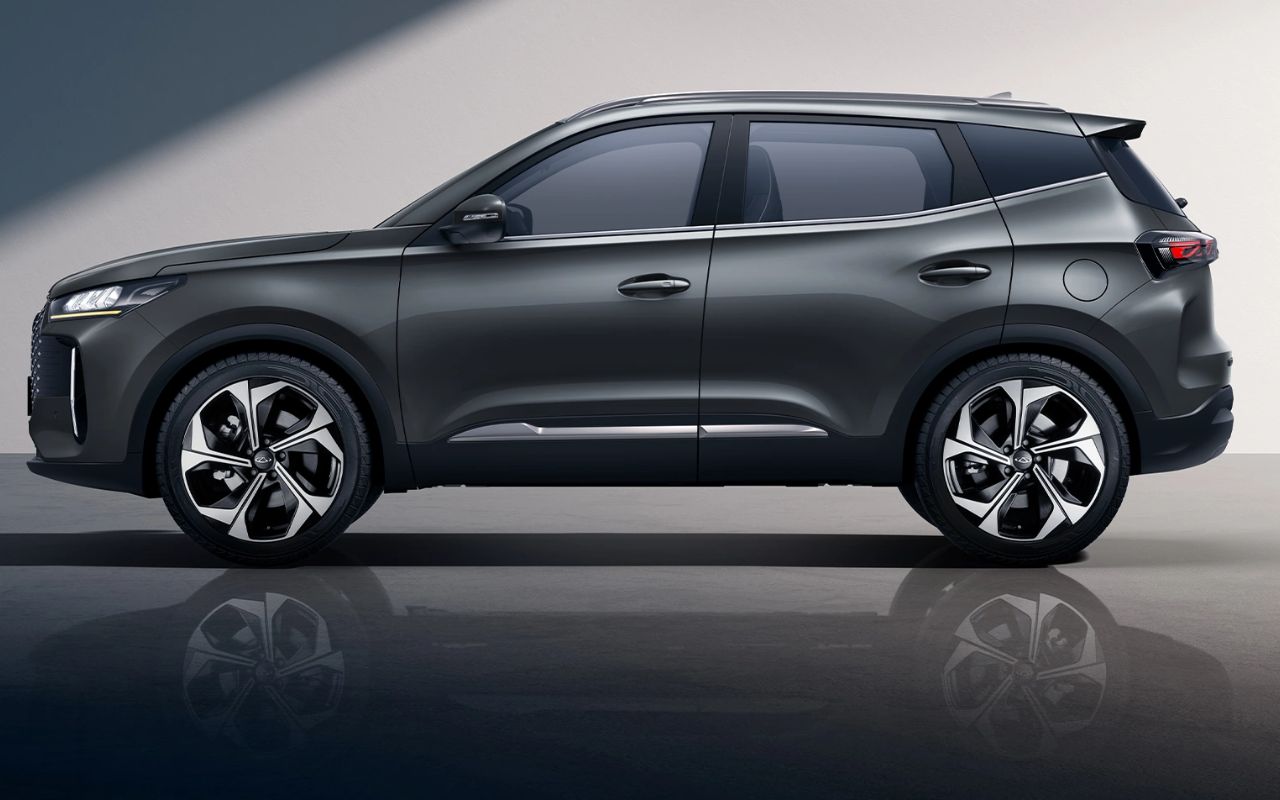
Cargo transport is where Cegás is already seeing concrete results. One of the main ongoing projects is the creation of sustainable corridors for the supply of trucks with compressed natural gas (CNG), a fuel that emits fewer pollutants and offers savings compared to diesel.
The route of BR-101, which connects seven states in the Northeast, is already in operation.
Now, the company is advancing with the implementation of a new logistics corridor on BR-116, focusing on the flow of agricultural production, especially fruits, to the Port of Pecém.
“BR-116 has a significant cargo movement from the interior of Bahia to Ceará. We are working with the other states in the Northeast to solidify this corridor, especially to cater to the flow of products like fruits, in addition to industry and commerce,” explained Gustav Costa, technical and commercial director of Cegás.
With the installation of high-flow nozzles, the refueling of heavy vehicles with natural gas will be faster and more efficient, meeting the needs of the logistics chain.
Gas Public Transport: Pilot Project in Fortaleza is in Study Phase
If cargo transport is already a reality, urban public transport powered by natural gas is starting to take shape.
Cegás is negotiating with the Urban Transport Company of Fortaleza (Etufor) a pilot project for tests with buses powered by CNG.
“We are beginning to break these barriers. Today, for example, we are developing a project with Etufor aimed at urban public transport of passengers using natural gas,” revealed Miguel Nery, president of Cegás, during an event on sustainable energy solutions in Fortaleza.
The project is being evaluated in partnership with the president of Etufor, George Dantas Paiva, and the technical director of the agency, Jardson Cruz. The next step involves presenting the results to Sindiônibus, the City Hall, and the State Government.
The inspiration comes from abroad: “In Bogotá, the urban fleet is almost entirely powered by gas — there are about 1,200 buses. This shows that it is feasible,” highlighted Nery.
Natural Gas Could Reach Official Vehicles, Ambulances, and Even Metrofor
Cegás is also evaluating the use of natural gas in official government vehicles, such as police vehicles and ambulances.
Additionally, there are discussions with Metrofor to analyze the possibility of converting locomotives to gas operation.
These initiatives are part of a broader strategy of the company to reduce pollutant emissions and diversify the energy matrix of transportation in Ceará.
“You have significantly lower carbon emissions, 90% less particulate matter, and fewer nitrogen oxide emissions compared to diesel and gasoline,” explained Gustav Costa.
Currently, Cegás serves 14 municipalities, with 11 having piped gas and 3 with compressed natural gas (CNG).
In total, there are more than 720 km of network and about 60 stations offering CNG in Fortaleza and the Metropolitan Region. The expansion plan also includes regions such as Cariri, Sobral, and Jaguaribana.
“We have an investment forecast of R$ 47 million for this year, within an annual average that varies between R$ 47 and R$ 50 million,” informed director Gustav Costa.
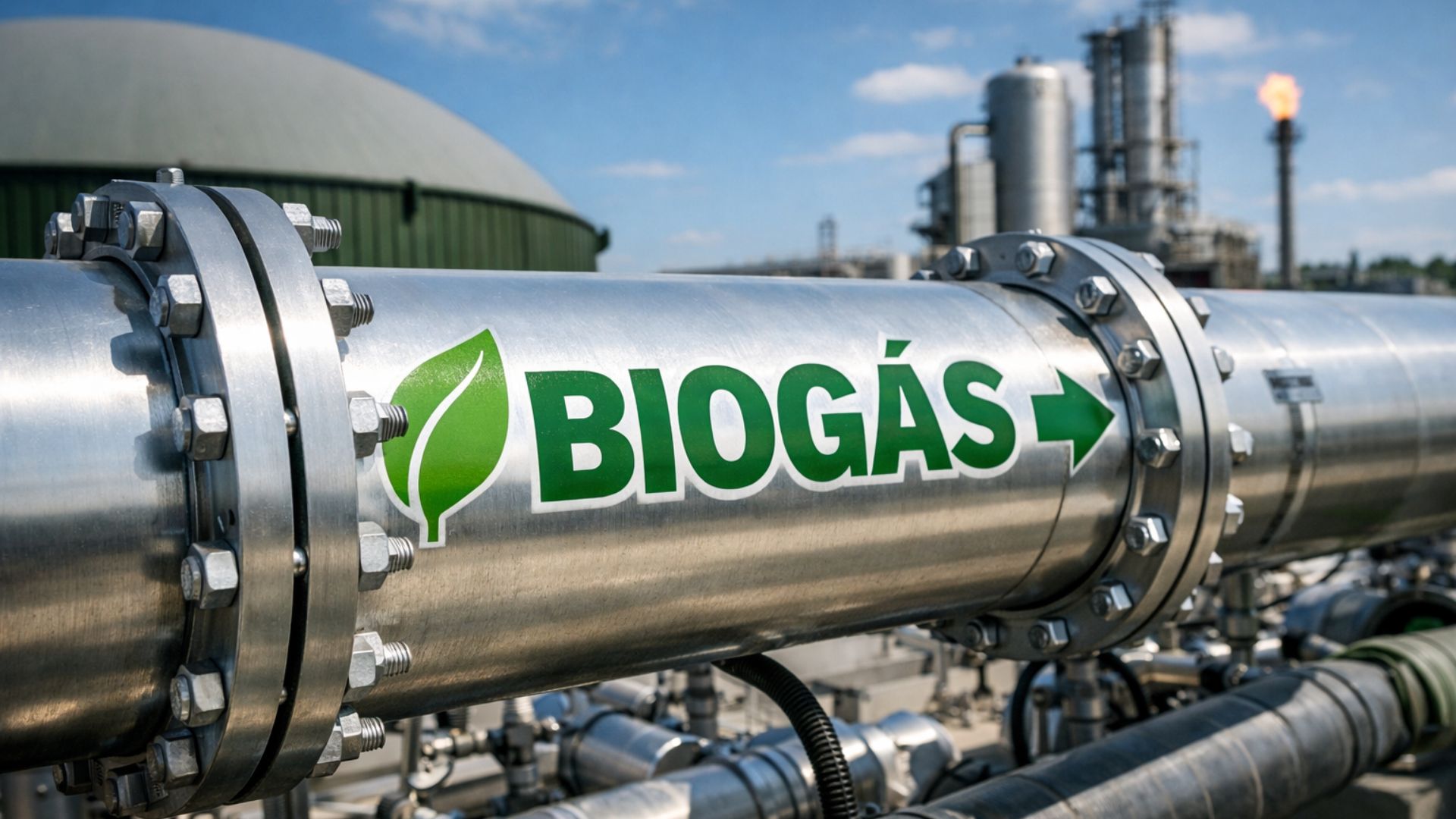
Part of the gas distributed in Ceará contains up to 15% biomethane, generated from waste from the landfill in Caucaia, contributing to a cleaner and more circular economy.
New Energies: Green Hydrogen Project in Initial Phase
In addition to natural gas, Cegás is also keeping an eye on the future. In partnership with the Federal University of Ceará (UFC), the company is developing a conceptual project for the production of green hydrogen, reinforcing its commitment to energy innovation.
“We are in the initial phase of discussions with a partner company. UFC has already presented the conceptual project, and now we will evaluate the technical and economic viability of the proposal,” said Miguel Nery.
With the opening of the gas market in Ceará, Cegás sees opportunities to expand the industrial base of the state. The company advocates for the creation of attractive tax policies to facilitate the migration of industries to the use of CNG.
“We want to enhance industrialization, whether with companies that already use gas, that can migrate to CNG, or new ones that want to settle in Ceará precisely because of the competitive advantage of our gas,” concluded Gustav Costa.





Seja o primeiro a reagir!