





 Portuguese
  English
  Spanish
  3 min of reading
  0 comments


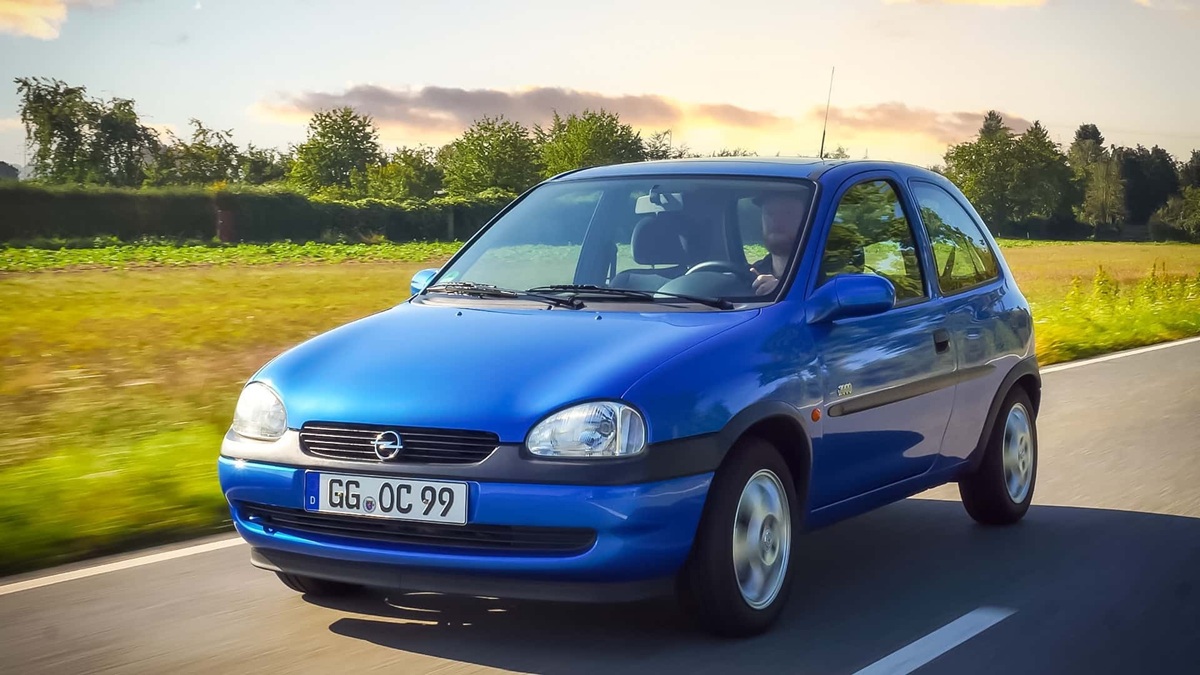
Cars Up to R$ 8,000 Continue to Draw Attention for Combining Low Consumption, Durable Engines, and Affordable Maintenance, Surpassing Even Used Electronics in Cost-Effectiveness
Cars in the R$ 8,000 range continue to spark interest among drivers seeking economy, durability, and simple maintenance. Among the most remembered options, two models stand out: the Corsa Wind and vehicles equipped with the traditional 1.0 engine found in the Palio and Corsa. The mechanical characteristics, low fuel consumption, and the price of parts help explain why these cars remain competitive for daily use.
Corsa Wind Draws Attention for IPVA Exemption and GM Engine
The Corsa Wind emerges as a strong alternative because, in many Brazilian states, it is no longer required to pay IPVA. The tax exemption combines with the fact that it uses the familiar GM engine used by Chevrolet since the 1980s.
This mechanical set is recognized for its durability and remained in production for decades, even reaching the most recent Onix 1.0, albeit with some updates. The engine’s economy reinforces the appeal of the Corsa Wind, allowing averages close to 10 km per liter in the city and about 13 km per liter on the highway, always with gasoline.
-
The car stored for 38 years: when opening the barn door, what appears is breathtaking and looks like a scene from a movie!

-
Fiat works miracles in the Brazilian market, lowers the price of its 0 km hatch to R$ 69,990, reestablishes the model as the cheapest car in the country, and reignites the battle against Kwid and C3.
-
Chevette with cooking gas: How the gas cylinder ends up being used in cars clandestinely and why this makeshift solution can result in leaks, explosions, damaged engines, and seized vehicles.
-
Fiat launches the new 2027 Toro hybrid with 48V, 176 hp, an electric motor of 15.5 hp, a 0.85 kWh battery, up to 7% fuel savings, 8% fewer emissions, and possible exemption from IPVA.


Moreover, GM cars from that era carried a legacy from Opel, marked by solid engineering, careful construction, and finishing considered very fine by many owners.
Maintenance Costs Reinforce Interest in the Model
One of the most cited points about the Corsa Wind is its low maintenance cost. Some figures help to quantify this advantage. The kit composed of the timing belt and tensioner can be found for approximately R$ 117. The pair of headlights costs around R$ 259.
These numbers make the model one of the most affordable for those needing savings both in everyday use and when repairing the vehicle. With low consumption, cheap parts, and IPVA exemption, the Corsa Wind positions itself as a solid choice within the R$ 8,000 range.
Palio and Corsa 1.0 Maintain Reputation for Durable Engines
Another group of models frequently mentioned in this category is the vehicles equipped with the 1.0 engine used in the Palio and the Corsa itself. The robustness of this mechanical set is so talked about that there is a comparison stating that everything in life ends, except for these engines.
The simplicity of maintenance is one of the key characteristics. The engine is described as inexpensive to maintain, economical, and efficient for everyday use. In many reports, these cars act as true workhorses, fulfilling daily tasks without generating significant expenses.
Consumption and Parts Cost Aid in Decision Making
Economy is also highlighted in the numbers. With gasoline, it is possible to achieve around 9.5 km per liter in the city and up to 12.5 km per liter on highways. These results keep the Palio and Corsa as competitive options, even against newer models.
The prices of parts follow the same logic. The kit with timing belt and tensioner costs approximately R$ 122. Meanwhile, headlights are priced at around R$ 175 each, values considered quite accessible for those looking to maintain the car in good condition without straining the budget.
Final Choice Depends on Intended Use
Within the R$8,000 range, both the Corsa Wind and models with the 1.0 engine from Palio and Corsa stand out as viable alternatives for those seeking economy, durability, and inexpensive maintenance.
With reliable engines, low-cost parts, and good fuel consumption, these cars continue to attract drivers who need a simple, functional, and economical vehicle. The final decision, therefore, will depend on the specific needs of each driver and the type of daily use expected.








-

-

-

5 pessoas reagiram a isso.