





 Portuguese
  English
  Spanish
  5 min of reading
  0 comments


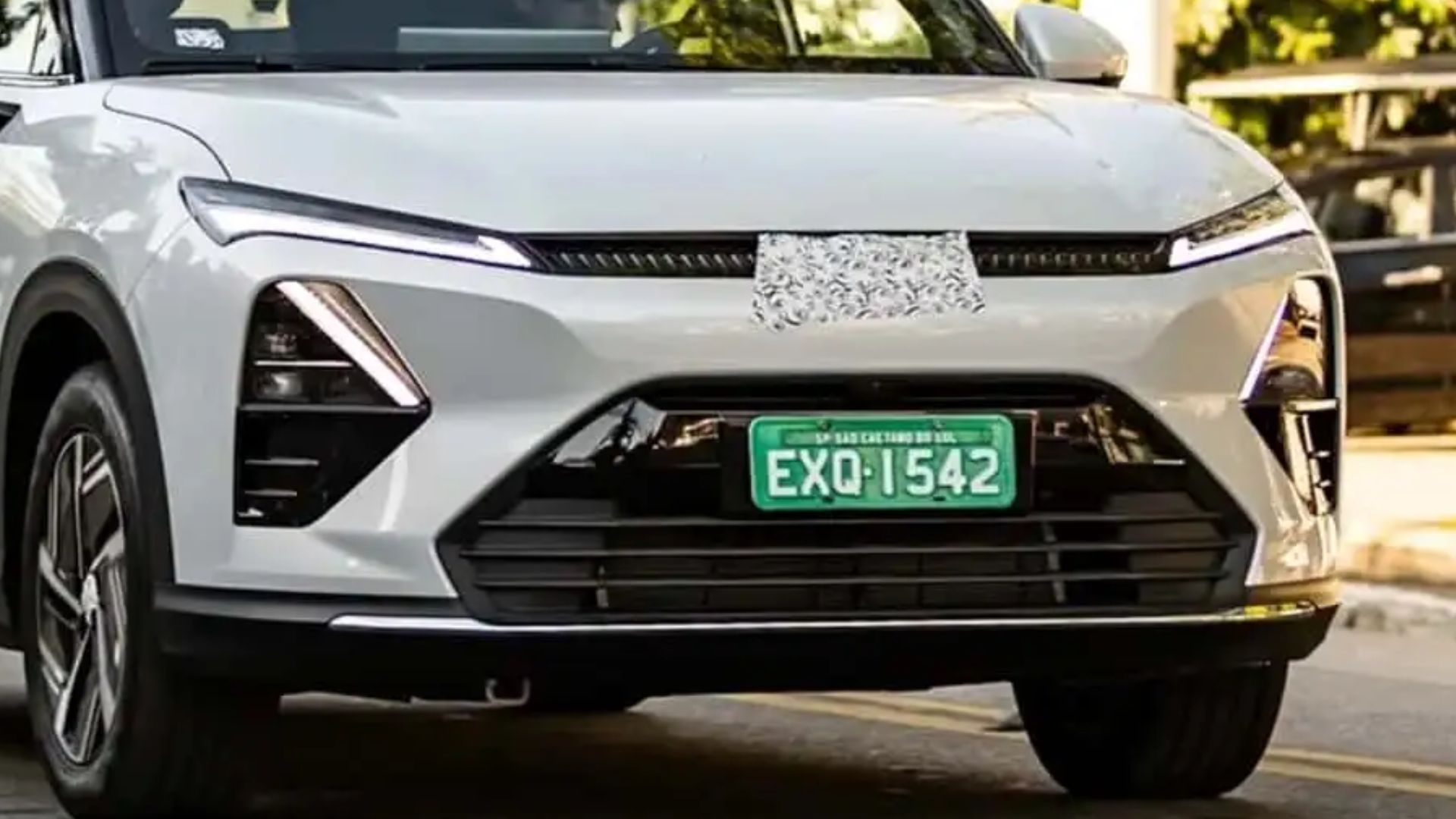
The New Electric SUV from Chevrolet Is About to Debut in Brazil, Showcasing Impressive Range, Updated Design, and a Focus on High Technology, with Final Testing Phase Evidenced by Near Uncamouflaged Appearances in São Paulo.
The Chevrolet Captiva EV is close to debuting in the Brazilian market, with its arrival expected by the end of 2025.
The SUV was discreetly presented on July 8, during an event renewing the brand’s compact line, but without technical specifications or prices announced at that moment.
Since then, the presence of the vehicle circulating with minimal camouflage on the streets of São Paulo, especially in the Avenida Europa area — known for automotive enthusiast gatherings — shows that the model is in an advanced phase of homologation and final testing in Brazil.
-
A French brand placed a car on four huge red balloons to prove that its suspension made the vehicle “float,” and the surreal scene became one of the most iconic and unusual images in automotive history.

-
Jeep Avenger begins production in Brazil, debuting as the brand’s new entry-level SUV and inaugurating an unprecedented phase by becoming the first national Jeep manufactured outside of Goiana, as part of a R$ 3 billion plan.

-
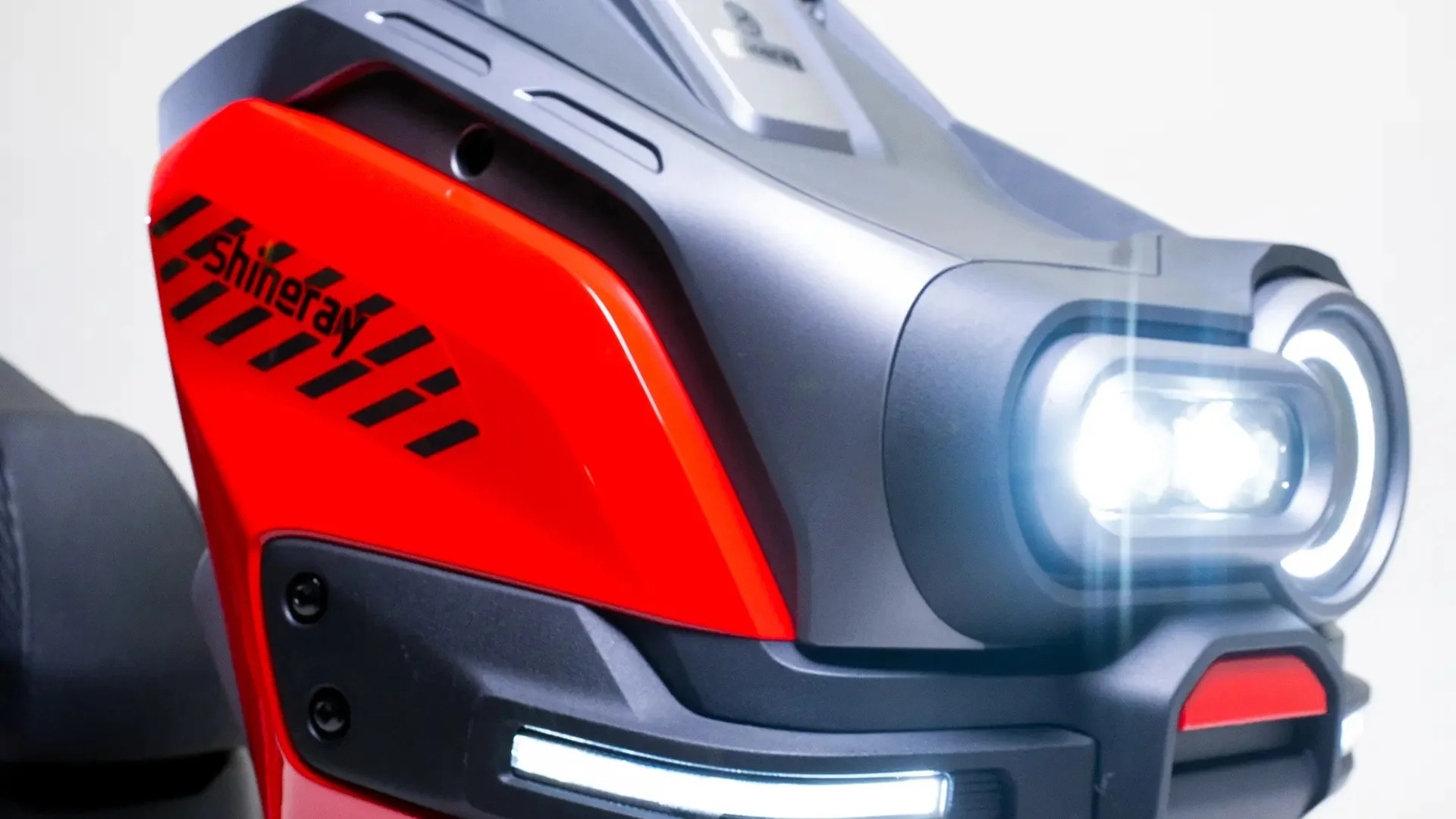
Costing R$ 12,490, the new Shineray Urban Lite 150 “cheap one” arrives in Brazil with a CVT transmission, digital dashboard, and LED lights, making it more affordable than the Biz and targeting those who want to abandon the bus.
-
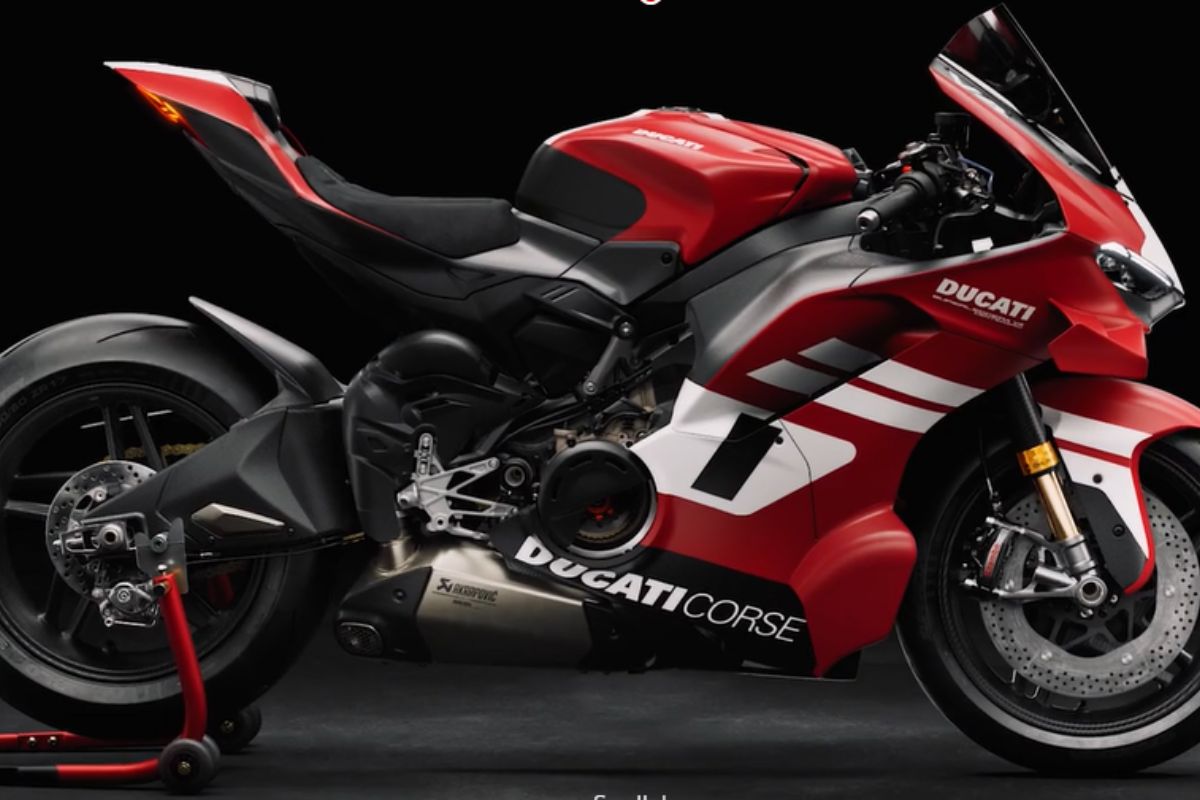
Ducati brings to Brazil the Superleggera V4 Centenario: 228 hp that become 247 with a track kit, carbon fiber and carbon-ceramic brakes, estimated price between R$ 1.5 and 2 million, deliveries only in 2027.

Chevrolet Captiva EV Maintains Design of the Chinese Model with Adaptations for Brazil
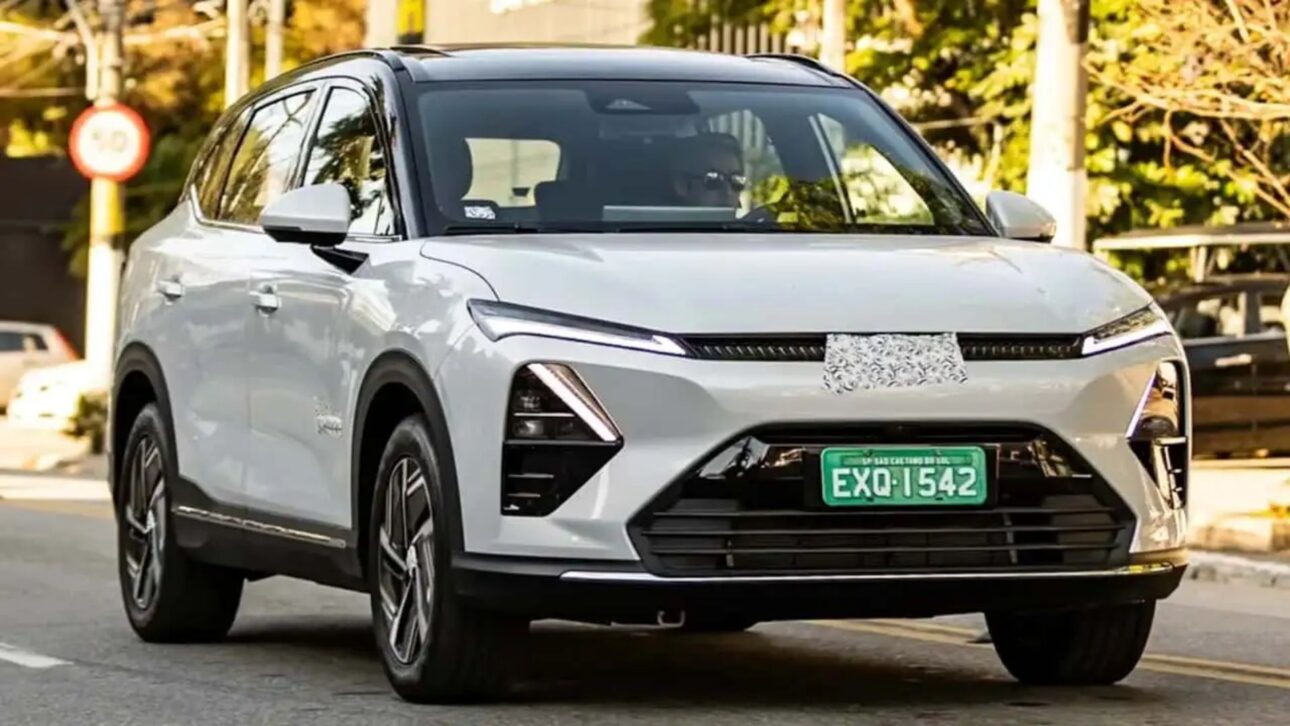
Recently captured images by automotive enthusiasts show that the Captiva EV essentially retains the lines and features of the Wuling Starlight S, an electric SUV already sold in China.
The main visual difference is at the front, which now displays a grille inspired by the Chevrolet Equinox EV, reinforcing the visual identity of the American brand.
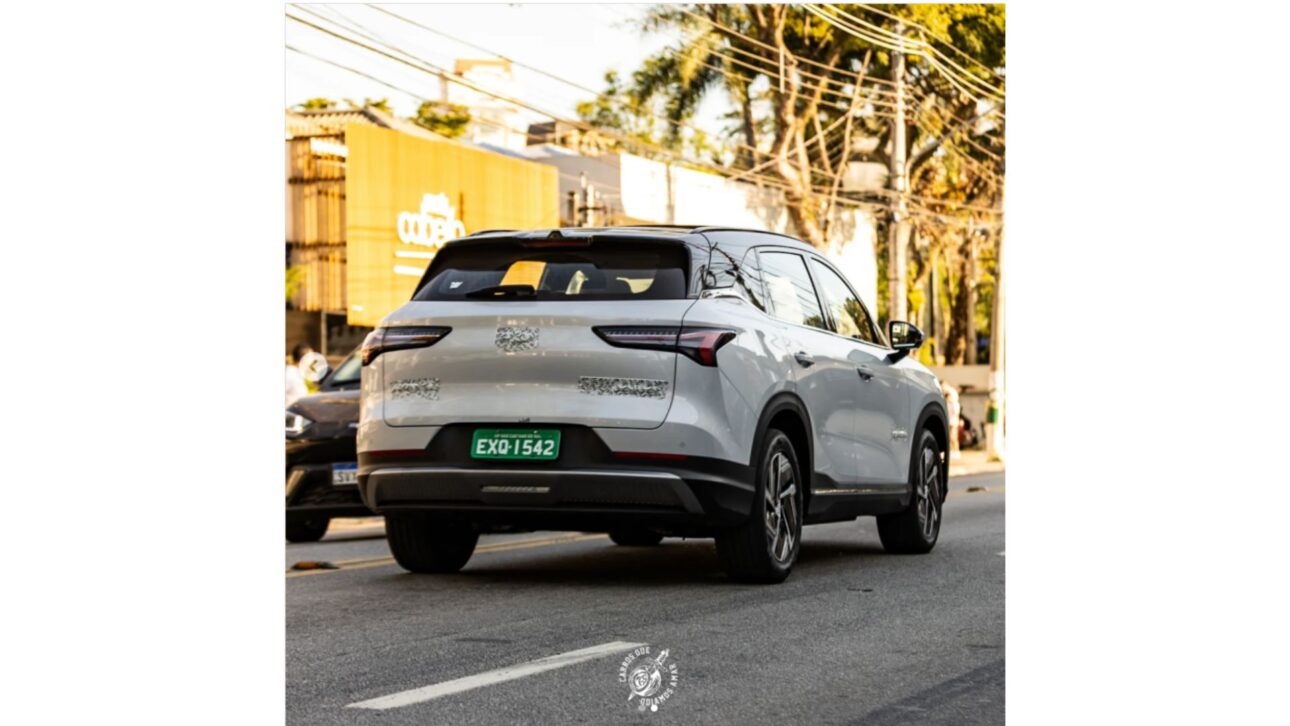
On the sides and rear, the Chevrolet logos appear camouflaged, indicating that the official launch is getting closer.
Interior of the Captiva EV Bets on Technology and Dark Finish
The interior of the Captiva EV follows the minimalist design standard of the Chinese model, with few physical buttons and a floating multimedia center positioned above the dashboard.
This system concentrates navigation, entertainment, and vehicle adjustment functions.
For Brazil, the finish will adopt darker shades, catering to local preferences, unlike the light standard of the Chinese Starlight S.
Electric Motor with Range of Up to 510 km
In terms of powertrain, the electric SUV features a 150 kW motor, equivalent to 204 horsepower and instantaneous torque of 31.6 kgfm.
This configuration allows acceleration from 0 to 100 km/h in 8.9 seconds and a top speed limited to 175 km/h, offering competitive performance in the electric utility vehicle segment.
The lithium iron phosphate (LFP) battery has a capacity of 60 kWh and promises up to 510 km of range according to the Chinese CLTC cycle — a benchmark that, however, tends to be more optimistic compared to the Brazilian Inmetro standard.
A full charge in alternating current (6.6 kW) takes about 10 hours, while fast charging in direct current, from 30% to 80%, occurs in approximately 20 minutes.
Plug-in Hybrid Version Expected After Launch of the Electric One
Chevrolet’s strategy for the Captiva EV includes options beyond the fully electric model.
The brand has already confirmed the existence of a future plug-in hybrid (PHEV) version, intended initially for markets with less developed charging infrastructure, such as parts of South America.
Fábio Ruas, Vice President of Communications and Public Policy at General Motors South America, stated that the PHEV configuration will first be launched in Mexico and Argentina, where it will only be sold in this configuration.
Its arrival in Brazil will depend on local demand and infrastructure conditions, but the possibility is being evaluated.
The plug-in hybrid version is expected to follow the configuration currently offered in China: a 1.5 Atkinson combustion engine combined with an electric motor, with a combined power of 201 hp and torque of 31 kgfm.
In this version, the 20.5 kWh battery allows for up to 130 km of purely electric range, with a total range exceeding 1,100 km when combining the two propulsion systems.
Chevrolet Captiva EV and the Electric SUVs Scenario in Brazil
The advancement of the Captiva EV reinforces the movement of fleet electrification in the country, alongside other rising electric SUVs in Brazil.
The segment is growing with the arrival of models from different brands, such as BYD Song Plus EV, Volvo XC40 Recharge, and Kia Niro EV, all positioned in various price ranges and characteristics, but with similar performance and range proposals.
The expectation is that, when officially launched, the Captiva EV will compete for space with both established models and new competitors that are expected to arrive in the country soon.
The growing interest of the Brazilian public in electric SUVs is supported by benefits such as zero local emissions, lower maintenance costs compared to combustion models, and regional tax incentives in some cities.
However, the real range of the Captiva EV, when assessed by the Brazilian standard, will be one of the main points of concern for consumers, as well as the total cost of ownership, availability of fast charging infrastructure, and specialized after-sales support.


Although the brand has not yet disclosed official pricing information for the Chevrolet Captiva EV, the model already stands out for its high range for the segment and for offering technological features aligned with the global trend of vehicle connectivity and digitalization.
Another differentiation point is the fast charging system, which promises to make the SUV’s use more convenient for urban day-to-day and medium-distance travel.
Electrification Advances and Brazil Surpasses 180 Thousand Electrified Vehicles
In the context of the Brazilian market, the introduction of the Captiva EV represents an important step for the consolidation of electric vehicles in the country, following the electrification progress in international markets.
According to recent data from the Brazilian Electric Vehicle Association (ABVE), Brazil surpassed the mark of 180 thousand electrified vehicles in circulation in July 2025, demonstrating an accelerated growth rate.
The expectation is that, with more options available, the participation of electric SUVs like the Captiva will significantly increase in the coming years.
In light of this context of innovation and transformation in the automotive sector, the question remains: will the new Chevrolet Captiva EV, with its 204 hp of power and a range of up to 510 km, be able to secure a relevant space in the Brazilian electric SUV market, marked by logistical challenges, growing consumer demands, and increasingly fierce competition?








-

-

-

3 pessoas reagiram a isso.