





 Portuguese
  English
  Spanish
  5 min of reading
  0 comments


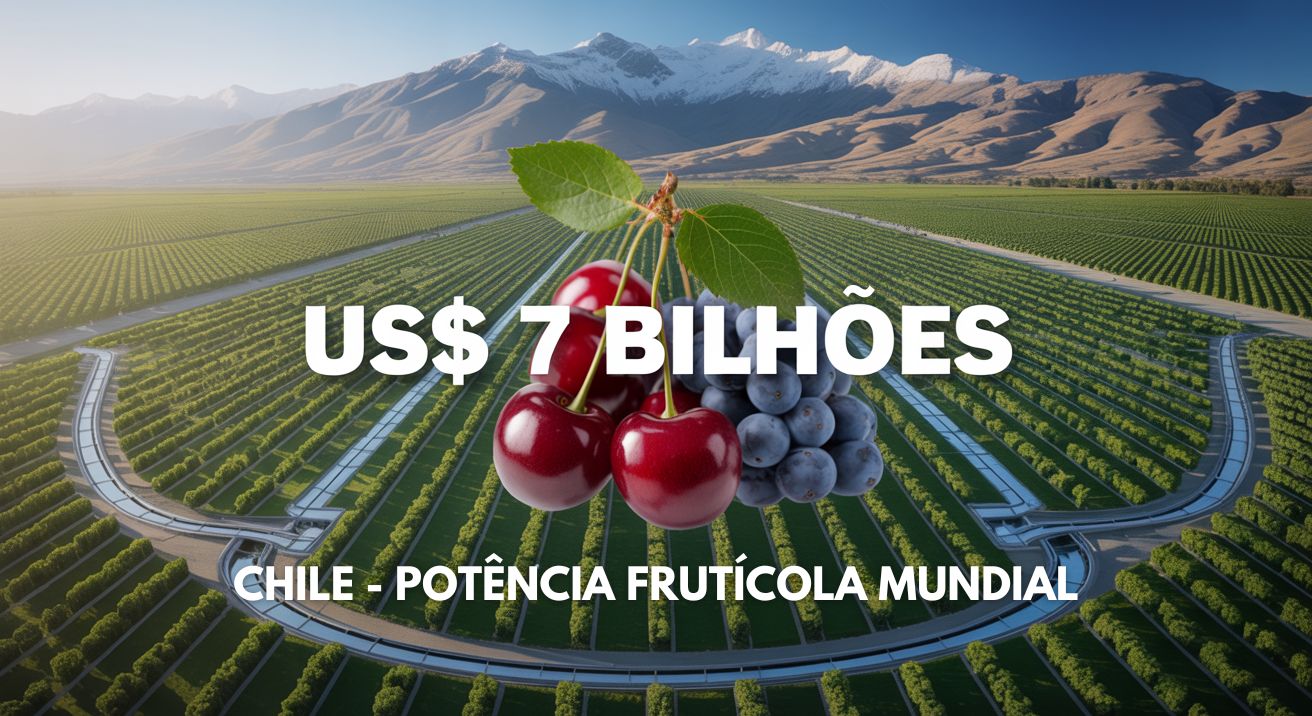
With Exports Exceeding US$ 7 Billion, Chile Dominates Fresh Fruits with Irrigated Valleys, Advanced Agricultural Technology, and Efficient Global Logistics.
In Chile, over the past four decades, one of the most efficient agricultural structures in the world has formed. The process has occurred continuously and documented, with public policies, private investment, and international logistical integration. The model is mainly concentrated in the central Chilean valleys, such as the Aconcagua, Maipo, Cachapoal, Colchagua, and Maule valleys, regions that combine a Mediterranean climate, controlled irrigation, and direct access to Pacific ports.
According to official data from the Ministry of Agriculture of Chile, the ODEPA (Agricultural Studies and Policies Office) and the FAO, the country has been continuously exporting fresh fruits since the 1990s, with accelerated growth starting in the 2000s, reaching over US$ 7 billion annually in fruit agricultural exports by the mid-2020s.
The Chilean transformation did not happen by chance. It is the result of a clear strategy: to produce fruit outside of the Northern Hemisphere’s season, with strict standardization, complete traceability, and synchronized logistics for markets such as the United States, China, the European Union, and Japan. Today, Chile ranks among the three largest global exporters of fresh fruits, competing for leadership with much larger agricultural powers in territory and population.
-
The sugar-energy sector advances with agricultural technology, but agricultural productivity still raises concerns.

-
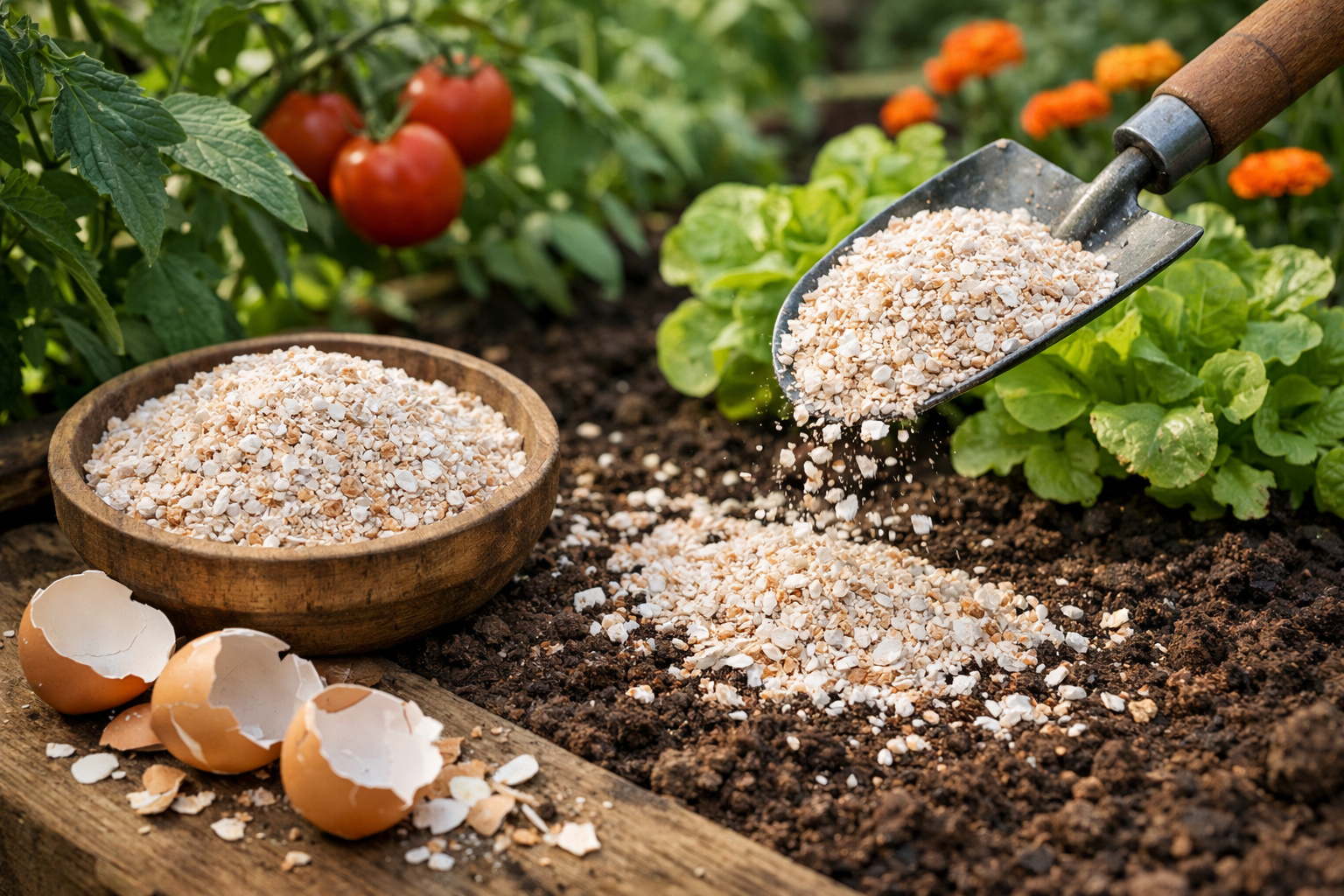
The eggshell that almost everyone throws away is made up of about 95% calcium carbonate and can help enrich the soil when crushed, slowly releasing nutrients and being reused in home gardens and vegetable patches.
-
This farm in the United States does not use sunlight, does not use soil, and produces 500 times more food per square meter than traditional agriculture: the secret lies in 42,000 LEDs, hydroponics, and a system that recycles even the heat from the lamps.

-
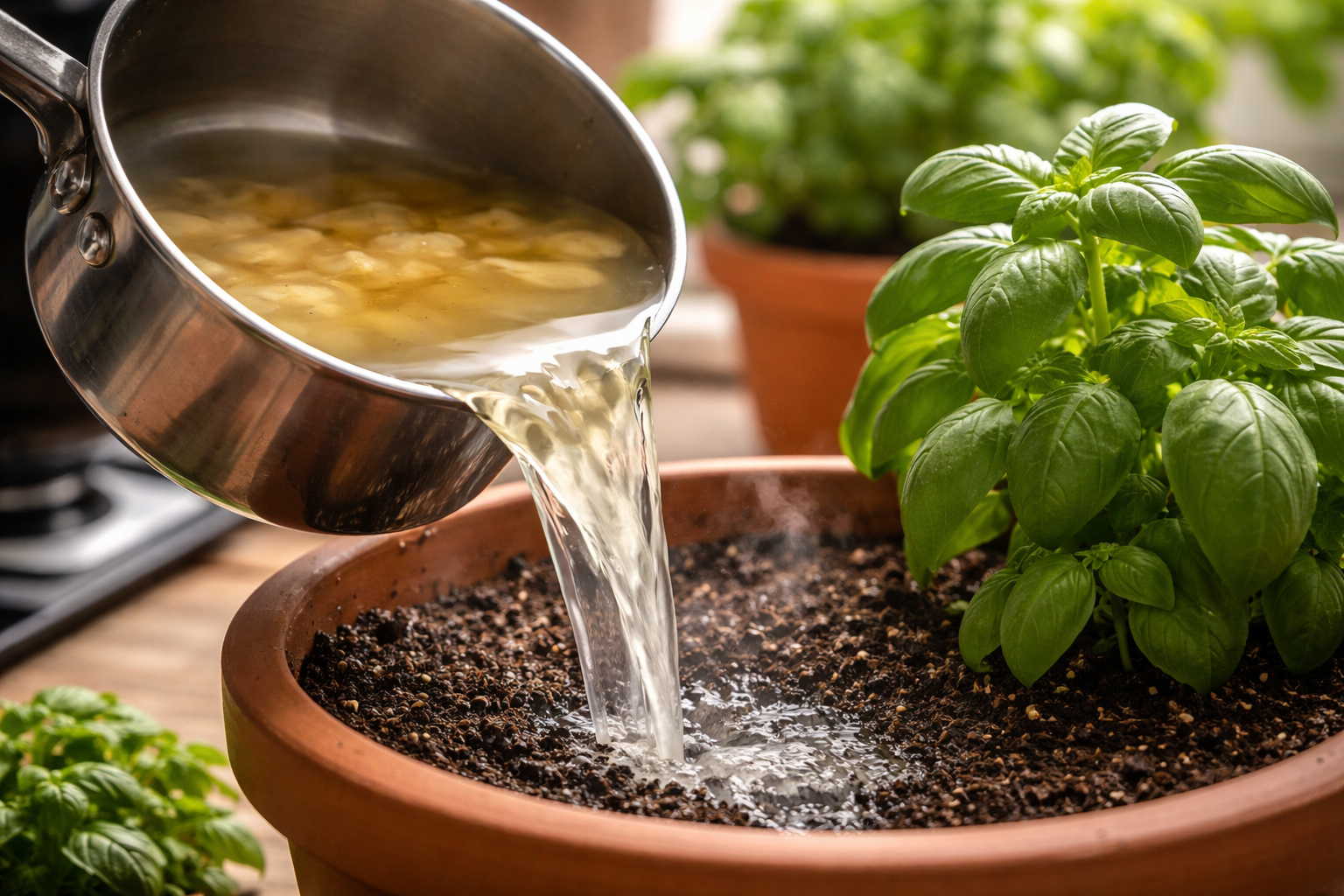
The water that almost everyone throws away after cooking potatoes carries nutrients released during the preparation and can be reused to help in the development of plants when used correctly at the base of gardens and pots, at no additional cost and without changing the routine.

Irrigated Valleys and Precision Agriculture as the Foundation of the System
The heart of this machinery lies in the irrigated valleys of the central region of the country, where water is controlled to the millimeter. Since the 1980s, Chile has expanded drip irrigation, micro-sprinkling systems, and digital soil moisture control, reducing losses and increasing productivity per hectare. In regions like O’Higgins and Maule, over 70% of fruit-growing areas utilize technified irrigation, according to ODEPA.


Soil sensors, local weather stations, and climate models are used to determine when to irrigate, how much to irrigate, and how to fertilize, avoiding waste and maintaining quality standards required by international importers. This control allows vineyards, cherry orchards, and blueberry farms to achieve productivity that rivals temperate climate countries in the Northern Hemisphere, even in areas with increasing water restrictions.
Global Leadership in Cherries, Grapes, and Blueberries
Among the products that have placed Chile at the top of global trade, three stand out consistently. The first is cherries, whose production exploded after 2010. Data from the Agricultural and Livestock Service (SAG) indicates that Chile accounts for over 90% of cherries imported by China during the Asian winter. In some recent harvests, the country exported more than 400 thousand tons of fresh cherries, generating billions of dollars in just three months.
Table grapes form the second pillar. Chile is among the largest global exporters of fresh grapes, with patented varieties, strict handling, and staggered harvests. Regions like Aconcagua and Atacama concentrate modern vineyards, with varieties adapted to long-distance transportation and the sanitary requirements of markets such as the United States and Europe.

Meanwhile, the blueberries have consolidated the country as one of the global leaders in premium fruit. Chile has developed a production system focused on firmness, flavor, and post-harvest shelf life, critical factors for maritime export. According to the FAO, the country is consistently among the top five global exporters of fresh blueberries.
Global Logistics Integrated with Pacific Ports
Another decisive differential is logistics. Chilean fruit production was designed from the outset for export. Ports such as Valparaíso, San Antonio, and Coquimbo operate with highly integrated cold chains, allowing fruits harvested in one day to be shipped a few hours later, already in refrigerated containers.
The country has invested in automated packing, optical sorting by size and defects, as well as internationally recognized sanitary protocols. This allows Chilean fruits to reach Asia in up to 30 days by sea while maintaining commercial standards. In the case of China, Chile has specific phytosanitary agreements, signed with the General Administration of Customs of China, which ensures priority access to the market.
Billion-Dollar Exports and National Economic Impact
According to ODEPA and the Central Bank of Chile, the fruit sector represents one of the largest sources of foreign exchange for the country, second only to copper mining. In recent years, fresh fruit exports have exceeded US$ 7 billion annually, directly and indirectly employing hundreds of thousands of workers, especially in rural areas.
Entire cities in the central region of the country have begun to revolve around the agricultural calendar, with peaks of employment during the harvest and processing. Fruit growing has also boosted parallel sectors, such as packaging manufacturing, refrigerated transport, plant genetic research, and high-specialization agronomic services.
Sustainability, Water Limits, and Climate Adaptation
Despite its success, the Chilean model faces growing challenges. Prolonged water scarcity, exacerbated by recurring droughts since 2010, has forced the sector to accelerate investments in efficiency. Projects for water reuse, agricultural reservoirs, desalination for indirect use and less water-demanding varieties are underway.
Institutions such as the Agricultural Research Institute (INIA) lead research to adapt cultivars to new climatic conditions, while the Chilean government reviews legal frameworks for water usage to balance agriculture, human consumption, and environmental preservation.
An Agricultural Model That Influences the World
What makes the Chilean case unique is not only the volume produced but the combination of relatively small territory, export focus, technology, and integrated global logistics. Countries in Latin America, Africa, and Asia study the Chilean model as a reference to develop fruit value chains aimed at the international market.

Over the decades, Chile has built a specialized agricultural machine, capable of transforming climate, water, and technology into high-value products. Even faced with severe natural restrictions, the country has established itself as one of the leading suppliers of fresh fruits on the planet, with an economic impact that extends far beyond the field and helps support the national trade balance.
This performance explains why, when it comes to premium fruits out of season in global markets, Chile’s name appears repeatedly — not as an exception but as the rule of agricultural efficiency on a global scale.










-

-

2 pessoas reagiram a isso.