





 Portuguese
  English
  Spanish
  3 min of reading
  13 comments


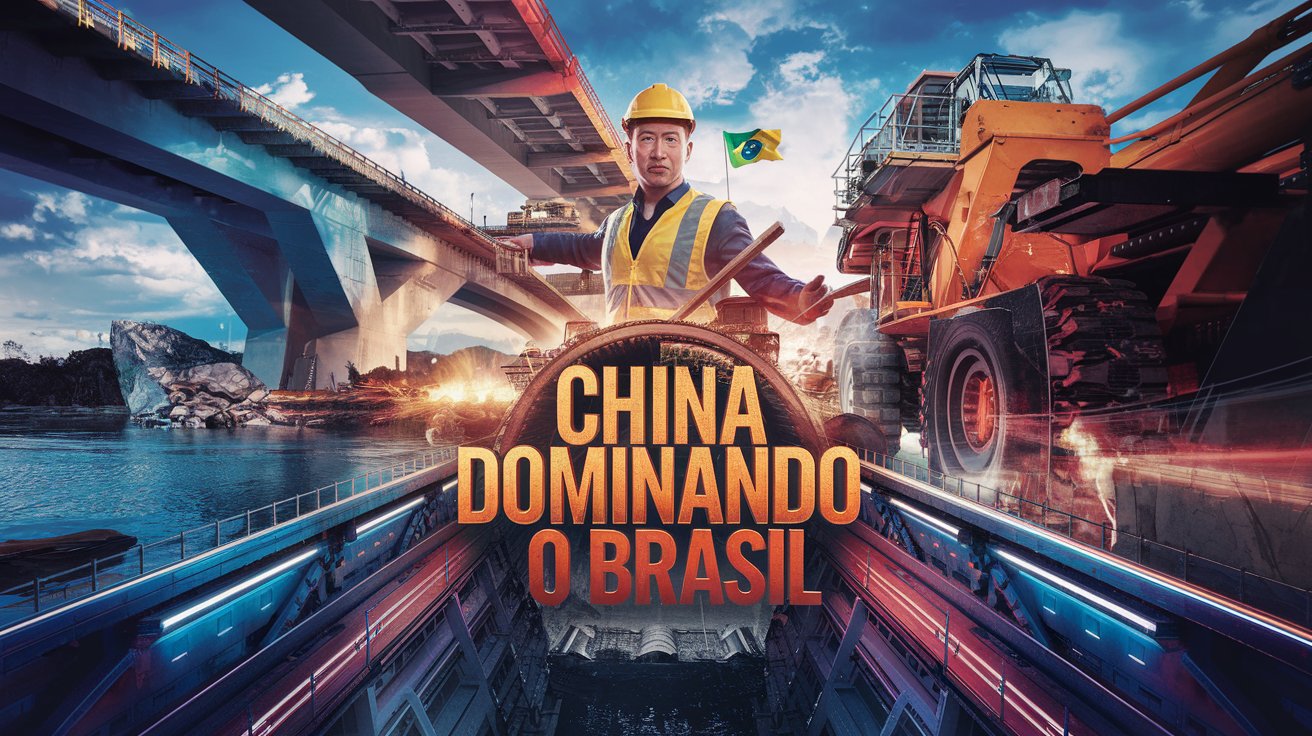


China Communications Construction Company (CCCC) Is About to Conquer Brazil! After Reviewing the Contract for the Huge Salvador-Itaparica Bridge, the Chinese Giant Now Aims for Leadership in the Construction of the Santos-Guarujá Tunnel, a Billion-Dollar Project with the Potential to Change Transportation Flow in the Country.
Brazil has become a strategic field for foreign companies looking to expand their influence in Latin America.
Among them, China Communications Construction Company (CCCC) has been consolidating its presence in the national infrastructure sector.
The Chinese giant, which already has stakes in large projects, now targets two of the most important works underway in the country.
-
A new law being voted on in Brazil proposes a minimum fare of R$ 10 per trip and R$ 2.50 per kilometer for Uber and 99 drivers, and promises to ensure they earn as well as taxi drivers did during the golden age of taxis in the country.

-
Bauer Group collapses after failed judicial recovery: 25 years, 800 vehicles, and a network of gas stations leave a debt of R$ 50 million and 100 layoffs, exposing costs, tight margins, and expensive credit in Brazil.

-
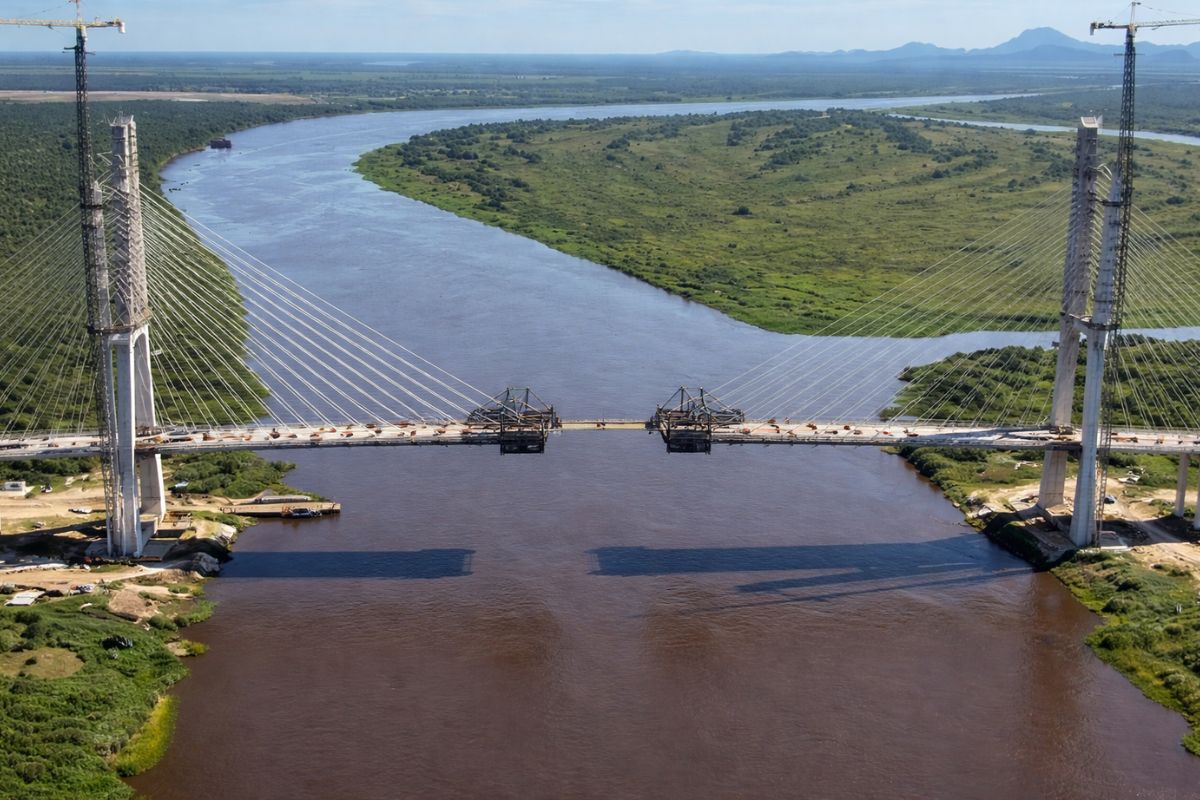
Only 46 meters remain for Brazil and Paraguay to connect via the Bioceanic Route bridge, the project that will link the Atlantic to the Pacific by land and change the logistical map of four countries in South America.
-
Premium Brazilian brand born during the pandemic brings fine cocoa from Bahia to Switzerland, Germany, and France, has won 9 awards, and claims to have the 2nd best milk chocolate in the world: meet Luz Cacau.


The growing interest of CCCC raises debates about the impact of this presence on the Brazilian economic and political landscape.
Chinese Construction Company Aims to Dominate Megaprojects in Infrastructure
After renegotiating the contract for the Salvador-Itaparica Bridge in Bahia, CCCC is preparing to compete for the much-anticipated Santos-Guarujá Tunnel.
The project, which is part of the New PAC, is budgeted at R$ 6 billion and will be financed by the federal government, the State of São Paulo, and BNDES.
The tunnel plays a fundamental strategic role, as it promises to improve vehicle flow, especially the transportation of trucks to the Port of Santos, the largest in Latin America.
Currently, access to the port relies on ferries and a longer road route, causing logistical bottlenecks.
CCCC, which already holds one-third of the consortium responsible for the Salvador-Itaparica Bridge, currently led by the Portuguese Mota Engil, is now seeking to take the lead in the tunnel contract.
If successful, the company will further solidify its operations in Brazil.
CCCC’s Progress in Brazil
The project rules for the tunnel stipulate that the winning company will only begin receiving payments of R$ 870 million after the completion of the work.
The forecast is that construction will start later this year.
According to information released by the Painel column of Folha de S. Paulo, sources linked to the negotiations assure that CCCC is determined to lead this venture.
The Chinese company has a history of large projects around the world and sees Brazil as a key piece for its international expansion.
In addition to the Santos-Guarujá Tunnel and the Salvador-Itaparica Bridge, CCCC is also heavily investing in other infrastructure in the country.
The company is involved in the construction of the São Luís Port in Maranhão, which promises to boost port logistics and facilitate the flow of goods in the region.
Another strategic move for CCCC was the acquisition of Concremat, one of Brazil’s leading engineering firms.
With this purchase, the Chinese constructor increased its presence in the national market and expanded its operations in various sectors.
In addition, CCCC is part of the project for a steel rolling mill in Marabá (PA), in partnership with Vale, strengthening its role in the Brazilian steel industry.
The Chinese Influence in the Brazilian Infrastructure Sector
The growing participation of Chinese companies in Brazil has sparked debates about the impacts of this presence on the economy and national sovereignty.
On one hand, Chinese investments bring technological advancements, job creation, and infrastructure development.
On the other hand, experts point to the risks of excessive dependence on foreign companies in strategic sectors.
In the case of CCCC, its operations in Brazil follow a global pattern of Chinese investments in infrastructure.
The company participates in large projects across various continents, especially in Africa, Latin America, and Asia, within the global Chinese initiative known as the New Silk Road.
For the Brazil, this partnership may represent a significant advancement, but it requires careful analysis to ensure that national interests are preserved.
The future of Brazilian infrastructure is increasingly intertwined with foreign capital, and the competition for the Santos-Guarujá Tunnel will be one of the next chapters in this story.
With that, one question remains: Will China Communications Construction Company be able to further consolidate its presence in Brazil?
The advance of Chinese companies in the infrastructure sector promises many twists and turns in the coming years.









Aempressa prestadora de mão de obra gostaria de prestar mão de obras como com tratar colaborado para a tuar nas Rodovia BR 135. Sitiver enterese nos contratar telefone 043 991566415 JRT empresario
Se puni os gestores e ficam as empresas.punir as empresa quem vai pagar são os funcionários com desempregos.
Foi moro que matou as construtora do brasil.