





 Portuguese
  English
  Spanish
  2 min of reading
  0 comments


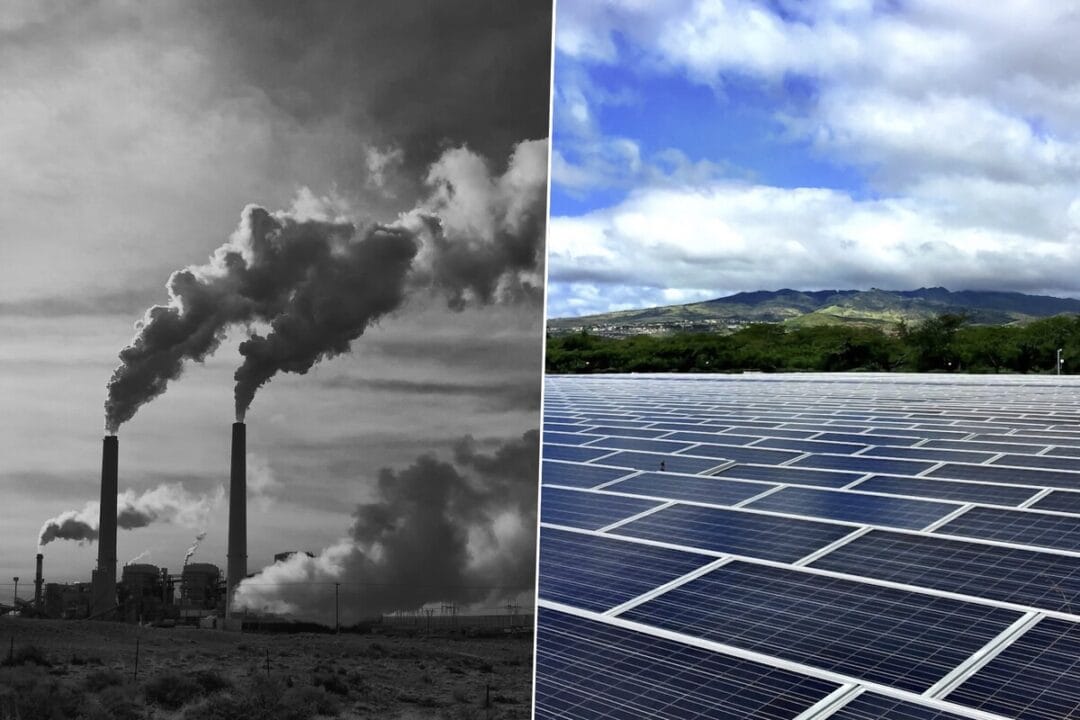
Historic Advance in China: Renewable Energies Surpass Coal, Highlighting a New Chapter in the Fight Against Pollution and Climate Change
In the land of coal, renewables are king. By 2023, coal accounted for nearly two-thirds of China’s electricity supply. The growing energy demand and the limited flexibility of the grid made China a country deeply dependent on the most polluting fossil fuel.
However, massive investments in wind and solar energy allowed for a rapid transition: Chinese renewables surpassed the fossil fuel in generation capacity during the first half of 2024, according to the country’s energy trade association.
Growth of Renewable Energies
40% Renewables by Year-End. The China Electricity Council (CEC) forecasts that coal’s share will fall below 37% by the end of 2024. At the same time, it projects an installed capacity of 40% for wind and solar.
-
The Brazilian state accelerates industrial competitiveness with a focus on the extraction of strategic minerals to boost the energy transition in Goiás.

-
A Canadian retiree creates a hydroelectric system on a real river, generating energy continuously throughout the day and demonstrating how the power of water can supply a house with stability even in a simple structure.

-
Petrobras reaffirms its commitment to the market and ensures that it will carry out the energy transition safely to maintain national sovereignty.

-
Researchers discover a possible hydrogen deposit of up to 46 million tons beneath an ancient coal basin, and the volume could exceed half of the entire global production.


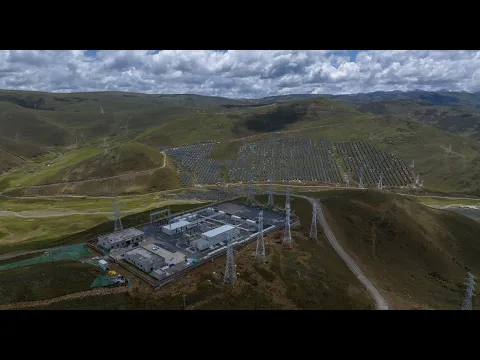
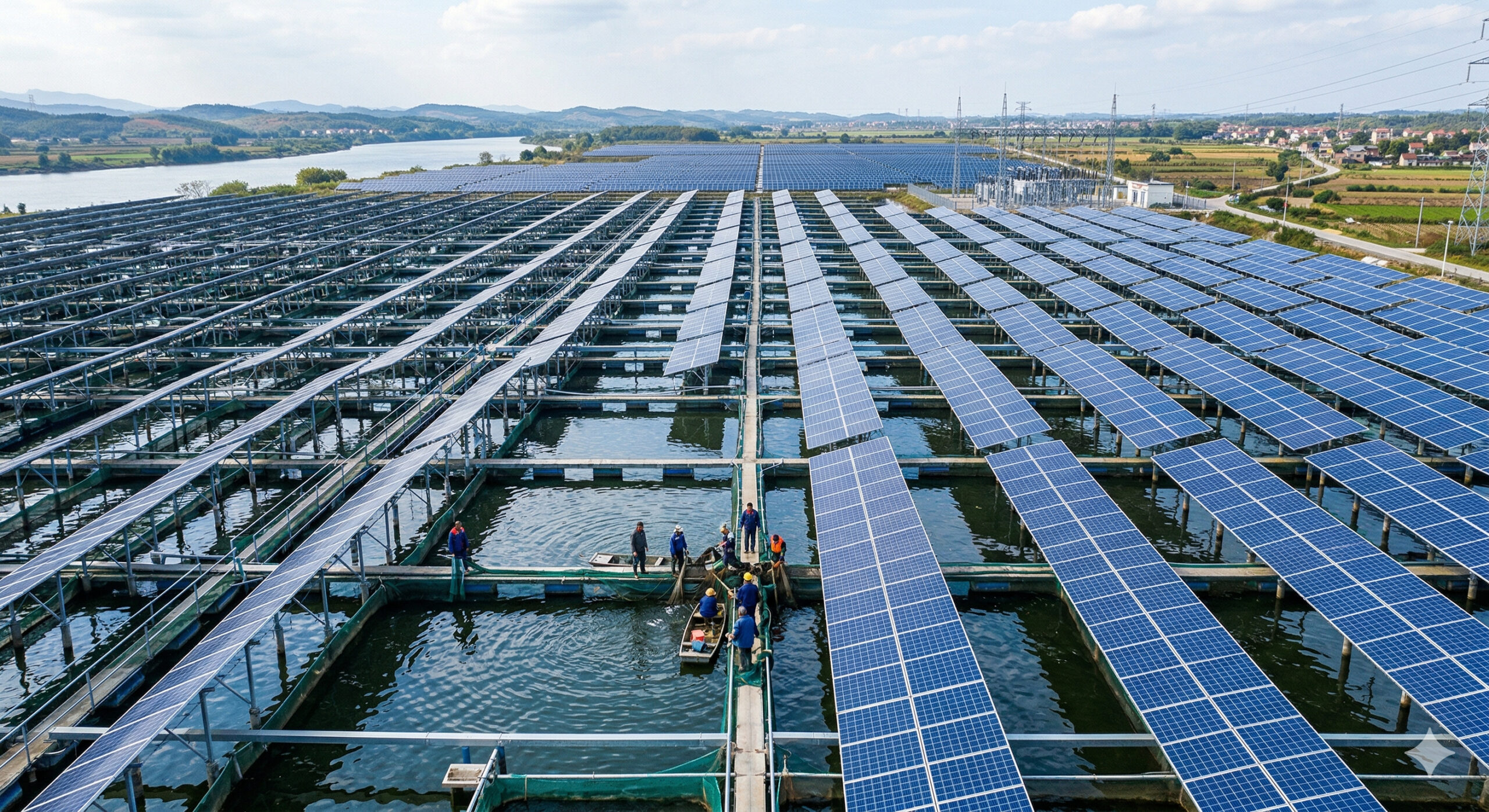
This forecast assumes that China will add 300 gigawatts of renewable capacity to the grid this year, slightly more than the 293 GW installed last year and double what the rest of the world installs combined. Wind and solar would reach a total capacity of 1,350 GW, approximately 40% of the 3,300 GW from all energy sources.
Nuclear and Hydropower Also Grow. The report further predicts that nuclear and hydropower will keep pace with renewables, reaching 1,900 GW of clean capacity by the end of 2024. Nuclear and hydropower accounted for 53.9% of China’s energy mix in 2023. New installations would raise them to 57.5% of the total.

Challenges and Coal Control
Strict Control of Coal. Energy demand remains a challenge for China, which at the end of 2023 approved an additional 25 GW of capacity in coal plants. However, dependence on the fossil fuel is rapidly declining thanks to renewables and strict consumption controls mandated by Chinese President Xi Jinping in 2021. China aims to reduce coal use starting in 2026 and to be carbon neutral by 2060.









Seja o primeiro a reagir!