





 Portuguese
  English
  Spanish
  4 min of reading
  5 comments


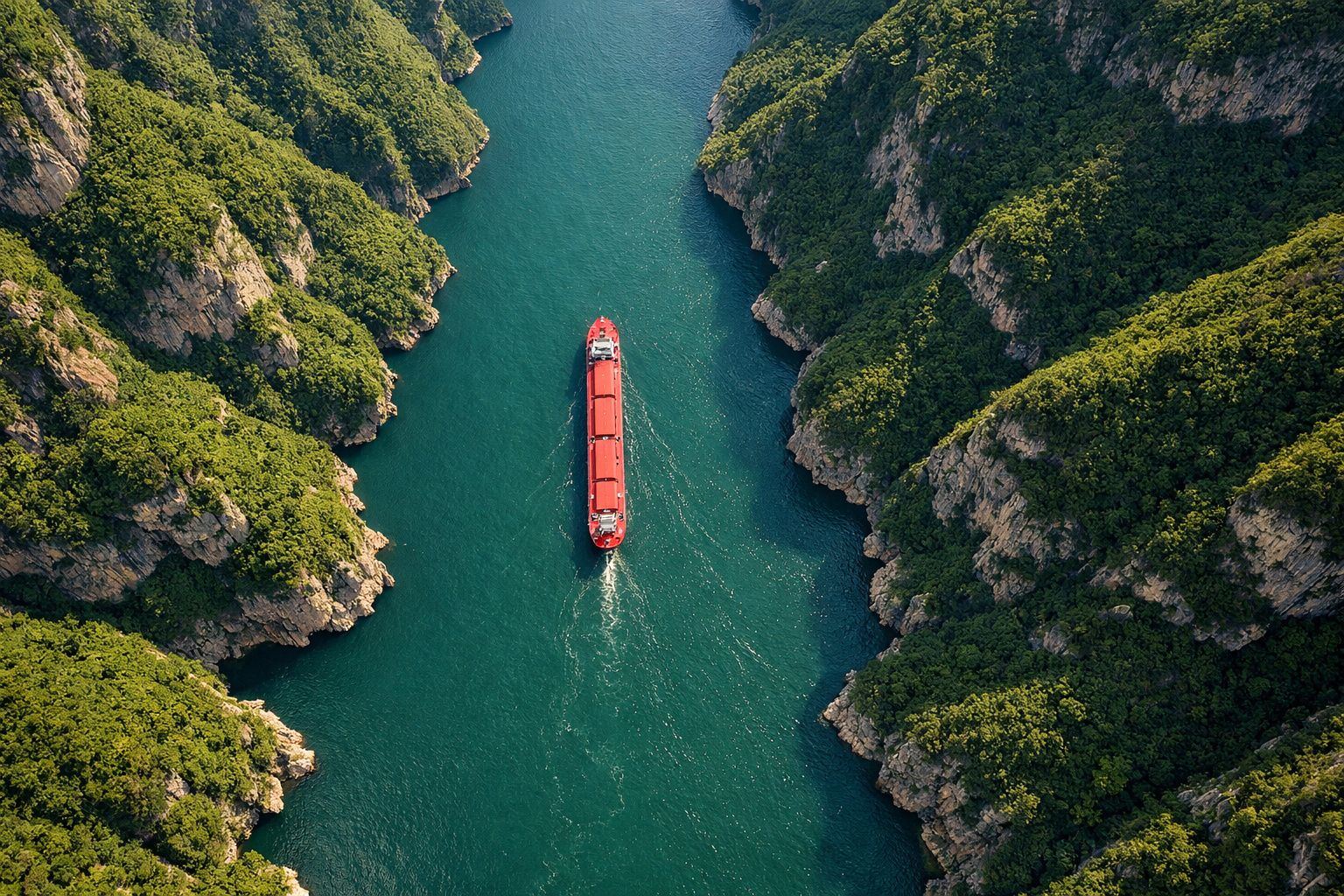


After Decades of Overfishing, Pollution, and Disappearance of 135 Species, China’s Largest River Shows Historic Recovery with Increased Biomass, Growth of Large Fish, and Progress in Preserving Endangered Species
For more than seven decades, the Yangtze River has been a symbol of China’s economic growth — but also of a silent environmental collapse. However, an extreme decision changed the course of that story. In 2021, the government declared a total ban on commercial fishing for 10 years across the river basin, a measure that many classified as the “nuclear option” for environmental conservation. Now, the first results indicate that the strategy is working.
The information was published by the scientific journal “Science,” according to a study conducted by Fangyuan Xiong and team, published in issue 391 (pages 719-723, 2026), with data analyzed between 2018 and 2023. The work shows that the interruption of fishing halted seven decades of continuous decline in biodiversity in China’s largest river.
The Yangtze is the longest and most voluminous river in the country. About 30% of the Chinese population lives within its watershed, while the 11 provinces and municipalities that make up the Yangtze Economic Belt account for approximately 47% of China’s Gross Domestic Product. In other words, it is one of the planet’s most strategic river systems.
-
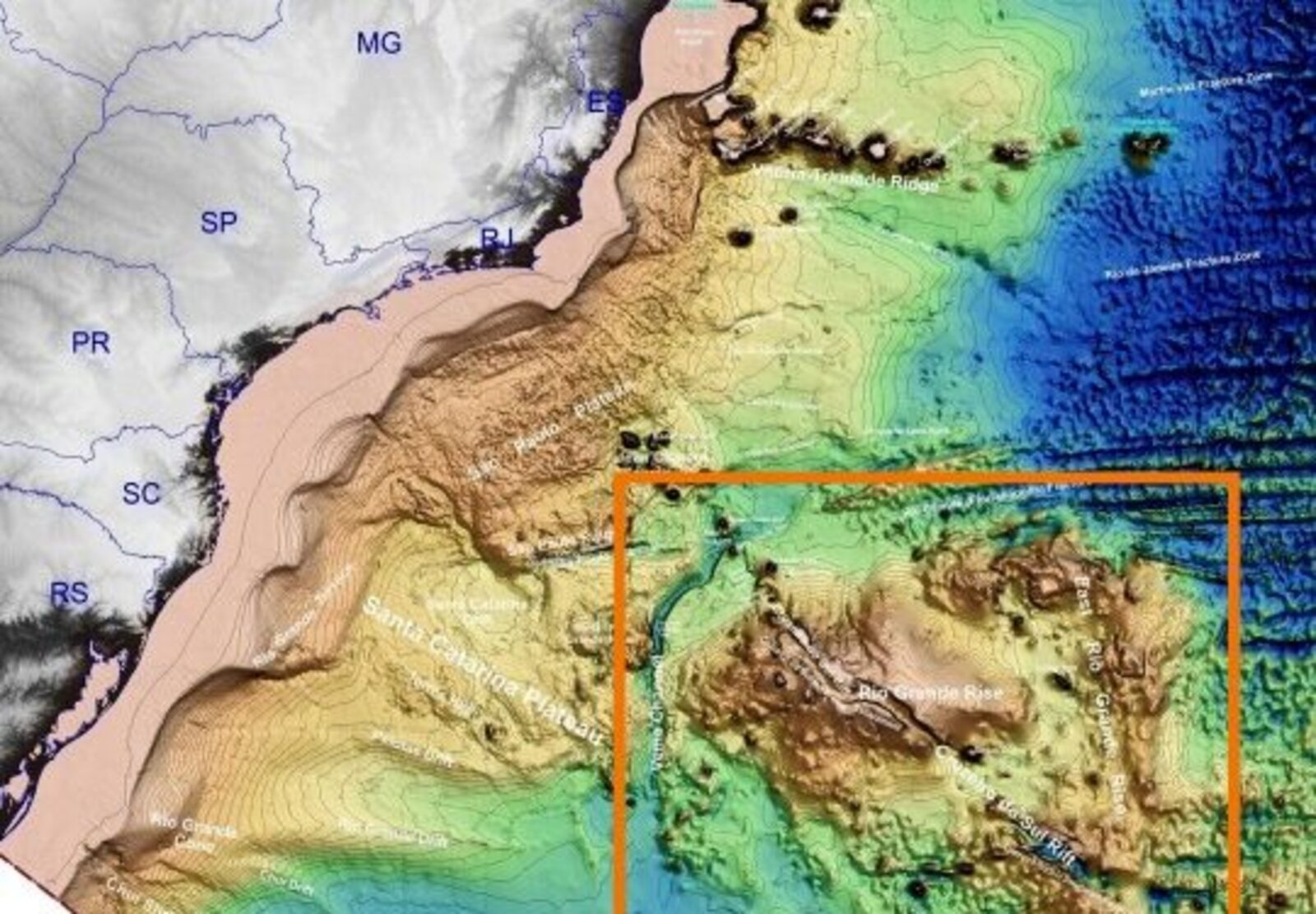
Trapped between layers of lava for 44 million years, an ancient tropical island in the Atlantic is back on the map and puts Brazil in contention for valuable minerals on the seabed.
-
Specialists are urging residents to eat as many wild blackberries as they can because the invasive plant is destroying native species and causing billions of dollars in damages in the United States.

-
At 93 years old, Mr. Francisco completes a 5 km run, is cheered as he crosses the finish line, moves the city, and gives an emotional lesson in strength, discipline, and the will to live.

-
With 96 rooms, 37 bathrooms, and five kitchens, the mansion of the heir to Pernambucanas is worth R$ 50 million, featuring a pool and two terraces.

Seven Decades of Environmental Degradation and Irreversible Extinctions
Despite its economic importance, rapid urban development since the 1950s, dam construction, industrial pollution, habitat degradation, and decades of overfishing have led to an unprecedented environmental crisis. Water quality fell drastically, while emblematic species disappeared forever.
The Yangtze dolphin (Lipotes vexillifer) has been declared extinct. The Chinese paddlefish (Psephurus gladius) has also vanished. Furthermore, 135 species of fish recorded in historical surveys have not been found.
Even with the creation of protected areas and investments exceeding US$ 300 billion in management and water quality improvement, the decline in biodiversity continued. Faced with this scenario, China decided to adopt a radical measure: completely suspend commercial fishing throughout the basin for a decade.
To ensure compliance with the law, monitoring was intensified with the involvement of river police, the application of strict penalties, and the continuation of integrated environmental programs.


Data Shows Increase in Biomass and Recovery of Endangered Species
To assess the effects of the ban, hydrobiologist Yushun Chen from the Chinese Academy of Sciences in Wuhan analyzed data collected between 2018 and 2023, comparing the period before and after the start of the measure.
The results are significant. The total mass of fish collected in samples more than doubled during this period. Additionally, there was a 13% increase in the number of species recorded in the collections.
Although the total number of individuals remained relatively stable, there was significant growth of larger species, which are situated at the top of the food chain. Among them are the black Amur bream (Megalobrama terminalis) and the white Amur bream (Parabramis pekinensis), which began to represent a larger portion of the total biomass.
On the other hand, the total mass of smaller species fell by 18%, an indication of structural reorganization of the ecosystem.
Migration species also showed recovery. The thin tongue (Cynoglossus gracilis) expanded its migration upstream in the river. Meanwhile, endangered species such as the Yangtze sturgeon (Sinosturia dabryanus), the Chinese sucker fish (Myxocyprinus asiaticus), and the tube fish (Ochetobius elongatus) showed consistent signs of population recovery.
Another relevant data point involves the only remaining freshwater mammal in the river: the Yangtze River dolphin (Neophocaena asiaeorientalis asiaeorientalis). Its population grew from 445 individuals in 2017 to 595 in 2022 — an increase of approximately one-third.
According to researchers, this recovery may be related to greater availability of larger fish for food, a reduction in deaths caused by collisions with vessels, and a decrease in accidental catches in nets. Additionally, there has been a decline in underwater noise levels caused by boat propellers.
Billion-Dollar Social Cost and Profound Economic Impacts
Despite the environmental advances, the decision brought significant human and financial costs. The ban involved the removal of 111,000 fishing vessels and the resettlement of 231,000 fishermen.
In addition, over US$ 2.74 billion was invested in the Yangtze Economic Belt region to mitigate socioeconomic impacts.
Professor Steven Cooke from Carleton University in Canada stated that the total closure of fishing has deep consequences for communities and productive chains. According to him, while the results demonstrate ecological resilience, the ideal situation is for fishery management to be conducted with continuous monitoring and a scientific basis, avoiding the need for such drastic measures.
Still, experts highlight that the case of the Yangtze offers a rare message of hope amid unprecedented global biodiversity losses, especially in freshwater systems.
Researchers continue to monitor the river and warn that progress can be quickly reversed if commercial fishing resumes without careful planning. Durable recovery will depend on continuous management of all human pressures on the river system.
Indeed, scientists suggest that similar strategies could be considered in large rivers such as the Mekong and even the Amazon — while recognizing that each context requires careful analysis.
The Chinese experience, therefore, shows that strong political decisions can reverse what are considered irreversible damages. However, it also makes it clear that the cost of acting late can be extremely high.
Source: livescience








Exatamente, é melhor invadir águas territoriais na América do sul, hipocrisia.
Graças a Deus a China tá aprendendo com os ocidentais a importância da preservação do meio ambiente. Vale 7 décadas mas na verdade já são centenas de anos destruindo o meio ambiente deles. Mas ainda estão poluindo a uns altos índices de poluição. Acredito muito que a China vai conseguir aprender uma verdadeira lição.
Na verdade, nós deveriamos aprender com eles
Uma demonstração de respeito pela natureza, China é um exemplo mundial de modelo de governo.
Piadista