





 Portuguese
  English
  Spanish
  3 min of reading
  0 comments


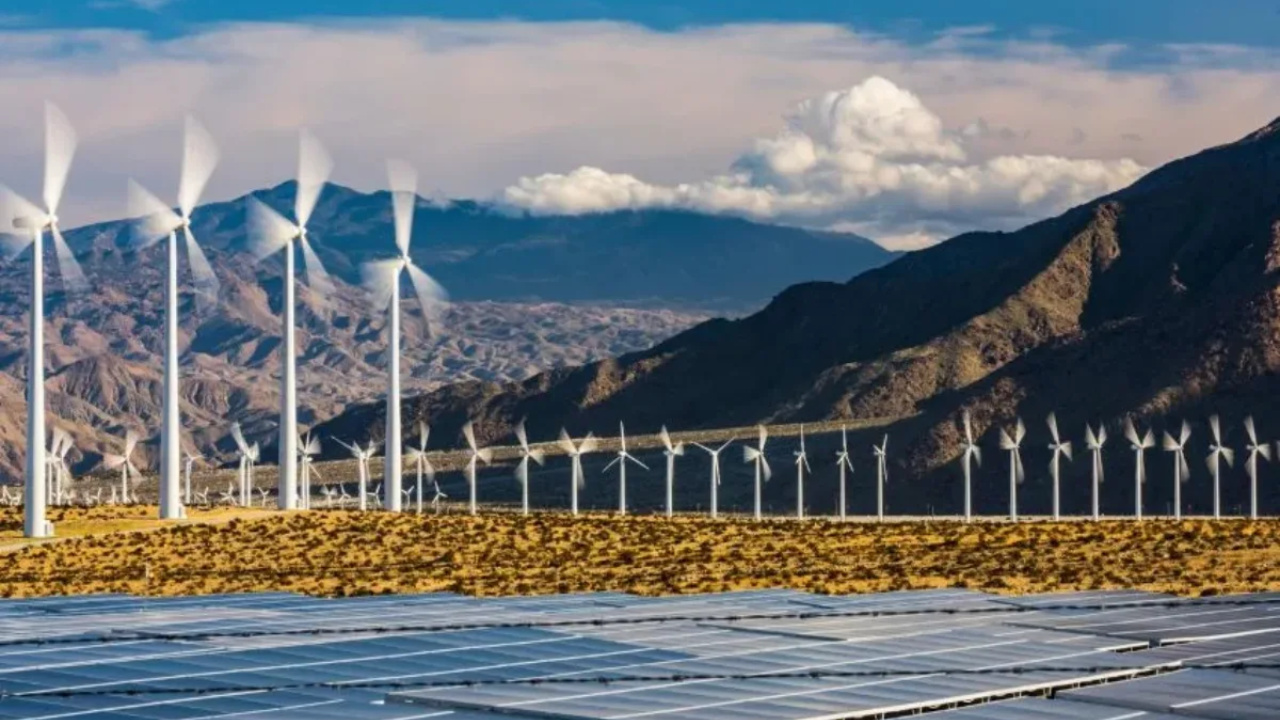
China Leads The Clean Energy Expansion Worldwide In 2025, While Wealthy G7 Countries Fall Behind In The Race For Wind And Solar.
The competition for clean energy has gained a new protagonist in 2025. While the wealthiest countries in the world lag behind, China has taken a commanding lead in the expansion of wind and solar power.
According to data from Global Energy Monitor (GEM), the number of projects under construction or planning globally reached a record 4,900 gigawatts (GW), a jump of 11% from 2024.
However, this growth is not coming from the G7. The United States, Germany, Japan, France, the United Kingdom, Italy, and Canada together only account for 520 GW, which represents about 11% of the entire global pipeline, despite holding nearly half of the world’s wealth.
-
The Brazilian state accelerates industrial competitiveness with a focus on the extraction of strategic minerals to boost the energy transition in Goiás.

-
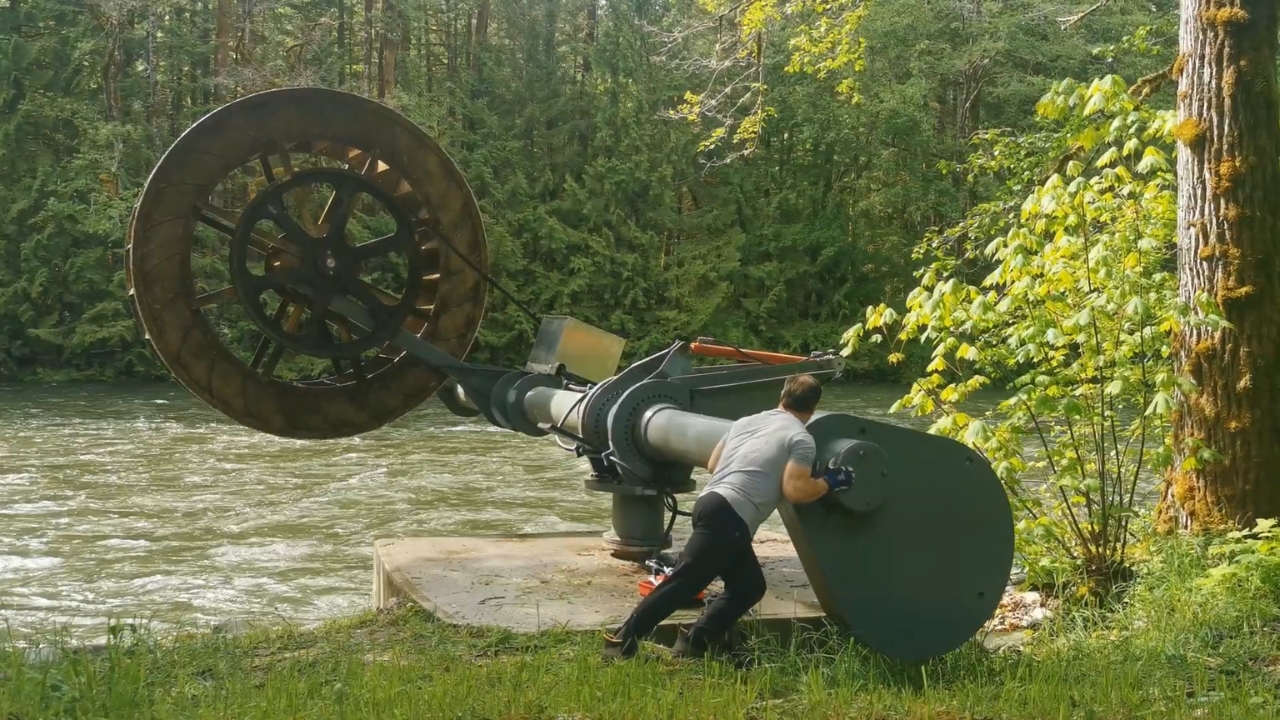
A Canadian retiree creates a hydroelectric system on a real river, generating energy continuously throughout the day and demonstrating how the power of water can supply a house with stability even in a simple structure.
-
Petrobras reaffirms its commitment to the market and ensures that it will carry out the energy transition safely to maintain national sovereignty.
-
Researchers discover a possible hydrogen deposit of up to 46 million tons beneath an ancient coal basin, and the volume could exceed half of the entire global production.


G7 Stands Still While Emerging Markets Advance
The report shows that the center of clean energy expansion has decisively shifted to emerging countries.
China alone accounts for over 1,500 GW, a volume greater than that of the next six largest powers combined: Brazil, Australia, India, the United States, Spain, and the Philippines.


Regarding this shift, GEM analyst Diren Kocakuşak stated: “The center of gravity for new clean energy has decisively shifted to emerging economies, and G7 countries, despite being wealthy, have fallen behind China and the rest of the world in projected capacity expansion year-on-year.”
Additionally, since 2023, the expansion of wind and solar energy in the G7 has practically stalled, raising concerns for the future climate and economy of these nations.
Projects Set Records, But The Pace Begins To Slow
Of the 4,900 GW globally, around 2,700 GW comes from wind energy and 2,200 GW from large-scale solar energy.
Nonetheless, the growth has slowed down. In 2024, the increase was 22%. By 2025, it fell to 11%.
Much of this slowdown came from wind energy, which was affected by political hurdles and failed auctions.
In Germany and the Netherlands, offshore wind energy auctions in 2025 did not attract any investors. In Denmark, an auction had already been canceled in 2024 for the same reason.
Global Targets At Risk As China Accelerates
During COP28 in 2023, countries pledged to triple global renewable energy capacity by 2030. To achieve this, IRENA estimates that it would be necessary to install 317 GW of wind and 735 GW of solar annually.
In 2025, there were 758 GW under construction, but 75% are concentrated in China and India. These two countries have already begun to reduce electricity generation from coal.
China’s strength comes from an aggressive industrial policy, with subsidies, supply chain control, and heavy investments in equipment manufacturing, ensuring a lasting advantage.
Meanwhile, experts from the International Energy Agency (IEA) warn that the stagnation of the G7 could jeopardize global climate targets, putting efforts to curb global warming at risk.








Seja o primeiro a reagir!