





 Portuguese
  English
  Spanish
  5 min of reading
  16 comments


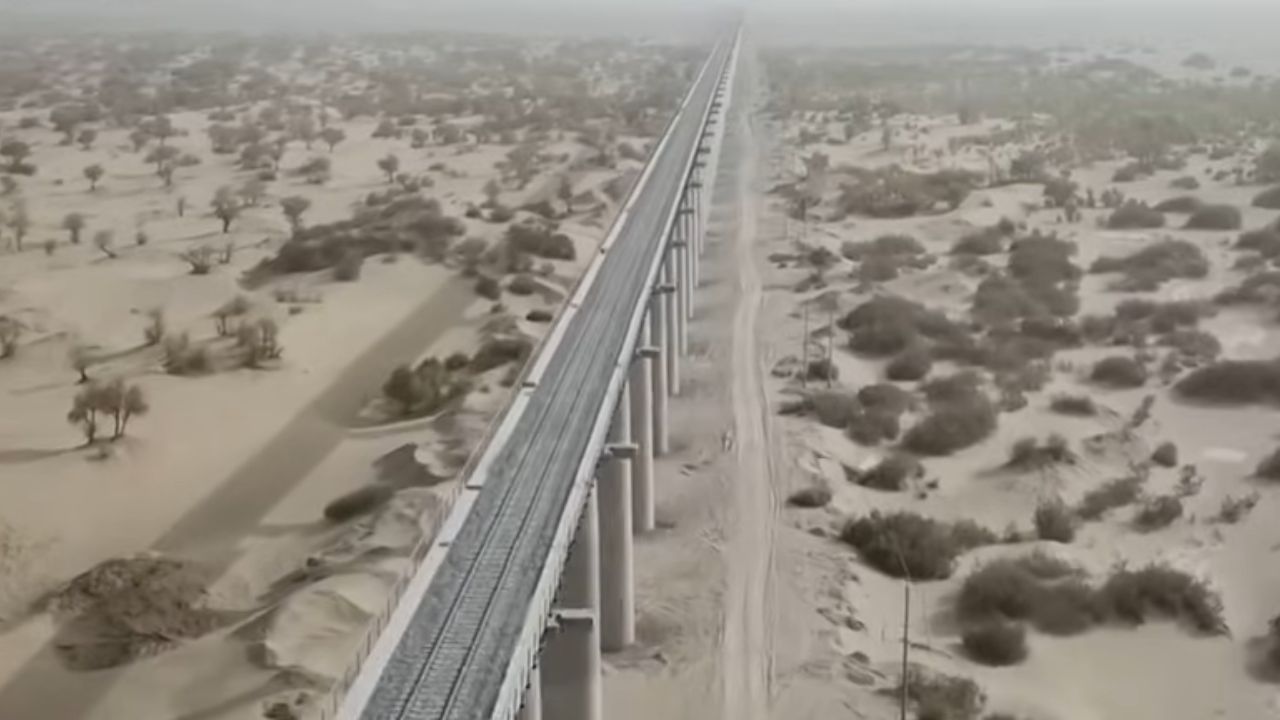


The High-Speed Railway Crosses Unstable Sand, Extreme Winds, and Tunnels in the Mountains, Connecting Previously Isolated Regions to Economic Centers and Changing Logistics, Tourism, and Government Presence in the Interior.
The high-speed railway cutting through the Gobi Desert has become a symbol of projects that seem impossible on paper but change the map in the real world. Stretching over 2,000 km, the line was born from a clear strategy: to reduce the disparity between the wealthy east and the less developed west of China.
Instead of relying on an old, slow, and outdated railway, the country decided to create a direct and efficient connection between isolated areas and the economic core, overcoming mountains, valleys, saline lakes, and a desert that is ever-shifting.
Why Build a High-Speed Railway in the Desert

The main motivation was to connect Western China with speed and predictability. The disconnection between regions was a bottleneck for growth, and there were no viable alternative routes to cross such extreme terrain.
-
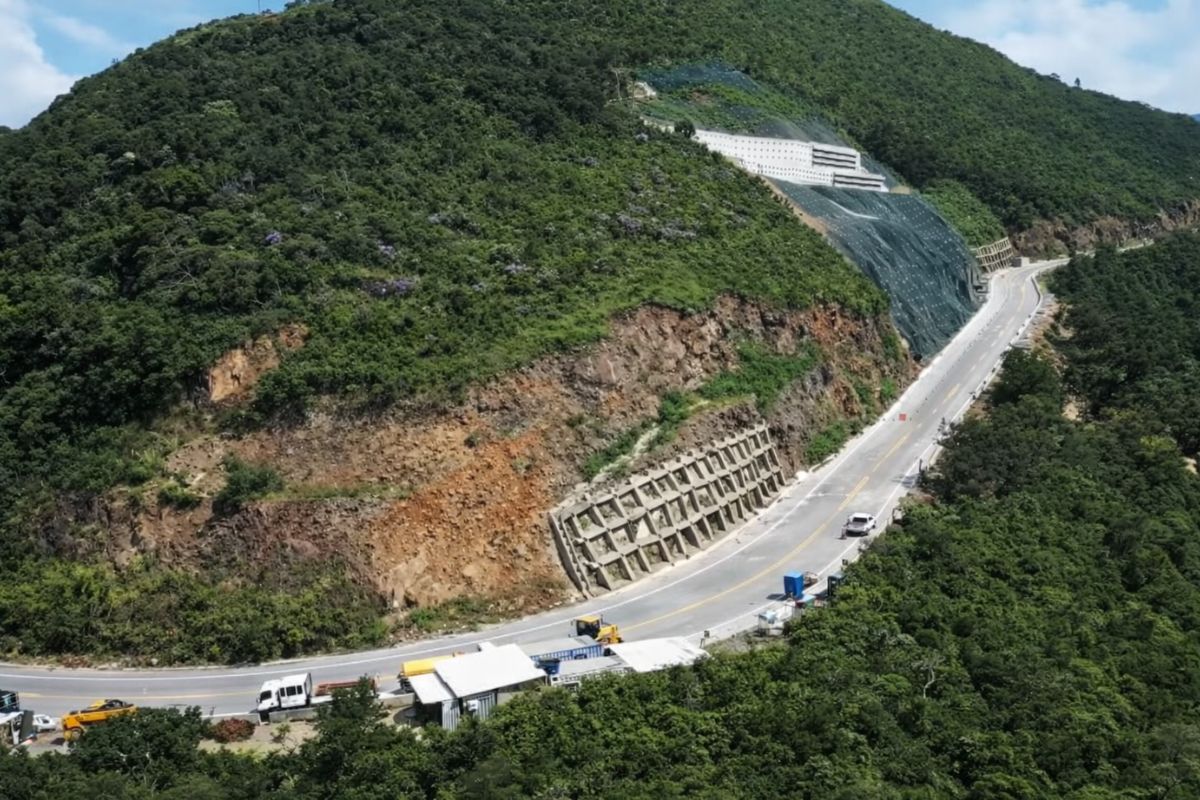
The section of Serra da Rocinha on BR-285 is now open in Timbé do Sul: 50 m tensioned curtains and top-down technique stabilize the slope, with a stairway duct controlling the water.
-
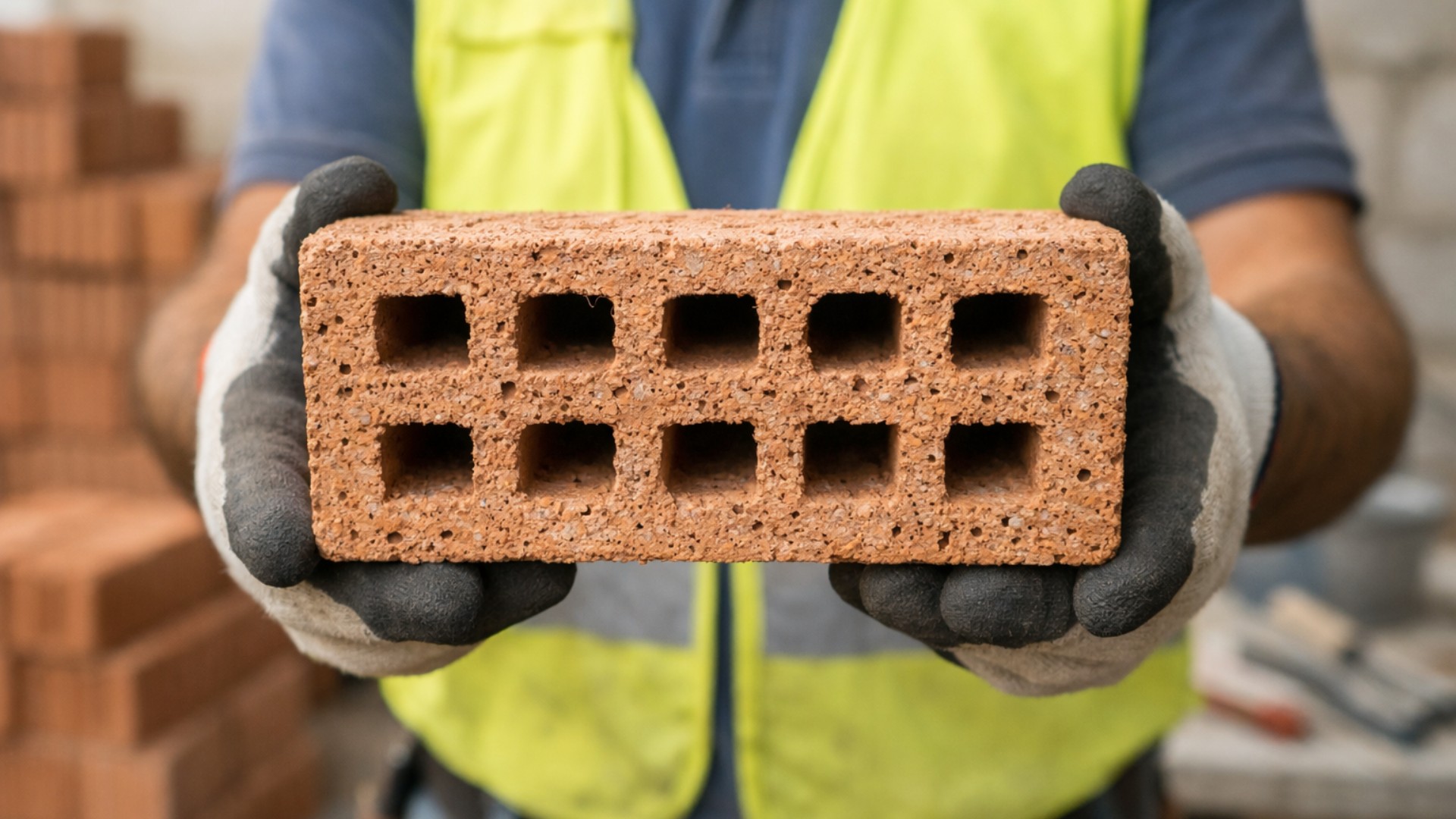
Scientists use sawdust mixed with clay to create a lighter brick, promising efficient thermal insulation and impressing by transforming waste into a solution for construction.
-
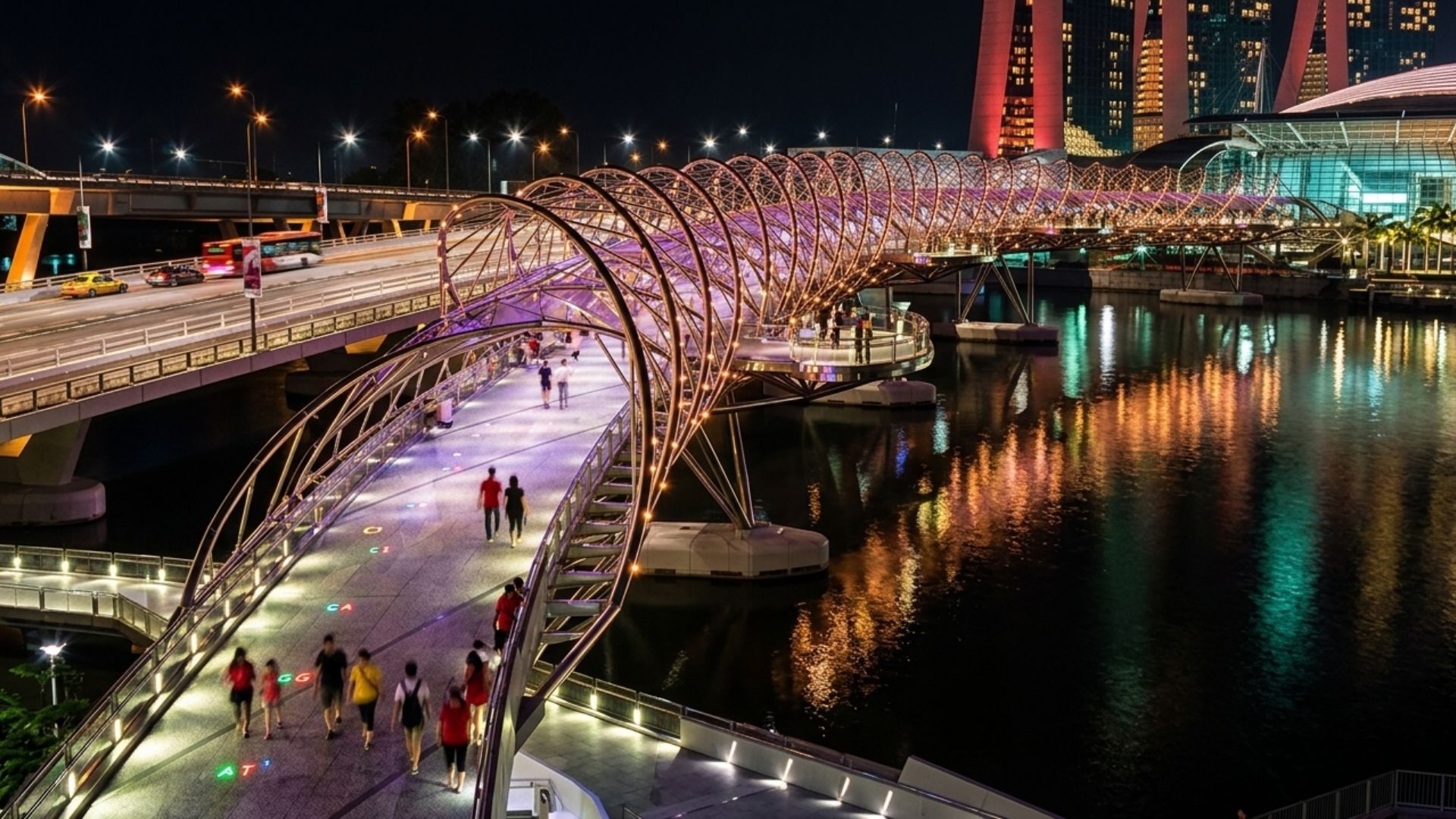
With a DNA shape, this bridge in Singapore draws attention in modern architecture and surprises tourists by transforming a simple crossing into an unforgettable visual experience in the urban heart.
-
Giant underwater pipeline begins to take shape with a R$ 134.7 million project at the Port of Santos: the 1.7 km structure uses 12-meter and 700 mm pipes to supply water to 450,000 people in Guarujá.

The solution was bold: to take the high-speed railway into the Gobi Desert, ensuring a continuous and faster corridor for passengers and regional development.
How the Route Was Defined Among Mountains, Valleys, and Sand Dunes
Before any construction, the layout had to be planned to reduce detours and maintain efficiency.
Experts analyzed maps and designed each curve to minimize travel time and improve performance along the way.
The route starts in Lanjou, passing through provinces such as Gansu, Kinhai, and Shinjang, crossing the Gobi Desert, ascending to the Kilian Mountains, and ending in Urumqi. The choice of the route was as important as the construction itself.
Soil, Wind, and Environment Studies Before the First Machine
There were also seismic studies and wind measurements to anticipate critical sections. The goal was simple: to prevent the “unpredictable” from becoming a surprise during the operation of the high-speed railway.
Building in the desert and mountains requires different decisions for each segment. Data was collected on dune movement, flooding risks, soil characteristics, and even subsurface geology using specific tools.
Sand Stabilization and Firm Base: The Desert Had to Become “Ground”
The first challenge was instability. Dunes shift rapidly, and the soil is loose; thus, it was necessary to turn sand into a solid base.
One solution was sand stabilization with a grid pattern on the ground using bamboo, straw, and twigs, reducing the wind’s impact.
Then came leveling and compaction with heavy machinery, applying water to bind particles, layers of earth, gravel, and geotextile mats.
In persistent areas, even cement was used. The high-speed railway only exists because the desert was gradually “tamed.”
Why Part of the Line Had to Be Elevated


Even with the base prepared, the wind continues to carry sand. If sand accumulates on the tracks, the risk of derailment increases.
Therefore, along large stretches, the line was elevated on pillars and beams, reducing the chance of sand mounds forming directly on the track.
To support trains weighing hundreds of tons, deep foundations were used with concrete and steel piles, driven down to more solid layers of the subsoil.
This was a more expensive choice, but crucial for keeping the high-speed railway safe in the desert.
Automated Tracks and Precision for Operating at High Speed
With the structure in place, the installation of the tracks progressed with machines that position sleepers, lay steel tracks, and secure everything while teams make fine adjustments. In stretches with extreme weather or difficult terrain, some of the work needed to be manual.
In a high-speed line, small mistakes become big problems. Therefore, the focus was on aligning, leveling, and stabilizing each segment with rigor.
Protection Against Sand and Extreme Winds Above 190 km/h
In addition to sand, wind is a constant risk. Regions in the Gobi can record winds exceeding 190 km/h, and high-speed trains are vulnerable to side gusts.
To address this, critical segments were equipped with windbreak walls, and where necessary, elevated tunnels protect the train from the inside while the outside is shaped to deflect gusts.
The high-speed railway needed to be designed with an operability focus, not just the construction.
Tunnel in the Mountains and the Highest Point of the Line
After conquering the desert, the railway still faced mountainous terrain. It was necessary to build viaducts and drill tunnels to maintain an efficient route.
A notable landmark is the Kilan Tunnel, where the tracks reach the highest point, at 3,607 m above sea level, making the line one of the highest in the world in its category.
The desert was not the only enemy: altitude also played a role.
Strict Testing and the Reduction of 8 Hours in Travel Time
Before the inauguration, a series of tests were conducted: load, temperature variations, safety in crosswinds, sand monitoring, and emergency protocols in tunnels.
The result is evident in everyday life: a route that previously took about 20 hours is now completed in 12 hours, an 8-hour reduction per trip. The high-speed railway not only shortens distances, it changes habits and life planning.
Economic, Logistical, and Strategic Impact in Western China
The connection with less developed areas attracts investors and companies, expands opportunities, and accelerates urban growth.
Moreover, separating passengers from freight improves efficiency: with the new line focused on passengers, the old railway is freer for goods.
There is also a strategic component: Shinjang borders eight countries, and fast connections enhance administrative and military response capacity, strengthening the presence and control of the central government. Behind the high-speed railway, there is engineering as well as geopolitics.
Continuous Maintenance with Sensors and Inspections
The inauguration does not end the work. Wind sensors monitor speeds in real time and can automatically reduce the trains’ speed or halt service under dangerous conditions. Teams also remove sand, inspect walls, tunnels, and viaducts, and robots have begun to assist with inspections.
In an environment like the Gobi, the high-speed railway remains stable only with active maintenance and a prevention routine.
If it were in your country, would you support a billion-dollar high-speed railway crossing a desert to integrate isolated regions, or would you think the cost would not be justified?






Como puede un trayecto de 2 kilómetros reducir el viaje en 9 horas?????
Sean más cuidadosos con la redacción de sus artículos!
Vergüenza China ! 2 km los hago caminando de rodillas a los70 años.
Como ciudadano de la República Dominicana (rica y pujante ínsula caribeña), muy sinceramente, siento gran satisfacción y orgullo ajeno por el vertiginoso avance, acelerado crecimiento y eficiente y efectivo desarrollo integral de “CHINA”, el gigante asiático que despertó como el líder global indiscutible.
El dragón asiático, literalmente, ha venido a equilibrar, a competir y a triunfar integralmente estableciendo un tablero internacional multilateralista, inversionista y desarrollista en todos los niveles; evidenciando una capacidad económica y negociadora mundial superior muy por encima de sus competidores más cercanos e imponiendo positivamente una participación abierta, además de dictar las reglas internacionales que imponen la cooperación mutualista, vanguardista, modernizadora, desarrollista, estructuralista, no hegemónica, no intervencionista y no militarista.
Saludamos con agrado y beneplácito la participación activa del gigante asiático que vino para quedarse, a la vez que desplaza la unilateralidad egoísta imperialista y anquilosante que limita el desarrollo soberano de las naciones que conforman el tablero global.