





 Portuguese
  English
  Spanish
  3 min of reading
  1 comment


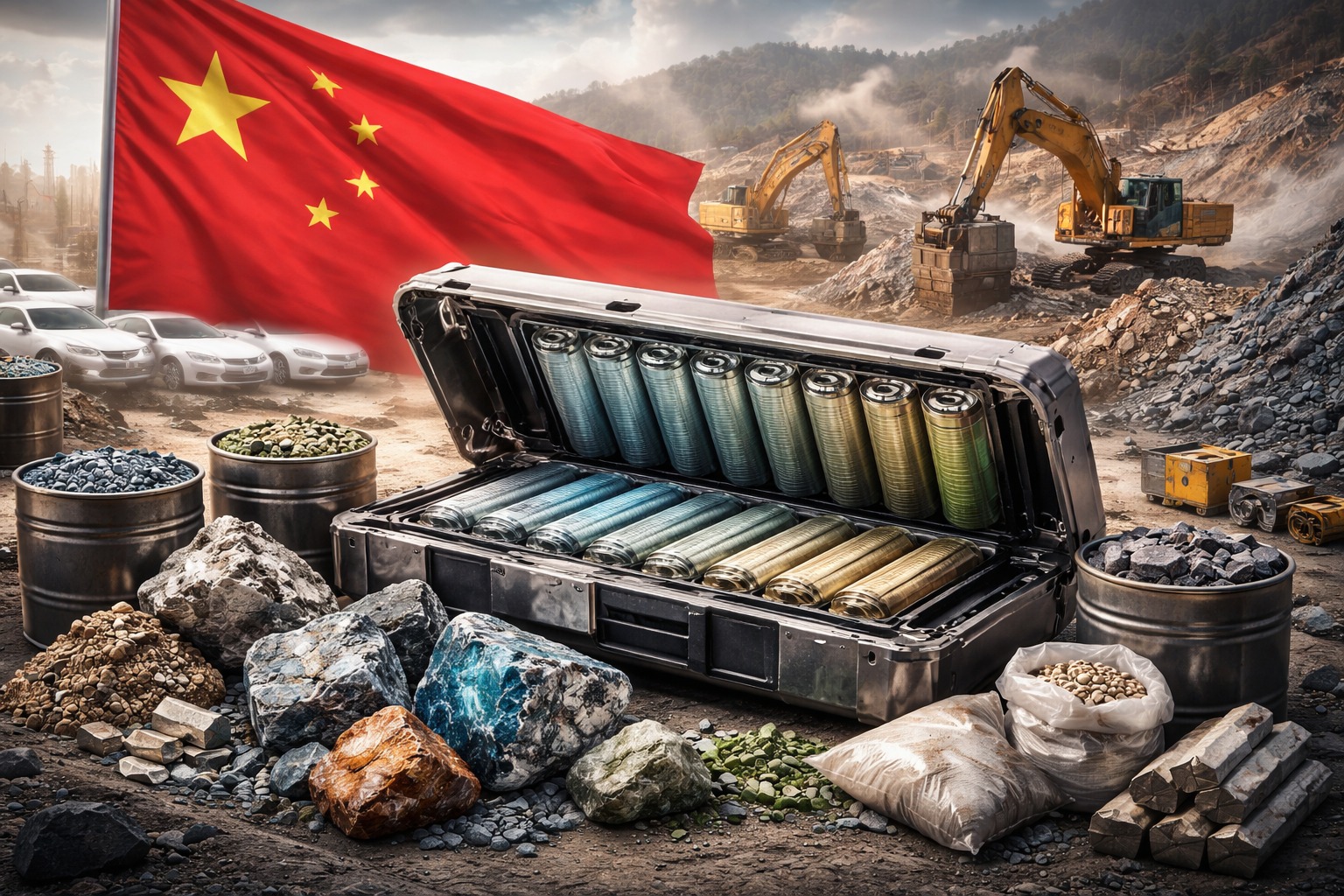


Recent Data From The Mining And Recycling Sectors Indicate That China Faces Accelerated Depletion Of Strategic Materials For Batteries, With Limited Domestic Reserves And Increasing Dependence On Rare Earths And Imported Metals To Sustain Electric Vehicle Production
China maintains its global leadership in the manufacturing of batteries for electric vehicles, but recent data from mining and recycling indicate accelerated depletion of domestic reserves, with less than 15 years of lithium, only 3.8 years of nickel, and total dependence on imported cobalt.
Reserve Diagnosis And Demand Pressure
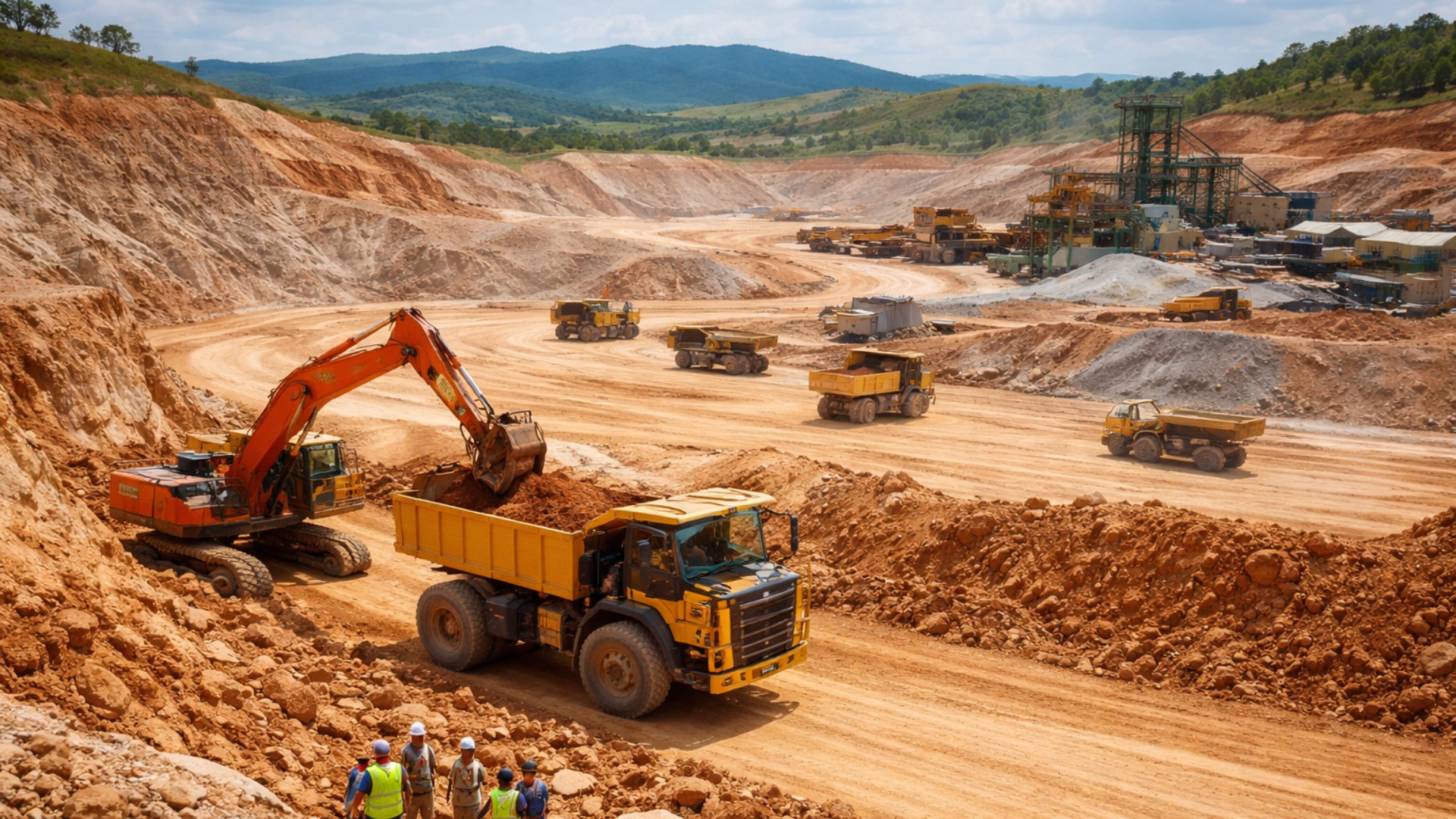
The information was presented during a visit to one of the largest industrial hubs for mining and recycling in the country and considers the remaining years of proven reserves, based on the current extraction rate. The scenario occurs in a context of accelerated growth in global electric vehicle production, reducing the Chinese industry’s margin for maneuver.
Although China dominates battery manufacturing, its natural resource base shows clear signs of exhaustion. The advancement of domestic and external demand intensifies pressure on critical raw materials, making access to foreign supplies a central factor for the continuity of production.
-
What if the Sun disappeared suddenly? Simulation shows Earth in darkness within minutes, extreme cold, and rapid collapse of life on the planet.

-
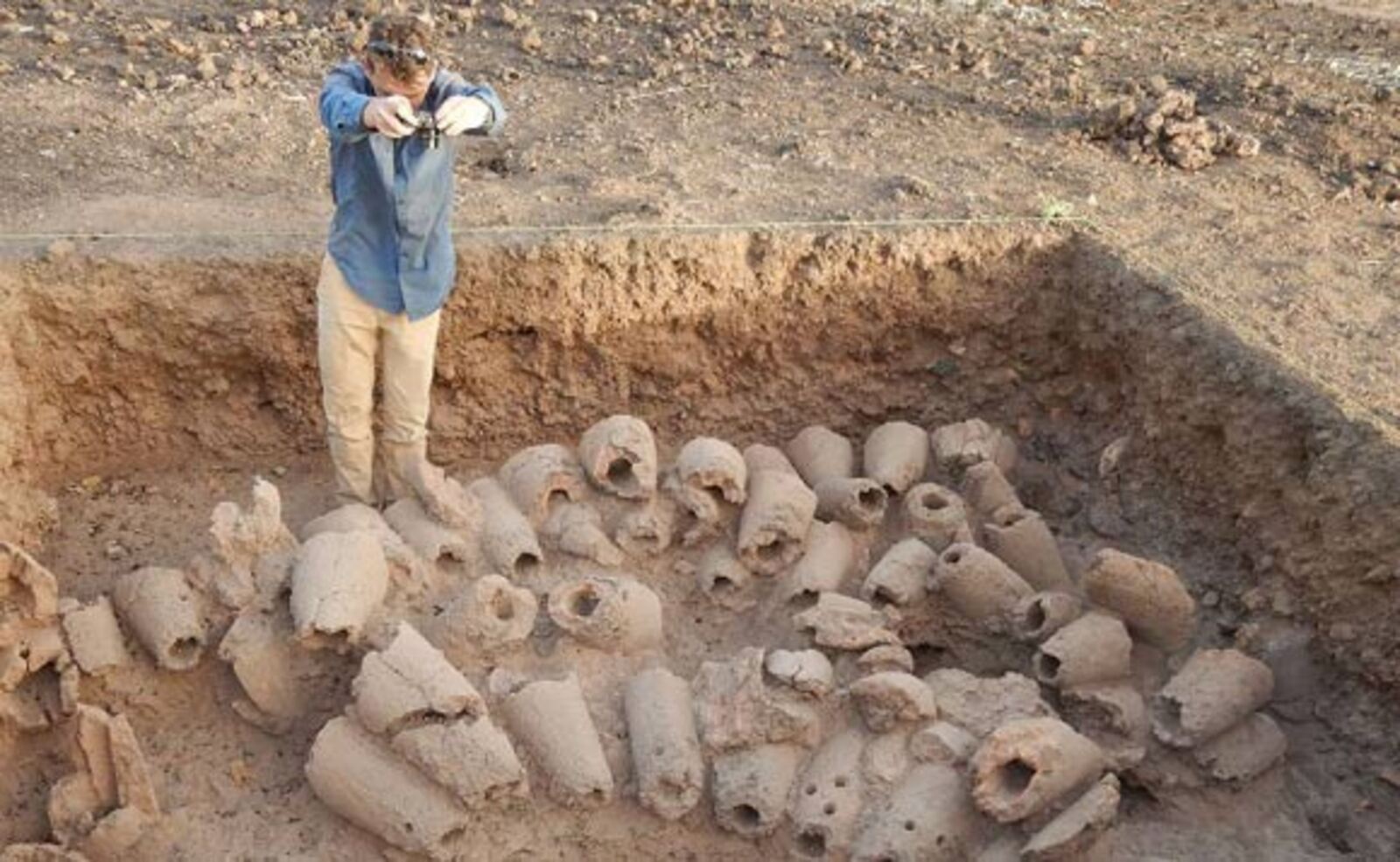
A 2,400-year-old iron foundry has been discovered in Senegal with 100 tons of slag, 35 furnace bases, and signs of nearly eight centuries of continuous metallurgical activity.
-
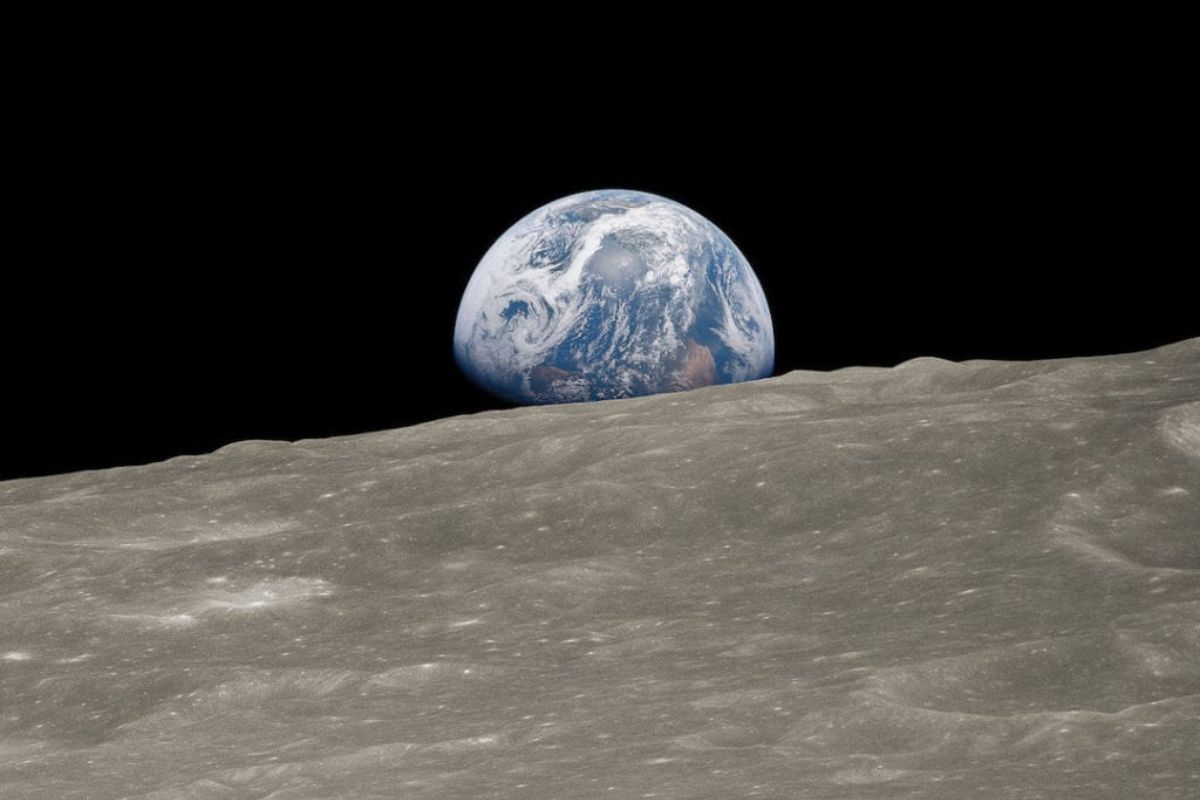
Four humans are flying towards the Moon inside the Orion capsule launched by the SLS rocket, and on April 6, Artemis II will disappear behind the far side of the Moon without communication with Earth for nearly an hour.
-
Worlds covered by water, atmospheres filled with hydrogen, and the possibility of life beyond Earth: ocean planets are rewriting the map of cosmic search and forcing scientists to rethink where to look.


Limited Lithium And More Complex Extraction
According to available data, China’s lithium reserves would be sufficient for about 14.6 years. However, this timeframe is likely to shorten rapidly in light of the expansion of battery production capacity. Furthermore, a large portion of domestic lithium is extracted from salt flats in the Tibetan Plateau of Qinghai, where the process is more complex and costly than in other producing regions.
This condition helps explain the aggressive strategy of asset acquisition abroad. Chinese companies have intensified the purchase of mines in Africa and South America, seeking greater supply predictability and more competitive costs in the long term.
Nickel With Imminent Risk Of Scarcity
The situation regarding nickel is even more sensitive. National reserves would cover only 3.8 years of consumption at the current pace. The metal is essential for high-energy-density batteries, especially those of the NMC type used in long-range electric vehicles, which amplifies the potential impact of scarcity.
To mitigate this risk, China has begun investing billions of dollars abroad, notably in projects in Indonesia. The development of processing plants with HPAL technologies allows for increased access to nickel beyond national borders and sustains the production chain for a longer period.
Cobalt And Total Dependence On Imports
Cobalt represents the most critical point of the equation. China no longer has economically viable domestic reserves and is completely reliant on imports. In practice, this has resulted in control over significant portions of the supply chain in the Democratic Republic of the Congo, the world’s largest producer of the metal.
This total dependence gives cobalt high geopolitical relevance. The need for long-term contracts and stakes in strategic areas has become central to ensuring supply stability, even in the face of political and operational risks.
Recycling And New Chemistries As A Structural Response
In light of the depletion of natural resources, China is accelerating investments in battery recycling, recovering lithium, nickel, and other materials from electric vehicles at the end of their life cycle. At the same time, policies promoting alternative chemistries, such as LFP and sodium batteries, seek to reduce dependence on scarce metals.
In a market where more than half of the world’s electric cars are produced in the country, continuous access to raw materials has become decisive for the future of global electric mobility, conditioning industrial strategies, external investments, and the very security of the supply chain.






O Brasil não teria como se defender, vejamos: no Brasil existem 50% de Bolsonaristas, traidores da pátria, oradores de pneus, entreguistas, vendilhões, portanto sobraria os outros 50% para lutar contra esses Bolsonaristas pelegos, corruptos, que se vendem por presentes em jóias, e ainda ter de enfrentar os EUA e a OTAN.