





 Portuguese
  English
  Spanish
  4 min of reading
  13 comments


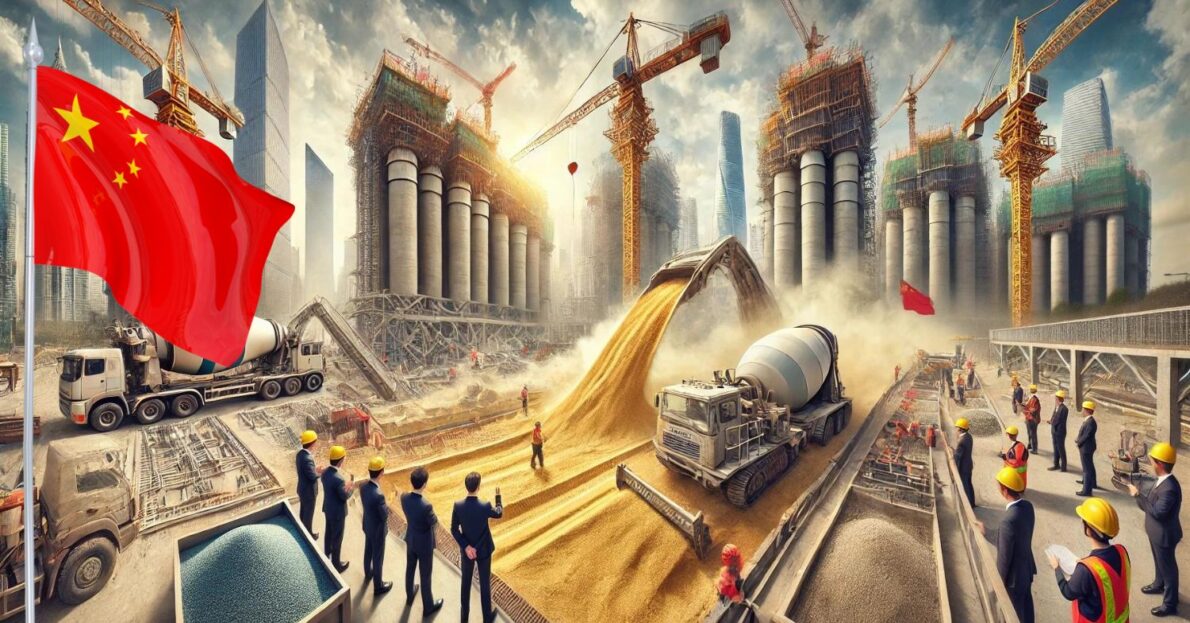


China Surprises The Construction Industry By Creating Artificial Sand, Offering Hope To Solve A Global Resource Crisis.
China, known for its rapid urban growth and economic development, is at the center of a transformation in the construction industry. A recent study revealed that about 80% of the sand used in construction in the Asian country is now manufactured, meaning it is artificial sand, marking a turning point in civil engineering and offering hope to solve a global resource crisis. This change represents not only a technical advance but also a response to the growing environmental concerns related to the extraction of natural sand.
The Role Of Sand In Civil Construction
Sand is the second most used resource on the planet, surpassed only by water. It is essential in civil construction, making up a considerable part of concrete, asphalt, and other building materials. Historically, natural sand has been extracted from rivers, beaches, and seabeds to meet the demand of the construction industry. However, rapid population growth and urbanization in recent decades have accelerated the depletion of these natural reserves, creating an imminent crisis.
According to the United Nations Environment Programme (UNEP), approximately 50 billion tons of sand and gravel are extracted globally each year for construction. This amount would be sufficient to build a wall 27 meters wide and high around the entire planet. China, which has undergone massive urbanization in recent decades, with its urbanization rate jumping from 17% to 58% over the last 40 years, is one of the largest consumers of this resource.
-
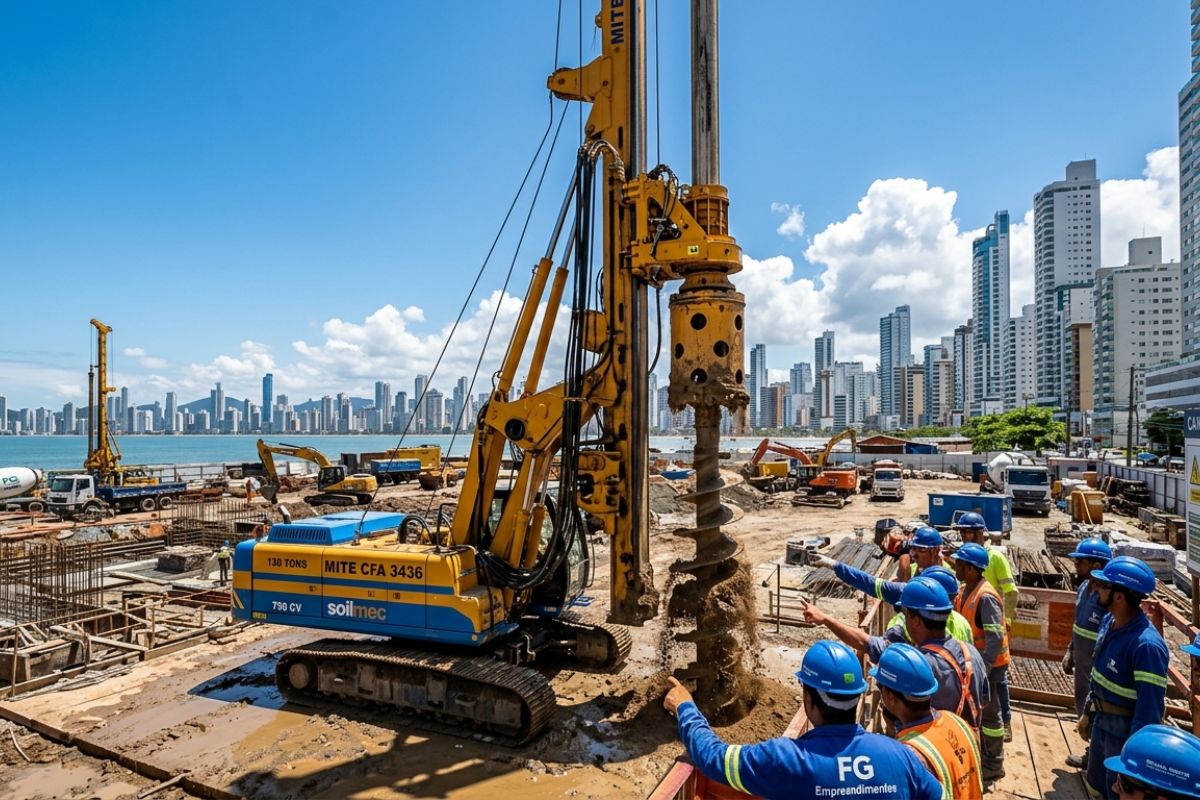
Italian giant of 130 tons arrives at the Senna Tower construction site and accelerates foundations: Mite CFA 3436 drills up to 50 m, 750 hp engine, investment of R$ 20 million, unique in Latin America.
-
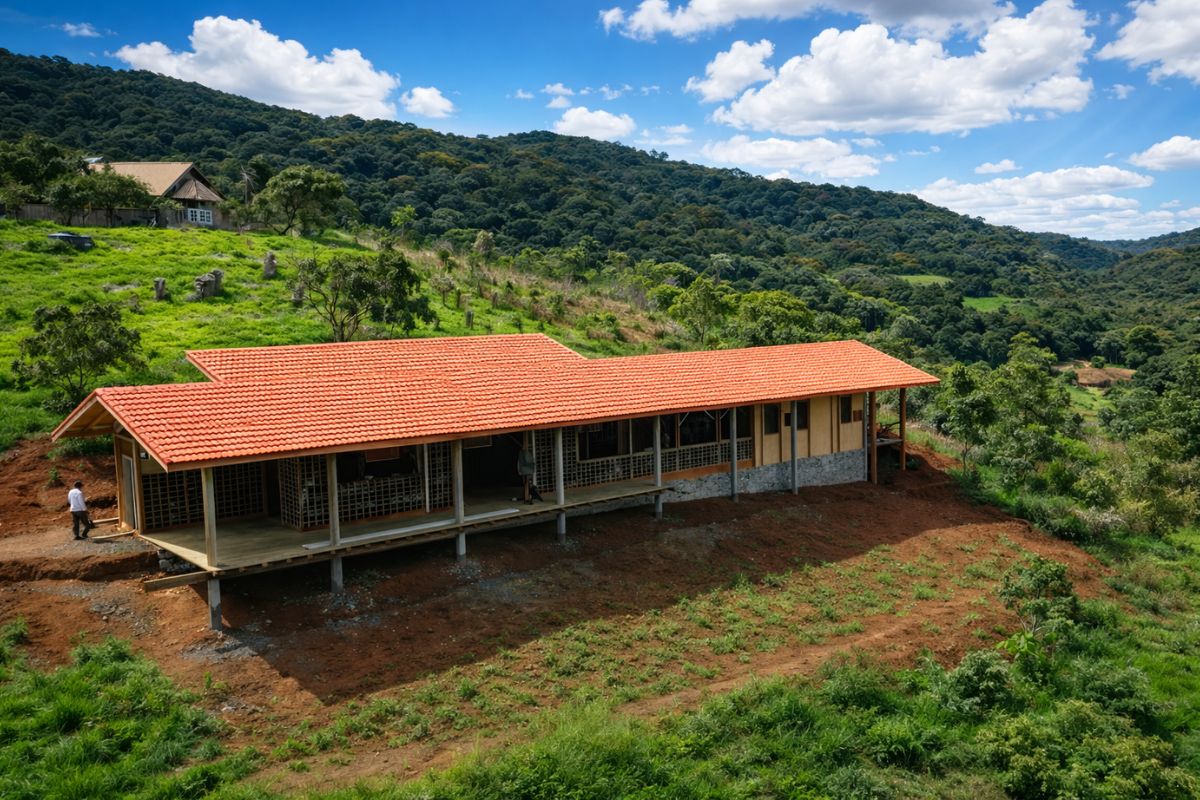
The adobe house in Monteiro Lobato takes shape with bamboo and clay from the land, a stone foundation, and a roof for the wind; cracks are normal, and finishing with lime turns it into a “common house.”
-
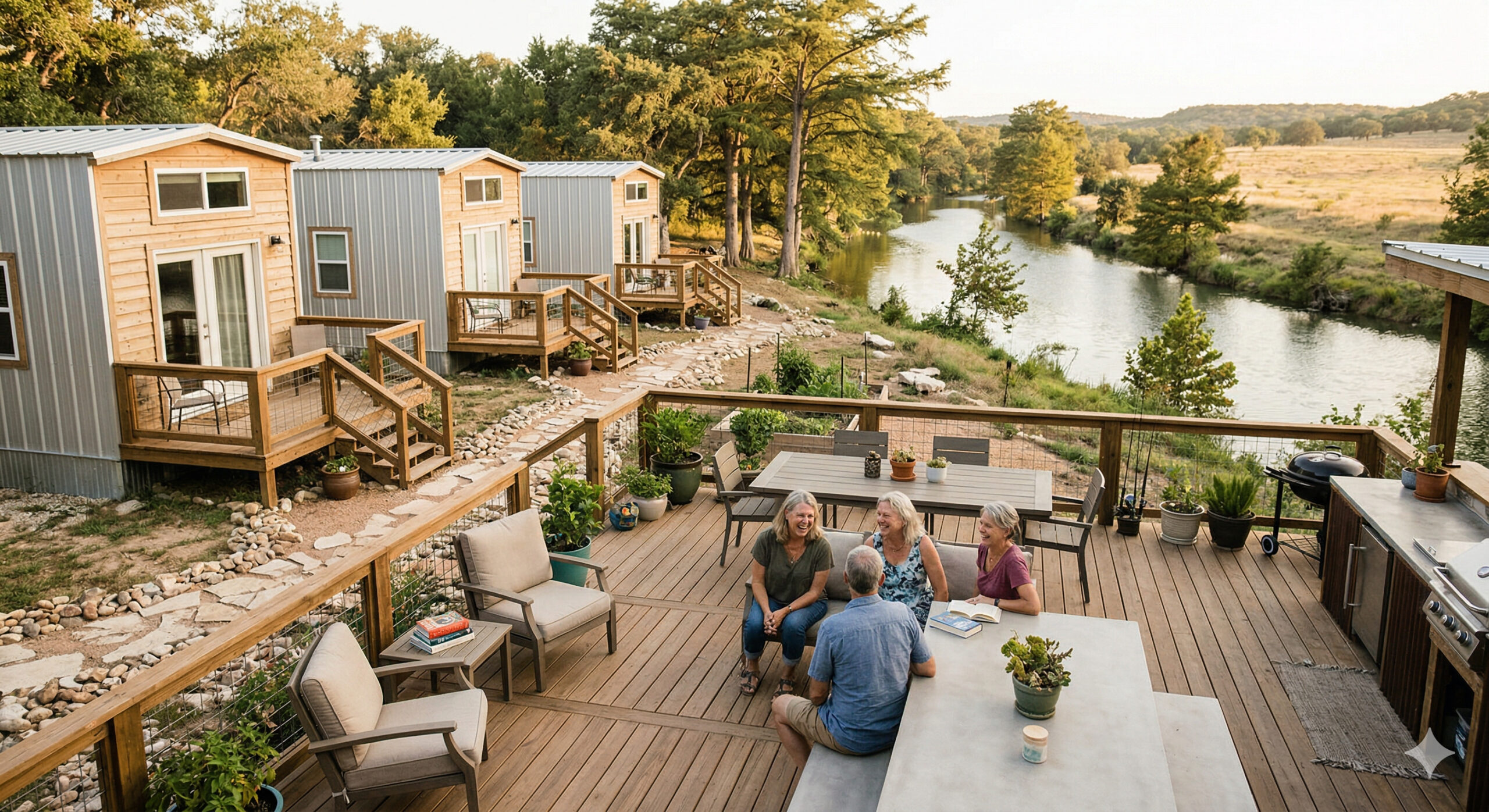
Four friends with over 30 years of friendship built a “mini village” by the banks of a river in Texas to grow old together, with houses of just 32 m² and a shared common space. The Bestie Row project has become a model of alternative living that is starting to spread around the world.
-
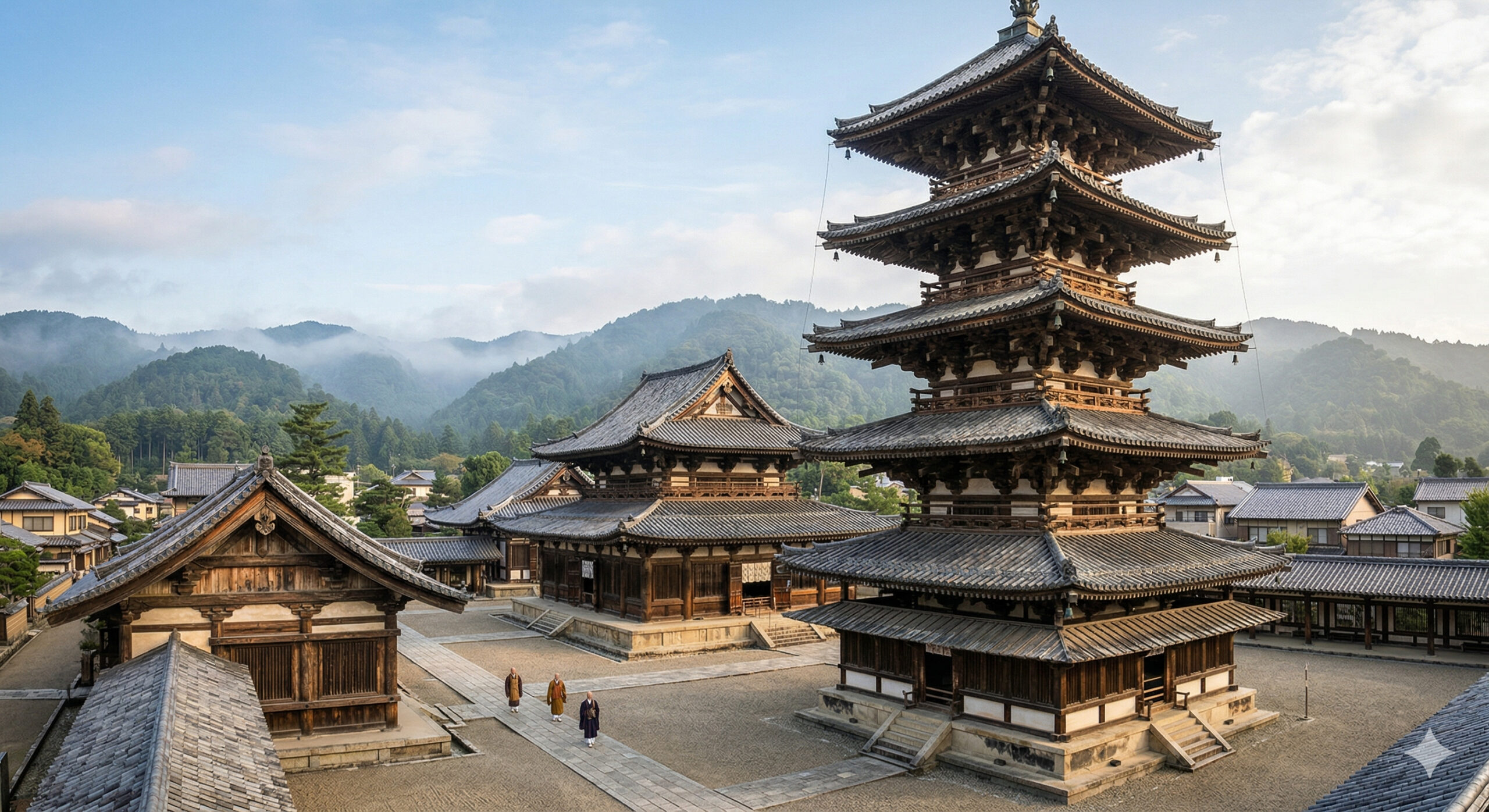
The ancient Japanese capital, planned over 1,200 years ago, still withstands earthquakes with colossal wooden temples and palaces, built without concrete or modern steel, by masters who created engineering capable of enduring centuries.

Resource Depletion Led China To The Use Of Artificial Sand
Faced with the depletion of natural sand reserves and the environmental impacts associated with its extraction, China found itself compelled to seek alternatives. According to a study published in the journal Nature Geoscience, the production of artificial sand – made through crushing and screening rocks or mining waste – has grown considerably in the country. Between 1995 and 2020, the supply of sand in China increased by about five times, with most of this increase coming from artificial sand.
The production of artificial sand in the Asian country has grown at an average annual rate of 13%, surpassing the supply of natural sand in 2011. In 2020, the proportion of natural sand compared to the total sand supplied in the country fell to around 21%, a drastic decline from the 80% in 1995. This change marks a milestone in the history of civil engineering, especially considering that China’s sand consumption accounts for an impressive portion of global usage.
Strict Government Policies Also Led To A Transition From Natural Sand To Artificial
The transition from natural sand to artificial sand in China was not only a response to the depletion of natural resources but also a consequence of strict government policies.
In 2016, the Chinese government intensified regulation of sand mining in rivers, in response to the environmental damage caused by unchecked extraction. Additionally, illegal sand mining became the target of an environmental inspection campaign, leading to the implementation of restrictive policies to limit the extraction of natural sand.
This regulatory change increased the demand for artificial sand, leading to the emergence of large aggregate production lines for construction across the country. Currently, two or three suppliers along the Yangtze River have an annual production capacity of at least 70 million tons of artificial sand, placing China among the top five producers in the world.
Artificial Sand Reduces Environmental Impact In China
The sustainable use of sand has become a global concern in recent years, not only as a matter of resources but also due to the environmental impacts that natural sand mining can cause. Riverbank erosion, loss of biodiversity, and deterioration of water quality are some of the environmental consequences associated with unregulated natural sand extraction.
The Chinese practice of transitioning to artificial sand provides a valuable example for the world, demonstrating that it is possible to mitigate the impact on natural resources during industrialization and urbanization.
The construction industry in China, by adopting artificial sand as the main alternative, has not only ensured the continuity of its large-scale infrastructure projects but also contributed to environmental preservation.
Future Of Civil Construction In China
The transformation of the civil construction industry in China, with the increasing adoption of artificial sand, highlights the importance of innovative solutions to global environmental problems. The country, which has already faced considerable challenges due to its rapid urbanization and economic development, has managed to find a sustainable alternative for an essential resource in construction.
As other nations observe the Chinese example, it is likely that the demand for artificial sand will grow worldwide, especially in countries that also face depletion of their natural sand reserves. The transition to the use of artificial sand may represent a crucial step toward building a more sustainable future that is less dependent on finite natural resources.
The Chinese experience shows that, with the implementation of appropriate policies and the development of innovative technologies, it is possible to achieve a balance between economic growth and environmental sustainability. The global construction industry can benefit from this approach, ensuring that infrastructure needs are met responsibly and sustainably.




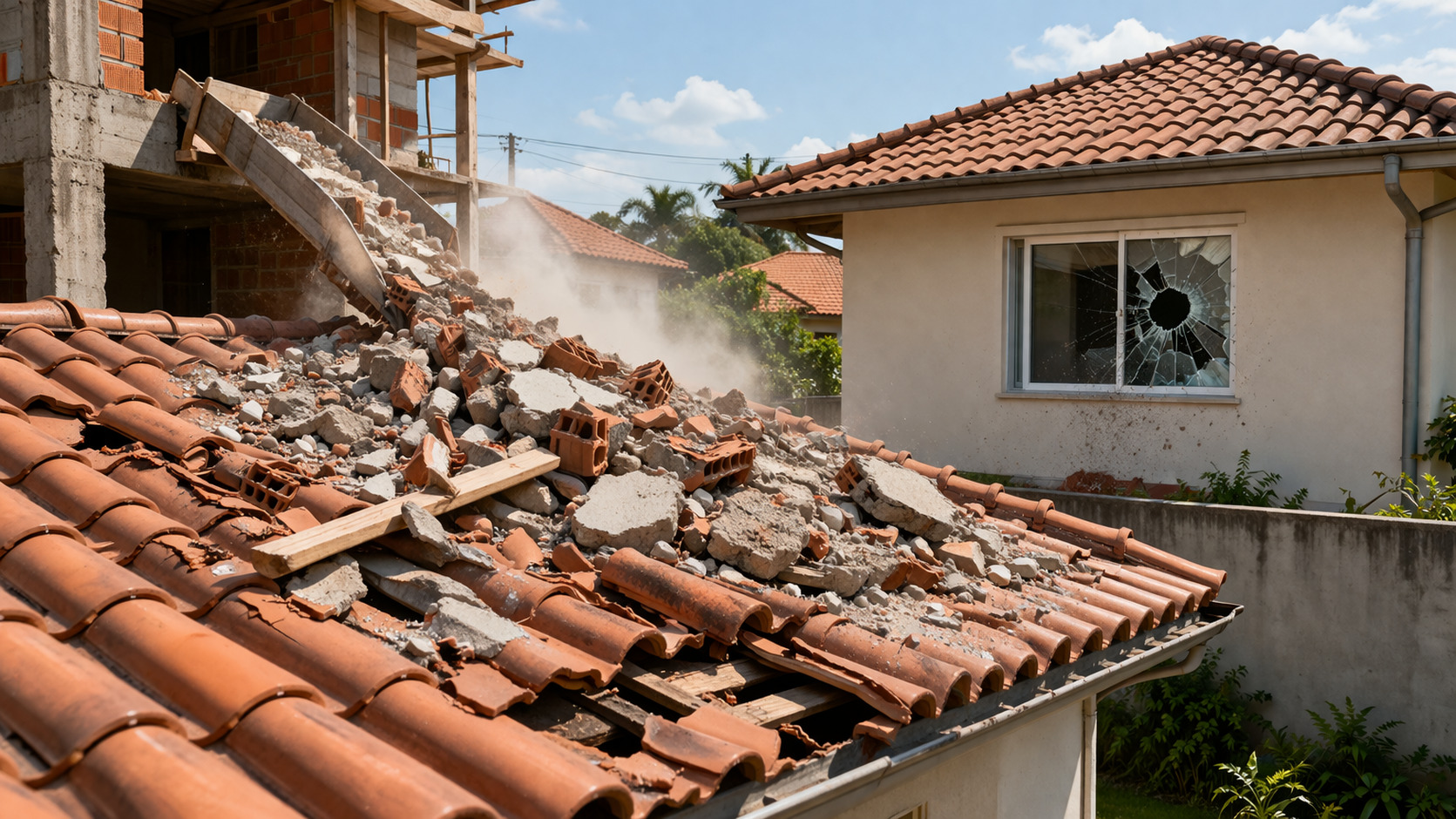


No Brasil os rios estão assoreados por areia tais como em Mato Grosso Sul os rios Miranda, Taquari, Aquidauana e outros
https://linksharing.samsungcloud.com/6wbQxcGdNyhr. Refere-se a pesquisa brasileira em 1995 . Desculpe-me mas não estou conseguindo enviar a cópia da patente. Poderei enviar por e-mail para algum repórter que tenha interesse de noticiar. Abço. Luizmar da Silva Lopes.
Tenho notícia muito melhor. Pesquisa brasileira Adobe Scan 16 de ago. de 2024.pdf.. Se houver interesse com maior detalhes, podem entrar em contato comigo pelo e-mail. Esta pesquisa foi patenteada em agosto de 1995.