





 Portuguese
  English
  Spanish
  2 min of reading
  0 comments


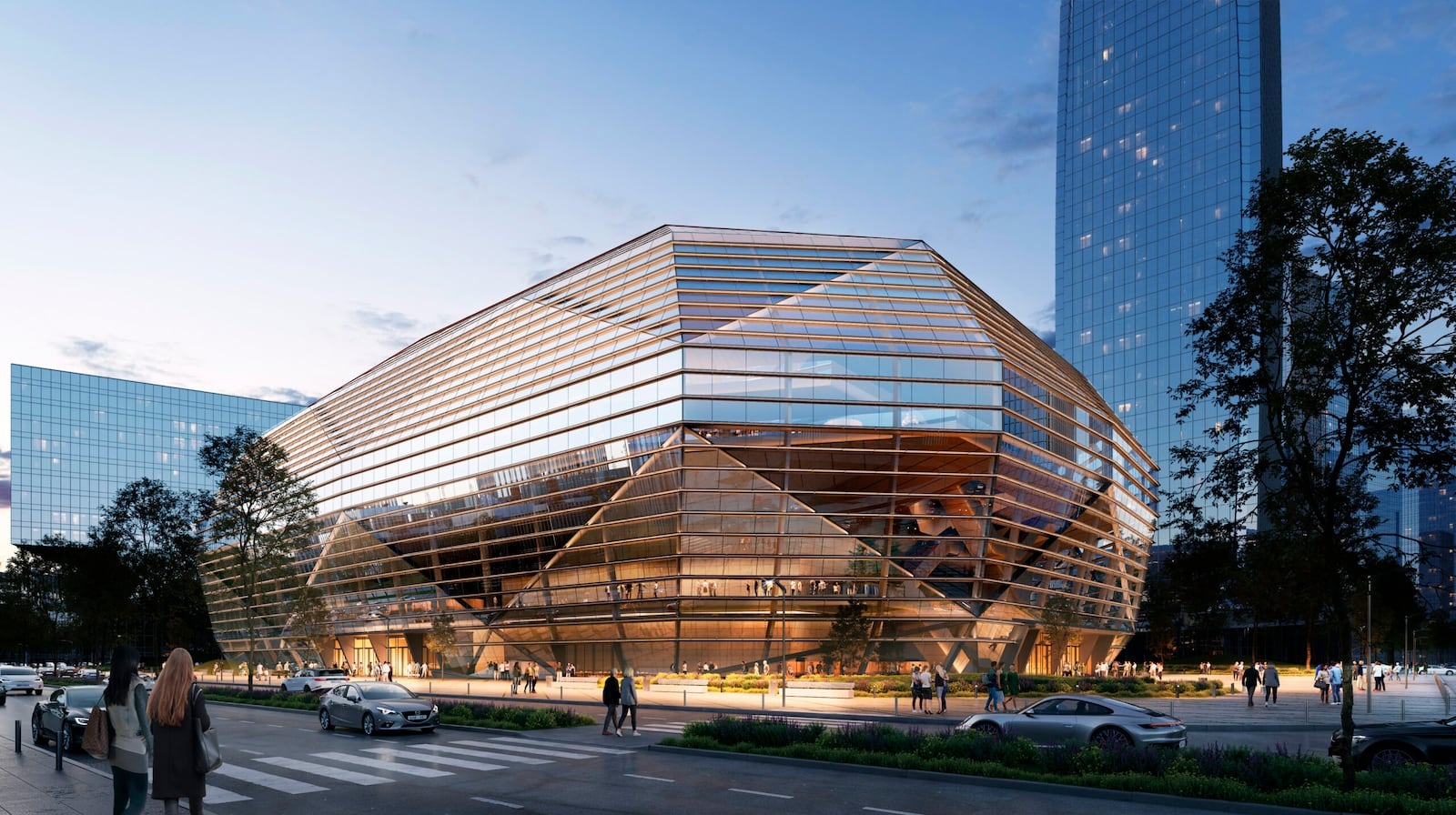
West Bund Convention Center in Shanghai Combines Diamond-Shaped Design and Artificial Intelligence to Create Technological Space on the Banks of the Huangpu River Oriented to Events and Innovation
A building in Shanghai, China, attracts attention for its diamond shape and the use of artificial intelligence in its design. Located on the banks of the Huangpu River, the West Bund Convention Center was conceived as a space for technological events, symbolizing recent advancements in architectural design.
Technology-Driven Building Design
The building integrates modern solutions developed with the support of artificial intelligence, employed as a central tool in the creative process led by experienced architects and multidisciplinary technical teams.
The project sought to balance aesthetics, functionality, and sustainability while respecting site limitations and guidelines established beforehand by the professionals responsible for the final architectural design.
-
Artificial intelligence is skyrocketing energy consumption, raising emissions from tech giants and pushing Google, Microsoft, and Meta closer to natural gas.

-
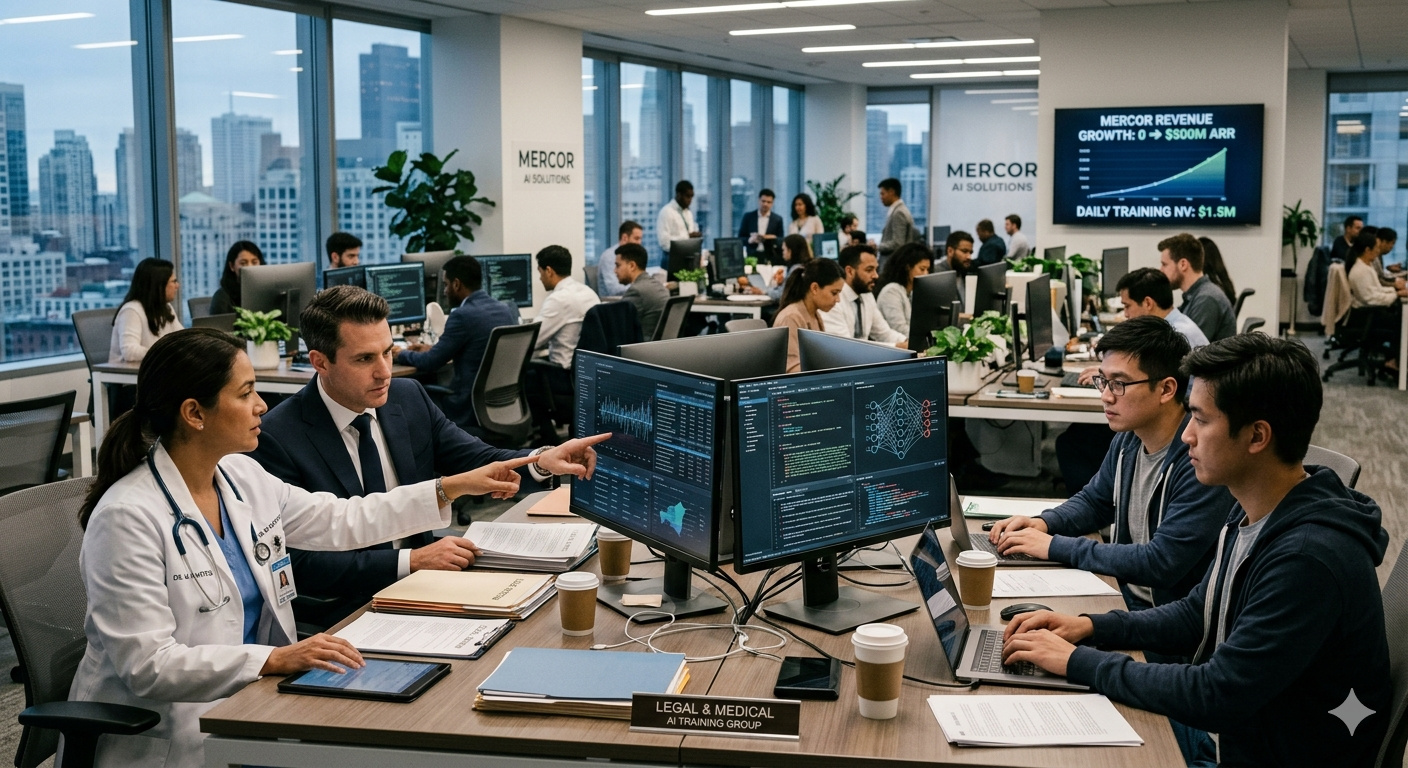
Mercor paid $1.5 million per day for doctors, lawyers, and former Goldman Sachs bankers to teach artificial intelligence to do their jobs, and in 17 months, it went from zero to $500 million in annual revenue while its own contractors accelerated the replacement of their own work.
-
Casio Unveils Moflin, Robotic Pet With Artificial Intelligence Designed To Provide Emotional Comfort And Simulate A Permanent Affectionate Bond

-
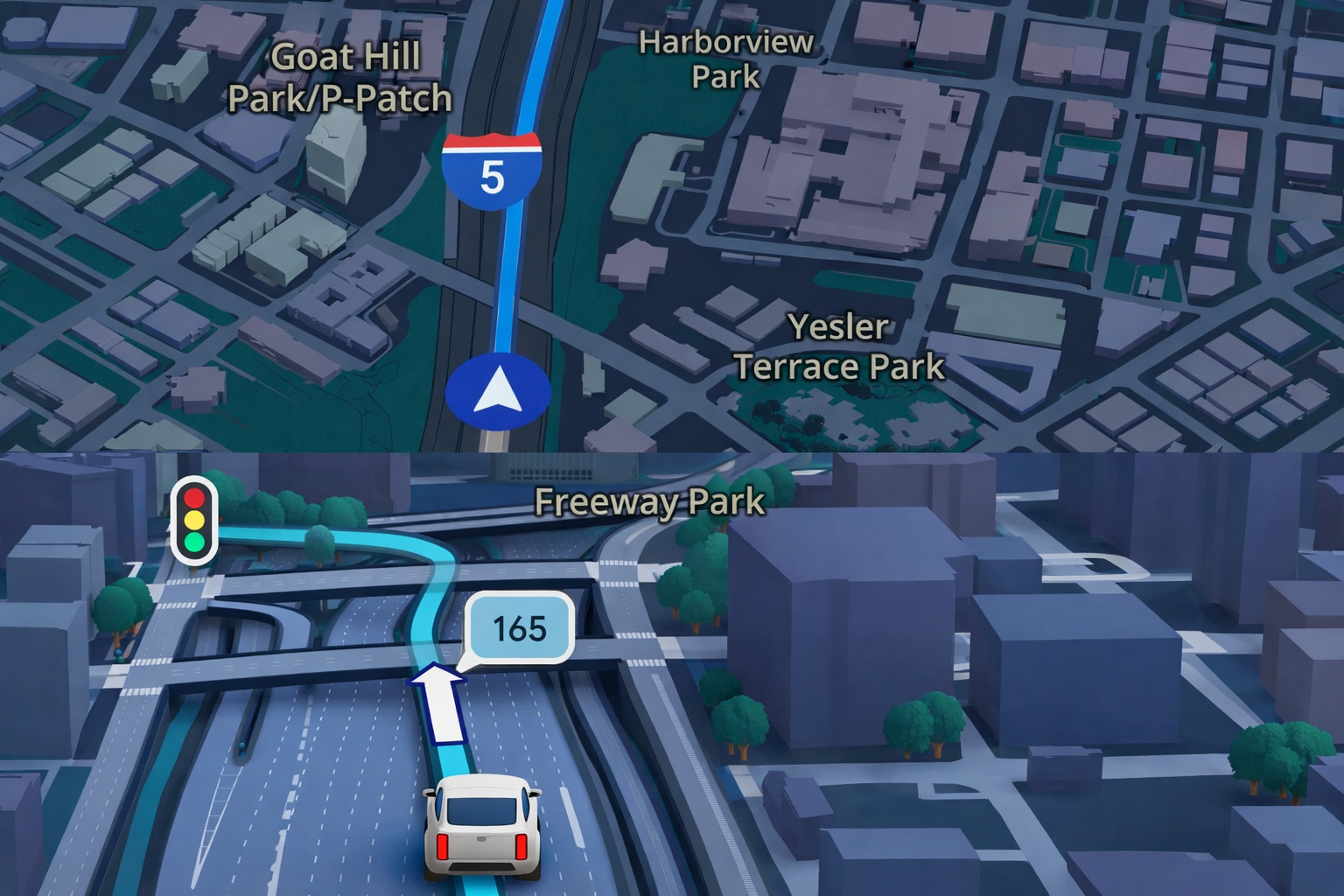
Google Maps Revolutionizes GPS Navigation With Gemini Artificial Intelligence, Ask Maps Feature, and Advanced 3D Visualization for Route and Travel Planning

The company SOM (Skidmore, Owings & Merrill) adopted technology to test shape and structure alternatives, without delegating final decisions exclusively to automated systems.
According to the company itself, the method allowed for the rapid evaluation of complex geometric combinations, optimizing material use and structural efficiency throughout the development.
AI-Assisted Creation Process
Artificial intelligence was applied within a guided workflow, where algorithms helped adjust the angles of the facade and general volumes of the building.
This innovative process resulted in a compact, vertical layout designed to maximize structural performance, sustainability, and user experience in the interior space.
The company claims that the approach also optimized structural integrity, maintaining visual and functional coherence in a highly urban complex project.
Despite the intensive use of technology, the architects remained in creative control, setting parameters and critically evaluating each suggested solution.
Limits and Role of Architects
In an interview with CNN, Scott Duncan, design partner at SOM, emphasized that AI does not replace human judgment in the architectural process.
According to Scott Duncan, the algorithm still cannot distinguish what is beautiful, functioning as a tool to save time and refine existing proposals.
Duncan highlighted that technology offers precision that is difficult to achieve manually, especially in structural calculations and complex geometric adjustments during development.
The project fits into a broader context of technological experimentation in Chinese architecture, where digital solutions have been gradually incorporated into large developments.
With information from R7.








-

-

3 pessoas reagiram a isso.