





 Portuguese
  English
  Spanish
  4 min of reading
  21 comments


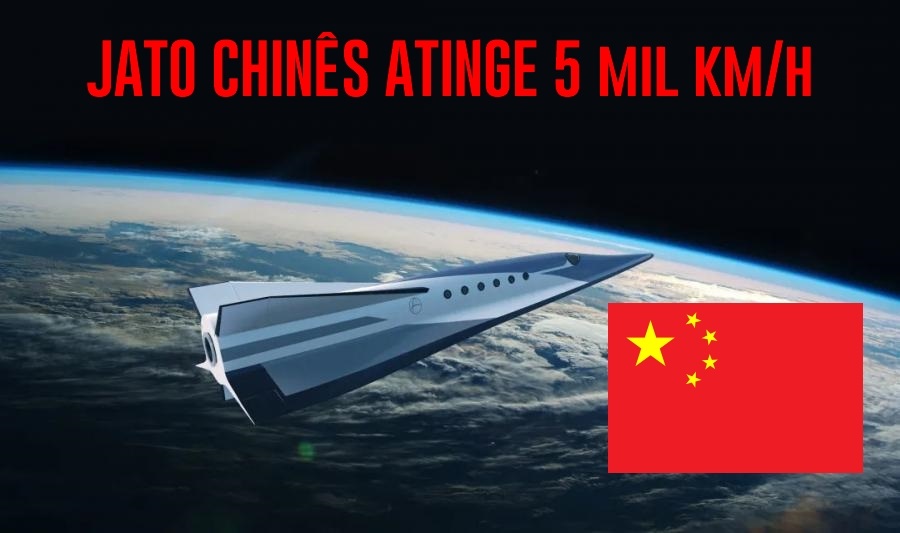


Chinese Supersonic Passenger Jet Hits Double The Speed Of The Concorde, Reaching Nearly 5 Thousand Km/h. Learn How This Innovation Could Change The Way We Travel And Drastically Reduce Flight Time!
A Chinese company based in Beijing, known as Space Transportation, recently tested the prototype of a commercial supersonic transport jet that promises to reach nearly double the speed of the Concorde, the first supersonic passenger transport aircraft from the mundo.
The company, also called Lingkong Tianxing Technology, announced the successful test flight of the Yunxing, a plane that, according to the company, can reach speeds of Mach 4, or approximately 3,069 miles per hour (4,940 km/h).
ARTICLE CONTINUES BELOWSee also
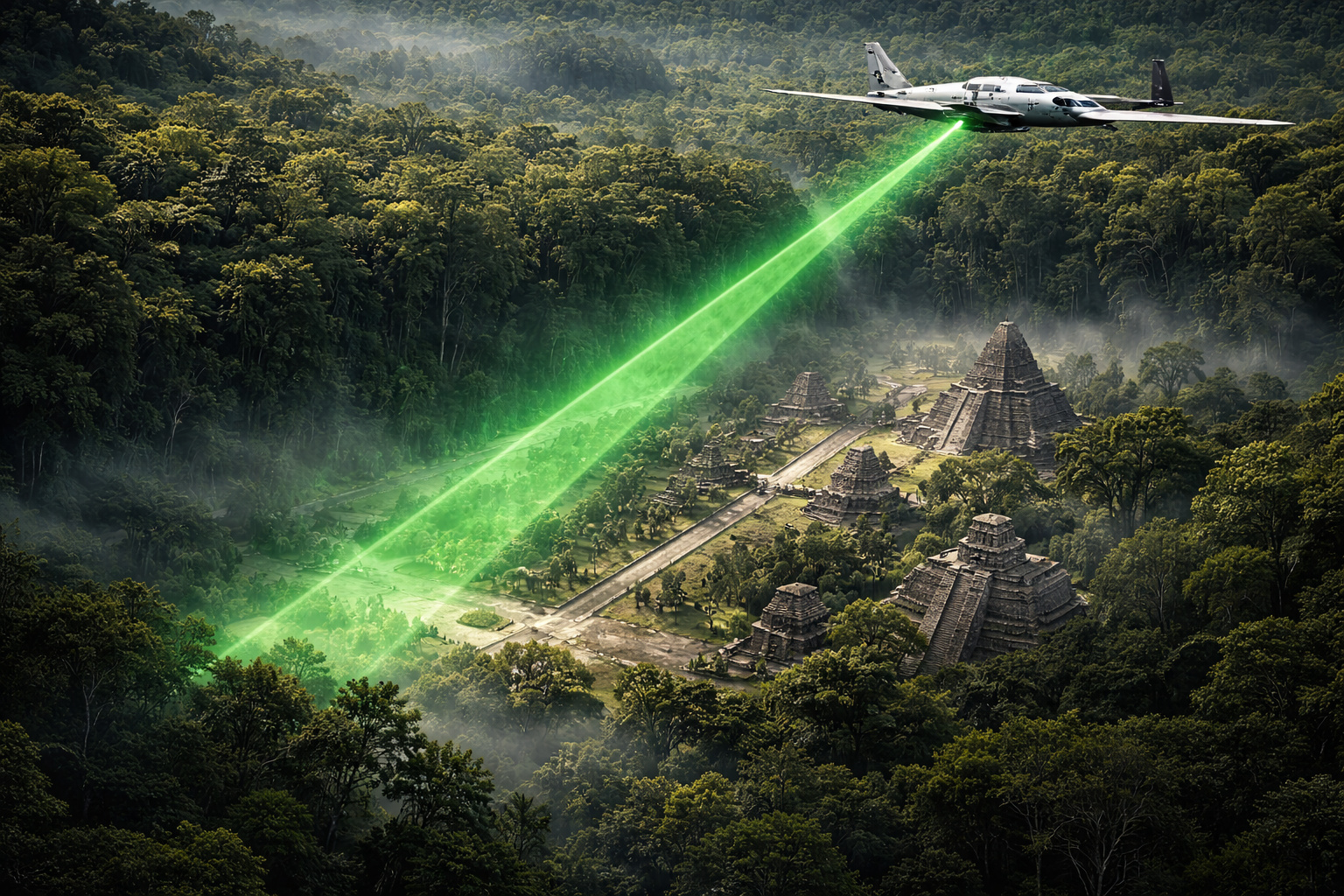
In 2016, a plane equipped with billions of laser pulses scanned 2,100 km² of jungle in Guatemala and revealed, beneath the tree canopies, a Maya megacity with 61,480 unknown structures, elevated roads spanning dozens of kilometers, industrial-scale irrigation systems, and a population of up to 15 million, three times more than any previous estimate.
Someone released 18 beavers in the upper Ebro River; it seemed like an isolated case, but no one knows who did it or how to stop their expansion, and now they have already reached Catalonia. And there’s a detail that changes the game: they can help restore rivers and even capture carbon.

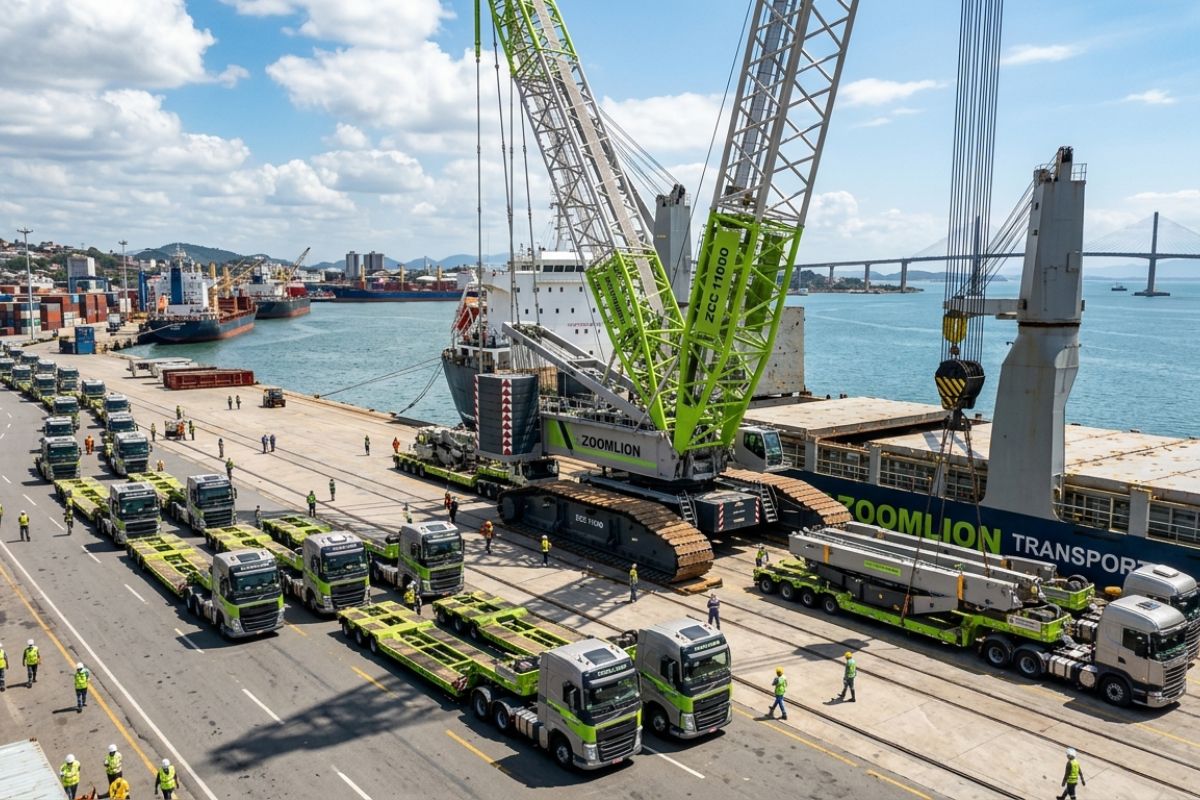
ZCC 11000 crane lands at the port of Vitória and heads to Ceará in a convoy with 64 trailers: Zoomlion, founded in 1992, builds a monster that lifts over 600 compact cars to 93 m.
The biggest drama of being born on Mars is not breathing: Rice biologist says that colonists’ children may cease to be Homo sapiens, shaped by low gravity, radiation, and isolation that divides humanity.

With plans to conduct a new engine test next month, Space Transportation expects to launch the first full-size commercial supersonic jet in 2027. The company’s ambitions indicate a new milestone in commercial aviation, which seeks significantly reduced travel times.
The Legacy Of The Concorde And The Chinese Supersonic Jet
The Concorde, which entered service in 1976, was a landmark in air transport, setting records with its supersonic flights. Developed by Sud Aviation (part of the current Airbus) and the British Aircraft Corporation, the Concorde was powered by Rolls-Royce Olympus engines, allowing it to cross the Atlantic at speeds over 1,330 miles per hour. Although the aircraft ceased operations in 2003, its impact and innovation continue to be a reference in aviation.
Now, Space Transportation plans to surpass this record by designing a commercial aircraft capable of reaching Mach 4. According to a report from the South China Morning Post (SCMP), the Chinese company claims that the Yunxing could complete the trip between Beijing and New York in about two hours, an innovation that could transform long-distance flight experiences.
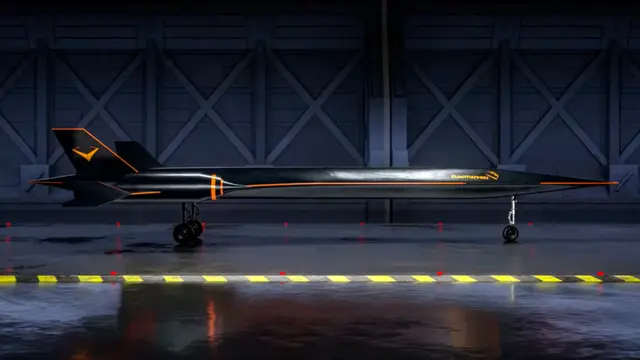
Innovative Features Of The Yunxing Jet
In addition to the impressive speed, the Yunxing prototype offers other advanced technological specifications. Among them are:
- Vertical Takeoff And Landing: This feature allows the aircraft to operate on smaller runways, expanding operational possibilities and reducing the need for large airports for landing and takeoff.
- High-Altitude Flight: The jet could fly at approximately 65,600 feet (20,000 meters), an altitude higher than conventional commercial aircraft, reducing air resistance and increasing flight efficiency.
These innovations represent Space Transportation’s advancement in hypersonic aircraft technologies, a research area the company has been developing since its founding in 2018.
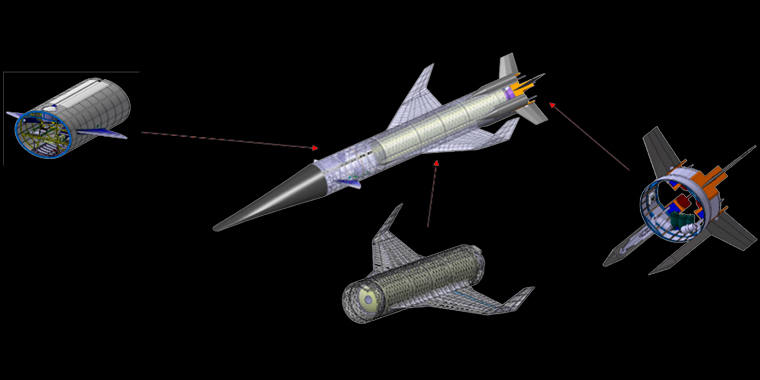
The Mission Of Space Transportation
Founded by Yudong Wang, Space Transportation emerged with the goal of developing space transportation systems and reducing costs associated with space exploration. Since its inception, the company has achieved several milestones, including the successful test flight of the Tianxing I rocket in 2021 and the completion of the Yao-10 flight mission in 2022. In addition to technological advancements, Space Transportation has also raised Series A funding to expand its operations and research.
The company has an extensive portfolio of research and development capabilities, spanning from payload analysis to structural and environmental testing. This comprehensive experience in creating hypersonic aircraft and rockets positions Space Transportation advantageously to revolutionize the supersonic air transport market.
The Challenges And Future Tests
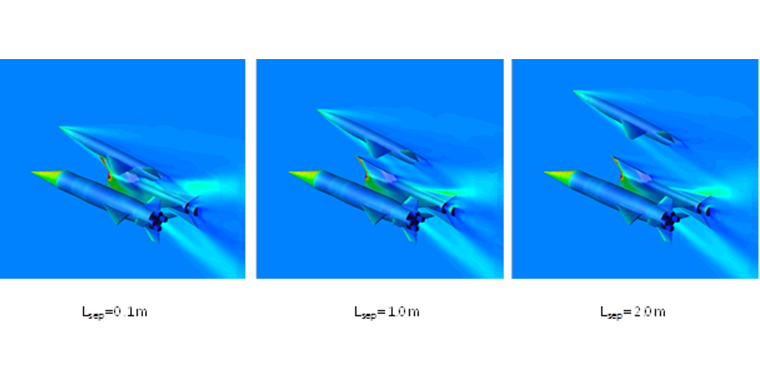
During the testing of the Yunxing prototype, Space Transportation analyzed critical parameters such as aerodynamics, thermal protection, and control systems. The composite structure of the aircraft withstood extreme conditions, demonstrating the resilience and durability of the design during initial testing. The company also validated the flight control system, avionics, and structural integrity of the prototype, reinforcing confidence in the project.
Despite the advancements, developing a supersonic passenger aircraft at Mach 4 faces technological and regulatory challenges. In addition to environmental and safety concerns, the cost of developing and operating such aircraft could pose an obstacle. However, Space Transportation remains optimistic and continues with plans for further testing to validate the commercial viability of the project.
The Future Of Supersonic Aviation
If successful, Space Transportation could revolutionize the aviation sector by offering commercial flights at speeds that allow crossing continents in a matter of hours. However, there is still a long way to go before the company achieves this ambitious goal.
With more tests and technology refinement, Space Transportation aims to conduct commercial flights at Mach 4, transforming air transport and establishing a new milestone for global aviation.








Legal fazer pouso e decolagem verticais!!! Assim pode fazer o trecho Fortaleza – Ipaumirim Cê em 15 segundos
Eo campo de batalha só interessa a vitóriaaaa é vençer e vençer e vençer eu venço sergioguedes vitóriaaaa, o q marcou ou o q marca a história o Unico SantoSenhorsalvadorJesuscristo o sem pecado do DEUSVIVOVIDAETERNAPODER HONRAGLÒRIASANTIDADE por nossas vidas o ALIMENTOSANTO amem
As peças do jogo já não são as mesmas, há algum tempo. A hegemonia americana vem perdendo força, e esse processo é irreversível. O mundo ganha, quando o imperialismo perde força.