Portuguese
  Spanish


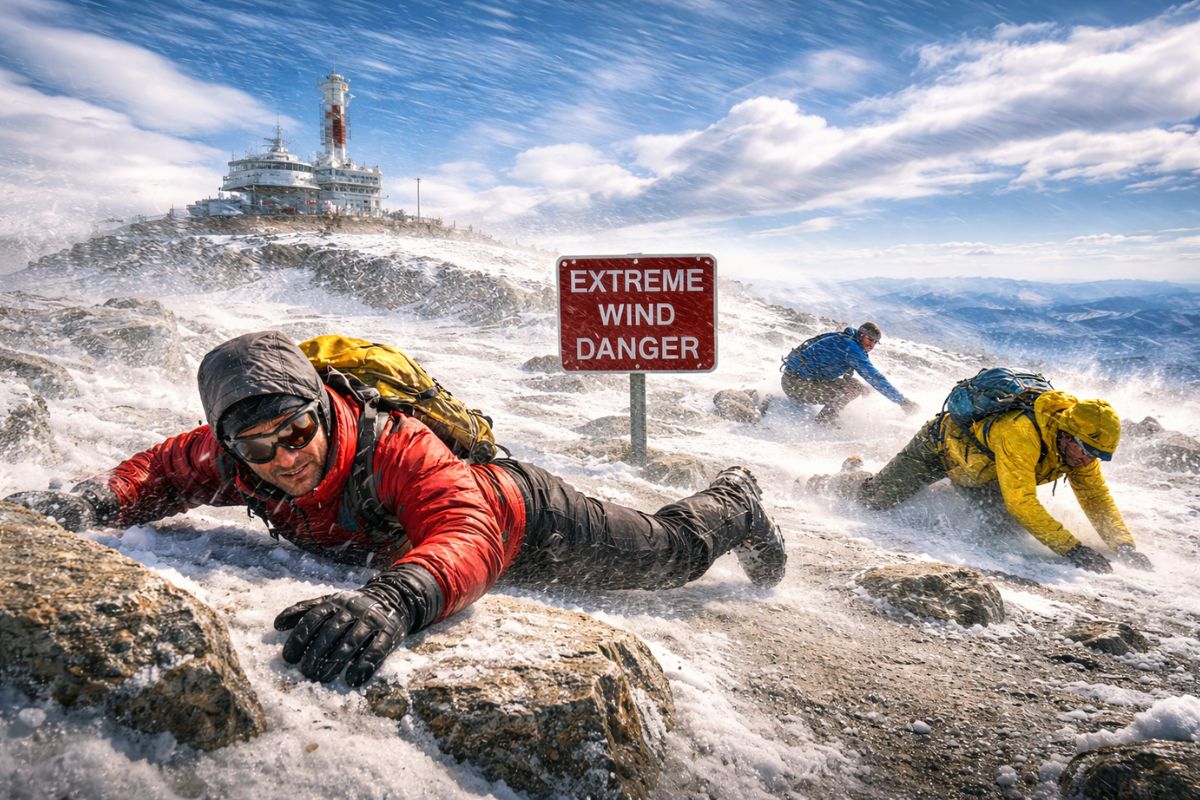

Understand why strong wind accelerates at the top of the mountain, what signs indicate real risk, how the body reacts, and what to observe before exposing yourself
The strong wind is no longer just an inconvenience in some parts of the planet and becomes a concrete danger. There are places where walking outdoors becomes a challenge because the force of the air pushes the body, disrupts balance, and can easily knock a person down.
One of the most well-known examples of this extreme scenario is the summit of Mount Washington in New Hampshire, United States. There, the strong wind combines with high altitude, exposed terrain, and colliding air masses, creating gusts that impress even experts and require total attention from those climbing the mountain.
Where is Mount Washington and why did it become famous
Mount Washington is located in the state of New Hampshire and is frequently mentioned when discussing strong wind at the surface. The summit became known for recording some of the most intense gusts ever measured, which earned the area a reputation as a challenging and dangerous place under specific conditions.
-
Three-Year-Old Fulfills Dream of Joining Garbage Collectors in Brazil, Captivates Thousands Online with Heartwarming Video

-
Nikon Project Uses Dog’s Heartbeat to Capture Photos, Revealing What Truly Makes Dogs Happy

-
In Los Angeles, Young Adult Opts for Garage Living with Bed, Kitchen, and Bathroom to Avoid Rent, Highlighting Comfort and Organization Challenges in Compact Housing
-
Brazil Faces Crisis as New Data Reveals Alarming Rates of Youth Unemployment and School Dropouts, with Joblessness More Than Double the National Average and High Informality Among Teens
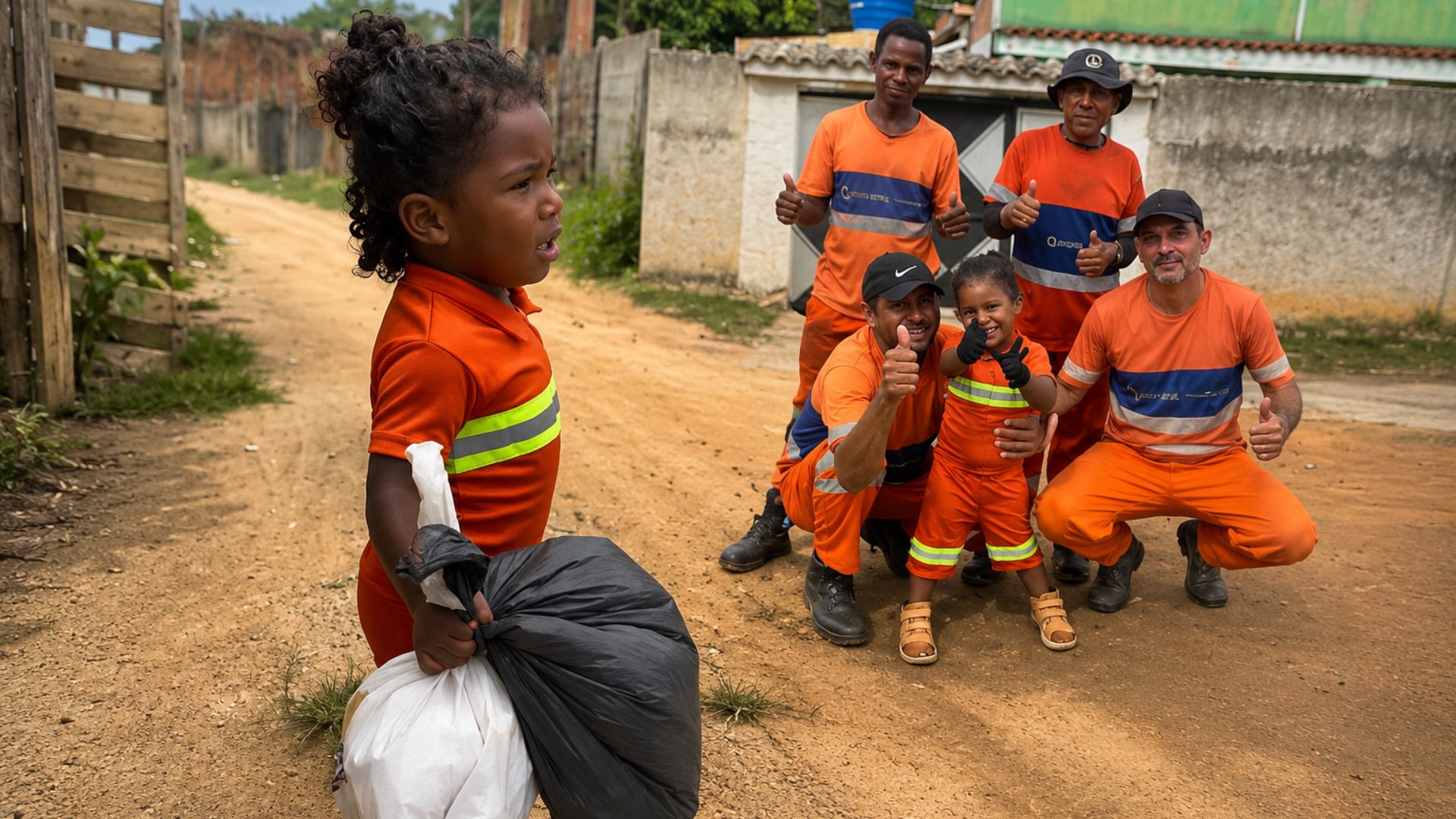


What stands out is the regularity of the phenomenon: it is not just an isolated episode, but a combination of factors that favors extreme winds at certain times.
Why does strong wind accelerate at the top of this mountain

The strong wind forms there due to a combination of elements: high altitude, exposed terrain, and the meeting of air masses. When the wind passes over the mountain, it tends to accelerate.
Another decisive point is the lack of natural obstacles at the summit. Without barriers to “break” the gust, the speed increases, and the environment becomes a place where even standing can become difficult.
The highest gust ever recorded: 372 km/h
At the summit of Mount Washington, a gust of 372 km/h has been recorded, one of the highest values ever measured outside of tornadoes. This number helps to understand why the location gained worldwide reputation when it comes to strong wind.
There is mention that official records of extreme winds are continuously monitored and can be consulted in institutional sources, with historical data gathered by platforms dedicated to the meteorology of Mount Washington.
How strong wind affects the human body

When the strong wind reaches very high speeds, it exerts direct force on the body and changes the way you move. The sensation is one of constant instability, as if the ground is “slipping” beneath your feet.
At higher speeds, the body can be pushed sideways, and walking safely becomes impossible. The risk is not just falling, but losing control of movement and exposing oneself to falls and impacts.
Signs that strong wind is becoming dangerous
Some signs are clear and require immediate retreat when the strong wind begins to dominate the environment:
Difficulties walking
Objects being blown away
Intense and constant noises
Sensation of instability
Dust or debris in the air
These signs indicate that exposure may represent a real risk, especially in open areas, mountain ridges, and points without natural protection.
What to observe before exposing yourself to extreme gusts
In regions with a history of strong wind, the most important thing is to recognize that the scenario can change quickly. If movement starts to become unstable.
If objects start to “come alive” on the ground or if the air begins to carry debris, the environment is already transitioning from discomfort to danger. The practical rule is simple: if you are struggling to walk, it is time to leave the exposed area.
The video that shows the impact of strong wind

There is a video recording from selected content of the ABC Television Stations channel that shows extreme winds at the summit of Mount Washington and the effects on the human body.
The material highlights the force of the gusts, the risks involved, and the severe conditions of the location, aligned with what has been explained here about strong wind and instability.
This strong wind happens in other places in the world
Although Mount Washington is one of the most famous cases, strong wind can also occur in other regions, such as coastal areas, deserts, and mountain ranges. There are places where the terrain, exposure, and meeting of air masses create similar conditions.
The central point is not to underestimate the phenomenon: strong wind can be one of the most dangerous aspects of the weather when it reaches extreme levels, especially in open and elevated locations.
What is the scariest situation for you: facing strong wind on a mountain trail or being caught by extreme gusts in a coastal city?