





 Portuguese
  English
  Spanish
  3 min of reading
  0 comments


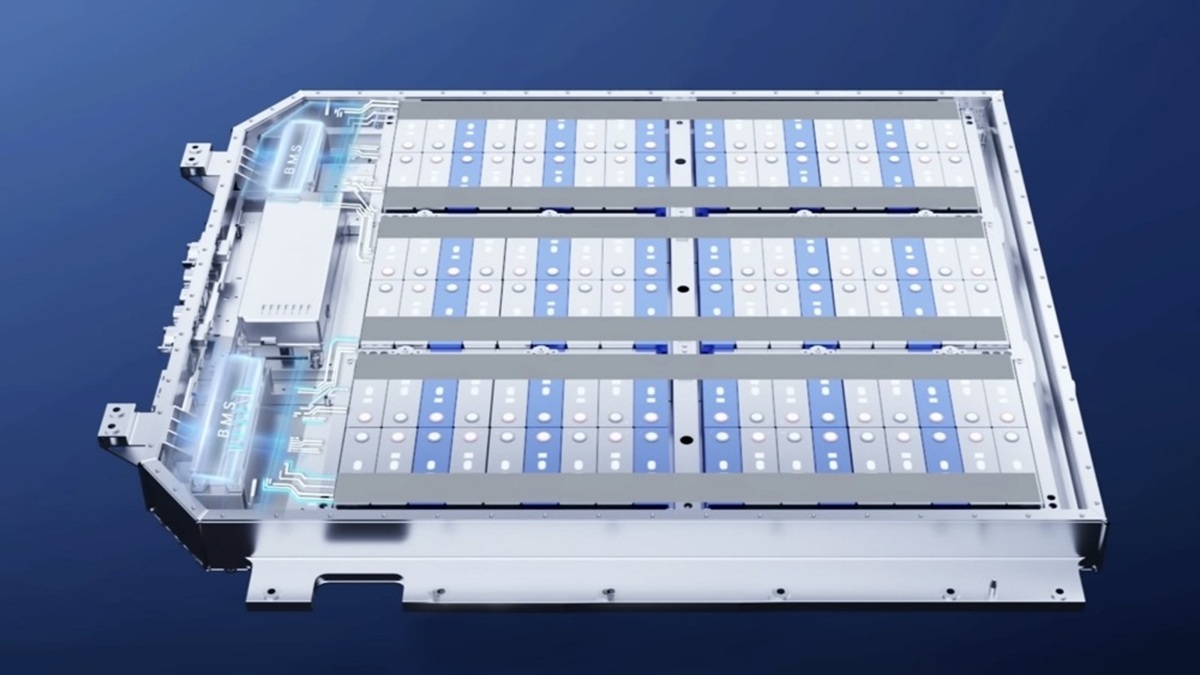
Documented Video Tests Show That The CATL Battery Retained 80% Of Its Capacity After 3,000 Charge Cycles At 5C, Operating Under Temperatures Of Up To 60 °C And An Equivalent Mileage Of 1,800,000 Kilometers, Indicating Significant Progress In Durability And Reliability For Electric Vehicles
The CATL battery shown in the technical video maintains 80% of its capacity after 1,800,000 equivalent km and 3,000 charge cycles at 5C, including tests at 60 °C, indicating a direct impact on the durability and operational reliability of electric vehicles.
Documented Tests And Durability Goals For The CATL Battery
The CATL battery underwent extreme tests documented in a video published on the YouTube channel. The stated objective was to create the most durable and reliable battery on the planet, with a complete record of the process and measured results.
The video titled “5C Charging: 1,000,000 Km Is Easy” demonstrates the model’s robustness, with minimal deterioration after intensive cycles.
-
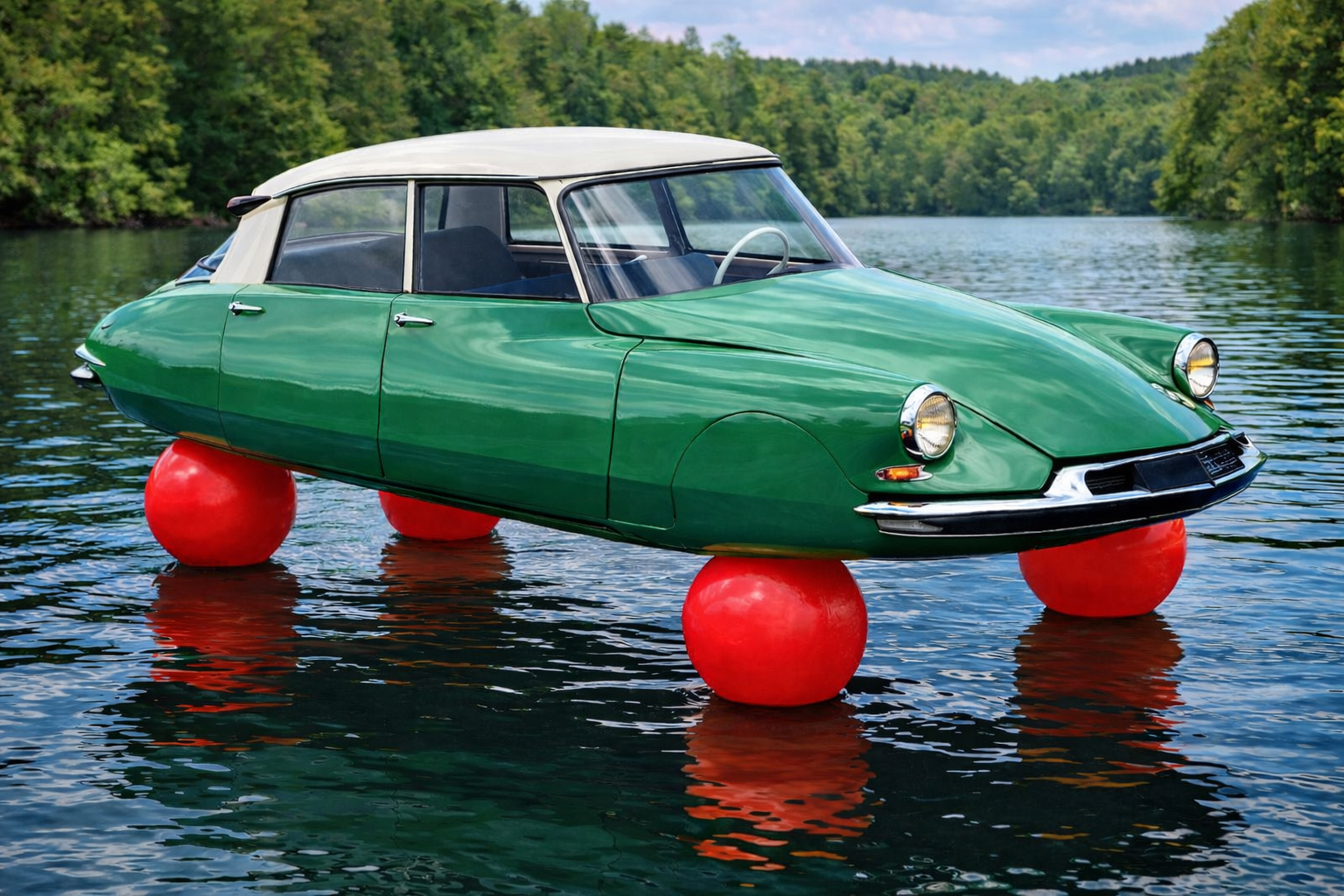
A French brand placed a car on four huge red balloons to prove that its suspension made the vehicle “float,” and the surreal scene became one of the most iconic and unusual images in automotive history.
-
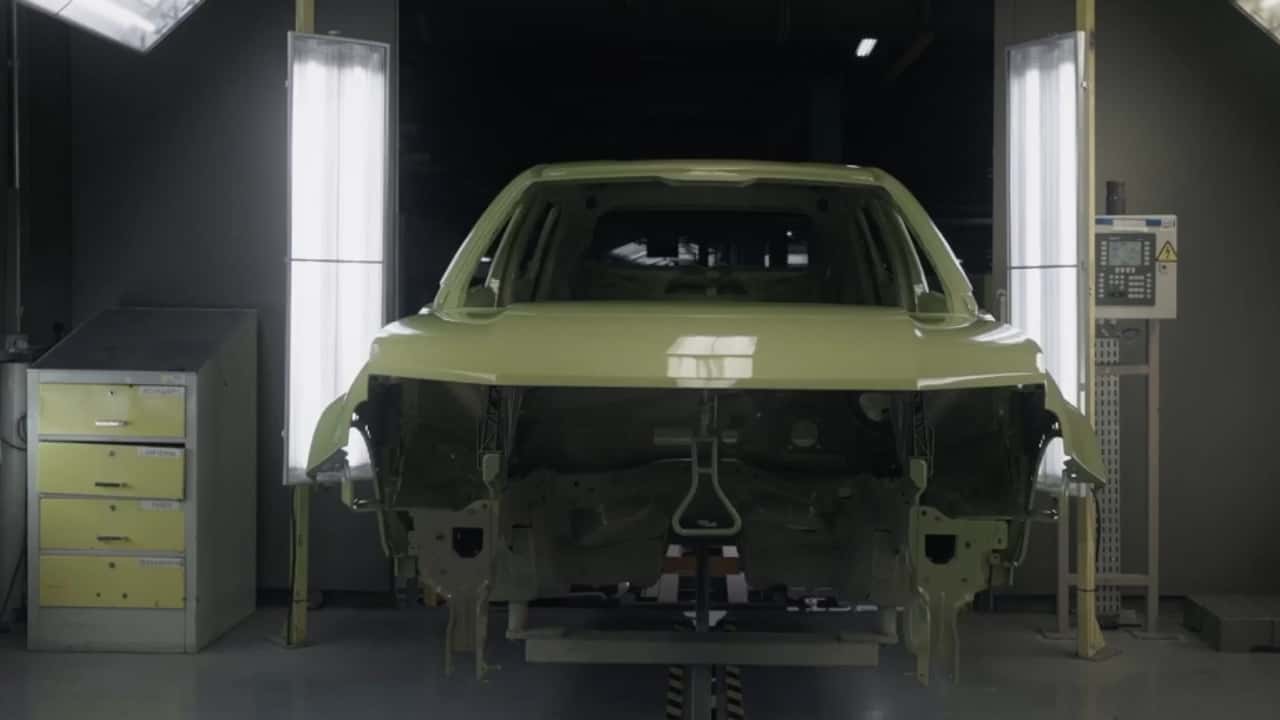
Jeep Avenger begins production in Brazil, debuting as the brand’s new entry-level SUV and inaugurating an unprecedented phase by becoming the first national Jeep manufactured outside of Goiana, as part of a R$ 3 billion plan.
-
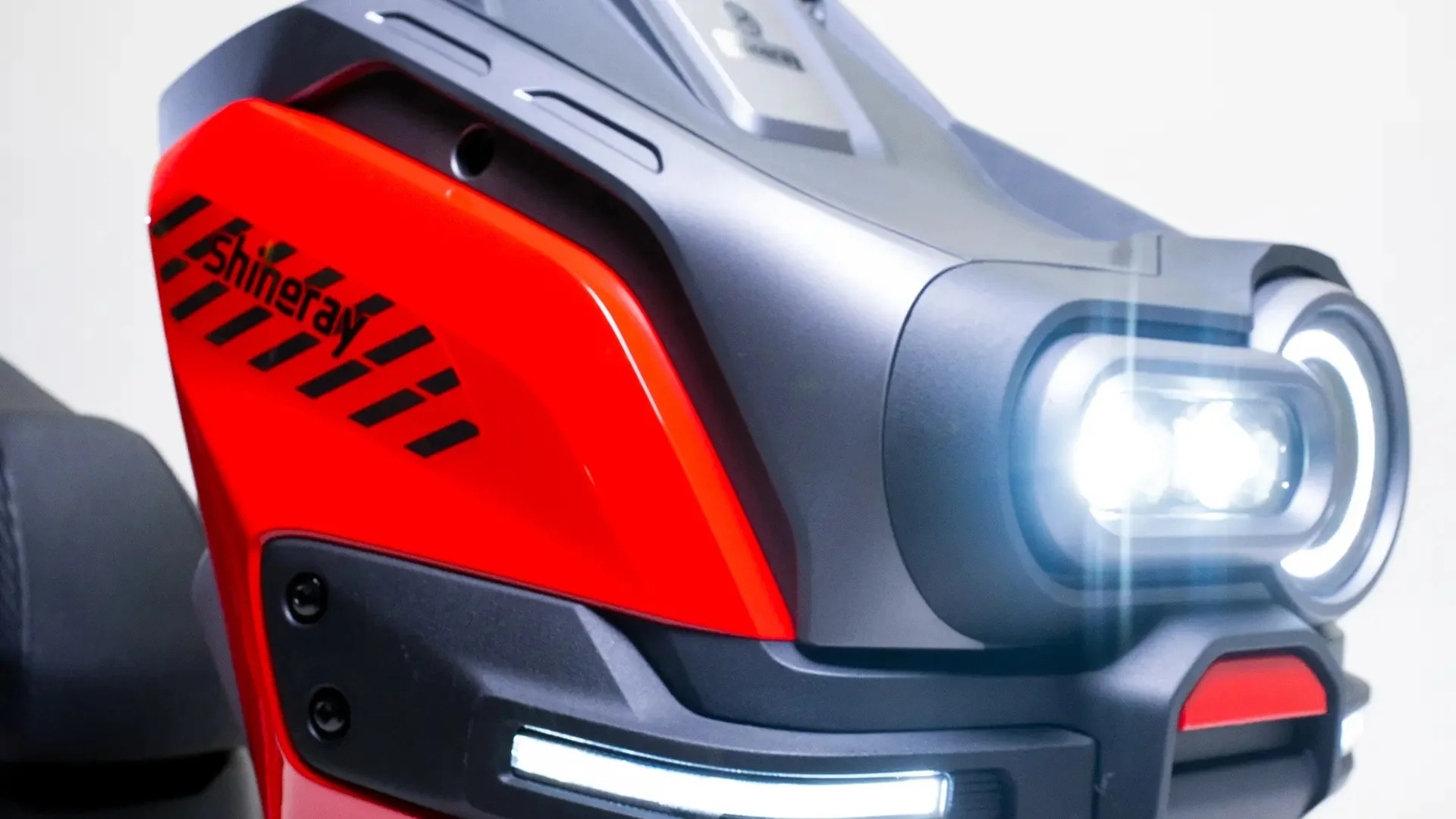
Costing R$ 12,490, the new Shineray Urban Lite 150 “cheap one” arrives in Brazil with a CVT transmission, digital dashboard, and LED lights, making it more affordable than the Biz and targeting those who want to abandon the bus.
-
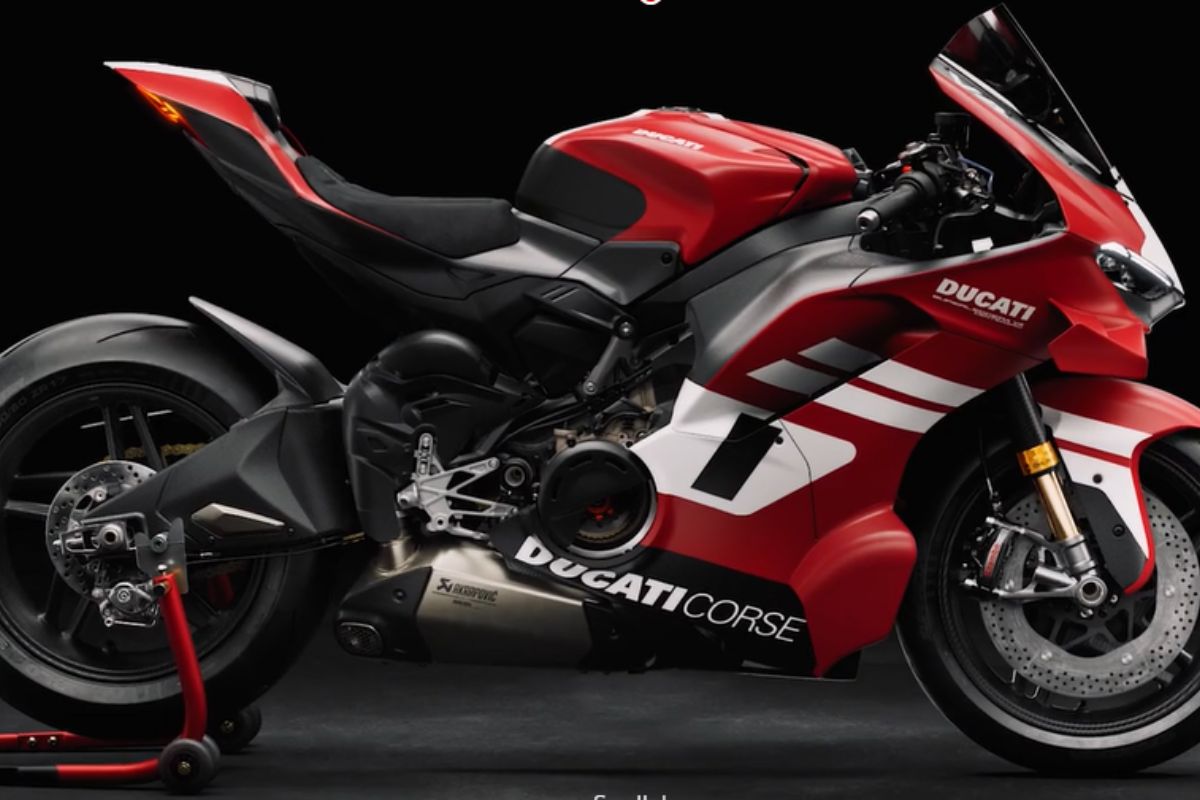
Ducati brings to Brazil the Superleggera V4 Centenario: 228 hp that become 247 with a track kit, carbon fiber and carbon-ceramic brakes, estimated price between R$ 1.5 and 2 million, deliveries only in 2027.

The tests indicate retention of 80% of capacity even after demanding and prolonged operational conditions.
Results Of Cycles, Mileage, And High Temperatures
3,000 complete charge and discharge cycles at high power were performed to observe degradation. This total is equivalent to approximately 1,800,000 kilometers of range, after which the battery retains 80% of its operational capacity.
Of the total, 1,400 cycles occurred at 60 °C, a temperature comparable to the maximums recorded in regions like Dubai.
These cycles correspond to about 840,000 kilometers, reinforcing performance under prolonged thermal stress.
5C Performance And Operational Implications Of The CATL Battery
The CATL battery has a 5C rating, allowing full charge in approximately 12 minutes.
This rate requires continuous structural stability and thermal safety during extreme operation and throughout its charge and discharge cycles.
Based on the data presented, the observed durability indicates reliability about six times higher than the current market average. The results suggest potential to double the lifespan of the electric vehicle in which the battery is installed.
Technical Innovations And Thermal Control Of The System
According to the company, three technical innovations underpin the performance. The first is a denser and more uniform cathode coating, reducing structural degradation and loss of metallic ions during high-power cycles.
The second is a patented repair additive that detects and seals microcracks in the lithium electrolyte, which previously caused irreversible damage. The third is a thermosensitive coating on the separator, which slows ionic migration when the temperature rises.
Development, Timeline, And Initial Applications
The development of the technology has been occurring since 2020. In 2023, the company presented the first-generation Qilin 4C battery.
The new 5C battery elevates the performance to a new level, according to CATL itself.
The mass production has not yet been confirmed and is expected to be on a schedule to be presented in February. Experts indicate initial adoption in luxury vehicles, with later integration into regular models in the coming years, maintaining the reported reliability.









Seja o primeiro a reagir!