





 Portuguese
  English
  Spanish
 4 min of reading
  0 comments


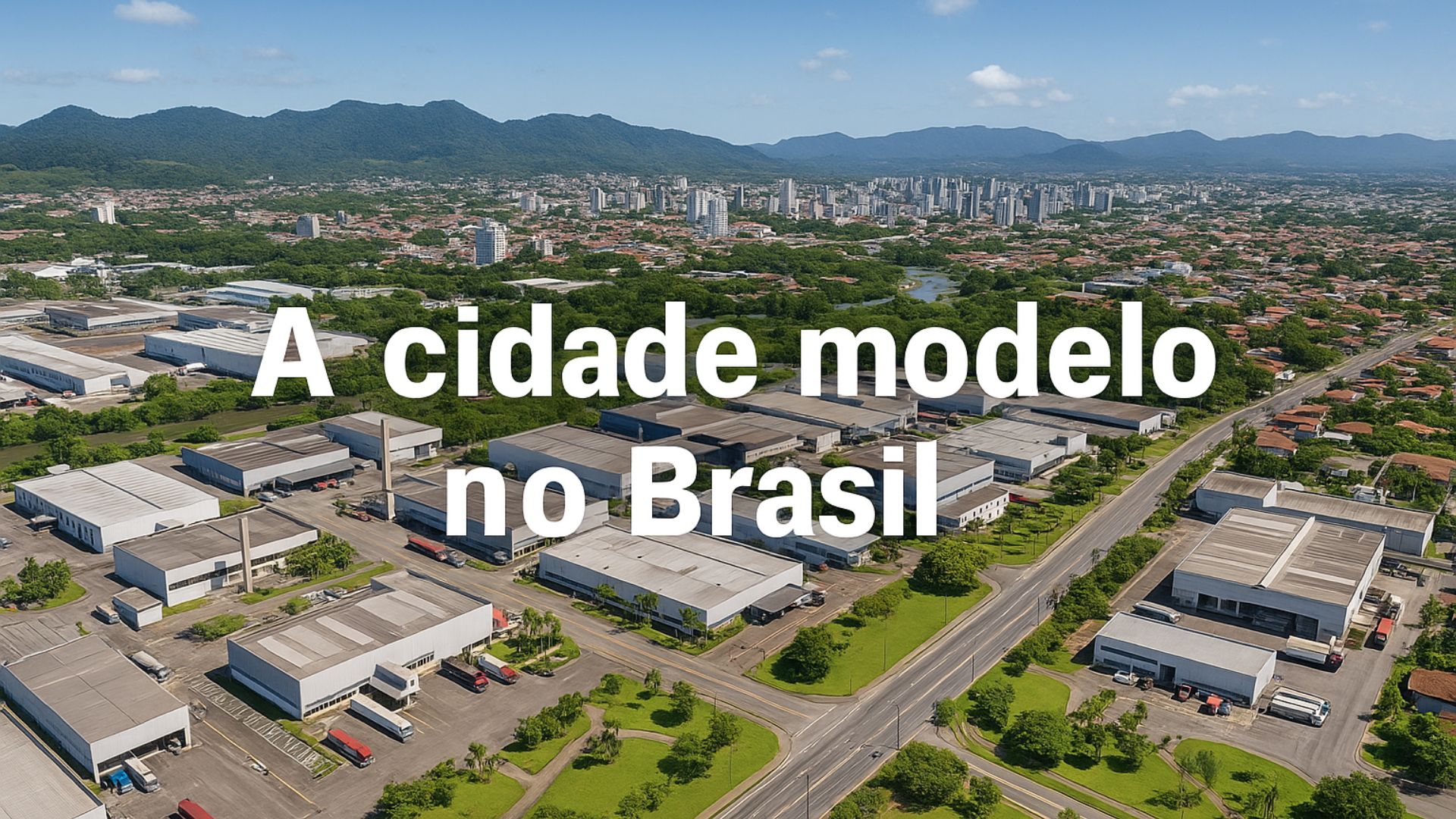
Joinville Consolidates Itself as a Model City in Industrial Development and Public Safety, with Modern Industries, Low Crime Rates, and Sustainable Growth That Attract New Residents and Investments to Northern Santa Catarina.
Joinville, in Northern Santa Catarina, has established itself as one of the main industrial hubs in the country and continues to attract attention for its safety indicators and job creation.
With 664,541 estimated inhabitants in 2025, the largest city in Santa Catarina combines a diversified industrial base, public policies focused on prevention, and the provision of services that sustain economic growth alongside quality of life.
This arrangement has attracted professionals from different regions in search of opportunities and a more stable routine.
-
Friends have been building a small “town” for 30 years to grow old together, with compact houses, a common area, nature surrounding it, and a collective life project designed for friendship, coexistence, and simplicity.

-
This small town in Germany created its own currency 24 years ago, today it circulates millions per year, is accepted in over 300 stores, and the German government allowed all of this to happen under one condition.

-
Curitiba is shrinking and is expected to lose 97,000 residents by 2050, while inland cities in Paraná such as Sarandi, Araucária, and Toledo are experiencing accelerated growth that is changing the entire state’s map.

-
Tourists were poisoned on Everest in a million-dollar fraud scheme involving helicopters that diverted over $19 million and shocked international authorities.


The strength of the productive sector is reflected in large brands and a supply chain.
Alongside hundreds of small and medium enterprises, the municipality houses renowned manufacturers such as Whirlpool, Nidec Global Appliance (Embraco), Tupy, Tigre, and Schulz, among others.
This concentration sustains a broad job market in metalworking, plastics, chemicals, household appliances, and technology, keeping the city among the state leaders in the creation of formal jobs in the industry.
In 2024, for instance, the performance of the local manufacturing sector remained strong, with a positive balance of jobs and an increase in exports of higher value-added items, such as automotive parts, compressors, and industrial components.
The perspective on public safety also helps explain the demand for housing in the city.
Santa Catarina is consistently among the states with the lowest rates of violent deaths in the country, and Joinville embodies this trend with prevention actions, integration of forces, and the use of technology.
The Joinville Always Alert program has implemented a network of video monitoring in strategic points, with cameras that support investigations and traffic enforcement, along with modules that transmit in real-time to monitor flood risk areas.
The Municipal Guard, police forces, and the Civil Defense use the images to guide operations and reduce response times to incidents.
In addition to the technological base, local management prioritizes data-driven patrol routines and community engagement initiatives.
Neighborhoods receive educational actions and conflict mediation, while social projects aim to reduce risk factors for juvenile delinquency.
As a result, the sense of urban order increases and reinforces the perception of security above the national average, a competitive advantage in the Brazilian scenario.
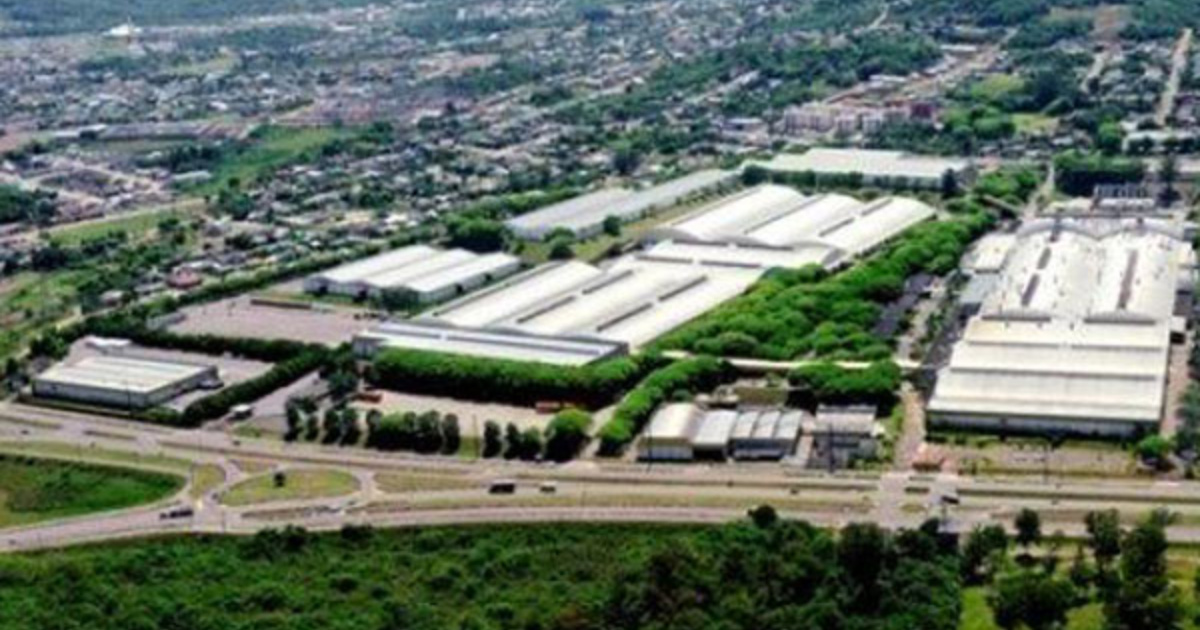
Diversified Industry and Expanding Jobs
The economic structure of Joinville has been shaped by decades of specialization in metalworking, a segment that remains dominant and drives investments in automation, robotics, and advanced manufacturing.
At the same time, traditional sectors such as textiles and plastics remain significant, while technology and specialized services companies expand the ecosystem with engineering solutions, industrial software, and logistics 4.0.
This combination supports export chains and broadens the range of technical and higher-level job opportunities, with continuous demand for qualified labor.
The good external performance reinforces local dynamism.
In recent times, international sales from Joinville have maintained a steady pace, with the United States, Mexico, and Argentina as the main destinations.
To mitigate currency fluctuations and global trade scenarios, companies have been diversifying portfolios and markets, investing in energy efficiency and decarbonization of processes — an agenda that is gaining traction in international contracts.
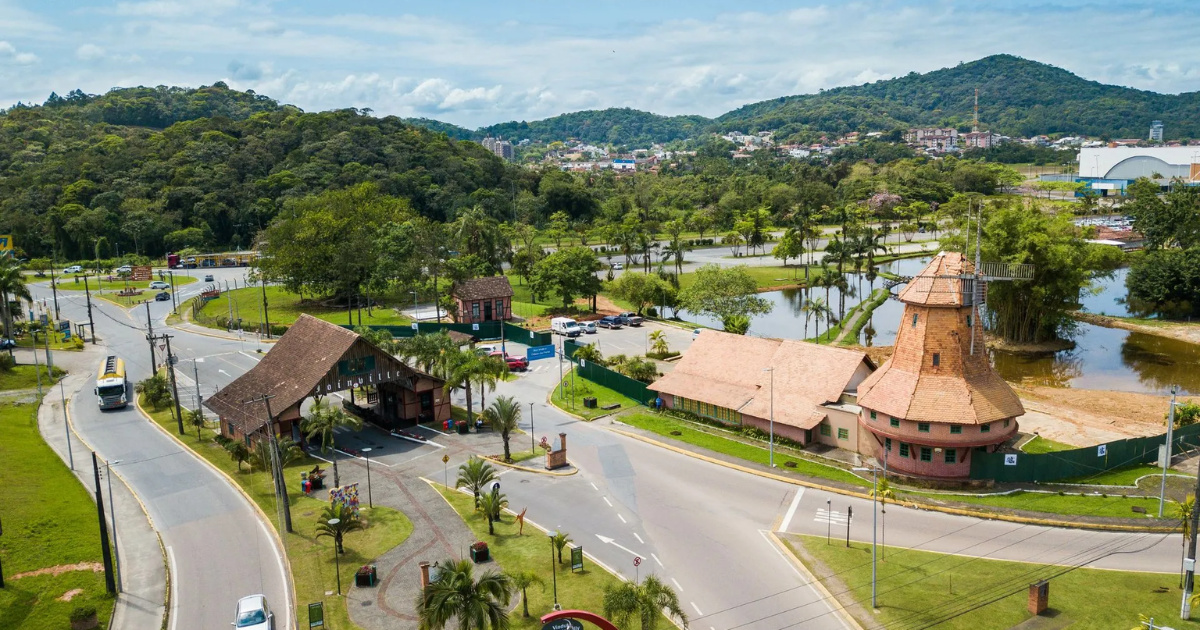
Sustainable Growth and Quality of Life
The industrial expansion occurred alongside urban planning and infrastructure measures.
The municipality expanded roadways, modernized bus corridors, and invested in drainage in flood-prone areas, a sensitive issue in the region.
Meanwhile, essential public services — health, education, and assistance — receive continuous reinforcement, which helps distribute the gains from growth and mitigate typical pressures of large urban centers.
Green areas and leisure also integrate this equation.
Urban parks, gardens, and the surroundings of Morro da Boa Vista offer spaces for walking and sports, contributing to the well-being of the population.
The cultural agenda, with large-scale events and a regular calendar, complements daily life and boosts activities in business tourism, hospitality, and gastronomy.
What Sustains the Sense of Security
The reduction of risks involves integrated governance.
Monitoring through cameras on public roads and facilities, the use of drones for mapping and searches, and alert systems for heavy rains form a set of tools that support operational decisions.
At the same time, cooperation between the City Hall, Public Prosecutor’s Office, Judiciary, and police forces provides stability to actions.
Although specific indices for the municipality vary from year to year, the state trend favors Joinville and reinforces its positioning as a suitable environment for investing, working, and living.
Sectors Driving the Local Economy
In the sector landscape, foundry and high-precision machining linked to the automotive chain, machinery and equipment, and capital goods remain at the center of the industrial park.
The household appliances industry operates significant production complexes and technology development centers.
Meanwhile, the plastics and chemical sectors supply construction, sanitation, and packaging, while the textile sector preserves tradition and value niches.
The logistical environment — between the plateau and the coast, with access to highways and the ports of São Francisco do Sul, Itapoá, and Navegantes — facilitates the movement of cargo and shortens delivery times, a decisive factor for just-in-time chains.









-

-

-

-

-

-

85 pessoas reagiram a isso.