





 Portuguese
  English
  Spanish
  4 min of reading
  0 comments


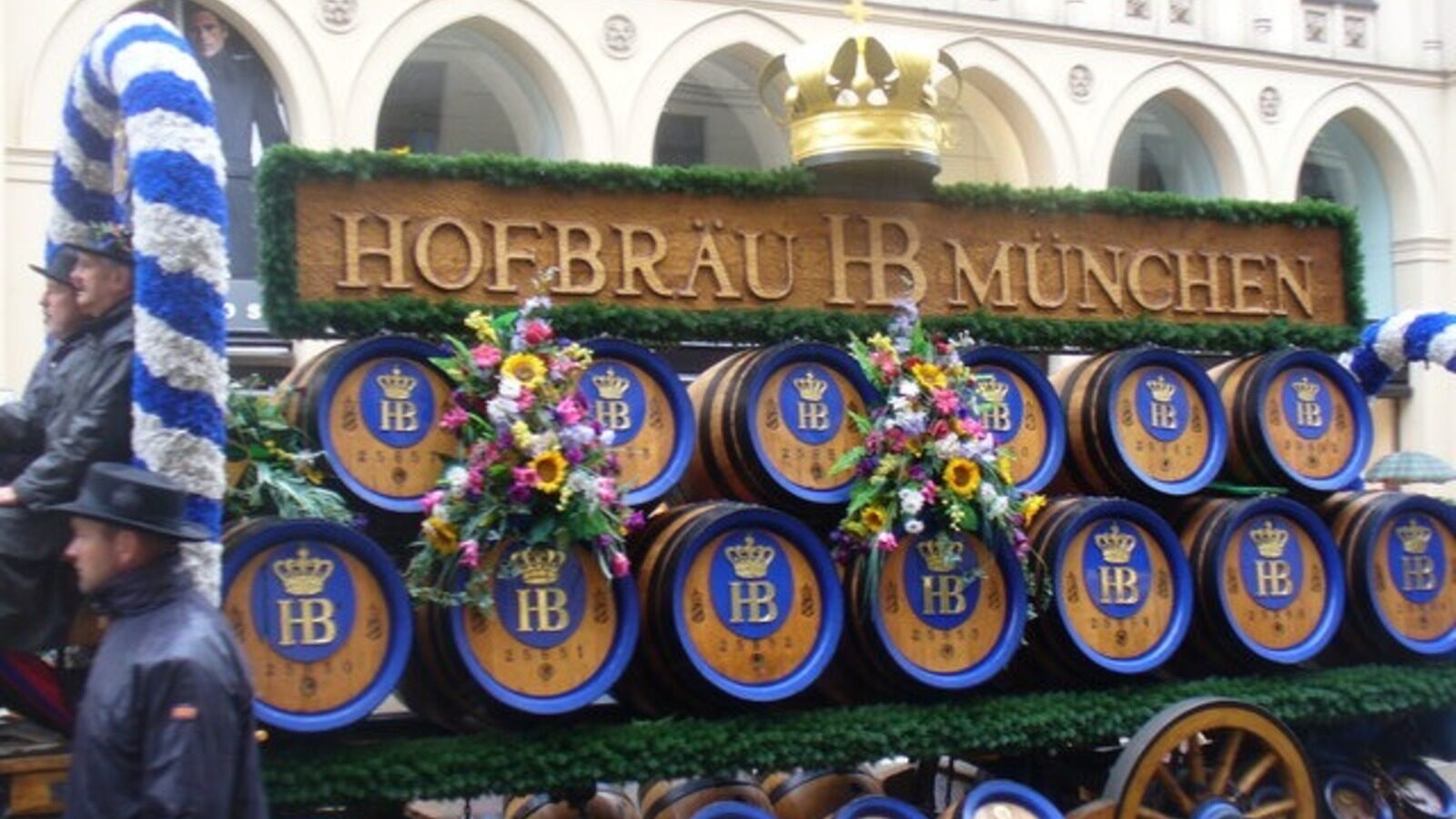
Hofbräu München Starts Production of Its Classic Wheat Beer in Brazil, Bringing Freshness, Bavarian Tradition, and More Affordable Prices to Consumers
One of the breweries most traditional to the German Oktoberfest will inaugurate a new chapter in its history in Brazil. Hofbräu München will begin producing and bottling its classic wheat beer in the country starting in September. This will be the first time the HB Hefe Weizen, launched in 1602, will leave the borders of Germany.
The project is led by the importer Bier & Wein, which has been operating in the special beer market for over 30 years.
The company has been responsible for bringing to Brazilians, since the 1990s, notable labels such as Erdinger, Warsteiner, Tempelier, Conserdonck, Praga, and 1795.
-
With 74% of companies facing difficulties in hiring, technicians and engineers in renewable energy are becoming scarce in Brazil and are essential to support the expansion of solar, wind, and green hydrogen projects.

-
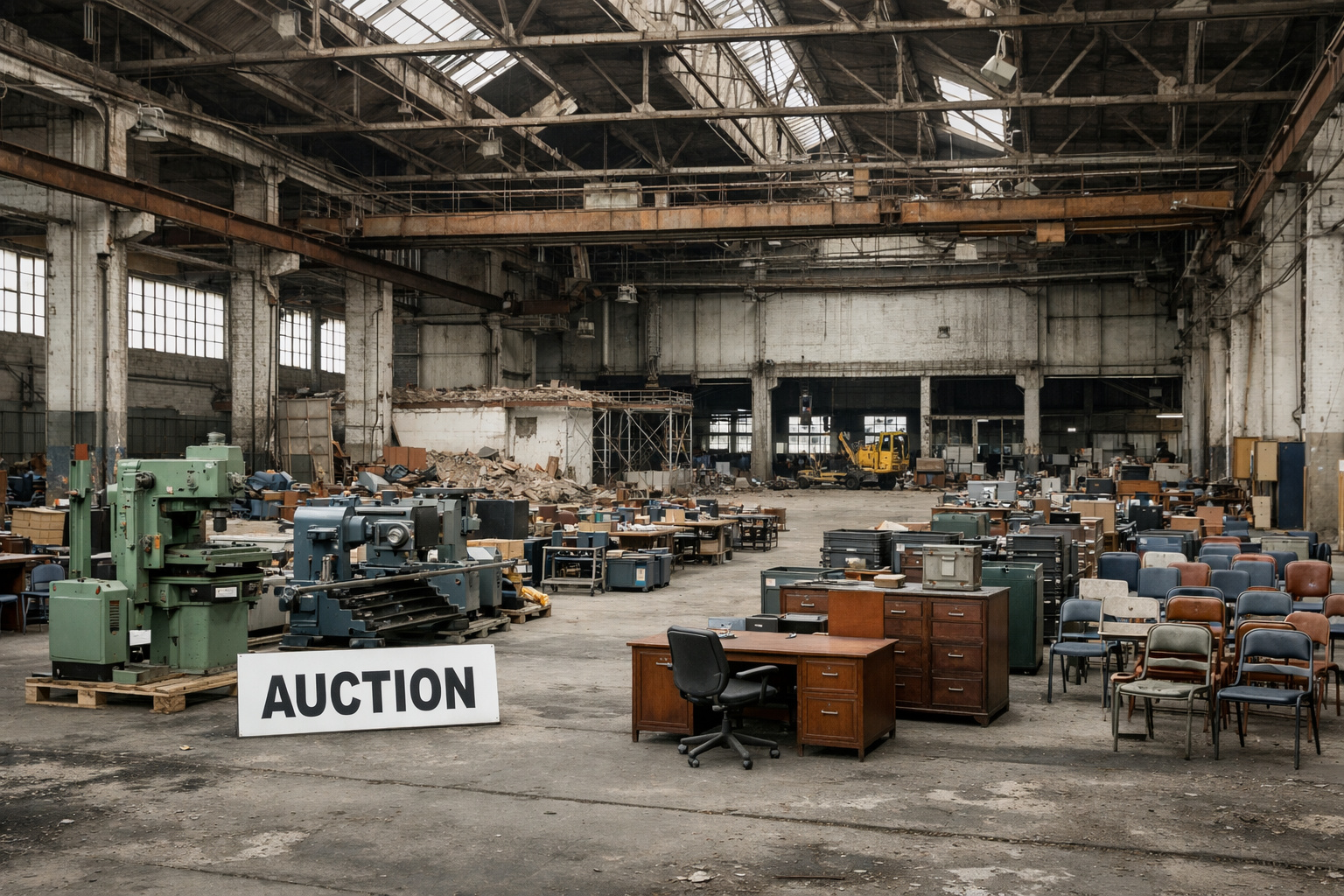
Historic bankruptcy of Centauro shocks the market, and the century-old company puts more than 500,000 products, machines, and complete infrastructure up for online auction.
-
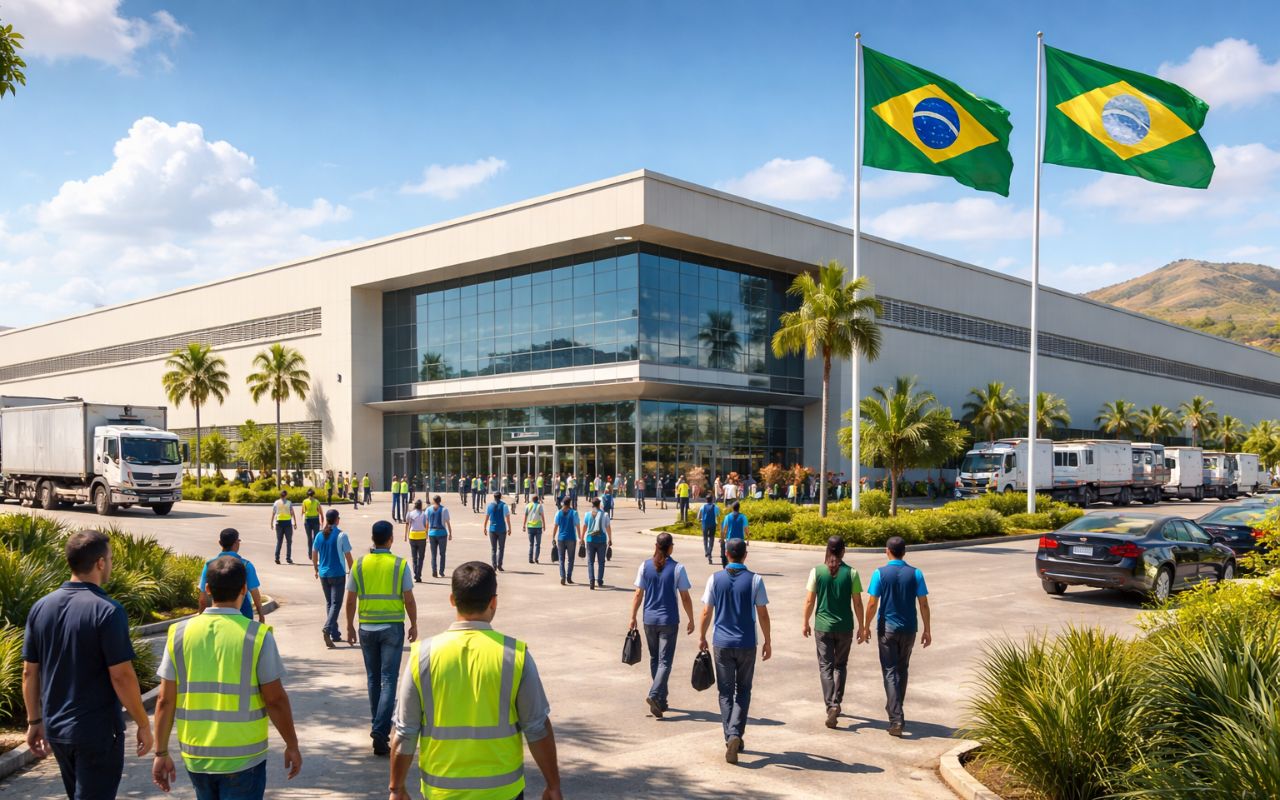
New shoe factory in Ceará is expected to create 400 jobs and strengthen the local economy.
-
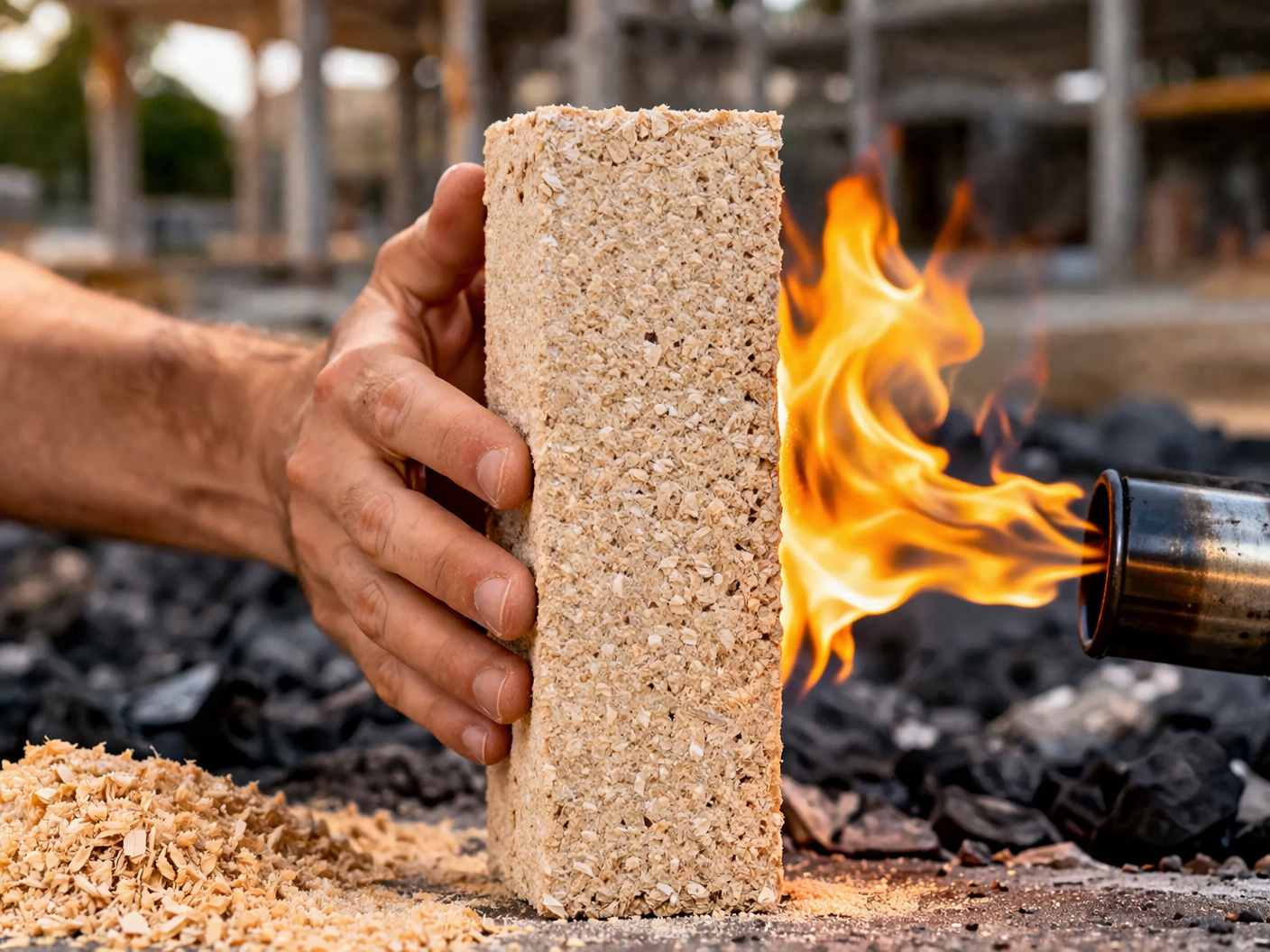
No one imagined it, but a mixture of sawdust with a mineral that fights fires surprises scientists with a result that changes the course of fire-resistant construction.

According to Marcelo Stein, partner at Bier & Wein, Brazil is experiencing an expansion of beer culture, which broadens growth opportunities in the specialty segment.
He states that combining Munich’s tradition with the freshness of local production is a ten-year dream.
Centennial Tradition
The HB Hefe Weizen is a classic German recipe. It is a high fermentation, unfiltered wheat beer with fruity aromas and an alcohol content of 5.1%. Experts indicate that it pairs well with poultry, fish, seafood, and mild cheeses.
For nearly two centuries, until 1798, Hofbräu München held the monopoly on its production. In addition to this historic brand, the plan in Brazil includes the HB Original, a pale low fermentation lager with the same alcohol content.
Both follow the traditional German Purity Law, which stipulates only water, malt, hops, and yeast in the composition. No chemical additives or unmalted grains can be used.
National Production
The first brewing is scheduled for September, and distribution is expected to begin in October. Production will take place at a partner brewery in São Paulo, selected with the oversight of Hofbräu München representatives.
The brewery was founded in 1589 by Bavarian royalty and is directly linked to the origins of the Oktoberfest. It is one of the six breweries in Munich that supply the world’s largest beer festival.
The initial goal is to produce 5,000 hectoliters per year, equivalent to 1 million 500 ml bottles. This volume represents almost six times more than Bier & Wein currently imports from the brand.
Market Impact
The estimated consumer price should be around 20% lower compared to the imported version, hovering around R$ 20. This move aligns with a scenario of declining imports in the country.
According to the Beer Yearbook from the Ministry of Agriculture, imports in 2023 were 50% lower than in 2019. The depreciation of the real and the rise of craft breweries are pointed out as the main reasons.
Stein also highlights the challenges for importers. Among them are the high exchange rate and the high cost of capital, pressured by record interest rates.
Labels and Formats
The national versions will be sold in 500 ml bottles and 473 ml cans, with labels identical to the originals. The HB Original will also have 30-liter returnable steel kegs.
A frequent challenge in this type of project is maintaining quality without altering the original flavor. Often, breweries adapt recipes to local tastes.
Expert Eduardo Passarelli cites the example of Brahma, which tasted in Europe and noticed a difference from the Brazilian version. According to him, such variation is common.
German Supervision
Marcelo Stein assures that the flavor of the national HBs will be the same as the originals. For that, master brewers from Germany will oversee production with regular visits.
From the beginning, control has been strict. Two professionals from Hofbräu participated in the visits to determine the partner brewery. Among the points evaluated, the quality of the water from the artesian wells was analyzed closely.
This rigor also determined that HB Hefe Weizen would not be produced in kegs for technical reasons.
Imported Ingredients
The hops and malt used in the wheat beer will come from Germany. The yeast will be of the same liquid type used in the original recipes. A company from the interior of São Paulo was hired to import, store, and handle the ingredient.
The planning also includes expanding the line starting next year. The idea is to produce the dark beers Schwarze Weisse and Dunkel, in addition to evaluating exports to other countries in the region.
Freshness and Expectation
For consumers, the main advantage will be paying less and having a fresh beer made in Brazil. Passarelli recalls that long journeys can compromise the quality of sensitive labels.
With local production, the expectation is that the product will reach the market in even better conditions, preserving aroma and flavor.
If the project succeeds, the most important thing is that the public will have access to an authentic experience, true to the Bavarian tradition, but with the freshness of nearby manufacturing. It’s a matter of waiting, toasting, and tasting.
With information from Neo Feed.







-

Uma pessoa reagiu a isso.