





 Portuguese
  English
  Spanish
  4 min of reading
  0 comments


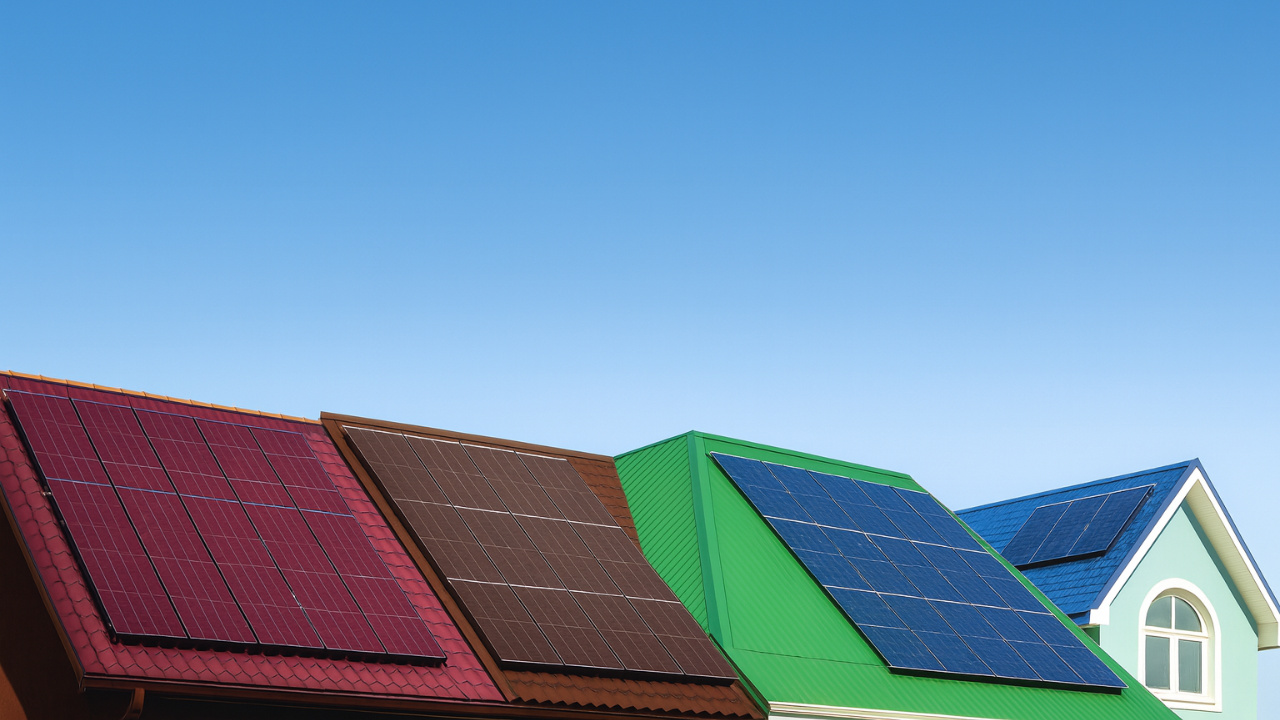
The Colored Solar Modules of DAH Solar Transform Facades and Roofs into Clean Energy Surfaces, Joining Aesthetics and Efficiency. Understand How the Trend Gains Space in Brazilian Architecture.
Solar modules have ceased to be merely technical equipment to become strategic architectural elements. This shift reflects a growing trend in Brazil, driven by DAH Solar, which has expanded its operations in the country with colored photovoltaic panels. As a result, solutions that combine aesthetics, innovation, and clean energy generation have gained prominence in high-standard projects, both residential and corporate.
The Chinese brand, a global reference in the photovoltaic sector, offers models available in four colors — green, blue, red, and yellow. Thus, facades, roofs, brise-soleils, and ceilings are transformed into active surfaces, generating energy while enhancing architectural design.
Design and Energy Walk Hand in Hand: Aesthetics Becomes a Differential in the Solar Market
In addition to increasing the availability of solar energy solutions, colored modules attract attention for providing greater creative freedom to architects and developers. Urban and corporate projects that previously prioritized functionality alone are now exploring new aesthetic possibilities.
-
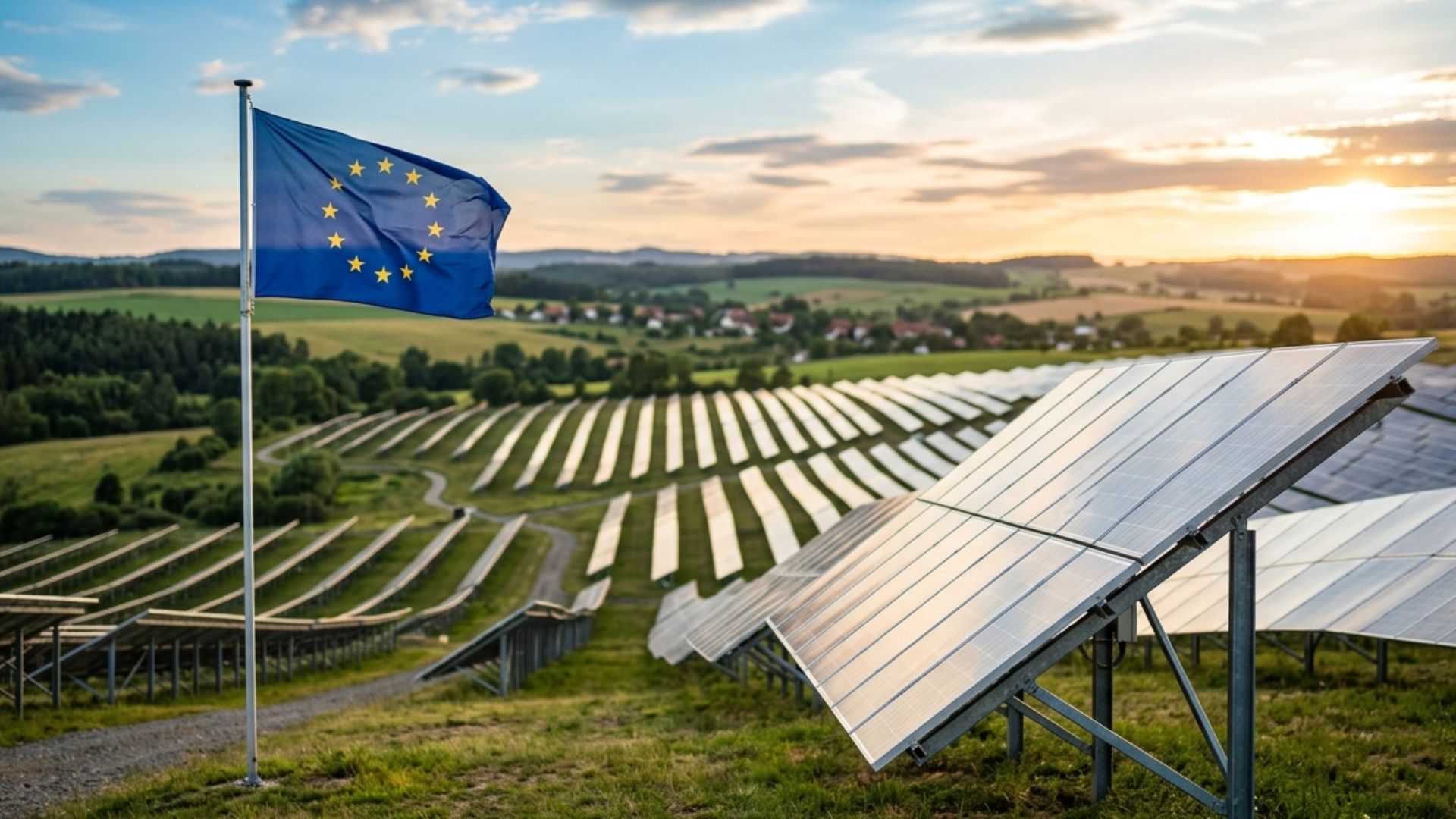
Europe records strong euro economy with solar energy in March and sparks curiosity about which country leads growth that redefines the energy market and reduces costs.
-
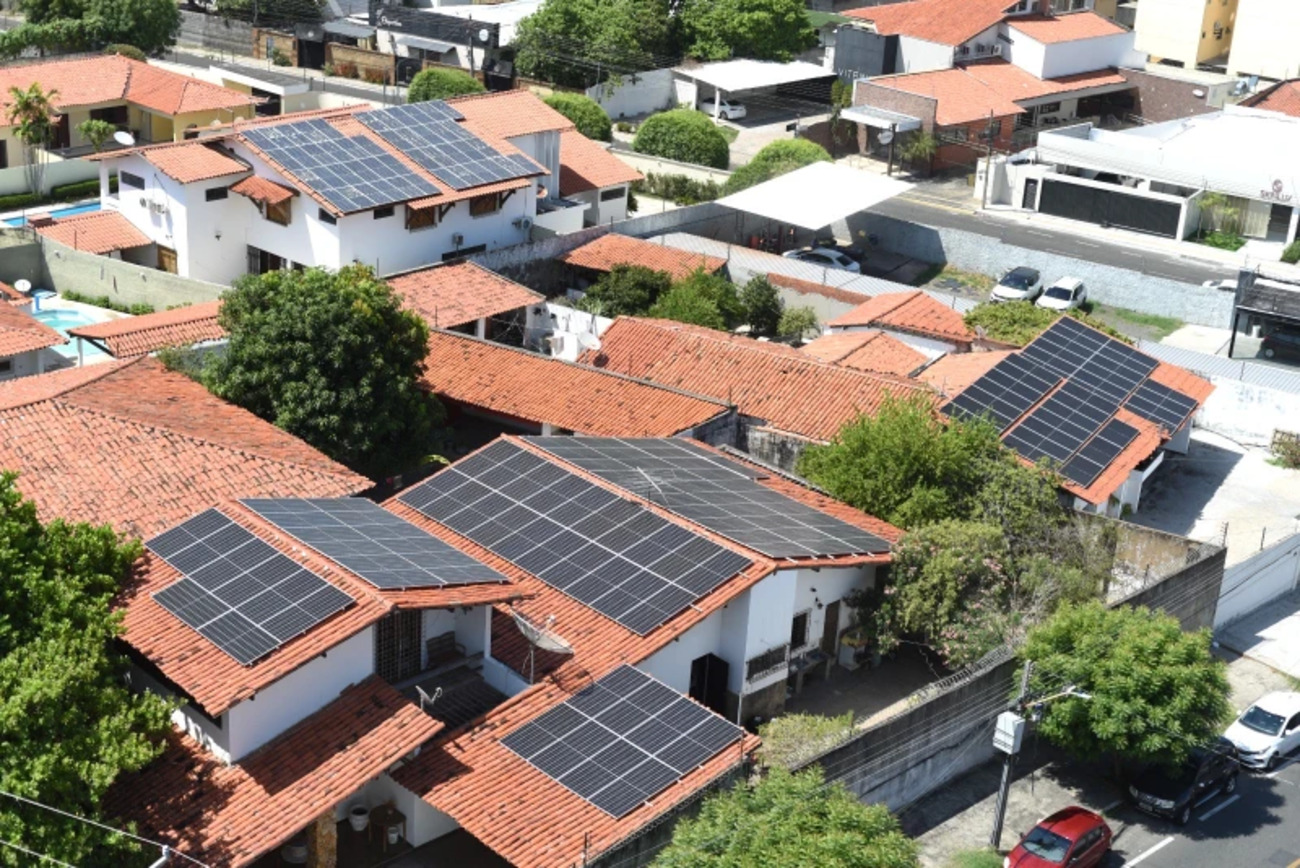
Piauí reaches a historic milestone in energy transition: State records nearly 160,000 households powered by solar energy and leads growth in the Northeast.
-
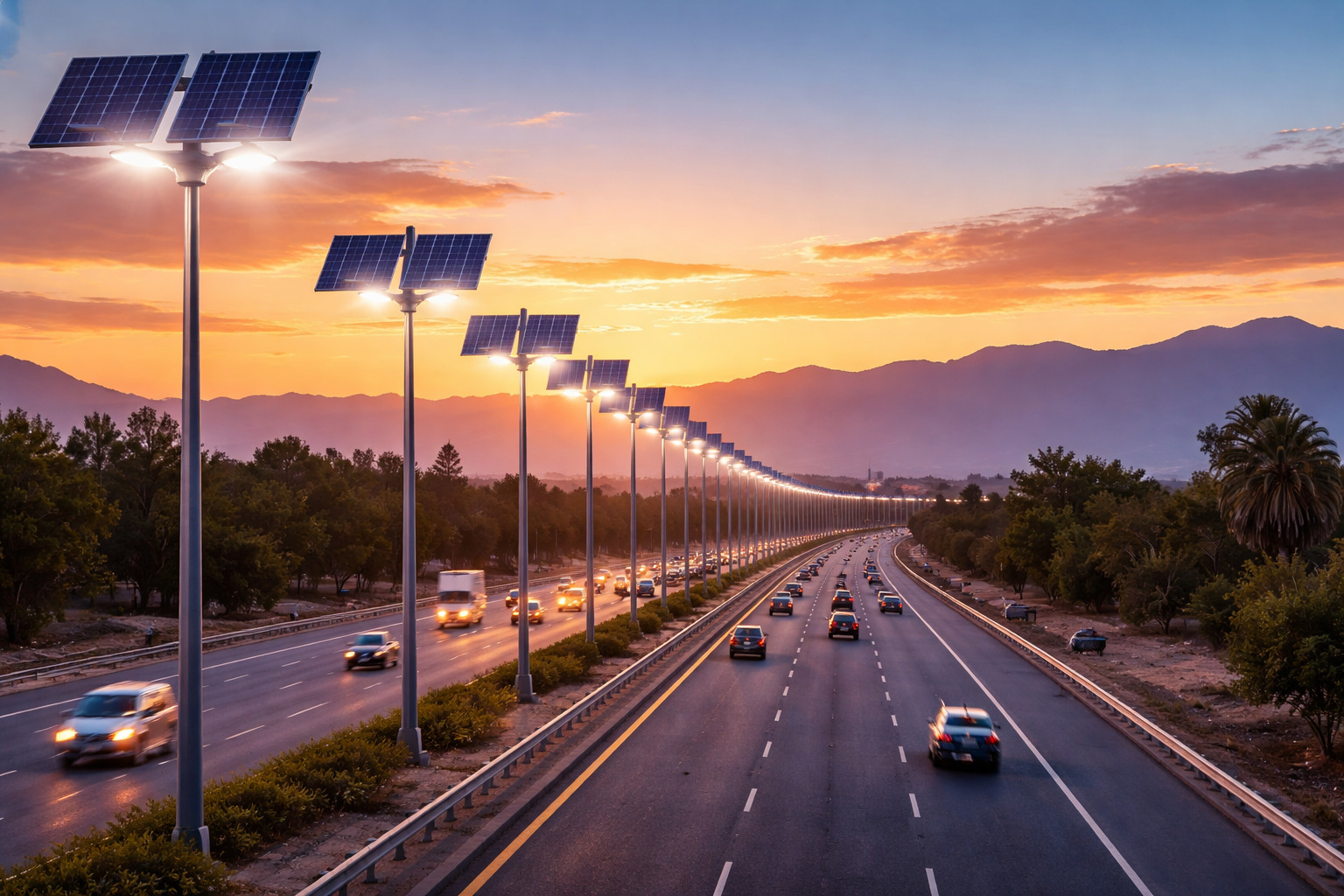
Argentina debuts its first 100% solar-powered highway and transforms an entire road into a showcase of clean energy.
-
Minas Gerais reaches a historic record and surpasses the power of Itaipu, but network costs generate debate: Understand why solar energy in MG impacts the electricity bill of those without panels.

In this sense, Thais Bitencourt, marketing manager at DAH Solar in Brazil, explains:
“Design also plays a fundamental role in the energy transition. Colored modules open up new possibilities for those who want to combine aesthetics, innovation, and environmental responsibility.”
The product, therefore, reinforces a global trend of integrating solar energy into the very concept of construction, eliminating the traditionally industrial aspect of panels and making room for colors that harmonize with different architectural styles.
Casa Cor Rio 2025 Boosts Visibility of Colored Solar Modules
The presence of DAH Solar’s solar modules at Casa Cor Rio de Janeiro 2025 has further heightened market interest. The event, held at Shopping Fashion Mall, showcased an outdoor environment featuring a complete wall covered with golden panels. The installation was done in partnership with Aldo Solar.
The composition made the potential of the modules as architectural elements evident. The space combined visual sophistication and energy generation, demonstrating how technology adapts to high-standard projects and aesthetically valuable environments.
BIPV Technology Consolidates Facades That Generate Energy
With the advancement of BIPV (Building Integrated Photovoltaics) technology, contemporary architecture gains new layers of functionality. Now, solar modules are integrated into buildings as structural components rather than just accessories installed later.
This approach transforms walls, brise-soleils, roofs, and ceilings into sources of clean energy, reducing environmental impact and adding aesthetic value. Inspired by references in China, Europe, and Asia, DAH Solar is driving this trend in Brazil as well.
As Thais highlights:
“DAH Solar views this movement as part of a global trend of sustainable design, where aesthetics and energy complement each other to rethink how we build our cities.”
Advanced Efficiency: TOPCon Type-N Technology and Double Glass Elevate Performance
Although design is one of the main attractions, DAH Solar’s solar modules also deliver high energy efficiency. Available in 570 W and 555 W power ratings, they utilize TOPCon type-N technology and double glass, ensuring greater durability, resistance, and performance.
Another highlight is the Full Screen technology, exclusive to the brand. This feature increases energy generation by 6% to 15% compared to traditional modules. This is due to the panel lacking a front frame, which improves drainage and prevents dust accumulation, maximizing the use of the entire active surface.
With this portfolio, the company focuses on higher value-added niches, including corporate buildings, public works, and premium residential projects that prioritize aesthetics and efficiency equally.
Global Trend: International Projects Show the Strength of Colored Solar Modules
DAH Solar has already mapped more than 100 international projects that utilize colored modules in countries such as China, Slovakia, Germany, and Austria. The applications vary from urban areas, corporate enterprises, to high-end residential installations. These projects prove that the technology has the potential to redefine the way cities consume energy and how they integrate sustainability into urban aesthetics.
The global expansion reinforces the company’s strategy, which has been involved in the development and manufacturing of photovoltaic modules since 2009. The industrial unit in Hefei has an annual capacity of 10 GW in modules and 5.5 GW in cells, certified by CQC, TÜV, ISO, CE, CEC, Inmetro, among other international bodies. Present in more than 100 countries and in Brazil since 2017, the brand continues to expand its presence with a focus on innovation, aesthetics, and sustainability.






Seja o primeiro a reagir!