





 Portuguese
  English
  Spanish
  3 min of reading
  0 comments


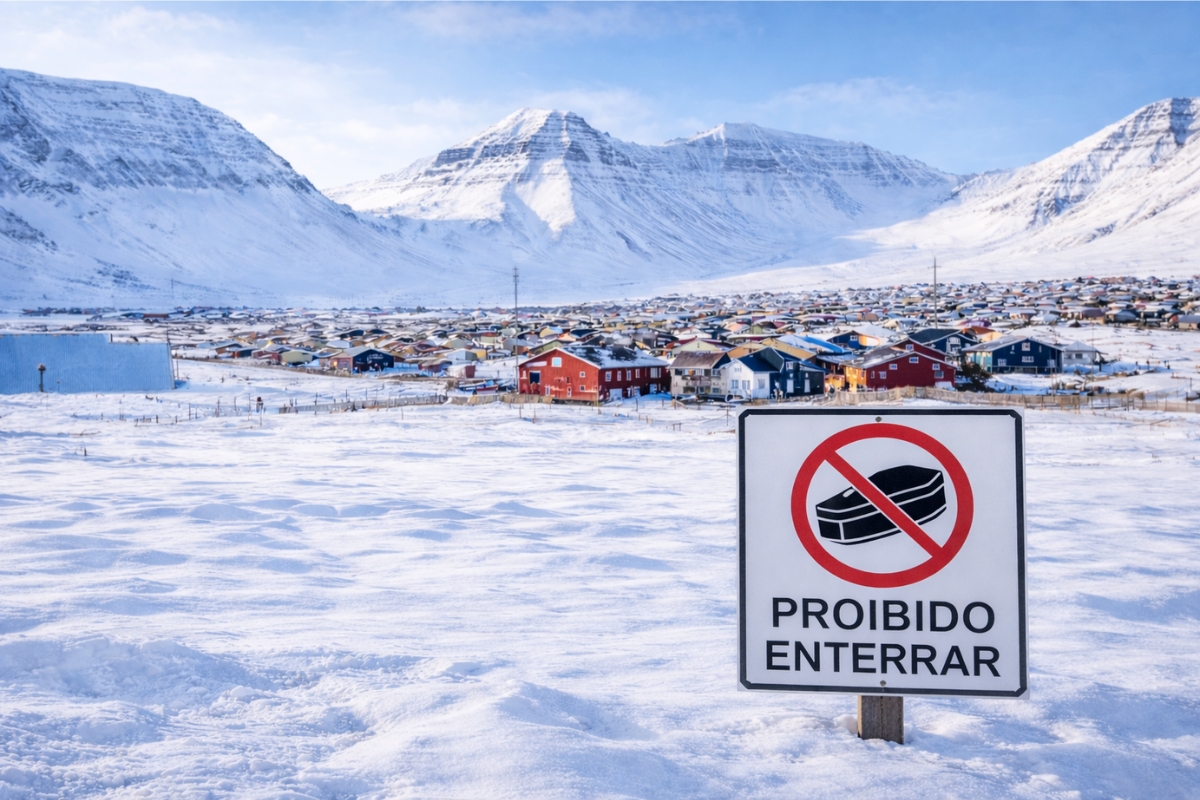
Local Regulation Prevents Burials And Alters Medical Protocols In One Of The Most Isolated Inhabited Places On The Planet
There is a place where dying within the settlement is not allowed by law. The rule is neither symbolic nor recent and influences medical, funeral, and administrative decisions to this day.
The measure arose because of extreme natural conditions and remains in effect, transforming the population’s relationship with health, aging, and death.
What Happened And Why It Got Attention
The case occurs in Longyearbyen, a community located in the archipelago of Svalbard, under the sovereignty of Norway. The rule establishes that bodies cannot be buried on-site.
-
The Argentine government celebrates the lowest poverty rate in 7 years, but experts warn that the methodology has changed, real wages have fallen, unemployment has risen, and the number of people on the streets of Buenos Aires has increased by 57% since Milei took office.

-
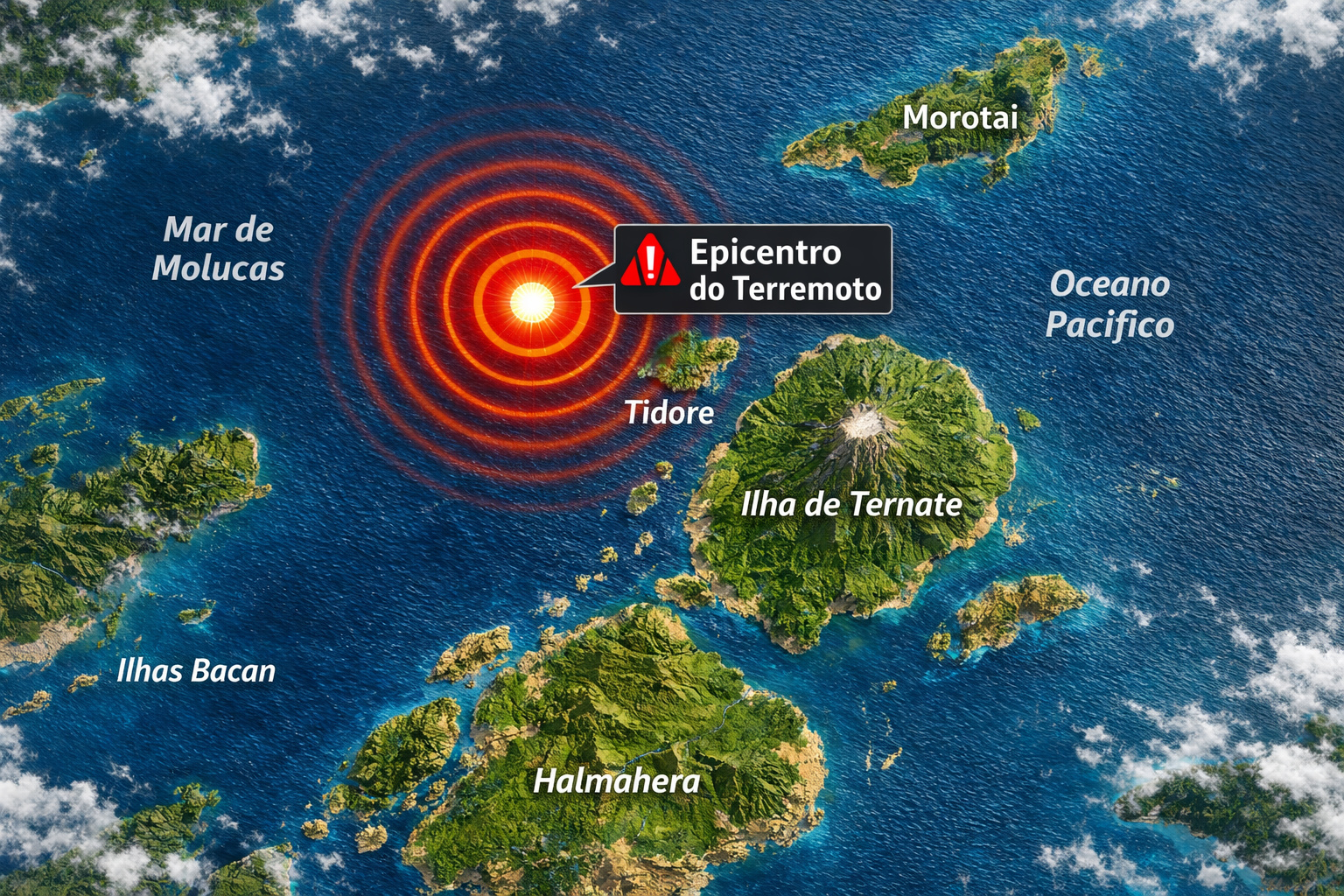
7.8 magnitude earthquake in Indonesia frightens the population, triggers tsunami alert, and hits an island with over 200,000 inhabitants this Thursday.
-
Google will finally let you change that embarrassing Gmail address you created in your teenage years without losing any accounts, logins, or old emails: the feature is already available in the United States.

-
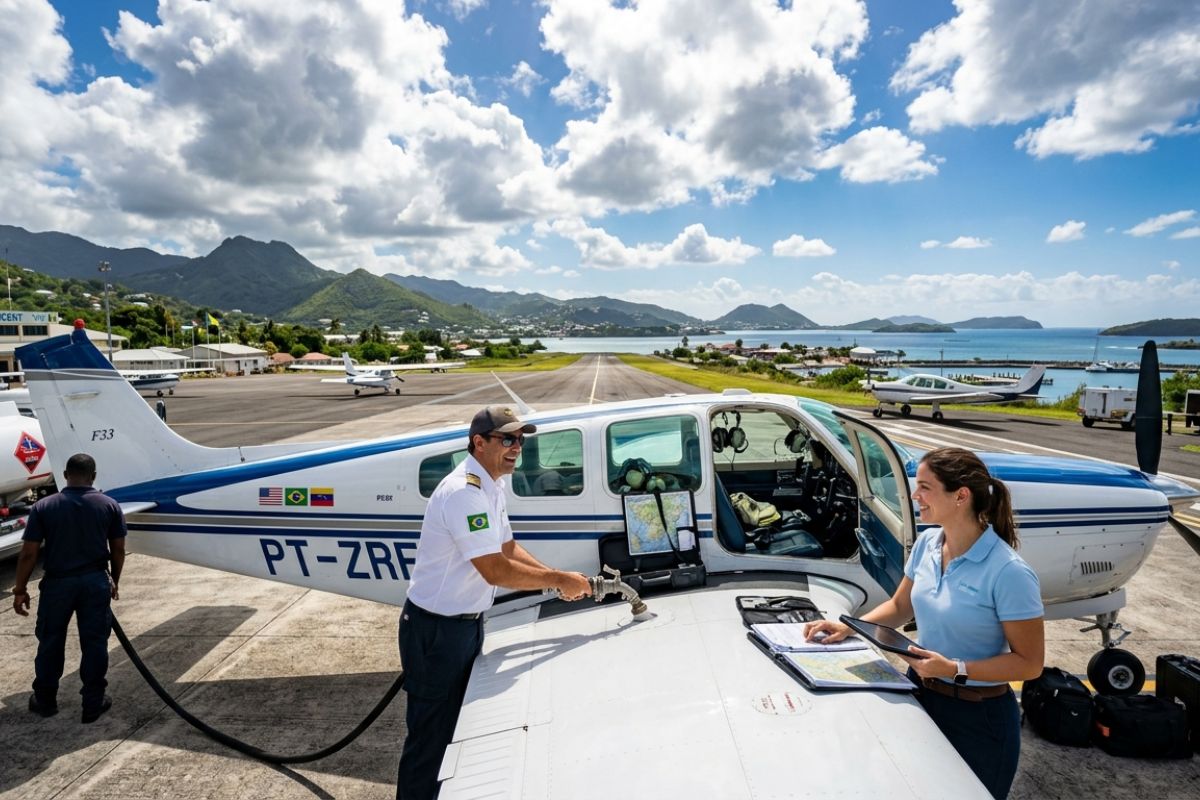
Heading to Brazil in a Bonanza F33 single-engine aircraft: a couple departs from Florida on a visual flight, makes technical stops in the Caribbean to refuel and organize paperwork, and begins the staged crossing until they reach the country.

The prohibition arose after findings that bodies buried in frozen ground did not decompose. In some cases, tissues and microorganisms remained preserved for decades.
This scenario led local authorities to adopt measures to prevent health and biological risks.
Why Death Is Treated Differently In This Place

The region’s soil remains frozen year-round, characterizing what is known as permafrost. In these conditions, natural decomposition processes hardly occur.
Studies conducted over time indicated that ancient viruses could remain preserved in buried bodies, raising public health concerns.
In response, it was determined that individuals in terminal states or with severe illnesses should be transferred to the mainland.
How The Rule Works In Practice For Residents And Visitors
When someone becomes seriously ill, the procedure provides for removal to other cities, where treatment or final care can occur.
Accidental death cases also follow specific protocols, with the body being transported outside the archipelago.
There are no active cemeteries in the settlement, and old burials remain only as historical records.
Who Lives In This Place And How The Population Adapts
The community is home to about 2,500 inhabitants, consisting of researchers, workers, families, and students from various nationalities.
Daily life already requires extreme adaptations, such as restrictions on movement outside urban areas due to the presence of polar bears.
Within this context, the rule regarding death is seen as part of the local reality and not as something exceptional.
What May Happen From Now On
The regulation remains valid, and there is no indication of change, as environmental conditions remain the same.
With the advancement of research on permafrost and climate change, the topic continues to be monitored by authorities and scientists.
The community maintains strict protocols to ensure sanitary safety and regular functioning in an extreme environment.









-

-

-

3 pessoas reagiram a isso.