





 Portuguese
  English
  Spanish
  5 min of reading
  0 comments


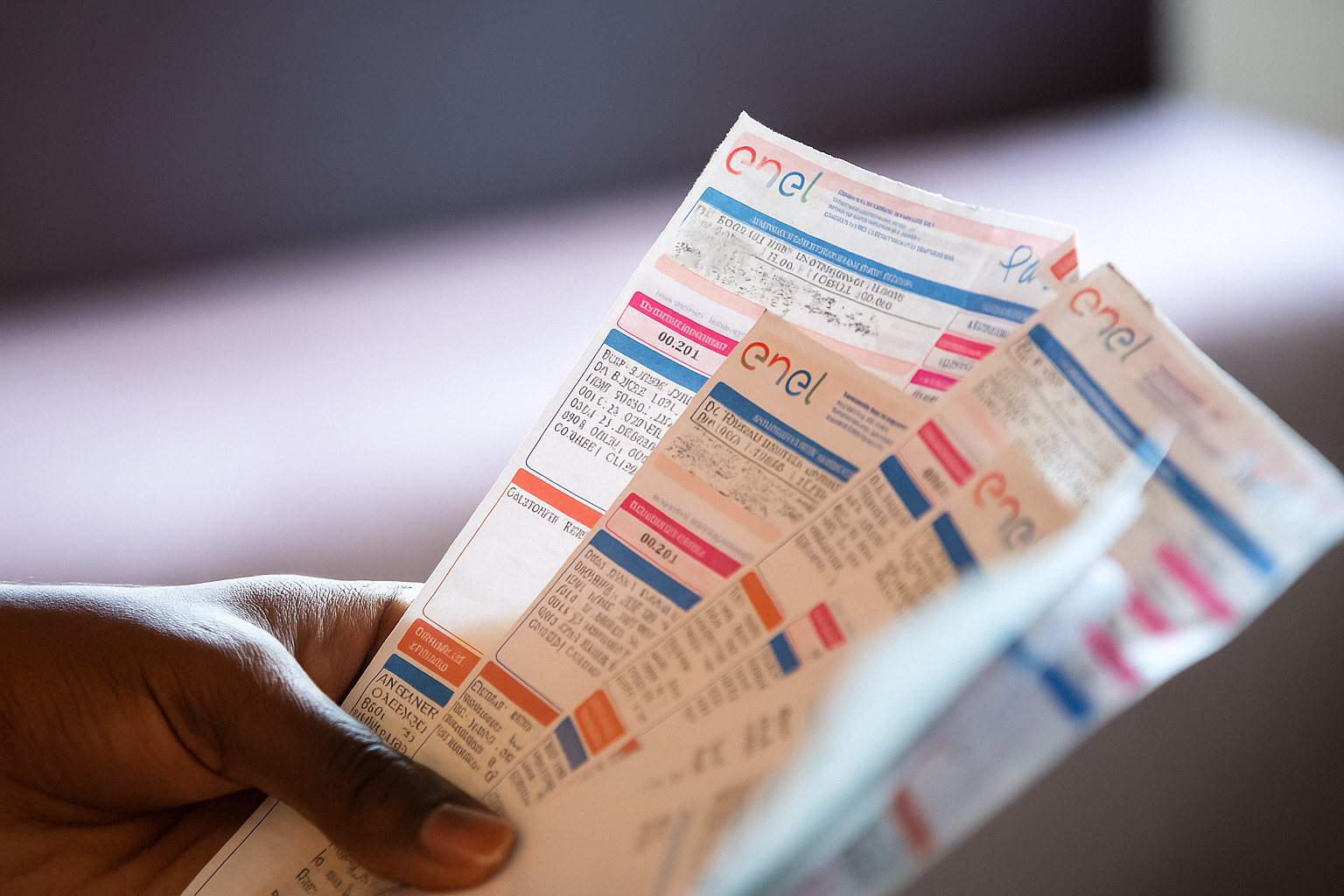
The 15% Increase in the Electricity Bill Adjustment in São Paulo Drives Companies to Seek Economy, Predictability, and Sustainability in the Free Energy Market.
Since July, the electricity bill adjustment in São Paulo, authorized by the National Electric Energy Agency (ANEEL), has raised an alert among companies in various sectors. As a direct consequence, the average increase of 15.77% in tariffs has particularly impacted large consumers connected to the high-voltage network.
Therefore, in light of rising costs and market instability, many organizations have begun to seek more economical and sustainable alternatives. In this context, the Free Energy Market has not only strengthened but also consolidated as a viable strategy.
Historically, electricity has represented one of the main operational costs in Brazil. For this reason, the complex tariff structure, with seasonal variations, tariff flags, and regulatory updates, has made the captive contracting environment a challenge for entrepreneurs.
-
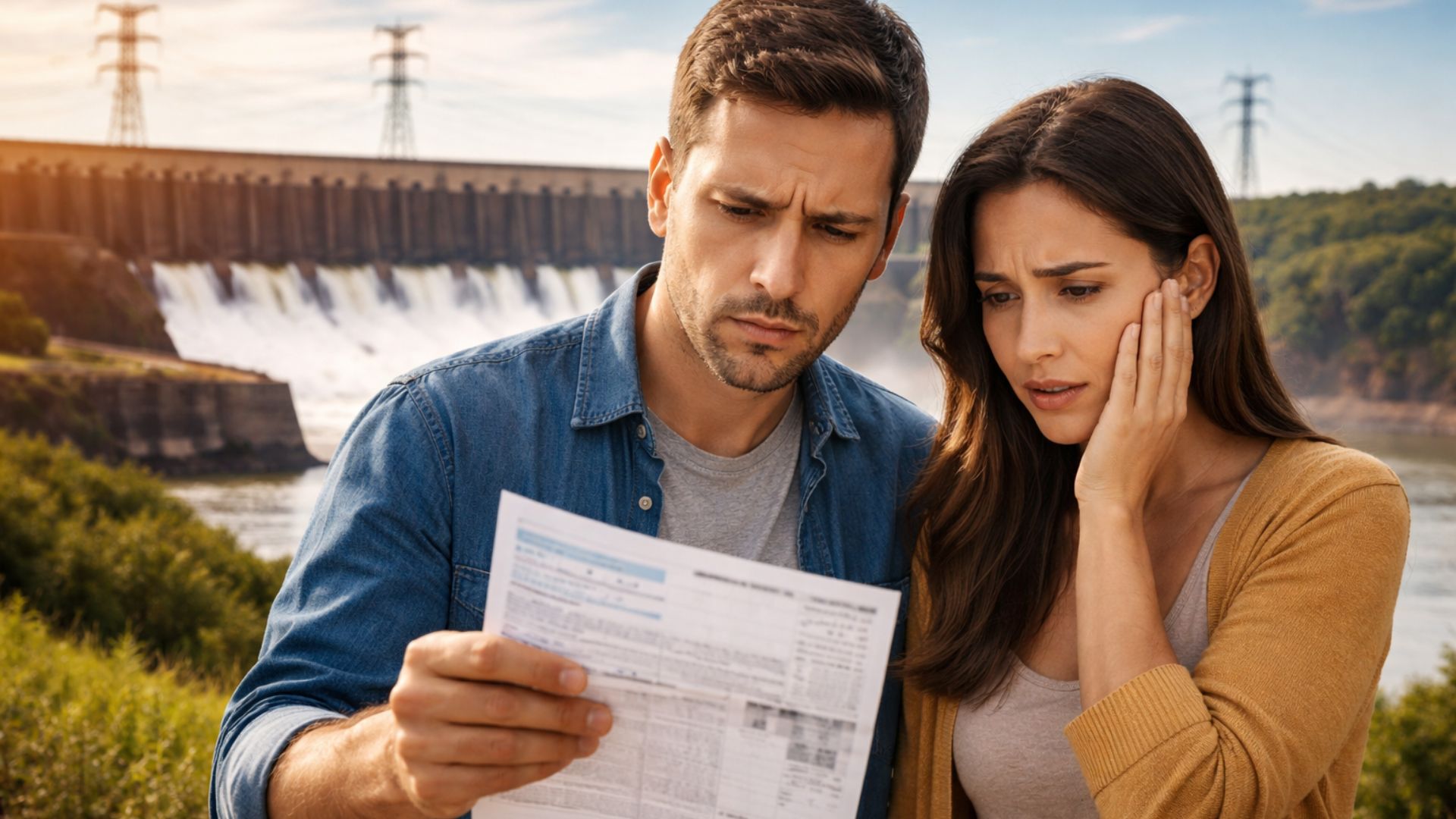
Brazilians paid R$ 18 billion more for energy from the Itaipu plant, reflecting a direct impact on tariffs and generating discussions about costs, transparency, and balance in the national electricity sector.
-
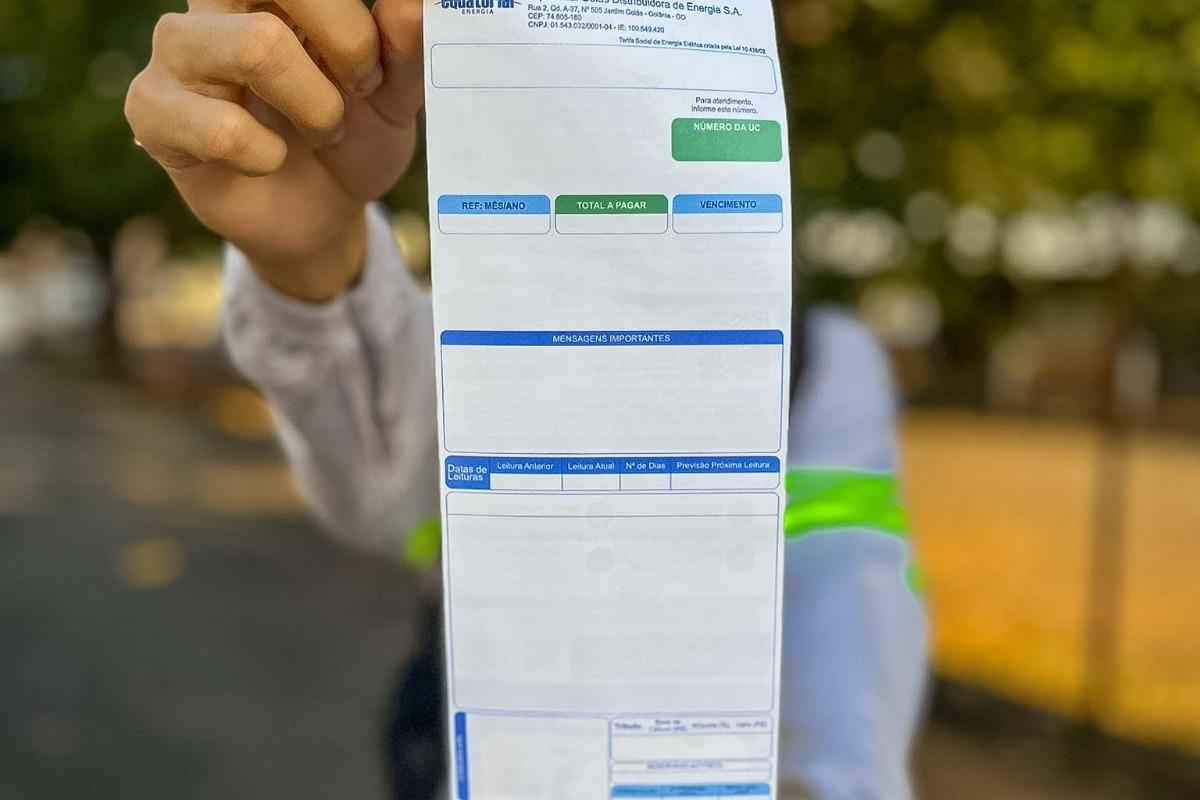
Equatorial adopts new national number for consumer units on electricity bills starting in April, following ANEEL standards and modernizing energy bills in several states.
-
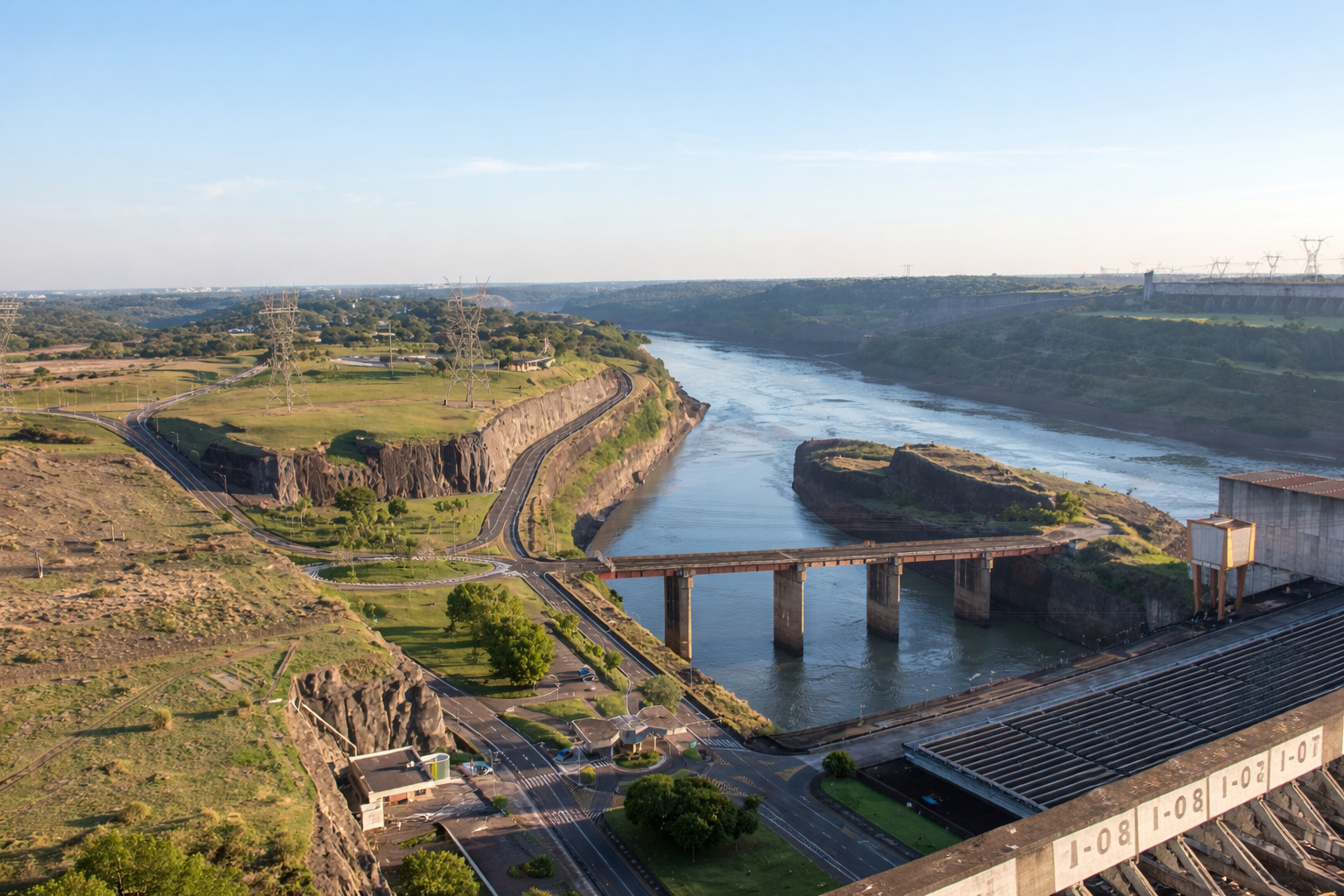
Itaipu Impresses the World: Hydroelectric Plant with 20 Turbines and 14,000 MW Generates Over 2.9 Billion MWh and Leads Global Clean Energy Production
-
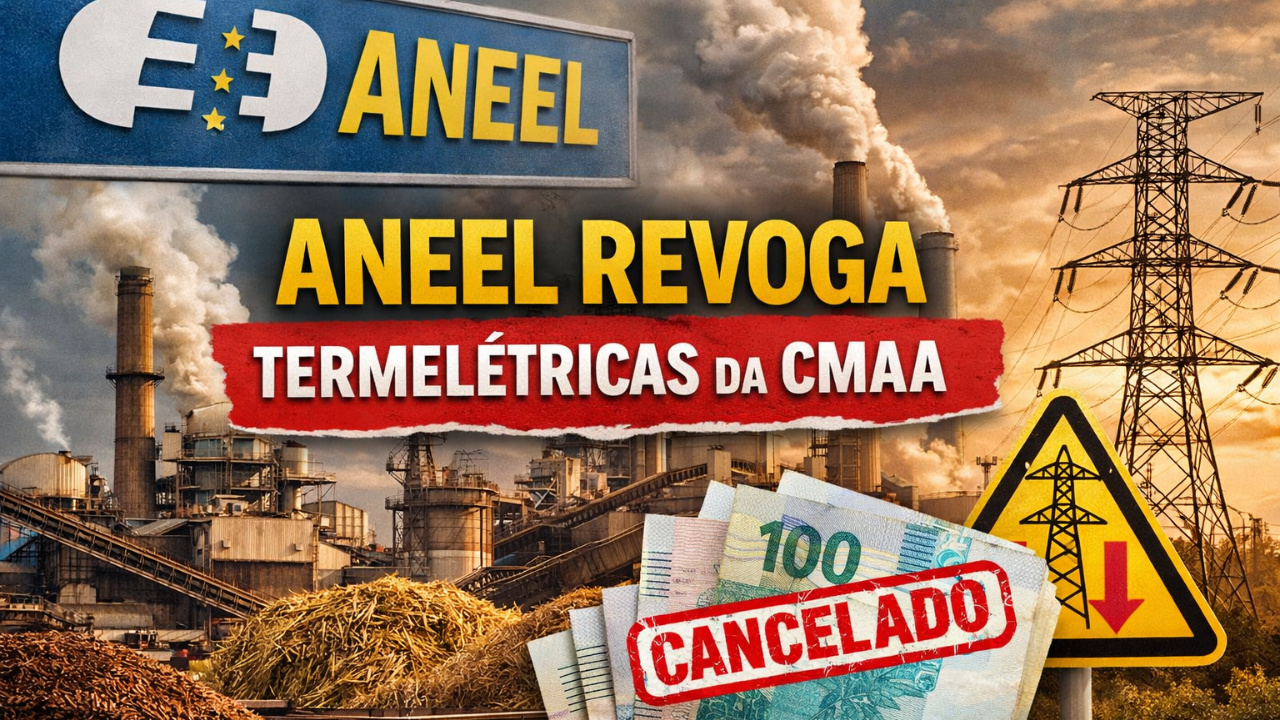
Aneel Revokes CMAA Thermal Power Plants After Network Restrictions and Excess Energy in the System

While the model has ensured universal access, it has also limited competitiveness, especially among sectors that require cost stability. Hence, the need for change has become evident.
Moreover, the lack of flexibility in negotiations in the regulated market has prevented many companies from adjusting their energy bills according to their specific needs, leading to the search for alternatives.
The History of High Energy Costs and the Opening of the Market
On one hand, Brazil has one of the cleanest energy matrices in the world. On the other hand, it faces frequent challenges in planning and management. As a result, the scarcity of rain forces the activation of thermoelectric plants, which are more expensive and less sustainable.
Thus, the increase in generation costs is directly reflected in the tariffs paid by consumers. Companies located in high-consumption regions, such as São Paulo, suffer even more from these fluctuations.
Additionally, the national electricity system, although interconnected, presents regional bottlenecks and weaknesses. Therefore, diversification in contracting models and decentralization of energy generation have become essential strategies.
In this sense, the creation of the Free Contracting Environment (ACL) emerged in response to the market’s needs. Although initially restricted to large consumers, access has expanded with regulation.
Another factor driving this change is the growing awareness among companies of the importance of energy security, especially in times of economic and political instability.
All companies in Group A have gained the right to choose their energy supplier. This regulatory opening marked a new moment for the sector.
As a result, thousands of companies have begun negotiating contracts with independent traders and generators. This has established the Free Market as a viable alternative aligned with the pursuit of economy and sustainability.
Sustainability and Economy: A New Strategic Model
First and foremost, it is important to highlight the role of sustainability in this process. Not only has the economic factor driven migration, but also commitments to ESG (environmental, social, and governance) goals.
In this context, many companies have started adopting renewable sources like solar and wind to reduce their carbon emissions and strengthen their institutional reputation.
Economy also presents itself as a concrete benefit. According to industry studies, it is possible to reduce electricity bills by up to 35% depending on consumption profile and the contract established.
For companies operating with tight margins, this economy represents a significant strategic gain.
Furthermore, contracts established in the ACL ensure predictability. In contrast to the captive market, subject to fluctuations in tariff flags, the free environment allows locking in prices for longer periods.
In this way, companies can better plan their budgets and avoid unpleasant surprises.
It is worth noting that access to the Free Market also allows companies to participate more actively in energy efficiency policies, contributing to the sustainable development of the country.
The Digitization of Access and the Democratization of Clean Energy
The migration to the Free Market has become increasingly accessible. Previously seen as a bureaucratic process, it now benefits from digitalization and process automation.
Companies like Serena offer digital platforms that analyze consumption profiles, simulate scenarios, and guide the customer through the entire transition. This way, even companies with limited technical structure can migrate securely.
Not only does technology facilitate the process, but it also ensures regulatory compliance and greater operational efficiency. By using data intelligence, these platforms proactively adjust contracts, monitor consumption, and anticipate risks.
Thus, the path from the decision to migrate to the first positive financial results is shortened.
The adjustment in the electricity bill in São Paulo has motivated many companies to reassess their contracting models. After all, energy has ceased to be merely an operational expense and has become part of the growth strategy.
For this reason, migrating to the ACL has ceased to be an exception and has become the rule among large consumers attentive to competitiveness.
According to the Chamber of Electric Energy Commercialization (CCEE), the number of consumer units in the ACL is expected to grow by 350% by 2028. Moreover, it is anticipated that Group B consumers — low-voltage — will also be able to access the Free Market.
This movement will further expand the reach of clean and low-cost energy in the country.
The Future of Energy Contracting in Brazil
In light of an increasingly pressured cost and environmental goal scenario, Brazil finds in the Free Market a strategic and innovative solution.
With an abundance of renewable sources and distributed generation potential, the country is well positioned to lead this energy transformation. However, it is necessary to invest in infrastructure, revise regulations, and encourage the entry of new players into the market.
Meanwhile, the reaction of companies to the electricity bill adjustment in São Paulo signals a significant cultural and operational shift. After all, reducing costs and ensuring predictability has become essential for the financial and reputational sustainability of businesses.
As a result, the Free Market has established itself as an efficient, secure, and modern alternative.
Thus, small and medium-sized enterprises have also begun to see value in this change. As access expands and platforms simplify migration, the ACL is no longer a privilege of large industries.
At this pace, the free model is set to become the new standard for energy contracting in Brazil.
Finally, it is important to emphasize that the Free Energy Market represents more than just savings. It symbolizes a new way of thinking about energy in Brazil: as a strategy, as a differential, and as an opportunity for sustainable growth.










Seja o primeiro a reagir!