





 Portuguese
  English
  Spanish
  4 min of reading
  0 comments


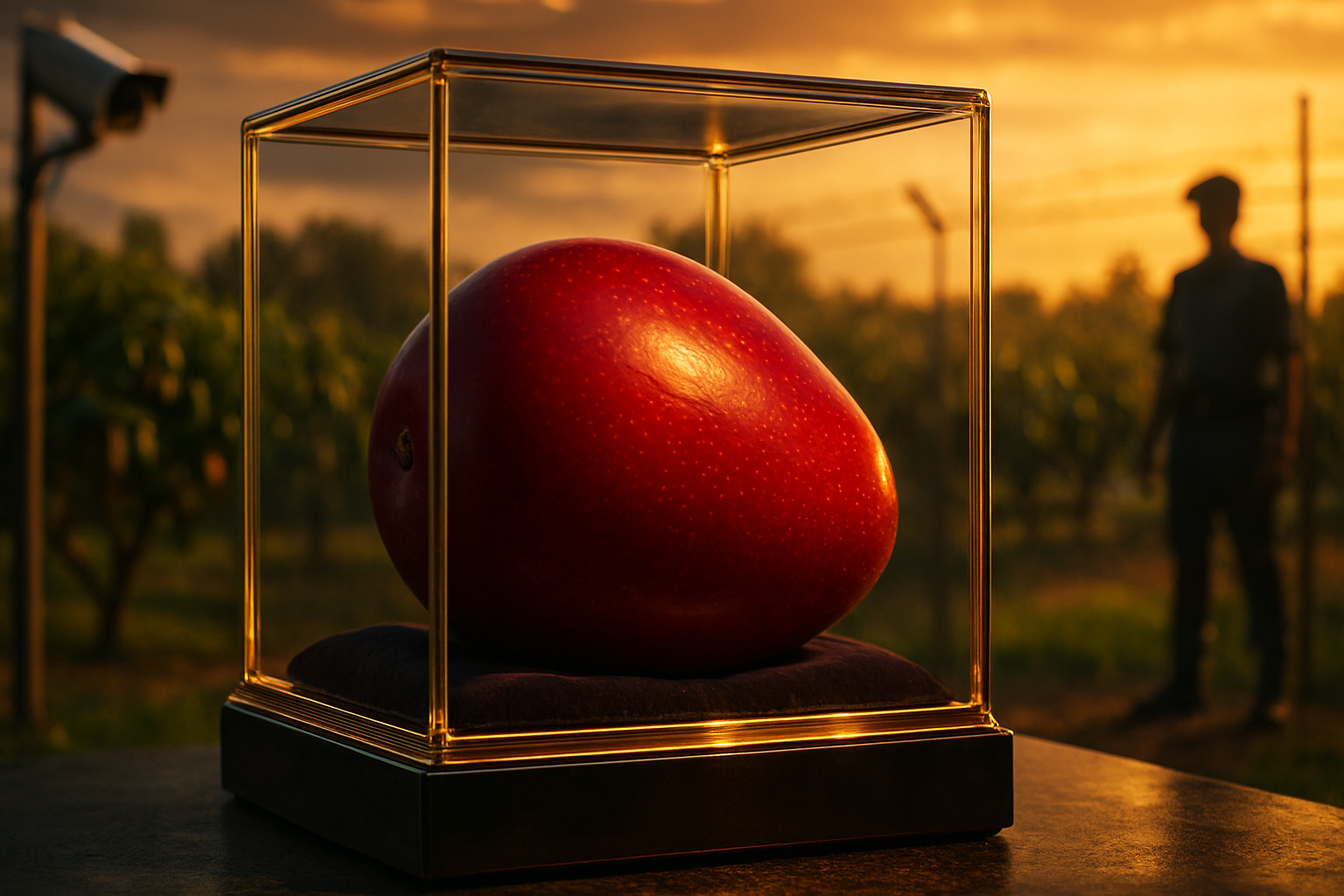
Meet the Miyazaki Mango, The Most Expensive in The World, Grown Mainly in The Miyazaki Prefecture, Located in The South of Kyushu Island in Japan.
Behind the title of “most expensive mango in the world,” there is no advertising exaggeration or urban legend. This is a real, rare, and rigorously controlled variety. The Miyazaki mango is produced in Japan under such specific conditions that it has transformed an ordinary fruit into a subject of international dispute. The case reveals how genetics, scarcity, agricultural tradition, and cultural symbolism can elevate a food item to unimaginable levels of value.
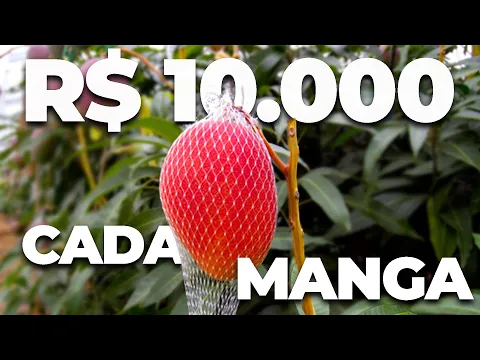
The variety associated with these extreme values is the Miyazaki mango, known for its intense reddish-purple color, perfectly oval shape, and exceptionally high sugar content. Each fruit follows strict quality criteria, which include minimum weight, total absence of blemishes, and specific levels of sweetness and texture.
The decisive factor is the tracked genetic pedigree. Producers select mother plants, control pollination, monitor growth, and document each step of the cultivation. The result is a fruit whose origin can be verified, something uncommon in the agricultural world and closer to what is seen in rare wines or specialty micro-lot coffees.
-
The eggshell that almost everyone throws away is made up of about 95% calcium carbonate and can help enrich the soil when crushed, slowly releasing nutrients and being reused in home gardens and vegetable patches.
-
This farm in the United States does not use sunlight, does not use soil, and produces 500 times more food per square meter than traditional agriculture: the secret lies in 42,000 LEDs, hydroponics, and a system that recycles even the heat from the lamps.
-
The water that almost everyone throws away after cooking potatoes carries nutrients released during the preparation and can be reused to help in the development of plants when used correctly at the base of gardens and pots, at no additional cost and without changing the routine.

-
The sea water temperature rose from 28 to 34 degrees in Santa Catarina and killed up to 90% of the oysters: producers who planted over 1 million seeds lost practically everything and say that if it happens again, production is doomed to end.



Reinforced Security to Protect a Mango
As the value skyrocketed, an unexpected side effect emerged: theft. In producing regions, there are reports of orchards with fences, surveillance, and constant monitoring, something unthinkable for a traditional fruit crop.
In some cases, producers began to limit visits and harvests, picking the mangoes only at the exact moment of ripeness to reduce risks.
This level of protection is not marketing; it is a direct response to demand and scarcity. A single box with a few units can represent months of income for a small producer, which explains the extreme care.
How the Miyazaki Mango Reaches Prices of Popular Cars
The prices are striking because they do not come from nowhere. In auctions and special sales, mangoes of this variety have reached prices equivalent to those of a popular car when sold in pairs or extremely limited boxes.
This occurs due to a rare combination of factors: small annual production, high losses due to strict selection criteria, and strong symbolic value.

In Asian culture in general, perfect fruits are used as prestige gifts, especially during celebrations, business agreements, and important family occasions. In this context, paying thousands of reais for a food item is not seen as extravagance but as a demonstration of respect, status, and prosperity.
Agricultural Tradition Taken to The Limit
Farmers invest years in mastering pruning, irrigation, sunlight exposure, and soil nutrition techniques. Each fruit receives individual attention, and many are discarded even before harvest for not meeting the required standard.
This logic explains why most mangoes produced never reach the premium market. Only a minimal fraction receives informal certification of excellence, which sustains high prices and reinforces the aura of exclusivity.
Food Luxury and Globalization of Desire
The interest in this mango has crossed borders. International reports, social media, and harvest videos have transformed the fruit into a global icon of food luxury, attracting buyers from other countries and further increasing the pressure on supply.
As a result, the mango has ceased to be merely food and has come to occupy a symbolic space similar to that of rare artisanal products.
The phenomenon speaks to a broader trend: foods that escape the logic of daily consumption and enter the realm of desire, rarity, and cultural narrative. Just like historical wines or Japanese melons auctioned for absurd amounts, this Japanese mango shows that the value lies not just in the taste but in the story that accompanies it.
When The Fruit Becomes a Symbol
In the end, the most expensive mango in the world does not just challenge common sense about food prices. It questions how we assign value to things, how local traditions can scale globally, and how far agriculture can go when perfection becomes the central objective.
More than an exotic curiosity, this fruit is an extreme portrait of a market where genetics, culture, and scarcity intersect — and where a simple mango can be worth as much as a car.









-

-

4 pessoas reagiram a isso.