





 Portuguese
  English
  Spanish
  4 min of reading
  0 comments


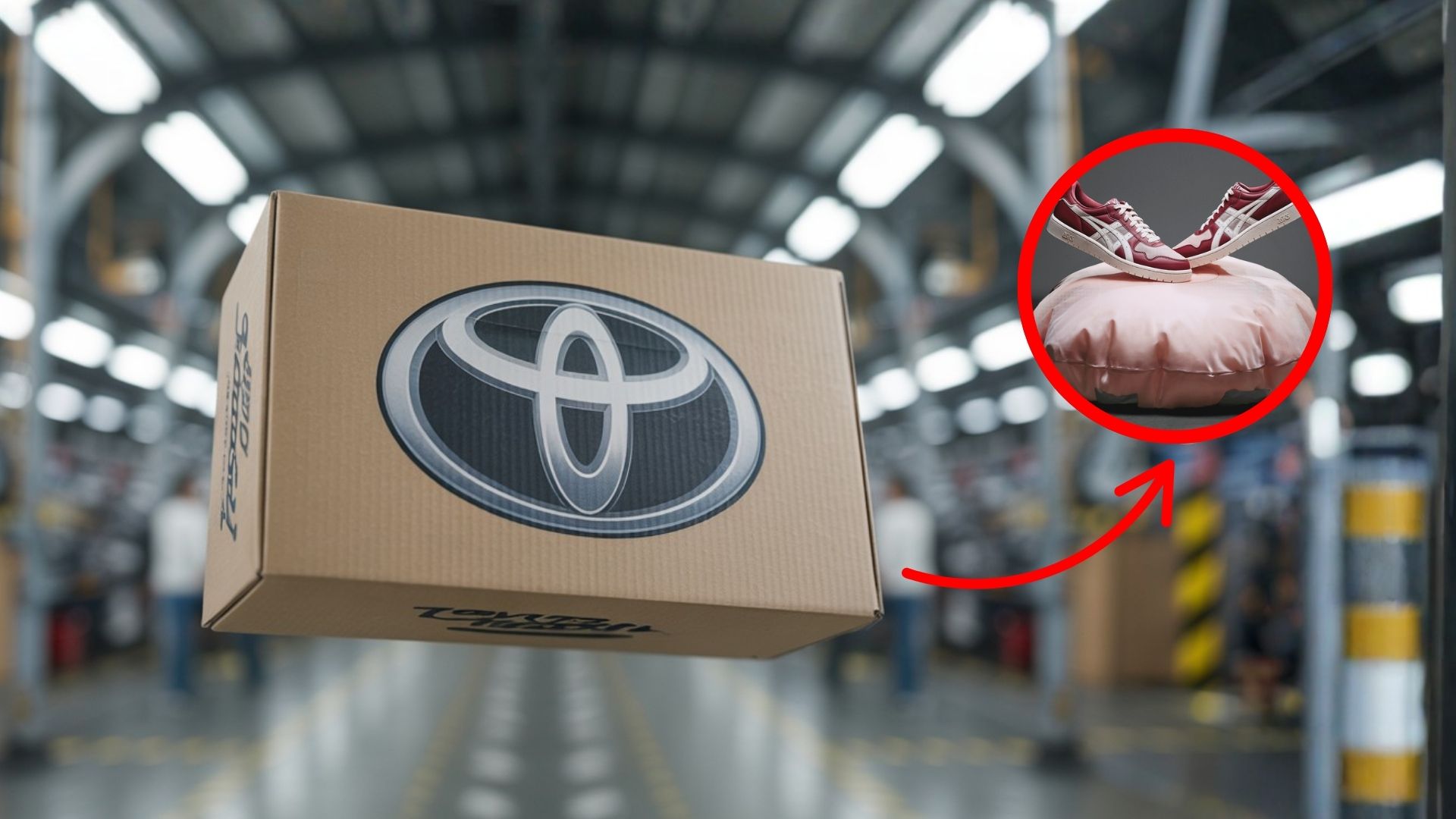
Airbags That Once Protected Drivers Now Become Material for a Retro-Designed Shoe Created by ASICS in Partnership with Toyota. The Innovation Blends Sustainability, Technology and Sports Nostalgia in a Limited Edition Available in Brazil.
What once served to protect drivers and passengers in cars such as Corolla, Hilux and other Toyota models now gains a new destination.
ASICS launched in Brazil the Japan S Airbag, a shoe that uses repurposed fabric from automotive airbags in part of its structure.
The model combines retro aesthetics, technology, and sustainability, and is a result of a partnership between the Japanese sports brand and a supplier from the automotive industry.
-
The Argentine government celebrates the lowest poverty rate in 7 years, but experts warn that the methodology has changed, real wages have fallen, unemployment has risen, and the number of people on the streets of Buenos Aires has increased by 57% since Milei took office.

-
7.8 magnitude earthquake in Indonesia frightens the population, triggers tsunami alert, and hits an island with over 200,000 inhabitants this Thursday.

-
Google will finally let you change that embarrassing Gmail address you created in your teenage years without losing any accounts, logins, or old emails: the feature is already available in the United States.

-
Heading to Brazil in a Bonanza F33 single-engine aircraft: a couple departs from Florida on a visual flight, makes technical stops in the Caribbean to refuel and organize paperwork, and begins the staged crossing until they reach the country.


According to ASICS, about 25% of the upper — the top part of the shoe — is made with recycled nylon from airbags.
The material underwent a decontamination and repurposing process before being incorporated into the shoe’s design.
That’s why the brand presents it as “the safest shoe in the world”, referring to the material that was originally created to save lives.
Repurposing Automotive Technology

The partnership between ASICS and Toyota arises amid the advancement of sustainability policies in both companies.
According to information released by the sports brand, the idea was to transform a technical and high-strength material into a usable fabric for consumer products, preserving durability and reducing industrial waste.
The airbag fabric, made from high-density nylon, is traditionally designed to withstand extreme temperatures and high pressures.
Adapting it for use in footwear required a specific industrial process that includes cleaning, cutting, and reshaping.
ASICS technicians state that the main challenge was to maintain the lightness and comfort typical of the brand’s shoes without losing the strength of the original material.
The project is part of a broader strategy by ASICS to increase the use of recycled materials in its product line.
According to company data, part of the current collections already uses repurposed polyester and dyeing processes with lower water consumption.
The use of airbags, however, represents an unprecedented innovation within the brand.
Retro Design with Updated Technology
Visually, the Japan S Airbag recalls the style of 1980s court shoes, featuring straight silhouette, firm sole, and visible seams.

The design is inspired by classic basketball models, known for their simple and functional structure.
ASICS reports that the comfort of the model has been enhanced with a cupsole midsole, which offers cushioning and stability for urban use.
The goal was to combine vintage appeal with the performance needed for daily use.
Industry experts say that this type of approach, which combines nostalgia and innovation, has been common among major sports brands.
Consumers, according to these analysts, value products that present history and concept, especially when related to sustainability.
Fashion and Sustainability as Strategy
The repurposing of airbags is highlighted by sustainable design researchers as an example of integration between industries seeking a circular economy.
The concept envisions that products or raw materials from one sector can be repurposed by another, extending the useful life cycle of materials.
In the case of Toyota, the use of recycled airbags also fits into a global policy of waste reduction.
The automaker is already undertaking projects for recycling batteries, fabrics, and metal components in its factories in Asia and Europe.
The collaboration with ASICS broadens this strategy to the consumer sector in a fashion-oriented format.

According to industrial sustainability experts, the use of recycled automotive fabrics in clothing and footwear is expected to expand in the coming years.
Companies seek alternatives to meet carbon neutrality goals and reduce technical waste generation.
Commercialization and Target Audience
The Japan S Airbag reached the Brazilian market in the second half of 2025, with a suggested price of R$ 499.99.
The model can be found in physical ASICS stores and on the official brand website, with limited production.
The company did not disclose the exact number of pairs produced but stated that it is a special edition aimed at collectors and consumers interested in sustainable products.
According to retail sources, the combination of retro style, ecological concept, and connection with Toyota has attracted the attention of consumers who follow the sneaker market.
Industry professionals assess that the scarcity of the product may increase its value in the secondary market, a common practice for limited releases.
Partnership That Points to New Paths

The collaboration between ASICS and Toyota is seen by international market analysts as part of a growing movement of collaborations across different industries — especially between technology, automotive, and sports fashion.
In recent years, brands such as Adidas, Nike, and Puma have also been exploring recycled materials from industrial waste.
According to data from the Fashion and Sustainability 2025 report published by international consultancies, over 70% of major sports brands have already adopted targets for using recycled or controlled-source materials.
The incorporation of automotive materials is considered one of the next frontiers of this transformation.
The Japan S Airbag illustrates this transition by combining technological innovation and repurposing of high-performance materials.
Although the model is presented as a special edition, ASICS representatives indicated that similar projects may be evaluated for future collections, depending on public acceptance and production feasibility.









Seja o primeiro a reagir!