





 Portuguese
  English
  Spanish
  2 min of reading
  0 comments


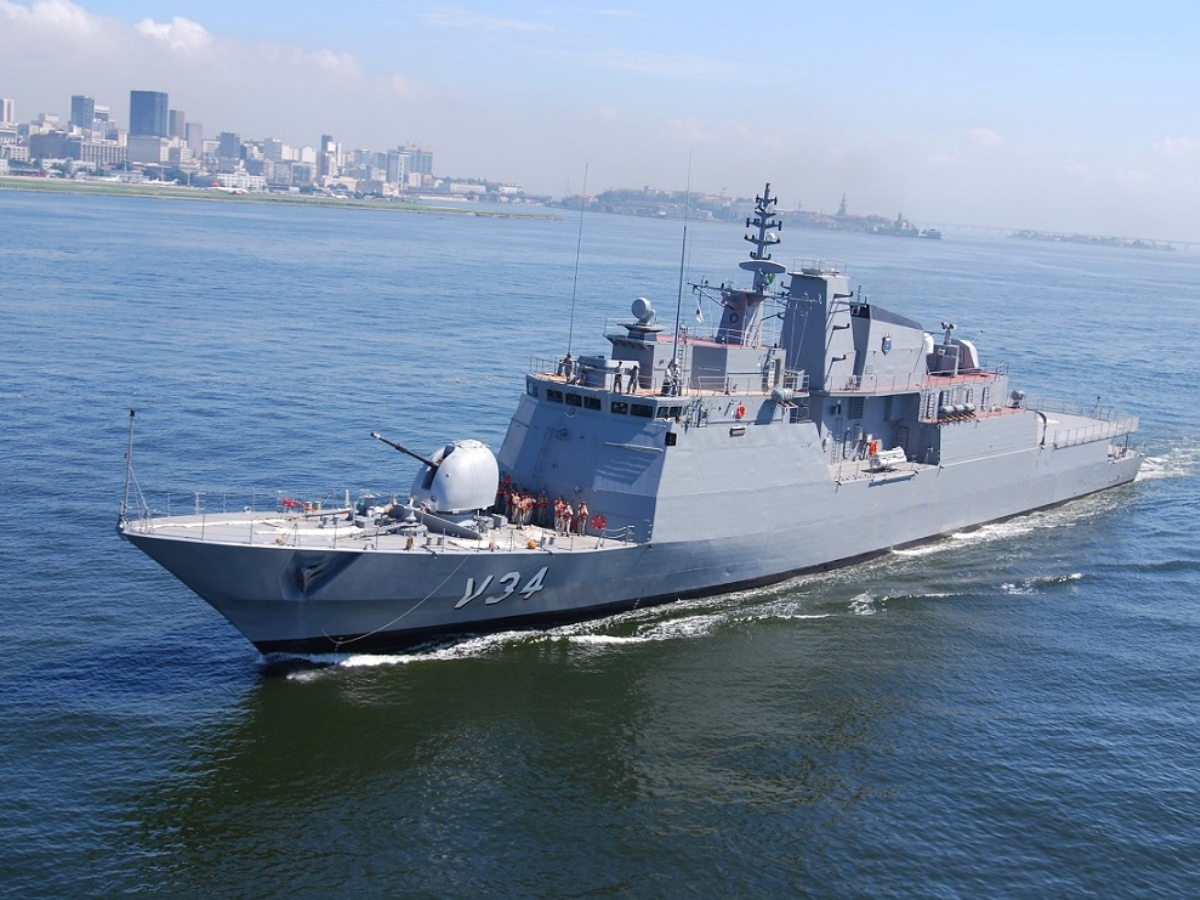
Corvette of the Barroso Class Had Propulsion System Commissioned After Extensive Maintenance; Operational Resumption Marks Joint Effort of the Brazilian Navy.
On May 14, the Brazilian Navy took a decisive step to strengthen the Fleet’s readiness with the commissioning of the new engines of the Barroso Corvette (V 34). The technical ceremony marks the completion of a critical stage in the process of returning the vessel to full operational capacity, following its General Maintenance Period. The activity was conducted by the Industrial Directorate of the Navy and the Naval Engineering Directorate, with technical support from the Navy Arsenal of Rio de Janeiro.
New Operational Phase of the Barroso Corvette
The commissioning aimed primarily to test the performance of the propulsion systems and other essential equipment for navigation and military operation.
With the new engines installed and approved, the Barroso Corvette is ready to return to sea, reinforcing its mission to protect national maritime interests.
-
Europe is trying to create an ammonia-powered marine engine without auxiliary fuel, which could unlock the race for giant emission-free ships. The technology aims to eliminate one of the biggest obstacles to clean maritime propulsion.

-
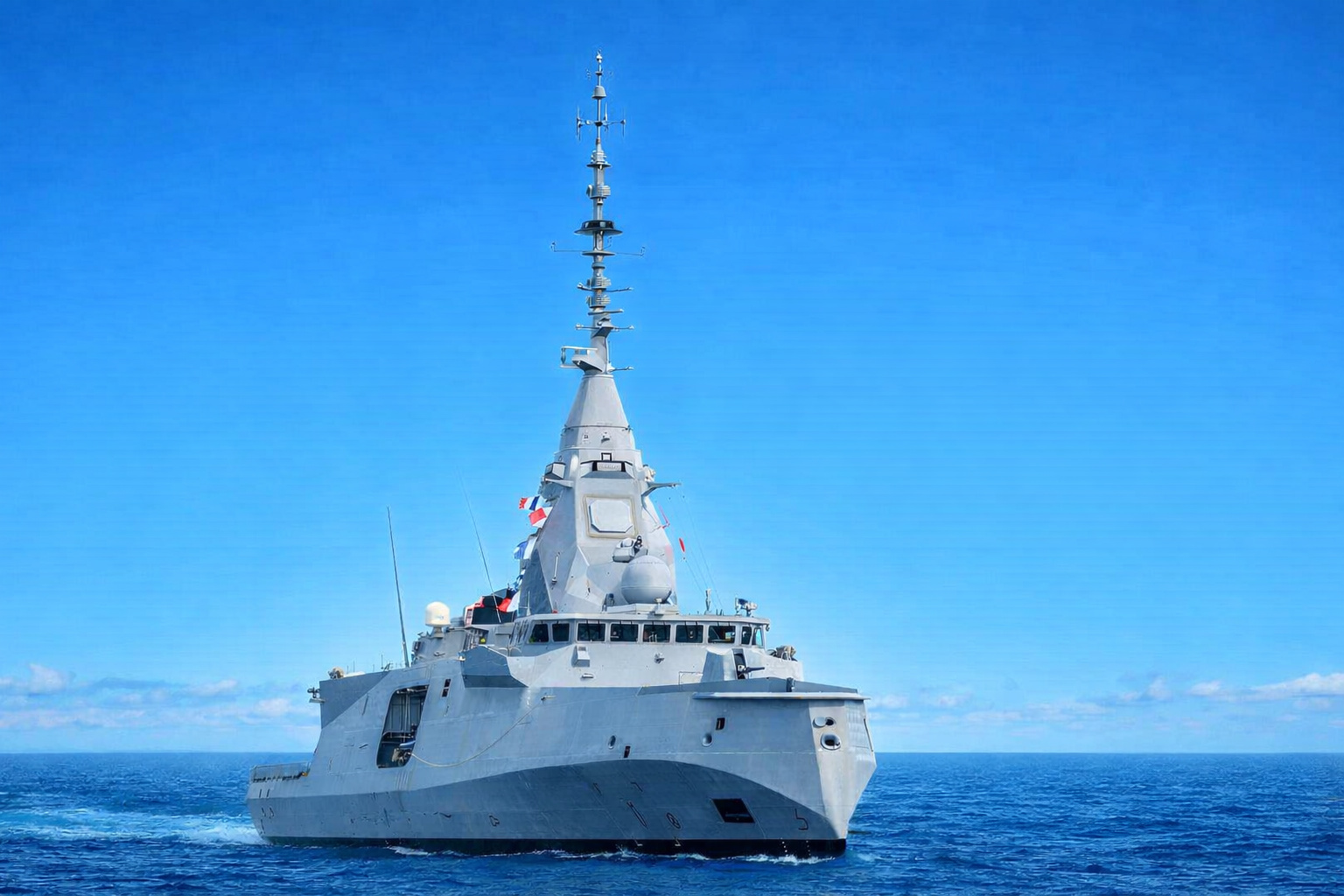
A 4,500-ton frigate with just over 100 crew members, state-of-the-art radar, and cruise missiles is being touted as the new standard of naval warfare in the 21st century.
-
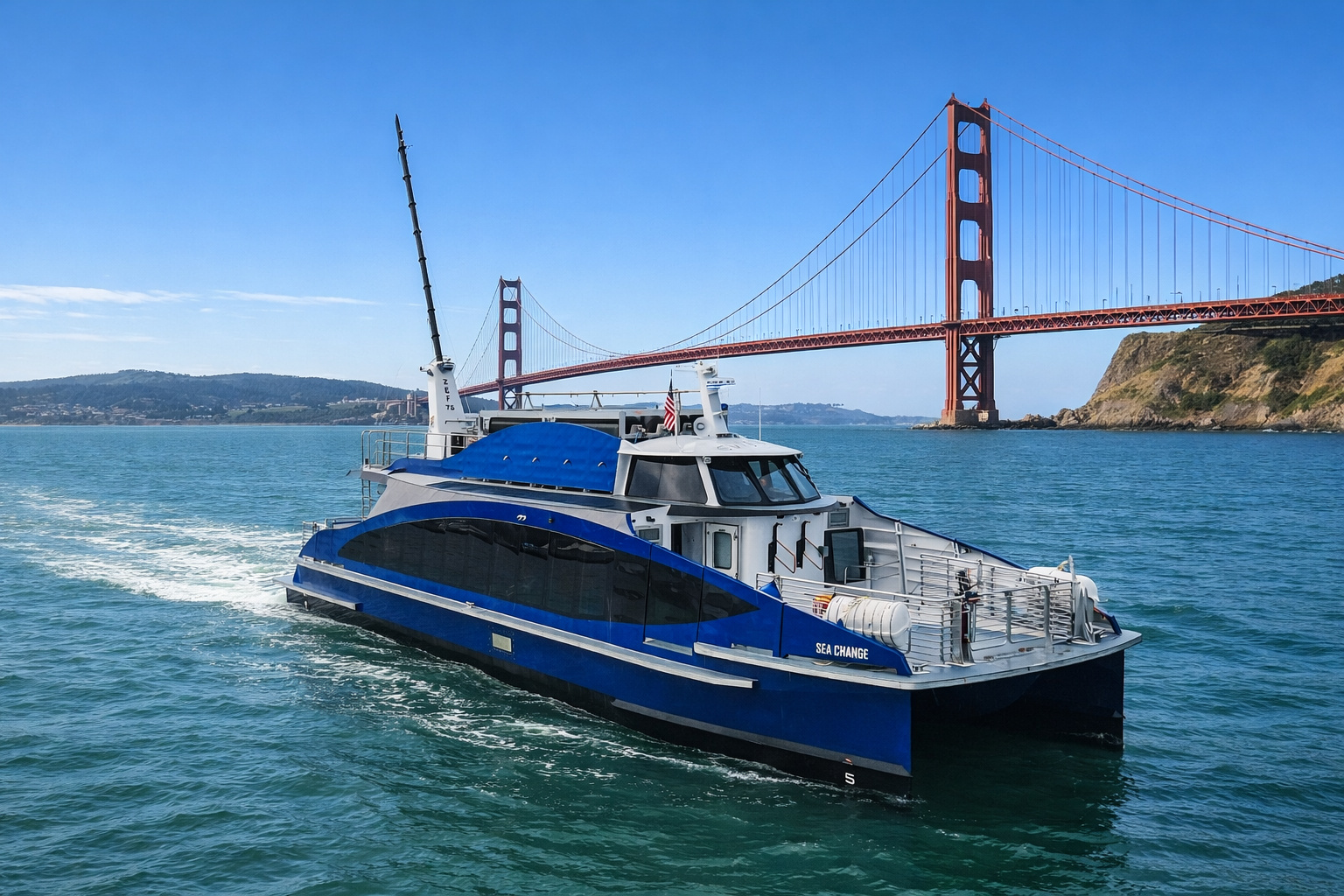
The first commercial hydrogen-powered ferry enters operation in the U.S., eliminates the use of diesel, uses fuel cells to generate clean energy on board, and transforms San Francisco Bay into a landmark of the new era of emission-free navigation.
-
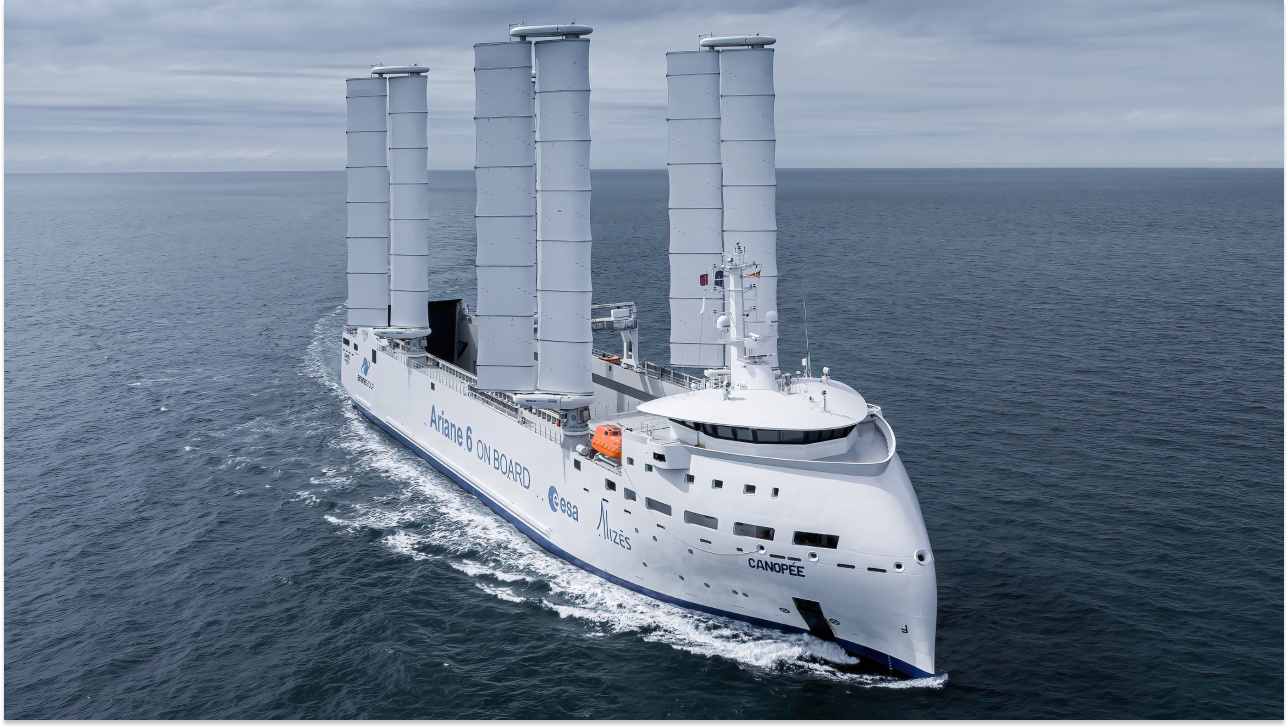
With a length of 121 meters and four rigid sails of 36 meters that automatically rotate to capture the wind, Canopée is the world’s first hybrid industrial cargo ship powered by wind, used to transport rockets and reduce fuel consumption by up to 30% on transoceanic routes.

According to Captain of Frigate Ricardo Bittencourt da Silva, Commander of the vessel:
“The return to sea represents more than a technical milestone; it is the result of the joint effort of the Navy’s material and operational sectors, which operate in synergy for the readiness of the Fleet’s assets.”
Symbol of Brazilian Naval Engineering
Designed by the Naval Engineering Directorate and built in Brazil, at the Navy Arsenal of Rio de Janeiro, the Barroso Corvette is considered a milestone of the national military naval industry.
The ship is the fifth to bear this name in honor of Admiral Francisco Manuel Barroso da Silva, the Baron of Amazonas.
With hull number 126, the vessel had its keel laid on December 21, 1994, and was launched on December 20, 2002, in a ceremony attended by the then Vice President of the Republic, Dr. Marco Antônio de Oliveira Maciel.
The Corvette was officially incorporated into the Brazilian Navy on August 19, 2008.
Highlight in International Missions and Strategic Defense
The Barroso Corvette (V 34) has a significant history in international operations, having served as the Flagship of the Maritime Task Force of UNIFIL in Lebanon.
Its versatility allows it to locate and neutralize aerial, naval, and underwater threats, in addition to performing patrols in territorial waters.








Seja o primeiro a reagir!