





 Portuguese
  English
  Spanish
  4 min of reading
  0 comments


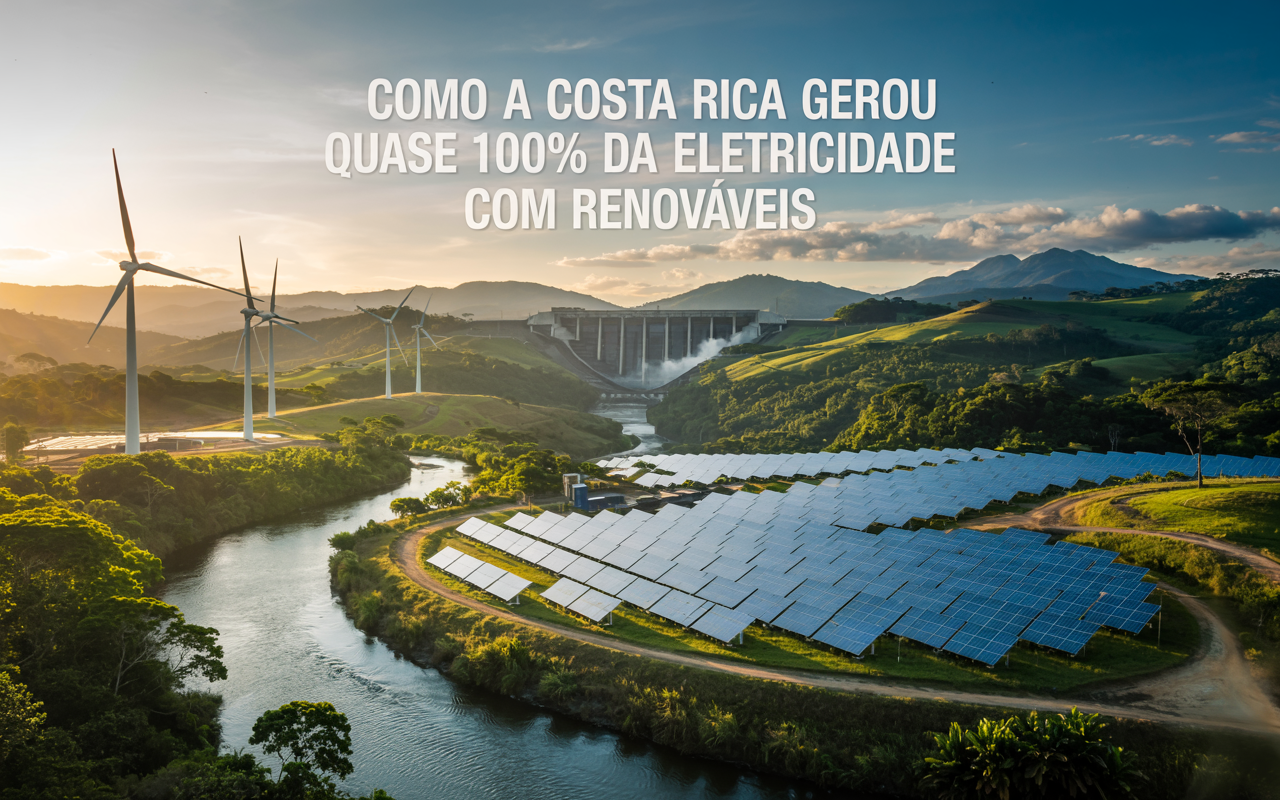
How Costa Rica Became a World Example in Generating Nearly All Its Electricity with Clean Energy and Is Now Facing the Challenge of Maintaining the Model in an Uncertain Climatic Scenario.
Have you ever imagined a country where the light that powers your home, the energy that drives the industry, and even what charges your phone comes almost solely from clean sources? That is exactly what happens in Costa Rica, one of the few places in the world that has accomplished the feat of generating nearly 100% of its electricity from renewable sources. And the most curious part: this result is not recent. The country has been collecting records in this field for years, and the story behind this achievement is full of lessons – and also challenges that remain on the radar.
The Path to Nearly 100% Renewable Electricity in Costa Rica
To understand how this country generated nearly 100% of its electricity from renewables, one must look at what the country has in abundance: rivers, volcanoes, and plenty of wind. The country’s energy matrix mainly relies on the power of water.
Hydroelectric plants are the main stars of this story, accounting for more than 70% of electricity production. The remainder comes from geothermal energy (harnessing the heat from volcanoes), wind, and to a lesser extent, solar and biomass.
-
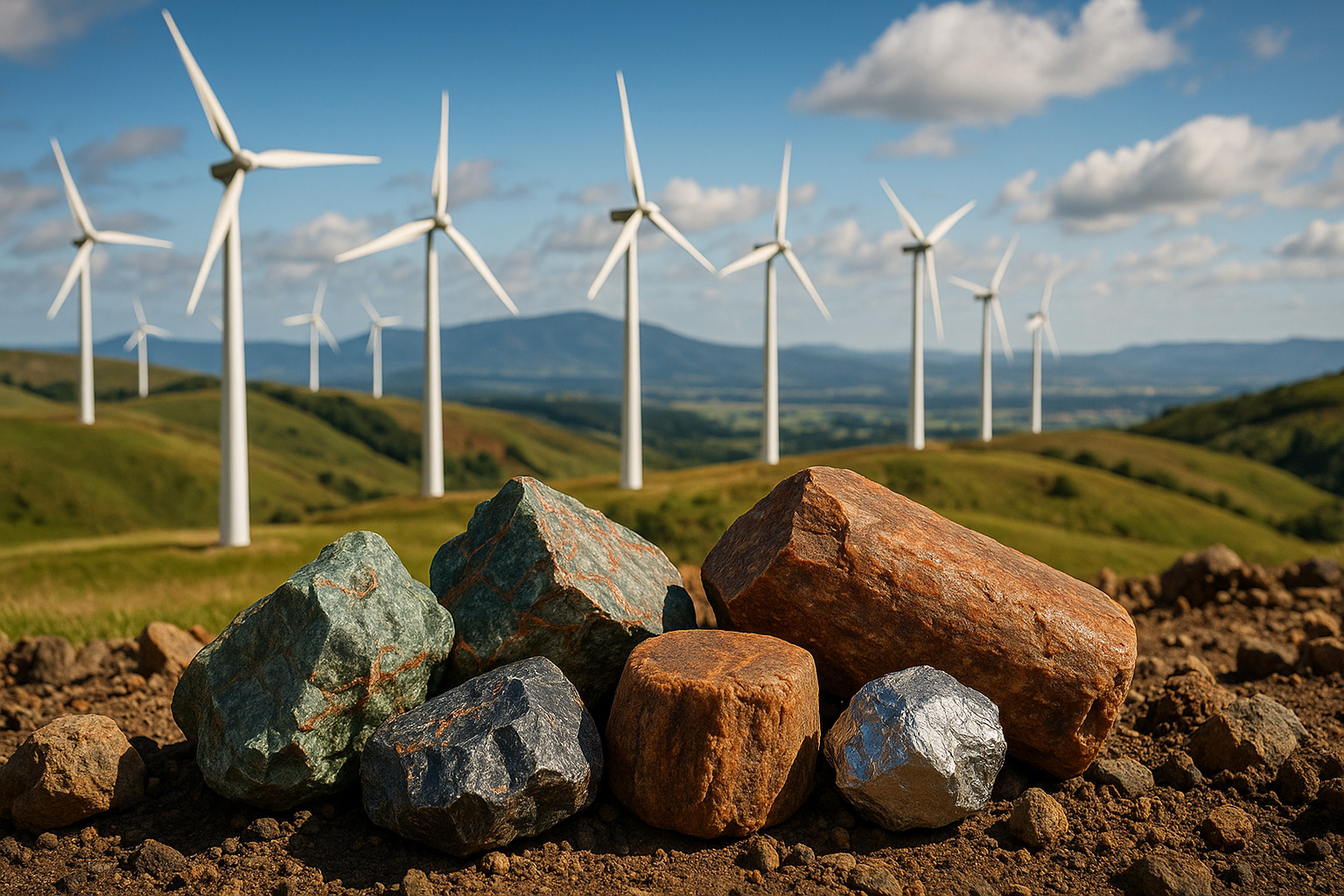
The Brazilian state accelerates industrial competitiveness with a focus on the extraction of strategic minerals to boost the energy transition in Goiás.
-
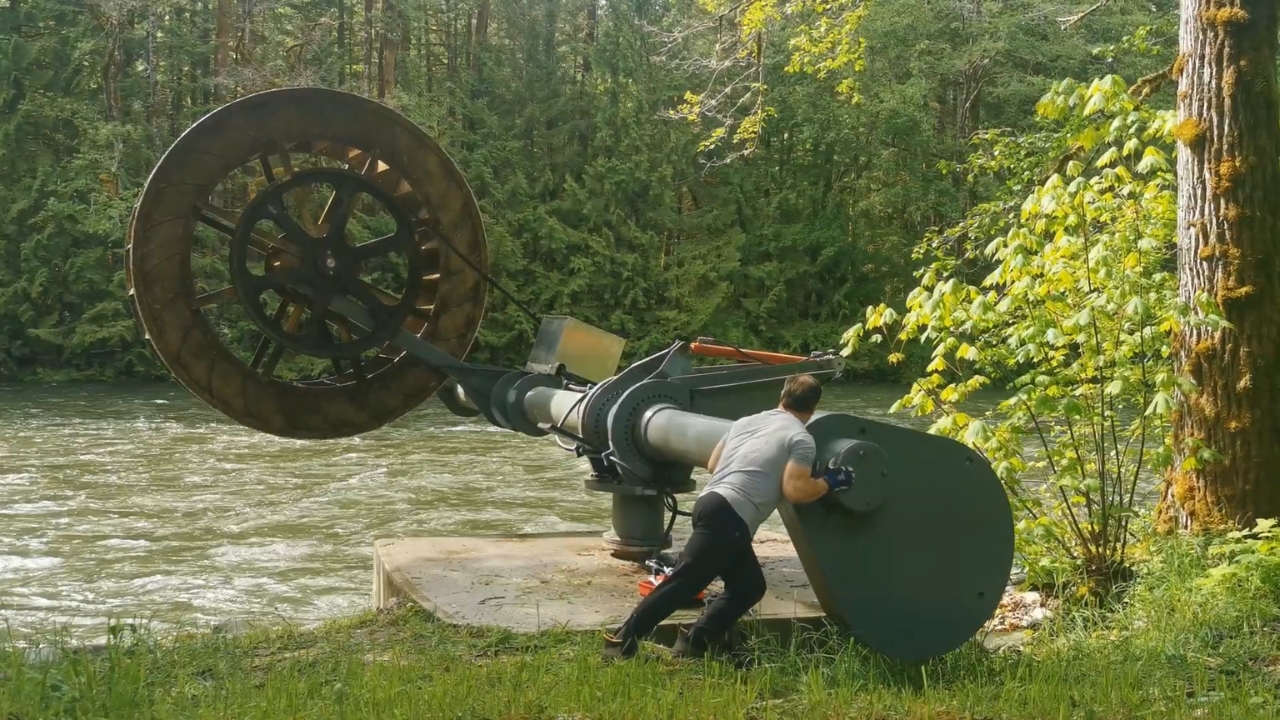
A Canadian retiree creates a hydroelectric system on a real river, generating energy continuously throughout the day and demonstrating how the power of water can supply a house with stability even in a simple structure.
-
Petrobras reaffirms its commitment to the market and ensures that it will carry out the energy transition safely to maintain national sovereignty.

-
Researchers discover a possible hydrogen deposit of up to 46 million tons beneath an ancient coal basin, and the volume could exceed half of the entire global production.



The scenario began to change for real in the 1990s when the country decided to place sustainability at the center of its energy policy. Since then, the government and the state utility ICE (Instituto Costarricense de Electricidad) have heavily invested in new plants and diversifying sources.
The result? In some years, such as 2017 and 2018, Costa Rica achieved 100% renewable energy, and it wasn’t just a goal on paper: the country managed to go over 300 consecutive days without using fossil fuels to generate electricity. Something unthinkable in most parts of the world.
Why the Costa Rica Model Works?
Costa Rica has some natural advantages that greatly help maintain this standard. The mountainous geography with plenty of rivers facilitates the construction of dams and reservoirs.
The volcanoes provide the necessary heat for geothermal energy, while the strong and constant winds in certain regions favor wind farms. To top it off, the relatively small population and moderate electricity consumption make the challenge more achievable.
But the secret is not just in nature. The success of renewable electricity in Costa Rica also stems from political decisions. The country decided long ago to invest in clean energy infrastructure and resisted the temptation to explore oil and gas.
In addition, it abolished the Armed Forces in 1948, which freed up resources for education, health, and of course, renewable energy. This long-term vision has become a global reference.
The Challenges of Sustaining the Renewable Model
It is clear that not everything is perfect in this story. Despite the national pride, the country’s energy matrix has some vulnerable points. The main one is the dependence on hydroelectric plants.
In times of drought, like in 2014, the country had to resort to thermal plants powered by diesel, which raised costs and increased carbon emissions. Global climate change, with shifts in rainfall patterns, might make these situations more frequent in the future.
Another challenge lies outside the electric sector: transportation. Although the electricity is almost entirely clean, the country’s vehicle fleet still largely depends on fossil fuels. The next big step for Costa Rica will be to increase the use of electric cars and modernize public transport. Only then can the country say that its entire energy matrix is aligned with carbon neutrality goals.
What’s Next on Costa Rica’s Journey
Costa Rica does not hide the fact that it wants to continue being an example when it comes to clean energy. The government has plans to expand the use of solar energy and wind farms, reducing the dependence on hydroelectric plants. The country is also discussing how to encourage distributed generation, allowing more households and businesses to generate their own electricity with solar panels.
Despite the obstacles, the Costa Rican model proves that it is indeed possible to transform the electric sector and make it greener. It is clear that Costa Rica’s conditions do not apply to all countries, but the country’s experience shows that, with planning and political will, it is possible to achieve much more than one imagines.







-

-

-

-

4 pessoas reagiram a isso.