





 Portuguese
  English
  Spanish
 3 min of reading
  5 comments


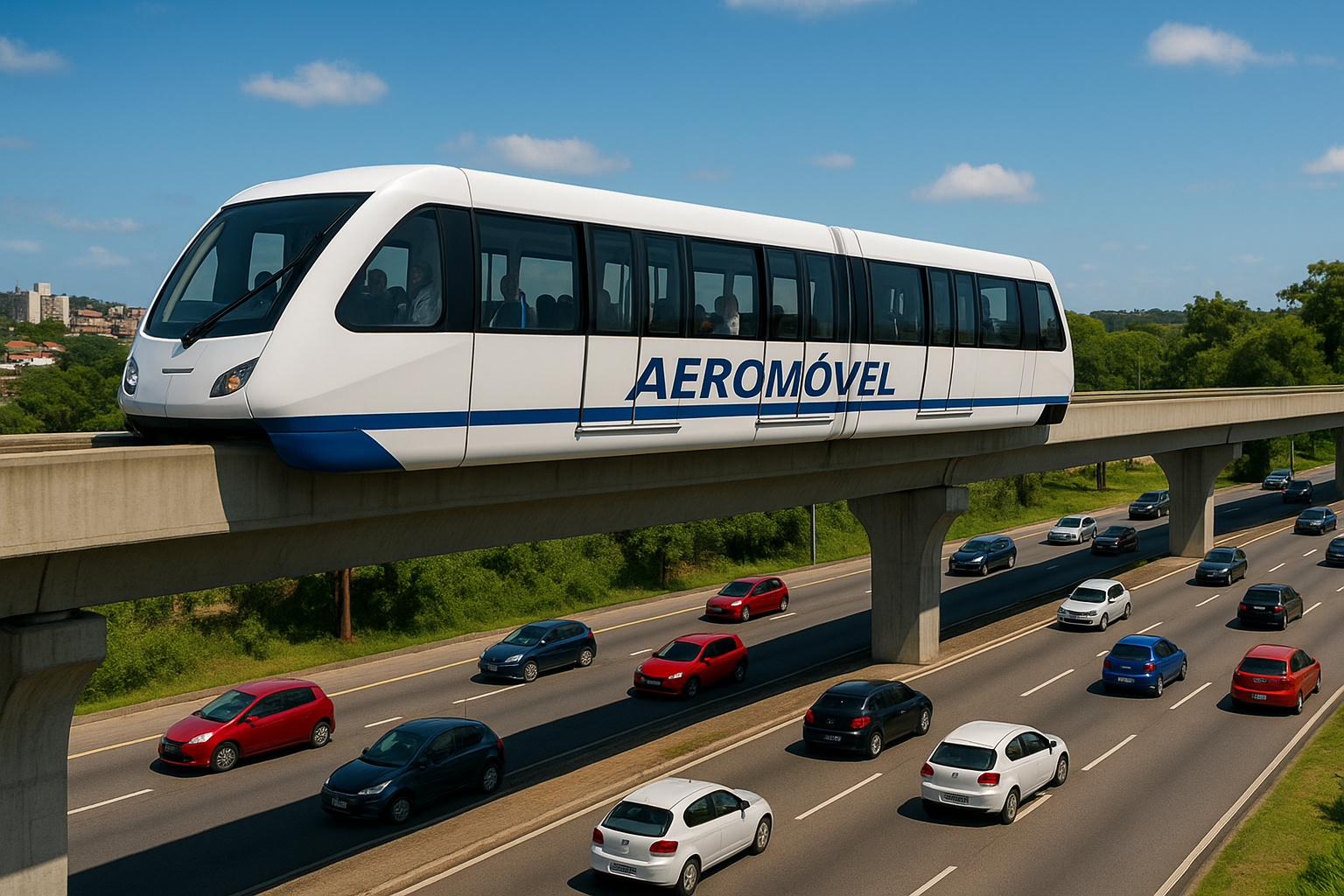


Cotia Could Receive Innovative And Efficient Transportation Within 5 Years
The municipality of Cotia is studying the implementation of the Aeromóvel, an elevated transportation system on tracks that can reduce dependency on Raposo Tavares.
The mode can serve up to 25,000 passengers per hour in each direction.
According to Mayor Welington Formiga (PDT), in a publication made on August 30, 2024, the project is a faster and cheaper alternative to the subway.
-
Families have been living for over 30 years under a bridge in Mato Grosso, revealing a housing deficit, irregular occupation in APP, and dependence on fishing as the main source of income.
-
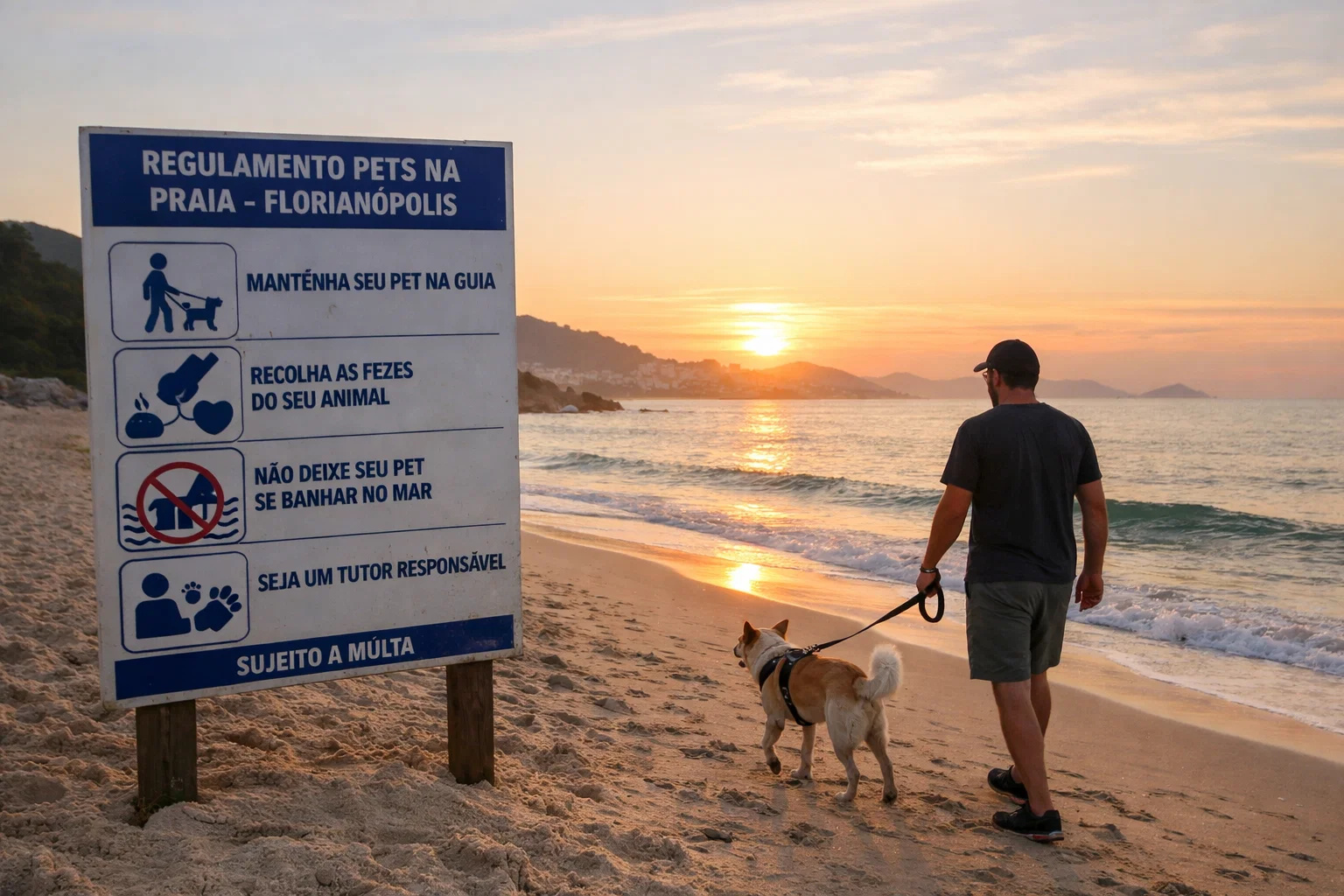
What Changed at Florianópolis Beaches? New Rule Surprises Pet Owners and Restricts Dogs on the Sand at Specific Times
-
Economic Diversification Accelerates in Itatiaiuçu to Reduce Mining Dependence
-
Extreme Rains: Cold Front, Supercell, and Atmospheric Trough Cause Tragedy in MG


The Line 22-Brown could take up to 20 years to come to fruition, while the Aeromóvel can be delivered in a shorter timeframe.
National Technology With Accelerated Implementation
The Aeromóvel is an invention of engineer Oskar Coester from Rio Grande do Sul and has been operating in Porto Alegre since 1983.
With 100% national technology, the system has an estimated cost of 20 to 25 million dollars per kilometer, a value ten times lower than the subway.
The subway can cost up to 300 million dollars per kilometer.
Moreover, construction can be completed in 2 to 3 years, as the structures are pre-fabricated and installed overnight.
This process ensures that there is no compromise on highway traffic.
In comparison, the subway only advances 1.5 km per year.
This would make the expansion to Cotia a two-decade process.
Political Support And Strategic Vision
Mayor Formiga visited the system in Guarulhos, accompanied by Secretary Márcio Dola, and emphasized that Cotia needs immediate investments.
Engineer Paulo Sayão, representative of the Aeromóvel in São Paulo, reinforced that political receptiveness is positive.
The project only depends on the approval of the state government.
Sayão recalled that the government contracted the Aeromóvel from Guarulhos in 2019 after the technology won an international competition during the administration of then Minister of Infrastructure Tarcísio de Freitas.
Today, Tarcísio holds the position of governor of São Paulo.
Technical And Operational Characteristics
According to Sayão, the Aeromóvel is powered by forced air in its guide beam.
This eliminates the need for motors inside the vehicle, making it light and economical.
The transport capacity ranges from 20,000 to 25,000 passengers per hour per direction, sufficient for the region’s demand.
Additionally, it can be installed along the central axis of Raposo Tavares, without the need for expropriations.
The system also allows for sharper curves and ramps compared to other rail models.
The stations, planned every 800 meters or 1 km, would ensure easy access for passengers.
Thus, no user would be more than 500 meters from a station.
Impact On Regional Mobility
The project also opens up the possibility of branches to Carapicuíba and Itapevi, thus strategically expanding the reach of the solution.
Furthermore, Sayão highlighted that Raposo Tavares already faces historical bottlenecks, therefore, modernization emerges as an urgent measure to reduce traffic impacts.
In the engineer’s view, mass transport should be a priority. Thus, road works for the so-called New Raposo should only come afterward.
The estimate is that after final tests in Guarulhos, the system will be open to passengers starting in September 2024.
However, the tests required a SIL-4 safety standard, higher than the subway, which is classified as SIL-3, and this increases reliability.
This level represents a probability of fatal accidents in 100,000 years. Thus, the system guarantees safety and highly reliable performance.
In this way, Cotia can anticipate a practical, modern, and efficient solution to face its ongoing urban mobility challenges.
Lastly, the Aeromóvel combines low cost, short timelines, and operational efficiency. Thus, the model becomes a reference for similar projects in other Brazilian cities.










Pena que não vou estar vivo pra vê…
Cotia precisa urgente do aeromóvel e do metrô, a raposo não aguenta maís, antes o trânsito era em horário de pico agora é o dia todo ainda mais aquele retorno em Granja Viana que trava tudo sentido São Paulo!
Seria ótimo o aeromóvel saindo do centro de Caucaia do auto iria ajudar muito a população de lá e de Virgem grande paulista!
Seria ótimo, melhor ainda se saísse também de Caucaia do alto pela estrada de Caucaia ou até vargem grande Paulista até Itapevi, só falta vontade dos nossos políticos.