





 Portuguese
  English
  Spanish
  4 min of reading
  2 comments


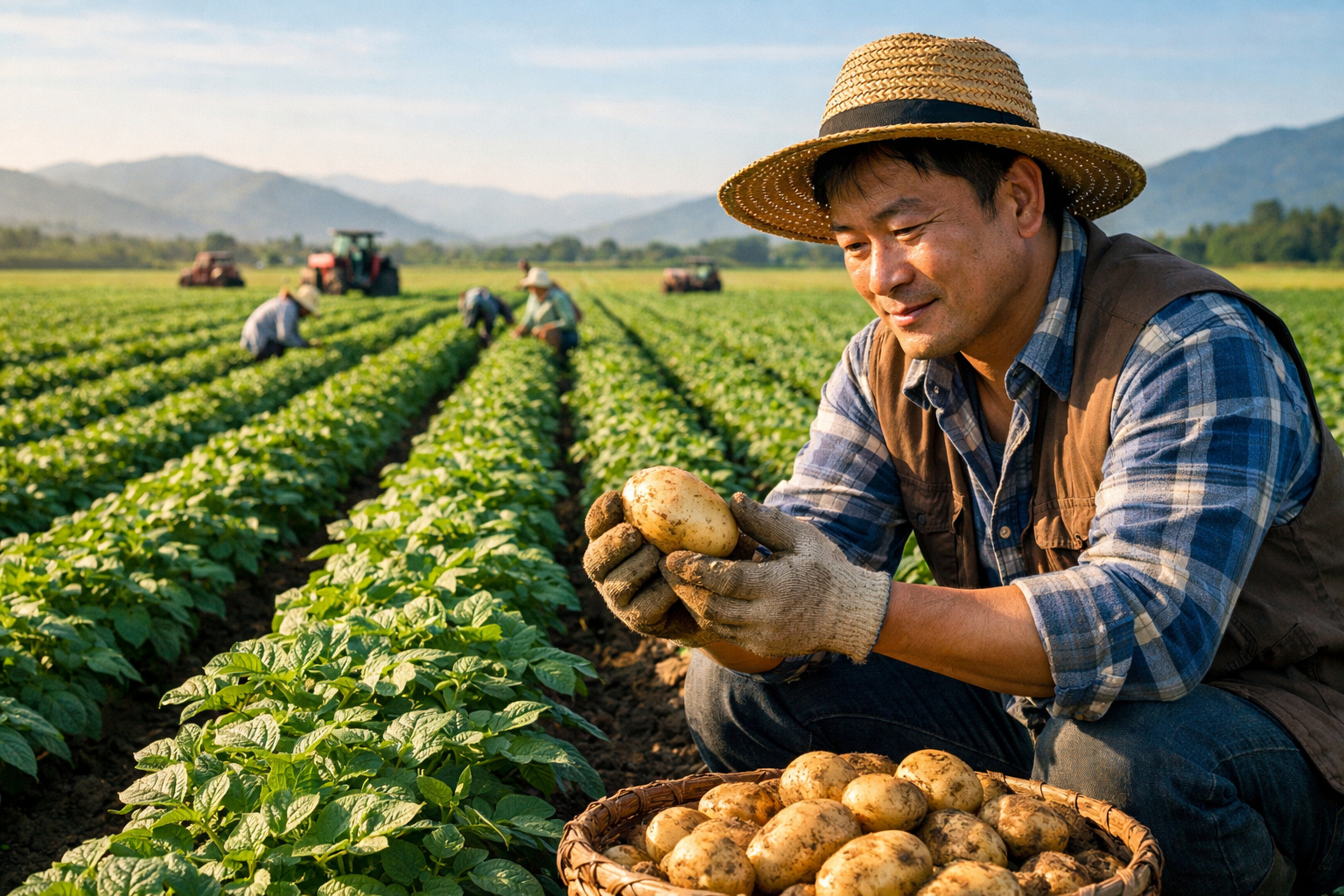


China Leads Global Potato Production, Harvesting Over 90 Million Tons Annually and Sustaining the Daily Nutrition of Billions of People.
Few foods are as universal as the potato. Present on the tables of families from different cultures, it serves as a staple food, industrial input, and a key element of global food security. In this scenario, China holds an absolutely dominant position, establishing itself as the world’s largest potato producer, with a scale that far exceeds that of any other country.
Currently, China harvests over 90 million tons of potatoes annually, a volume that represents about a quarter of the global production. This number impresses not only by its size but by its direct impact: the country sustains the daily consumption of hundreds of millions of people domestically and influences food and industrial supply chains in various parts of the world.
How China Became the World’s Largest Potato Power
The Chinese leadership is not a product of chance. Since the 2000s, the government has strongly promoted the potato as a strategic food, especially in regions where rice and wheat face climatic or water limitations. The potato, more resilient and with a relatively short cycle, has become an efficient alternative for ensuring food security.
-
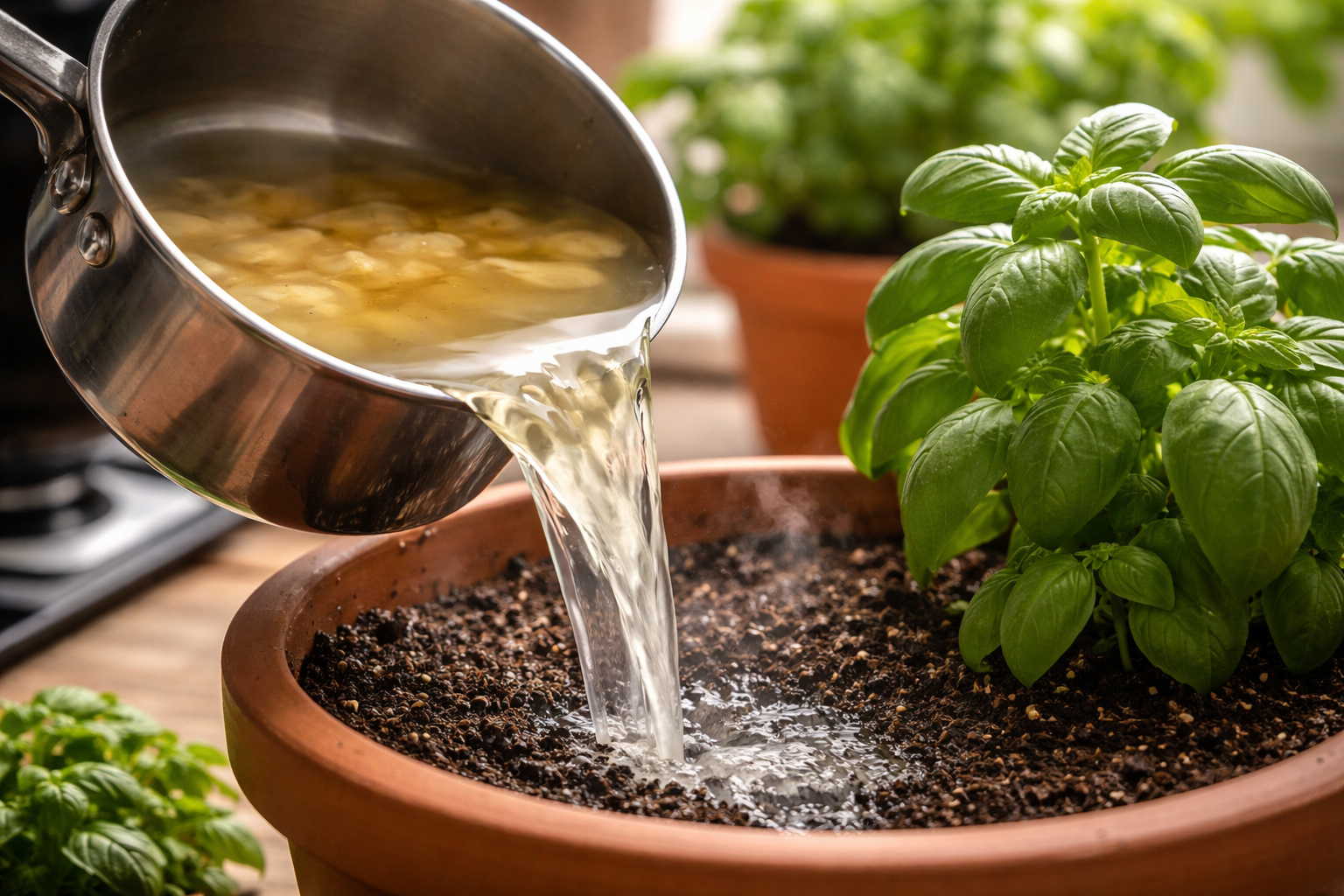
The water that almost everyone throws away after cooking potatoes carries nutrients released during the preparation and can be reused to help in the development of plants when used correctly at the base of gardens and pots, at no additional cost and without changing the routine.
-
The sea water temperature rose from 28 to 34 degrees in Santa Catarina and killed up to 90% of the oysters: producers who planted over 1 million seeds lost practically everything and say that if it happens again, production is doomed to end.

-
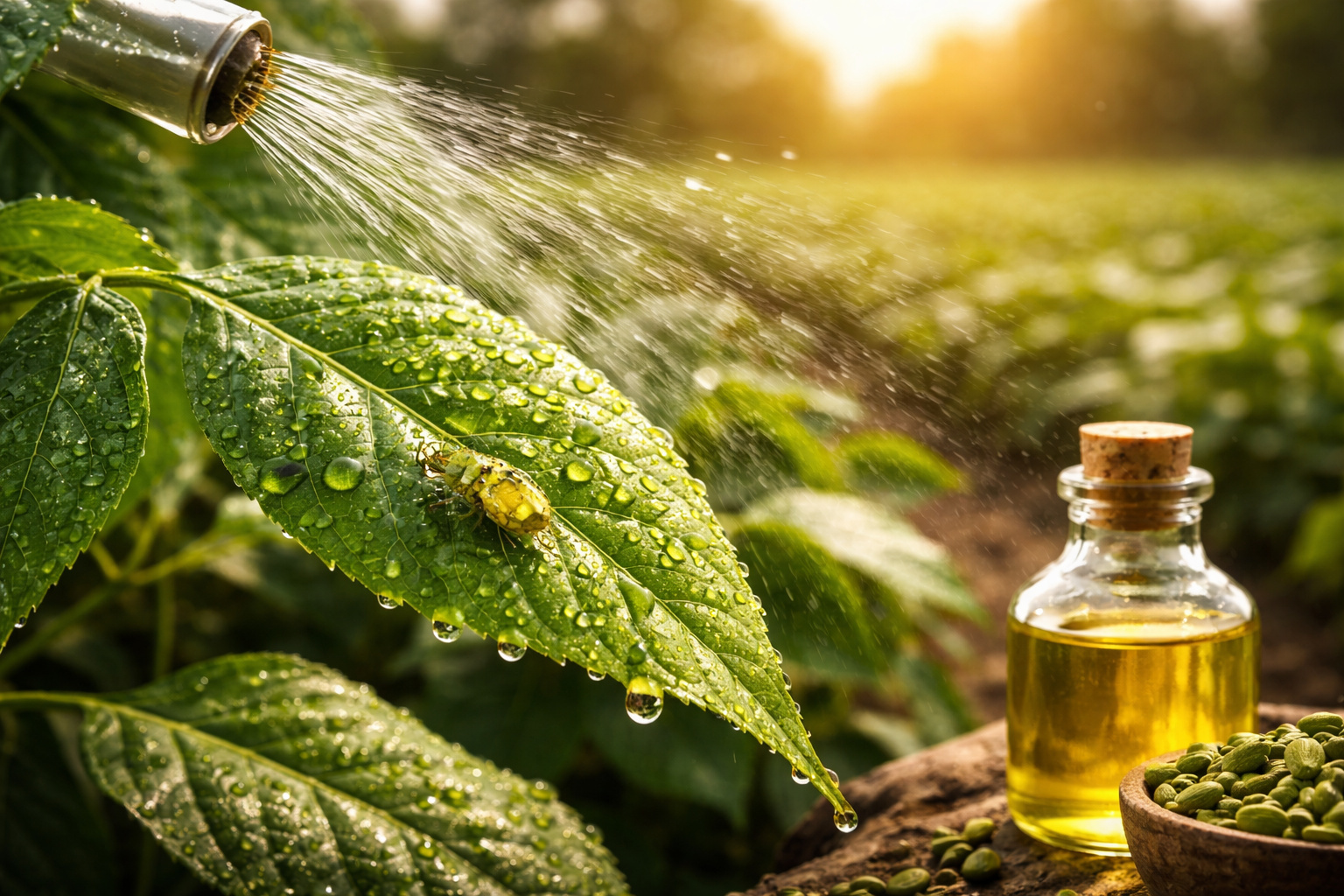
An Indian tree that grows in the Brazilian Northeast produces an oil capable of acting against more than 200 species of pests and interrupting the insect cycle, gaining ground as a natural alternative in soybean, cotton, and vegetable crops.
-
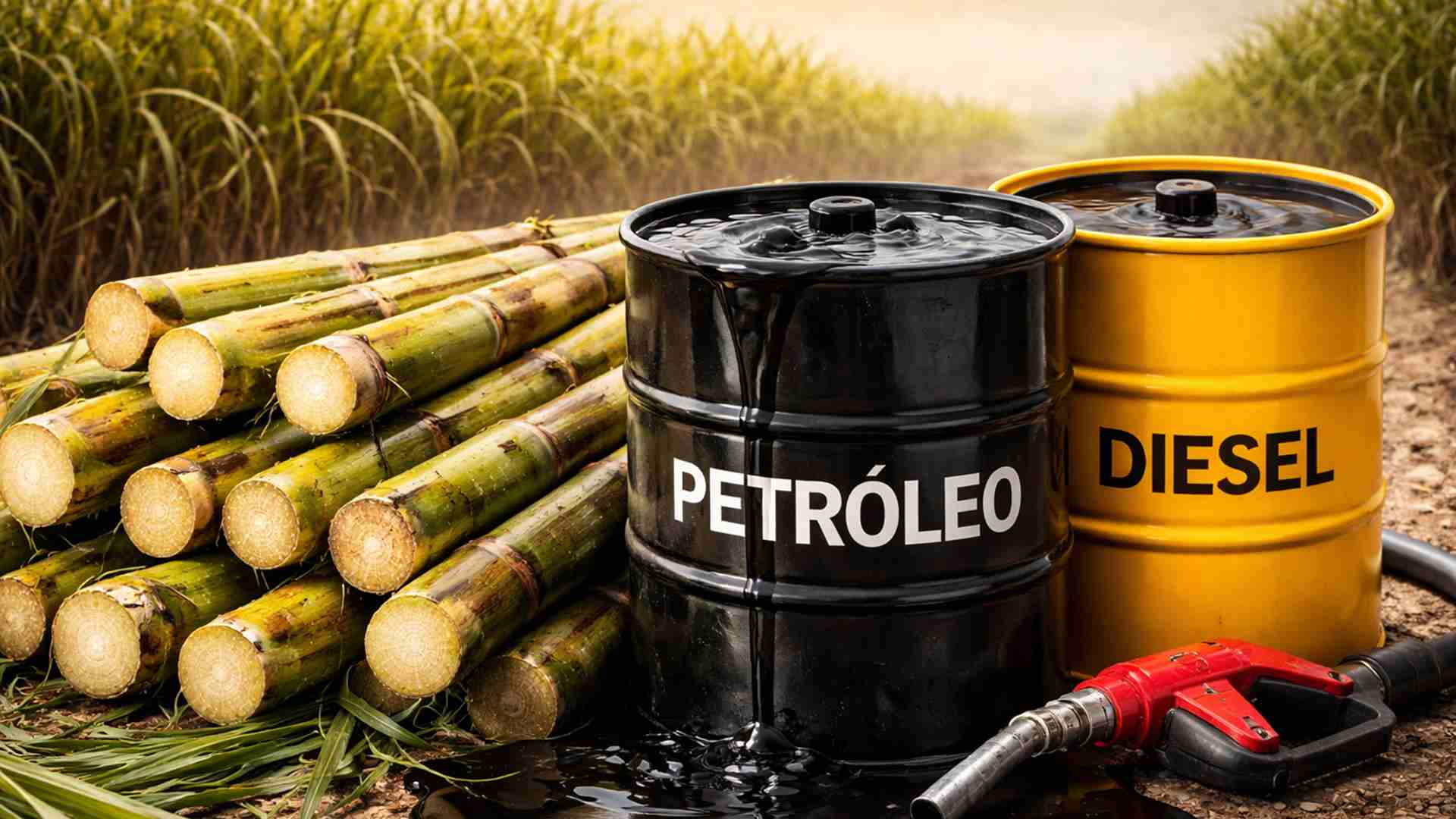
The rise in oil prices in the Middle East is already affecting Brazilian sugar: mills in the Central-South are seeing their margins shrink just as ethanol gains strength.

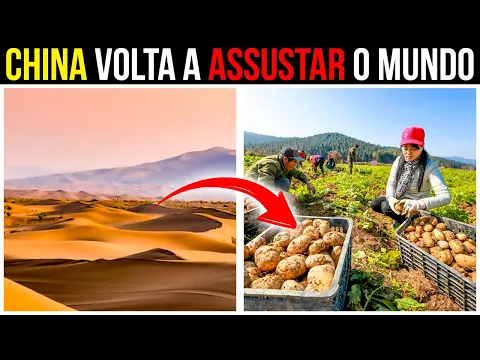

Regions such as Inner Mongolia, Gansu, Sichuan, Yunnan, and Hebei concentrate large cultivation areas, forming true productive belts. In these areas, the potato has ceased to be merely a complementary food and has come to occupy a central role in the local diet and economy.
Continental-Scale Production and Huge Domestic Consumption
Unlike other agricultural commodities, most of China’s potato production is consumed within the country itself. With a population exceeding 1.4 billion people, China utilizes the tuber in multiple ways: fresh food, processed products, starches, flours, noodles, snacks, and even industrial alcohol.
This diversification ensures that potatoes are present daily in Chinese diets, both in traditional dishes and in modern food industry products.
Comparison with Other Major Producers Worldwide
Countries such as India, Russia, Ukraine, and the United States also produce significant amounts of potatoes, but at considerably lower levels. India ranks as the second-largest producer, with around 50 million tons annually, while Russia and Ukraine fall below that.
Even when summing the production of several of these countries, it is still difficult to match the volume harvested by China, highlighting the degree of concentration in this leadership.
The Potato as a Pillar of China’s Food Security
In recent years, Chinese authorities have started to officially classify the potato as one of the main staple foods in the country, alongside rice, wheat, and corn. This decision has reinforced investments in agricultural research, mechanization, storage, and industrialization.
The logic is clear: the potato requires less water than rice, adapts better to mountainous regions, and offers high caloric yield per hectare. In a country that needs to feed billions daily, these characteristics make all the difference.
Industrial Chain and Added Value
In addition to fresh consumption, China has developed a robust industrial chain around potatoes. The country is one of the world’s largest producers of potato starch, used in processed foods, paper, textiles, and chemicals. The production of frozen potatoes, chips, and ready-to-eat products is also growing rapidly.
This industrial advancement transforms the potato from a simple staple food into a strategic economic asset, generating jobs, income, and indirect exports.
Lower Exports, Huge Global Impact
Despite being the world’s largest producer, China does not lead in fresh potato exports, primarily because it consumes most of what it produces domestically. Still, its massive production influences the global market by stabilizing prices and reducing pressure on other producing countries.
When the Chinese harvest faces climatic or logistical issues, the ripple effect is quickly felt in international markets, especially in Asia.
A Simple Food That Sustains Billions
Chinese potatoes do not dominate headlines like soy or wheat, but they play a silent yet decisive role. By harvesting tens of millions of tons annually, China ensures food stability for its population and indirectly contributes to the balance of the global food market.
In a world pressured by climate change, population growth, and food insecurity, China’s leadership in potato production demonstrates how a simple food can become one of the most important pillars of human nutrition.









Brasil tem TUDO pra ser o maior produtor de TUDO, além das 🍠🥔! Porém, a ideologia **** impede que o Agronegócio prospere AINDA MAIS!
Temos uma CENSURA TAMBÉM AQUI????