





 Portuguese
  English
  Spanish
  3 min of reading
  120 comments


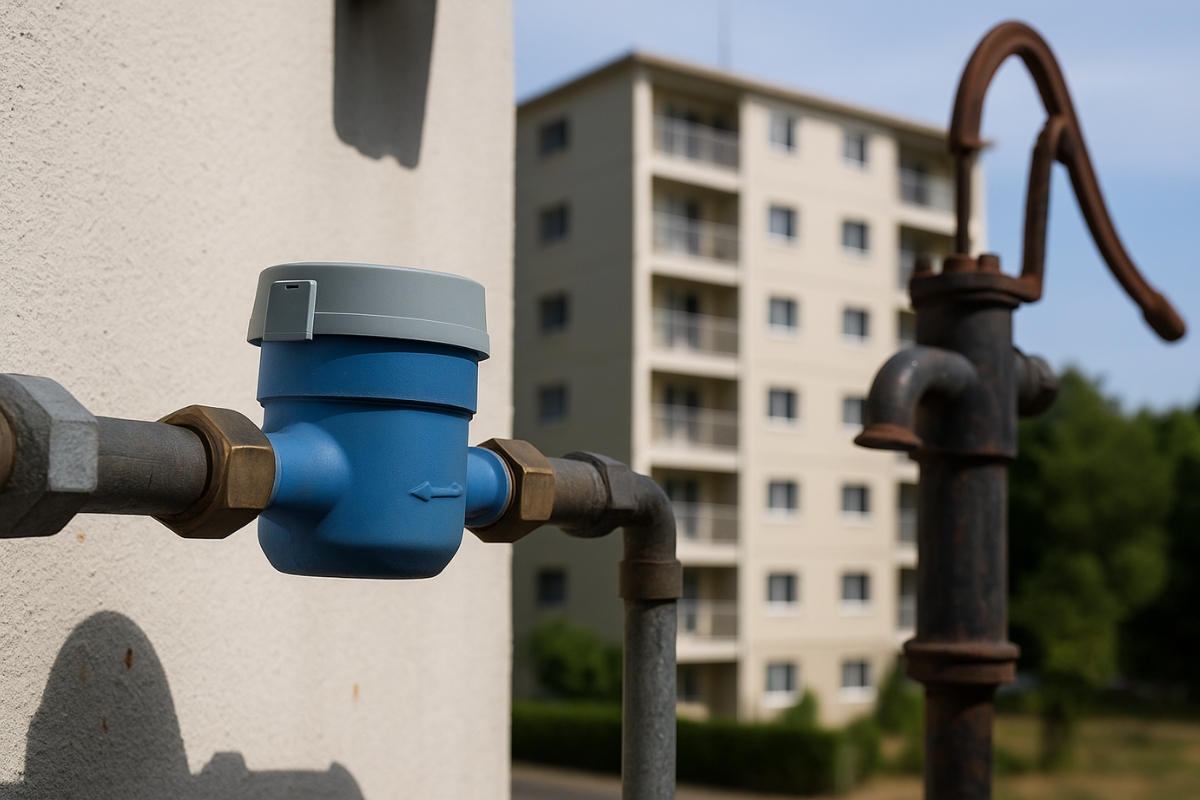


The Measure Affects Property Owners and Condominiums, with Connection Obligation to the Network Where There Is Availability and Possible Charging Even with Well Use
The decision of the Rio de Janeiro Court of Justice (TJRJ) determined that every property with access to the public water supply network of any utility must use this service, even if a drilled well is in operation.
In practice, the rule directly impacts property owners and condominiums that maintained the well as their main source of supply, including to reduce costs.
The issue also involves situations where residents relied on the well during periods of chronic supply failure by the utility, when alternative water was considered essential.
-
The noise law will no longer be in effect at 10 PM starting in June with a new rule valid during the 2026 World Cup.

-
The Chamber opens a debate on driver’s licenses at 16 years old as part of a reform that includes around 270 proposals to change the Brazilian Traffic Code and may redesign rules for licensing, enforcement, and circulation in the country.

-
The new Civil Code could revolutionize marriages in Brazil with “express divorce” and changes that could exclude spouses from inheritance.
-
Banco do Brasil sues famous influencer for million-dollar debt and intensifies debate on delinquency, risks of seizure, and direct impact on Gkay’s credibility.


What Happened and Why It Got Attention
The dispute involved arguments from public agencies as well as residents and condominiums that used wells.
On one side, the State Government and the State Institute of the Environment (INEA) defended a total ban on the use of wells not connected to the public network. The justification cited sanitary safety, with risks of contamination and disease proliferation, in addition to the financial sustainability of the utilities.
On the other side, residents and condominiums argued that the well became vital during periods of recurrent failures in conventional supply.

What Changes in Practice for Property Owners and Condominiums
The decision alters the pattern of water consumption in areas where the well was used as a permanent alternative.
This especially impacts areas where residents utilized the well to reduce costs, concentrating consumption outside the public system.
The consequence is direct pressure for residential and commercial condominiums to adjust their operations and supply expenses.
What Are the Rules, Deadlines, and Conditions
The central rule is the obligation to use public service where it is available.
If the utility’s supply network runs down the street, the property must connect and consume the water provided by it, even with a drilled well operating.
The rationale used is the principle that the utility has the right to provide public service in the location where it is available.
How the Obligation to Connect to the Network Works
The determination establishes that the presence of the public network accessible to the property creates the obligation to use the service.
This means that having a private source, such as a well, does not eliminate the duty to adhere to public supply when it is within reach of the property.
The practical effect is the change in routine in condominiums that operated with the well as the predominant source.
Minimum Tariff Charging and Well Use in Specific Situations
In addition to the connection and consumption by the utility, there is a financial impact even for those who maintain some use of the well.
The decision allows for the possibility of minimum tariff charging, regardless of the actual volume consumed from the utility.
Even with continued consumption of well water in specific uses, with registration, the property may be required to pay the utility’s tariff.
What Could Happen From Now On
The trend is to reorganize supply practices in condominiums that primarily depended on the well.
The scenario involves adjustments in consumption and costs, since the obligation to use the public network changes the logic of savings based on self-capture.
The decision also reinforces the understanding that, where public service is available, the choice of alternative supply does not exempt the requirement for connection.
The decision of the TJRJ establishes the connection to the public network as a rule for properties that have access to the supply of any utility, even when a drilled well is in operation.
For property owners and condominiums, the main impact lies in the obligation to use the service and the possibility of minimum tariff charging, which can change costs and routines in places that previously prioritized water from the well.










Não concordo com essa decisão, isso demostra que aos poucos o estado obriga o cidadão a usar algo que não foi feito pelo estado.
Eu não uso água de poço mas deixo de o meu comentário, não vejo isso como uma ação democrática em um país livre como o nosso querido Brasil,, onde não é tolerado ideias comportamento ou mesmo manifestos contra as leis da democracia, amo e respeito meu país, por isso não vejo razão nenhuma para tal procedimento, Deus fez o universo com tudo que ele tem e fez o homem e mostrou o que é dele, existem leis para não ter abusos mas essas leis deve reger um comportamento de um país democrático por isso não vejo razão nenhuma a não ser apenas interesse financeiros em favor de terceiros gratidão para quem ouviu parabéns para quem entendeu
Você acha que estamos numa democracia? Tá enganado
Deveria então, este Estado e as referidas concessionárias, pagarem uma taxa aos usuários onde nao há serviços disponíveis.