





 Portuguese
  English
  Spanish
  4 min of reading
  0 comments


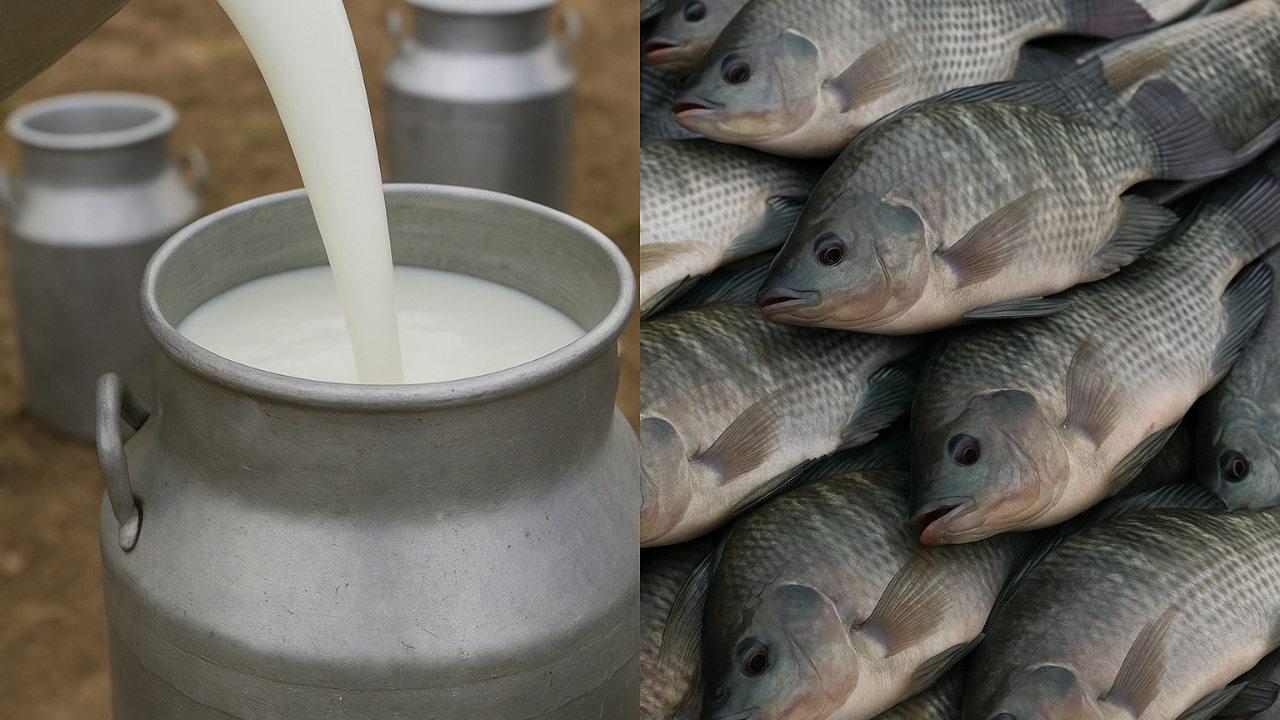
What Is Disturbing Farmers’ Sleep? Milk and Tilapia Are Keeping Small Brazilian Producers Awake after a series of federal government decisions that have generated uncertainty and directly affected those who depend on agricultural production and aquaculture.
The concern involves those who produce, from family farmers to small fish breeders, who are now questioning how to maintain investments in the face of unstable policies.
Tension has grown when the Ministry of the Environment (MMA) launched investigations into species considered invasive and where this affects regions dependent on fish farming and milk the most.
-
The water that almost everyone throws away after cooking potatoes carries nutrients released during the preparation and can be reused to help in the development of plants when used correctly at the base of gardens and pots, at no additional cost and without changing the routine.
-
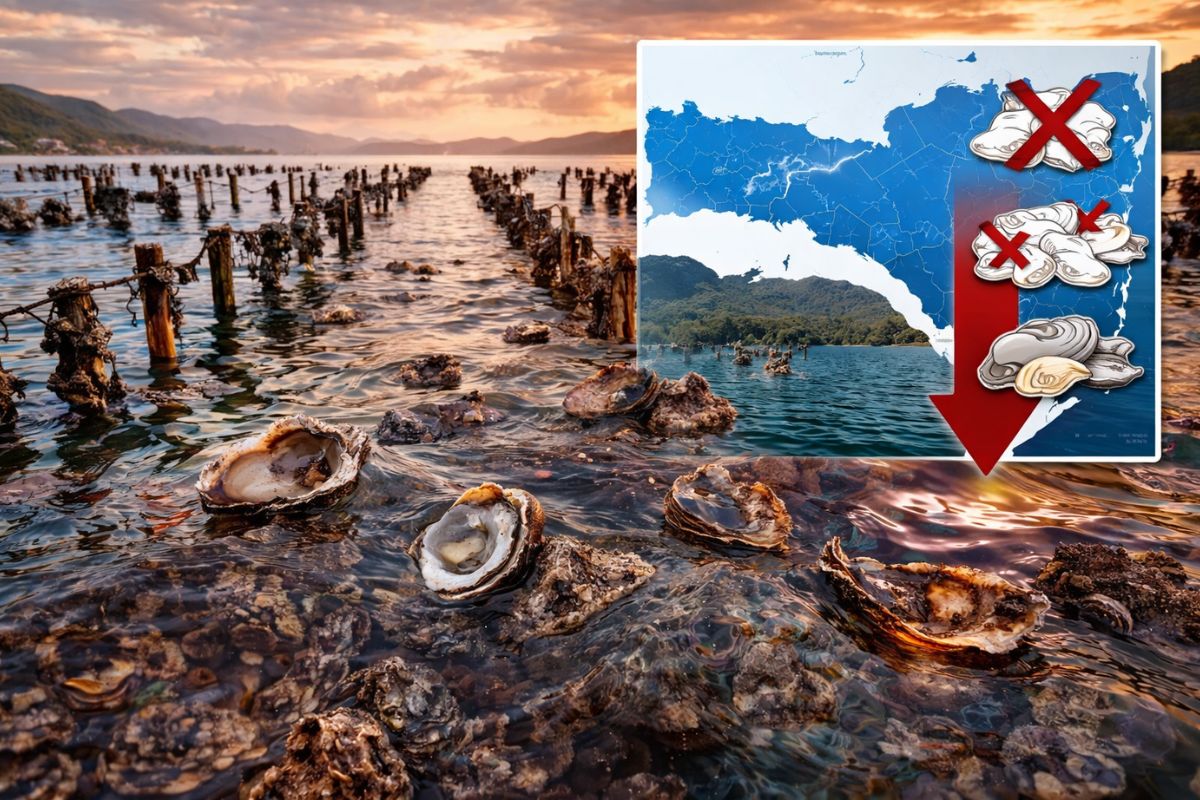
The sea water temperature rose from 28 to 34 degrees in Santa Catarina and killed up to 90% of the oysters: producers who planted over 1 million seeds lost practically everything and say that if it happens again, production is doomed to end.
-
An Indian tree that grows in the Brazilian Northeast produces an oil capable of acting against more than 200 species of pests and interrupting the insect cycle, gaining ground as a natural alternative in soybean, cotton, and vegetable crops.
-
The rise in oil prices in the Middle East is already affecting Brazilian sugar: mills in the Central-South are seeing their margins shrink just as ethanol gains strength.


The impasse occurs because producers claim that technical decisions ignore decades of established activity in the country.
Thus, the sector has begun to push for answers, while thousands of families are awaiting concrete measures to ensure economic security and continuity.
Tilapia Becomes Target of Investigations and Puts Aquaculture on Alert
The crisis gained momentum when tilapia, one of the foundations of Brazilian aquaculture, returned to the center of discussions.
Milk and tilapia are keeping small Brazilian producers awake because, in addition to market volatility, they face a fragile regulatory scenario.
Producers claim that MMA technicians have come to see traditional sectors as “invaders and predators” of the national fauna.
Aquaculture, which generates jobs, income, and exports, was taken by surprise by an investigation into supposedly harmful species to the environment.
Discomfort increased after the agreement made by President Lula with Vietnam, allowing the purchase of Vietnamese tilapia.
In addition to the health risk — a virus never identified in Brazil — the fish arrives subsidized, competing at a price much lower than the one practiced domestically due to high taxes.
The original quote highlights this initial shock:
“The first jolt suffered by producers was the agreement made by President Lula with the Vietnamese government.”
Sector Pressure Suspends Investigation, but Insecurity Continues
With the escalation of dissatisfaction, fishing entities and politicians linked to agriculture reacted strongly. According to the original text,
“Suddenly, the authors of this idea in the MMA seem to have woken up and become aware of what this slice of the economy represents.”
The government partially retreated and temporarily suspended the investigation into tilapia. However, the process remains active behind the scenes, which keeps producers anxious.
Therefore, milk and tilapia are keeping small Brazilian producers awake, who do not know if new rules could be reintroduced at any moment, compromising financing, expansion, and even the survival of small farms.
Milk Crisis Aggravates Fragility of Family Agriculture
If tilapia causes fear, milk deepens the drama in the fields. Milk and tilapia are keeping small Brazilian producers awake because both reflect a policy seen as contradictory by rural workers.
The massive entry of powdered milk from Argentina and Uruguay, released without restrictions, crashed prices and made national production unviable.
Small producers report that they are receiving up to R$ 0.30 below the production cost, literally paying to work.
The criticism recorded in the original text reinforces the feeling of abandonment:
“Family agriculture in Brazil is nothing but a political tool, an exclusive ballot box for votes directed at the next election.”
After meetings with Vice President Geraldo Alckmin, the government announced it would impose tariffs to balance the market.
However, the decision needs to come out this year to avoid the collapse of thousands of rural families.
Producers Demand Predictability: Until When to Remain in the Dark?
Meanwhile, uncertainty continues to dominate the scene. Small fish farmers and milk producers say they have no guarantee to maintain investments, access credit, or plan for the future.
The question that echoes in the fields is direct: what will be the next impact on an economy that depends on the largest watershed in the world and a historically vulnerable dairy sector?
In the end, the sensation expressed by the original author remains current:
“Milk and tilapia are keeping small Brazilian producers awake.”
And until there is predictability and regulatory security, this phrase continues to define the sentiment of those who support the food base of the country.










-

-

-

4 pessoas reagiram a isso.