





 Portuguese
  English
  Spanish
  3 min of reading
  0 comments


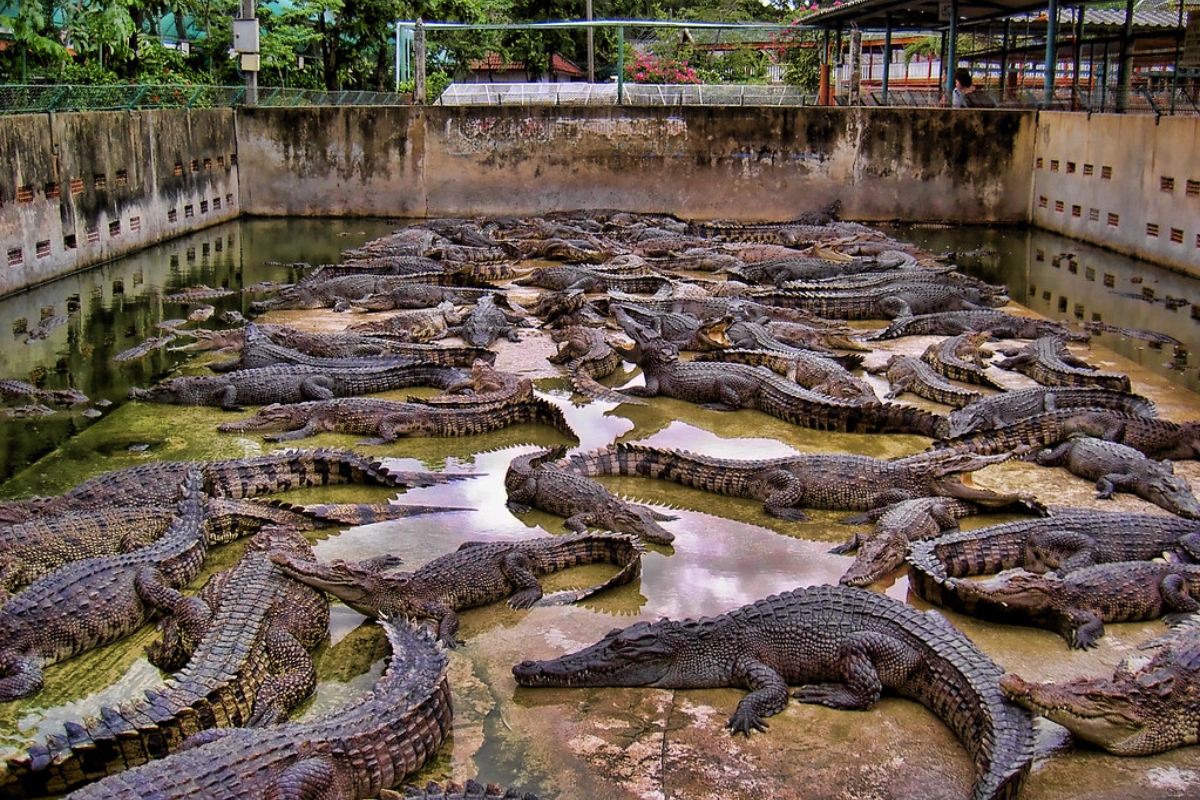
Crocodile Farming Spreads Across More Than 90 Countries, Highlighting 1.2 Million Crocodiles in Thailand and Leather and Meat Industrial Chain
Crocodile farming has evolved from a sporadic activity into an industry present in more than 90 countries, with a direct impact on the leather and food trade.
The movement draws attention due to the size of the structures and the integration of the chain, which ranges from breeding to processing, with control and logistics standards.
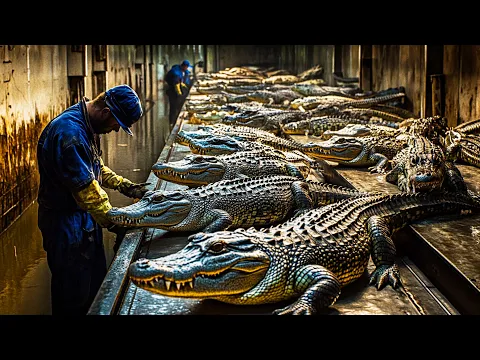
Thailand leads in volume, with more than 1,000 farms and about 1.2 million crocodiles, while South Africa has around 80 commercial farms and processing at -20ºC.
-
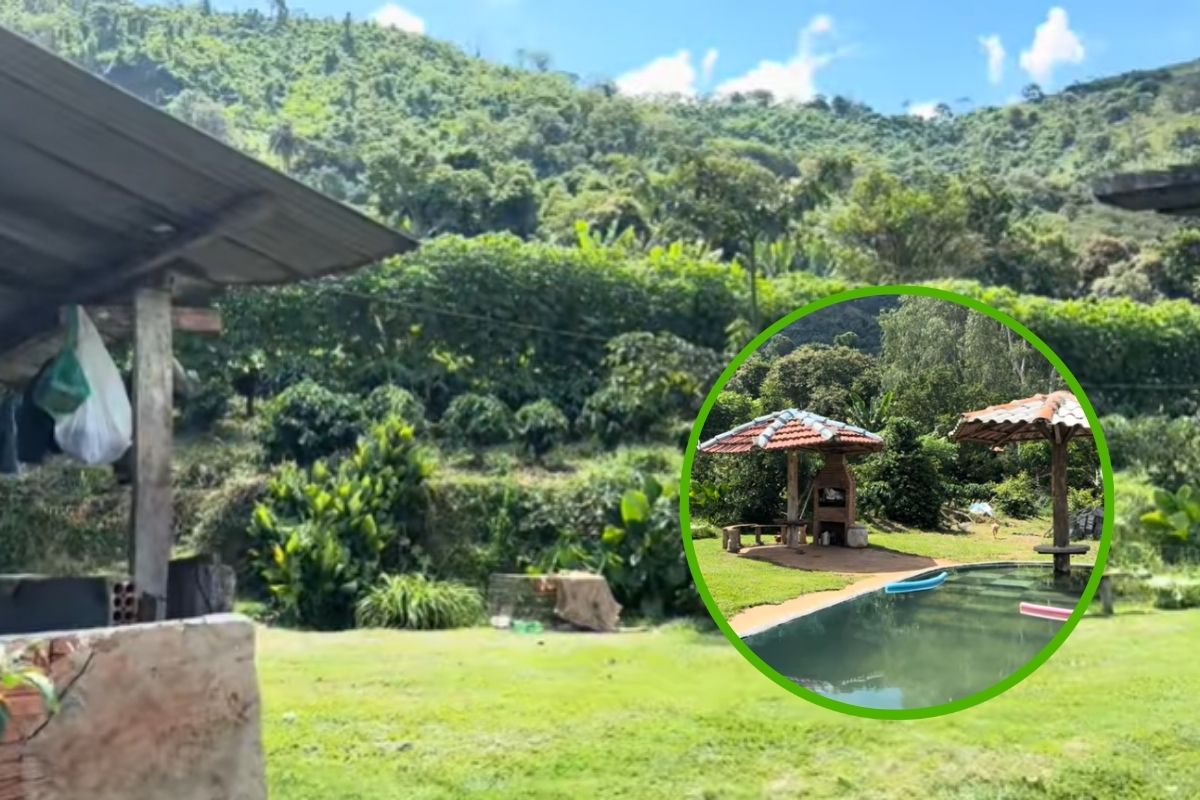
House without a door and without a window: a resident lives high in the mountains, says he enjoys the “free life,” mentions that the cat comes and goes hunting bats and rats, and that when it rains he wakes up with wet feet.
-
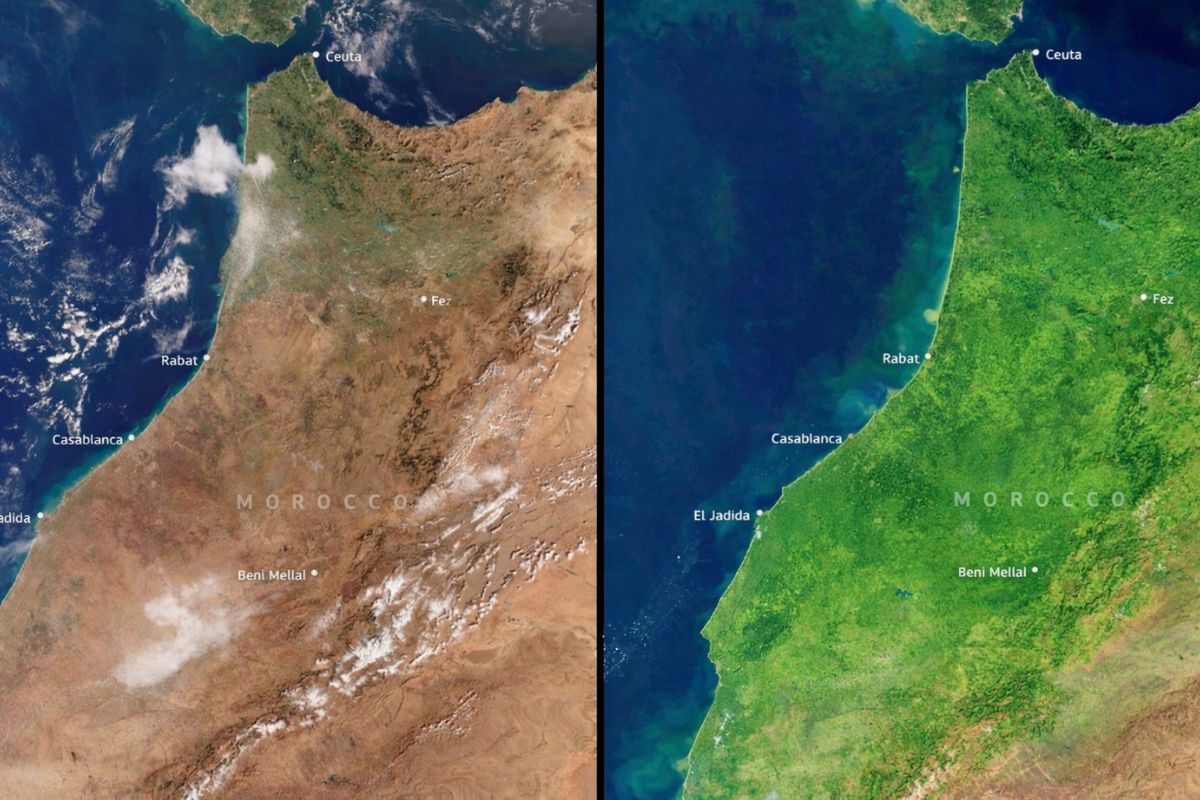
Satellite images show that Morocco became so green in 2026 that the country looks different from space: two months of heavy rains transformed arid land into dense vegetation for the first time in a decade.
-
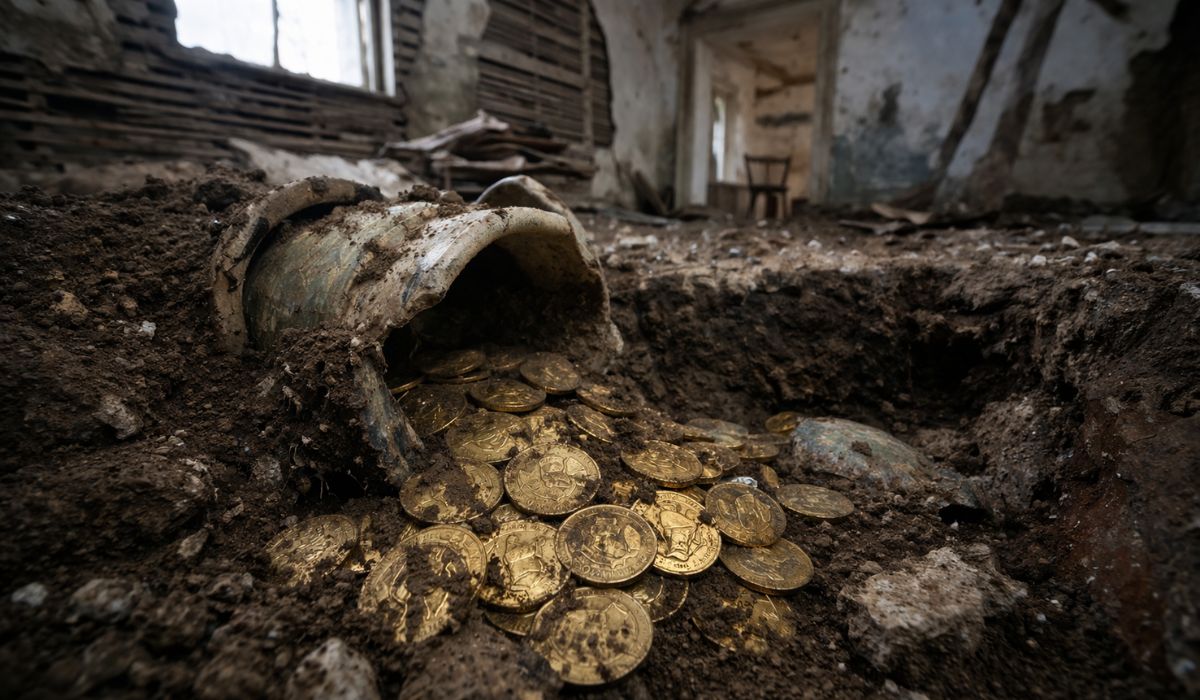
Archaeologists were excavating the foundation of a historic house in Russia when they discovered a buried treasure with gold coins, left behind in the final days of the Russian Empire and now valued at over R$ 2.8 million.
-
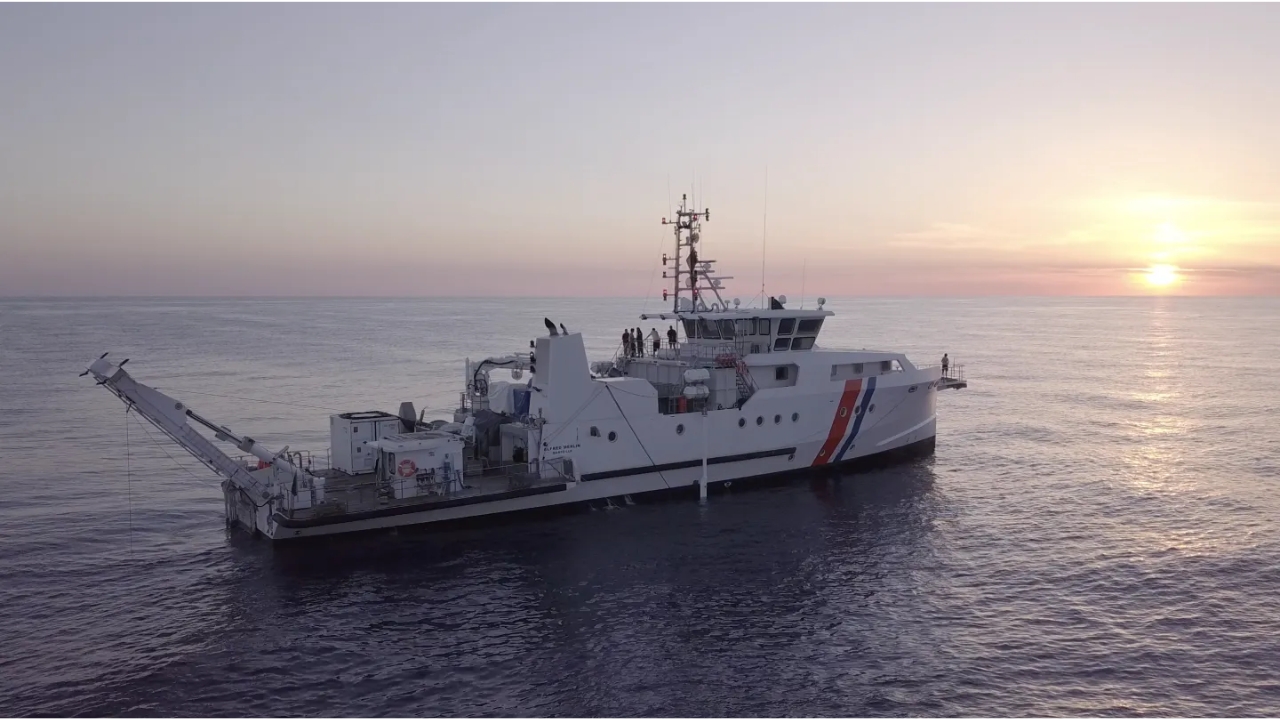
The Mediterranean has become the target of the largest underwater archaeological mission ever coordinated by UNESCO: eight countries have joined forces to map shipwrecks and protect a historic corridor.

What Happened and Why It Attracted Attention
The sector has gained scale and now operates with industrial logic, connecting farms, slaughter, tanning, and distribution.
The concentration of animals in a few hubs reinforces the strength of certain countries in supplying crocodile leather and providing meat for specific markets.
This scenario also broadens the debate on sanitary control, traceability, and quality requirements to meet national and international buyers.
Thailand Concentrates the Largest Volume of Farms and Animals

Thailand has more than 1,000 farms and an estimated stock of around 1.2 million crocodiles, forming the largest productive hub in the sector.
The local structure is usually organized to maintain a continuous production flow, focusing on efficiency and standardization of the final product.
With this scale, the country positions itself as a reference in volume and influences supply routes and pricing, especially in the market for leather for high-value items.
South Africa Operates with Commercial Farms and Processing Chain
South Africa has around 80 commercial farms, operating to meet the demand for leather and, to a lesser extent, meat.
The highlight is in the specialization of handling and the utilization of the chain, which includes processing at -20ºC for preservation and logistics.
This type of structure caters to a sector that requires predictability, quality control, and a constant delivery capability.
How the Breeding and Industrial Utilization Process Works

Farming involves controlled breeding, growth phase, and continuous management until processing.
The skin is usually the main valuable product, with extensive use in the manufacture of luxury leather goods.
The meat is part of the animal’s utilization and requires proper preservation, particularly freezing at -20ºC when the chain anticipates storage and transportation.
Points of Attention and Common Questions
The expansion of the sector raises questions about animal welfare, confinement conditions, and handling criteria in intensive systems.
There is also a growing need for alignment between production and sanitary regulations, as processing involves preservation and standards for commercialization.

The market’s path is likely to increasingly depend on trust in the chain, consistency in the product, and clarity about procedures, especially when there is large scale, as seen in Thailand.
The advancement of crocodile farming in more than 90 countries illustrates a consolidated sector, driven by hubs with significant productive capacity.
With more than 1,000 farms and around 1.2 million animals, Thailand is positioned as a volume center, while South Africa maintains around 80 commercial farms and processing at -20ºC, reinforcing the industrial profile of the activity.





-

-

-

-

-

-

75 pessoas reagiram a isso.