





 Portuguese
  English
  Spanish
  5 min of reading
  0 comments


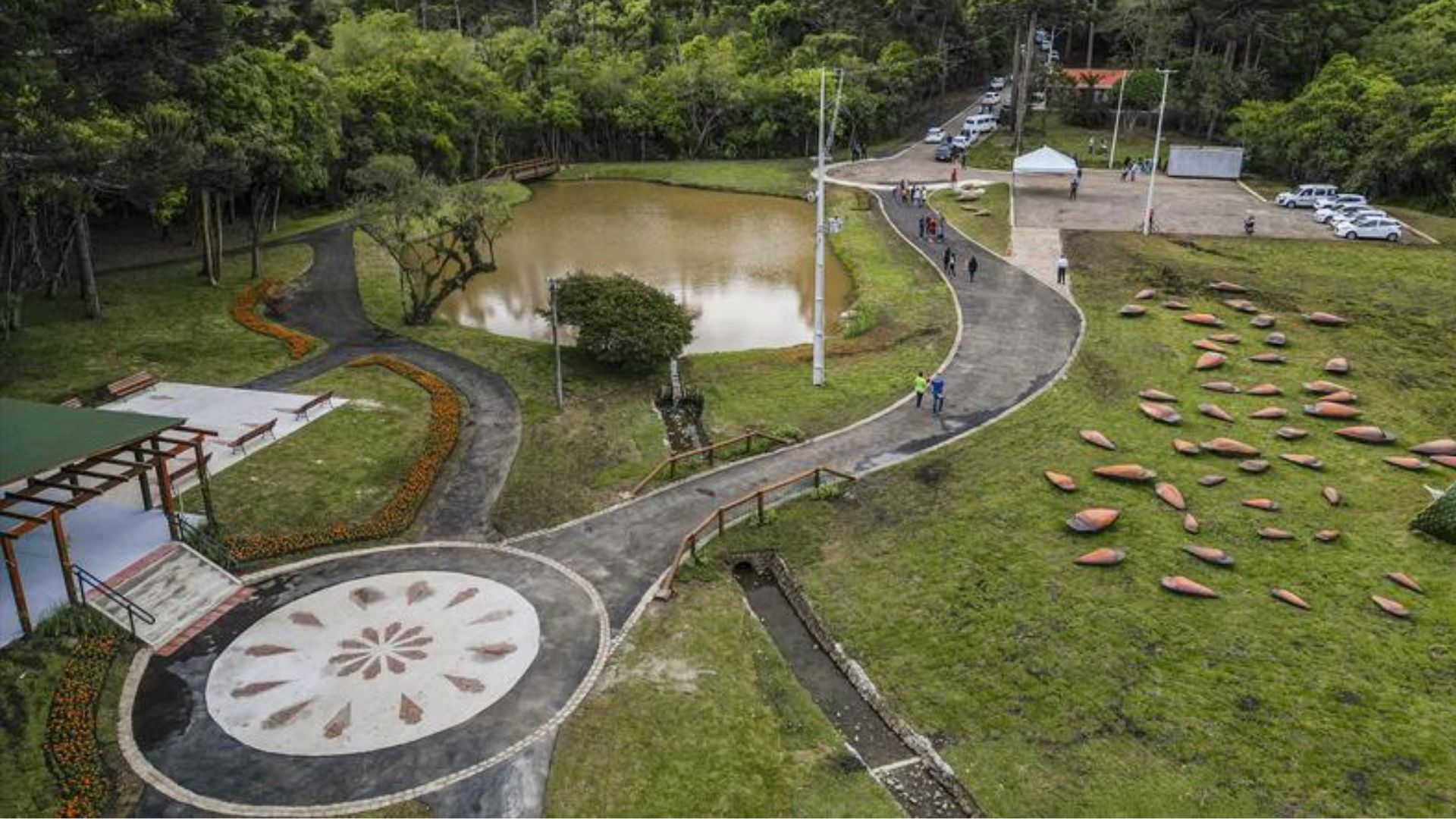
Park with Giant Pinecone Sculptures and Indigenous Tributes Surprises Tourists in Curitiba with Natural, Historical, and Inclusive Attractions, Becoming a Reference in Leisure and Conservation in the Extreme South of the City.
The Pinhal de Santana Park, located in the extreme south of Curitiba, has established itself as one of the new preferred destinations for tourists visiting the capital of Paraná.
Officially inaugurated in November 2022, the space revitalized an old abandoned pine forest area and has since attracted local residents and visitors from various regions of Brazil interested in leisure, contact with nature, and regional culture.
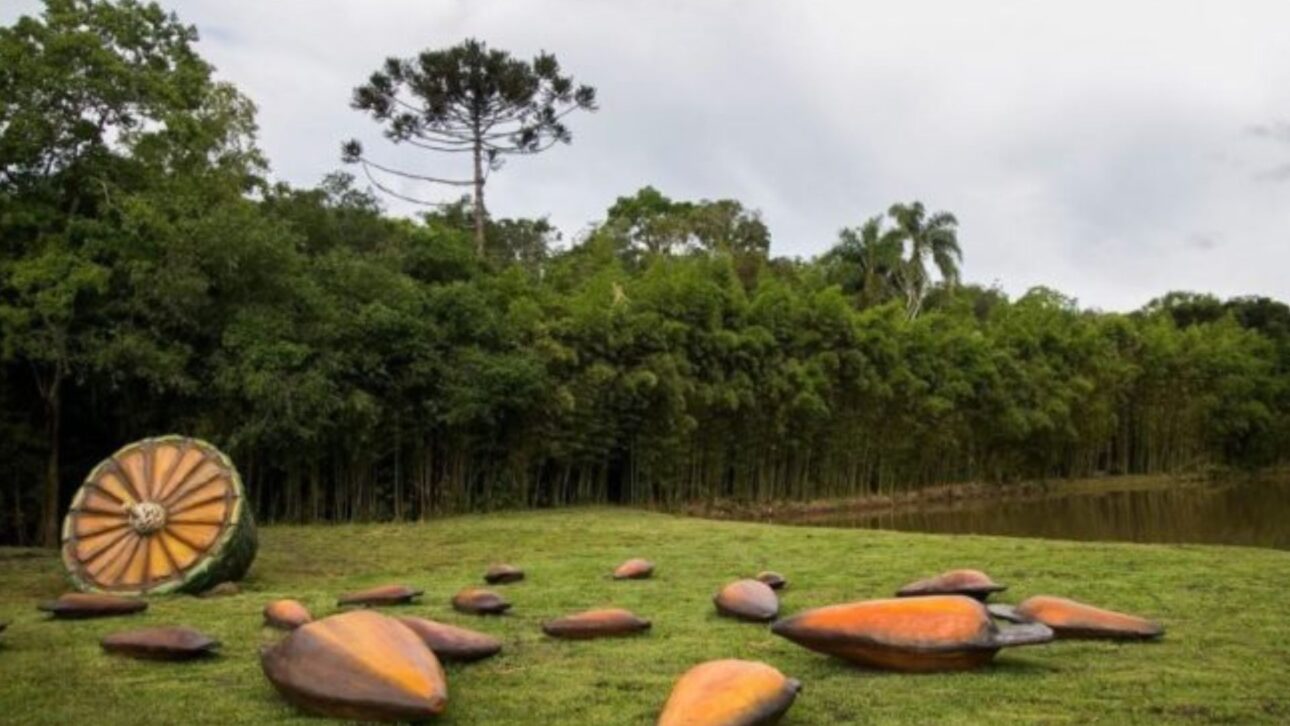
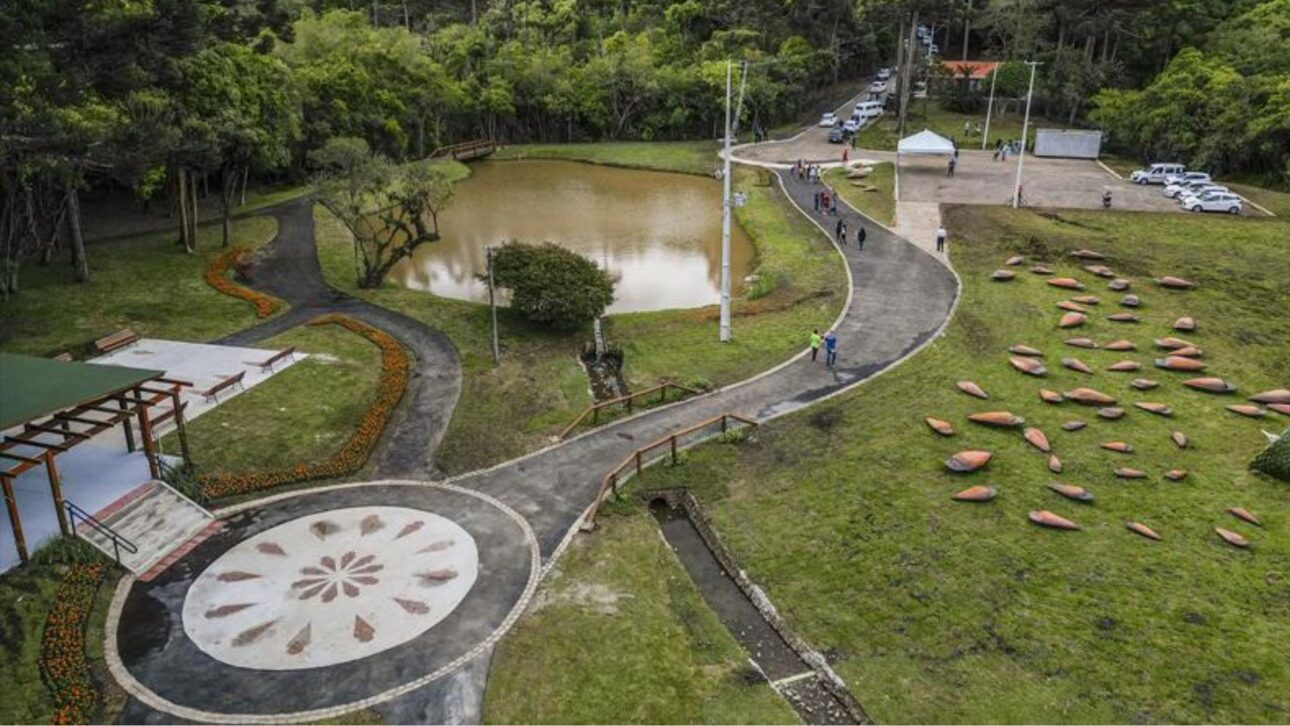
The park is situated in the Campo de Santana neighborhood and stands out for offering unique attractions, including sculptures of giant pinecones and structures that pay tribute to the natural heritage of Paraná.
-
Friends have been building a small “town” for 30 years to grow old together, with compact houses, a common area, nature surrounding it, and a collective life project designed for friendship, coexistence, and simplicity.

-
This small town in Germany created its own currency 24 years ago, today it circulates millions per year, is accepted in over 300 stores, and the German government allowed all of this to happen under one condition.

-
Curitiba is shrinking and is expected to lose 97,000 residents by 2050, while inland cities in Paraná such as Sarandi, Araucária, and Toledo are experiencing accelerated growth that is changing the entire state’s map.

-
Tourists were poisoned on Everest in a million-dollar fraud scheme involving helicopters that diverted over $19 million and shocked international authorities.


As you walk through the extensive green area, covering more than 80,000 square meters, it is impossible not to notice the groves composed of dozens of Paraná pines, the state’s symbolic species, with tall trunks and cup-shaped crowns.
Amid the lawn, sculptures of pineapples and pinecones in enlarged size pique the curiosity of children and adults, establishing the location as one of the most Instagrammable spots in Curitiba.
Natural and Cultural Attractions Enhance the History of Paraná
The historical and environmental relevance of the Pinhal de Santana Park is directly linked to the tradition of Paraná.
Right in front of the main entrance, there is the Kakoné Porã indigenous village, a tribute to the ancestry of the region’s first inhabitants.
According to information from the City Hall of Curitiba, the legend of chief Tindiquera, from the Tingui tribe, is remembered as a milestone in the beginning of Portuguese colonization in the city.
According to the account, it was Tindiquera who indicated to the colonizers the exact location to establish the Vila Nossa Senhora da Luz dos Pinhais, the original name of Curitiba, by stating: “Kur yt yba!”, a phrase in Tupi that means “large quantity of pines.”
Today, Tiradentes Square, located approximately 30 kilometers from the park, marks the city’s Zero Mark.
The choice of the Tatuquara neighborhood to host the Pinhal de Santana Park was also inspired by the history and environmental values.
The area, with 250,000 square meters of protection, aims to highlight the importance of the Paraná pine and promote the conservation of local biodiversity.
Biodiversity and State Symbol Species in the Spotlight
Among the fauna residents, the blue jay, the state symbol bird, stands out, as it is essential for the dispersion of pine seeds, naturally contributing to the species’ regeneration cycle.
Visitors passing through the park can observe the interaction of these birds with the environment and understand the ecological role of each element in the ecosystem.
Another highlight of the space is the Mel Garden, a landscaping project that houses jataí bee boxes, a native stingless species recognized for its efficiency in pollinating local vegetation.
These bees perform an essential function for the reproduction of various plant species, reinforcing the park’s environmental mission and providing an educational experience for the public.
Inclusive Leisure and Infrastructure for All Ages
In addition to its natural and ecological appeal, the Pinhal de Santana Park was designed to ensure accessibility and inclusive leisure.
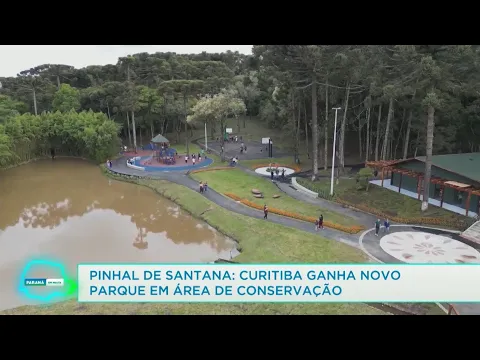
Its structure includes a walking path of 700 meters in length, a multi-sports court for various sports practices, and an inclusive playground, equipped with adapted toys and rubber flooring, promoting safety and integration for children with different types of mobility.
The commitment to social inclusion is further reinforced by the presence of a municipal guard station in Curitiba, which ensures the safety of visitors, and by a unit of the Municipal Secretariat of Sports, Leisure, and Youth, responsible for organizing recreational, sports, and health promotion activities.

Tourism, Local Appreciation, and Educational Experience
Since its inauguration in November 2022, the Pinhal de Santana Park has been especially sought after by families looking for outdoor leisure options, fitness enthusiasts, and school groups interested in learning more about indigenous culture and the vegetation of Paraná.
The spacious and well-maintained environment, combined with educational and leisure attractions, has made the park a new postcard of southern Curitiba.
The strategic location, in an area traditionally less explored by tourism in the capital, contributed to enhancing the region and stimulating sustainable development.
The park is also a reference in promoting ecotourism and culture, providing visitors with the opportunity to experience the history of Paraná interactively and accessibly.
Natural Heritage and Environmental Awareness
The presence of giant pinecone sculptures reinforces the prominence of the Paraná pine, a species whose preservation is crucial in light of the threats posed by deforestation and climate change.
Visitors find, in the Pinhal de Santana, spaces for contemplation and rest, as well as structures that encourage sports practice and community interaction.
The park has thus become a symbol of Curitiba’s commitment to preserving its natural and cultural heritage.
When planning a visit to the Pinhal de Santana Park, tourists and residents also find educational information distributed throughout the space, guiding them on the importance of local fauna and flora.
The park’s project aims, besides recreation, to foster environmental awareness and appreciation of Paraná’s cultural roots, transforming each visit into a learning and discovery experience.
Given the variety of attractions and the strategic role the park plays in Curitiba’s tourism, one fundamental question remains:
Did you already know the Pinhal de Santana Park and its giant pinecone sculptures, or do you still intend to include this precious destination in your itinerary for the capital of Paraná?









Seja o primeiro a reagir!