





 Portuguese
  English
  Spanish
  5 min of reading
  0 comments


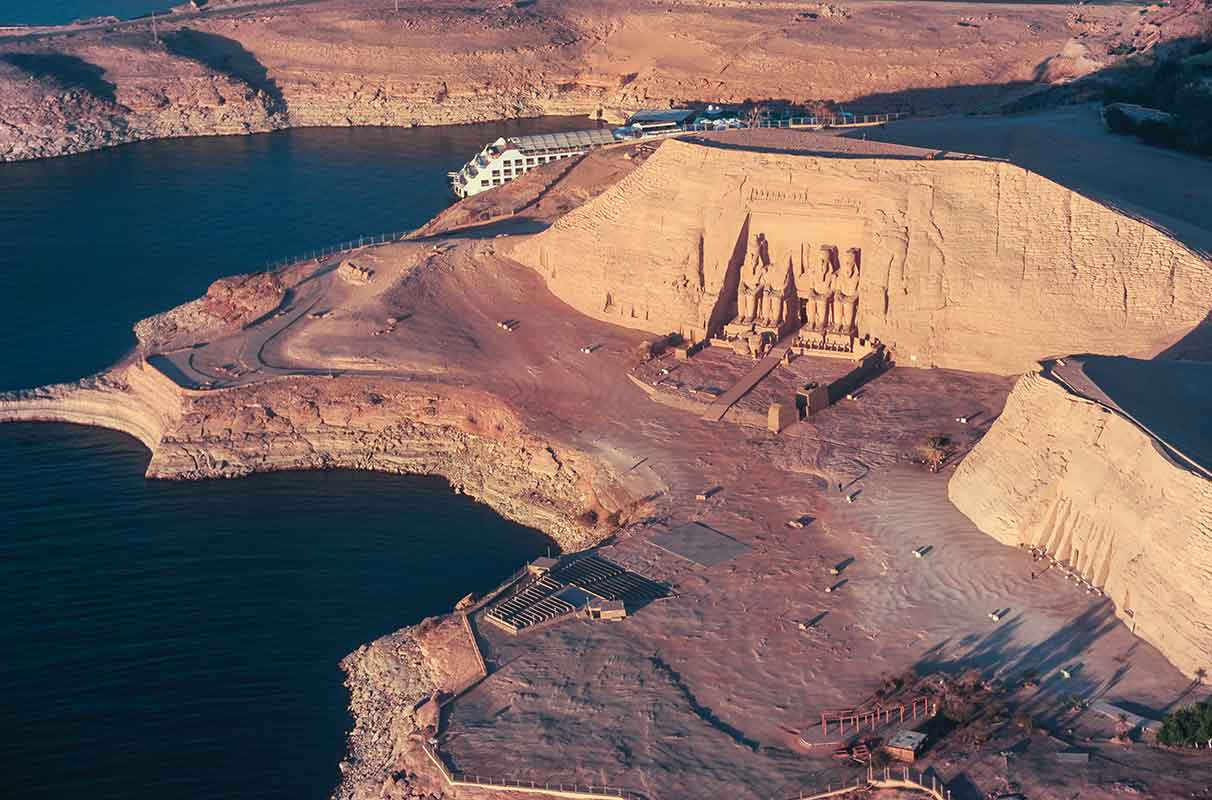
Abu Simbel Was Cut Into 2,000 Blocks and Reassembled 65 Meters Above the Original Level to Escape the Flooding of the Nile, the Largest Relocation in History.
In the far south of Egypt, along the banks of the ancient course of the Nile, stands one of the most impressive temples of antiquity: the Temple of Abu Simbel. Carved directly out of a sandstone mountain over 3,200 years ago, it seemed destined to remain intact for millennia. But in the 20th century, a modern construction put everything at risk: the building of the Aswan Dam.
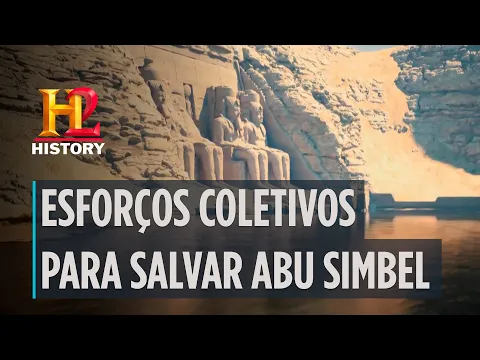
With the formation of Lake Nasser, the water level would rise by dozens of meters and Abu Simbel would be completely submerged. The solution found was not to protect, isolate, or contain the temple. It was something unprecedented: to dismantle the entire temple, cut the mountain into giant blocks, and reassemble everything 65 meters above the original level.
An Unparalleled Operation in the History of Engineering
The operation officially began in 1964 and involved an internationally coordinated mobilization led by UNESCO, with engineers, archaeologists, and companies from various countries.
-
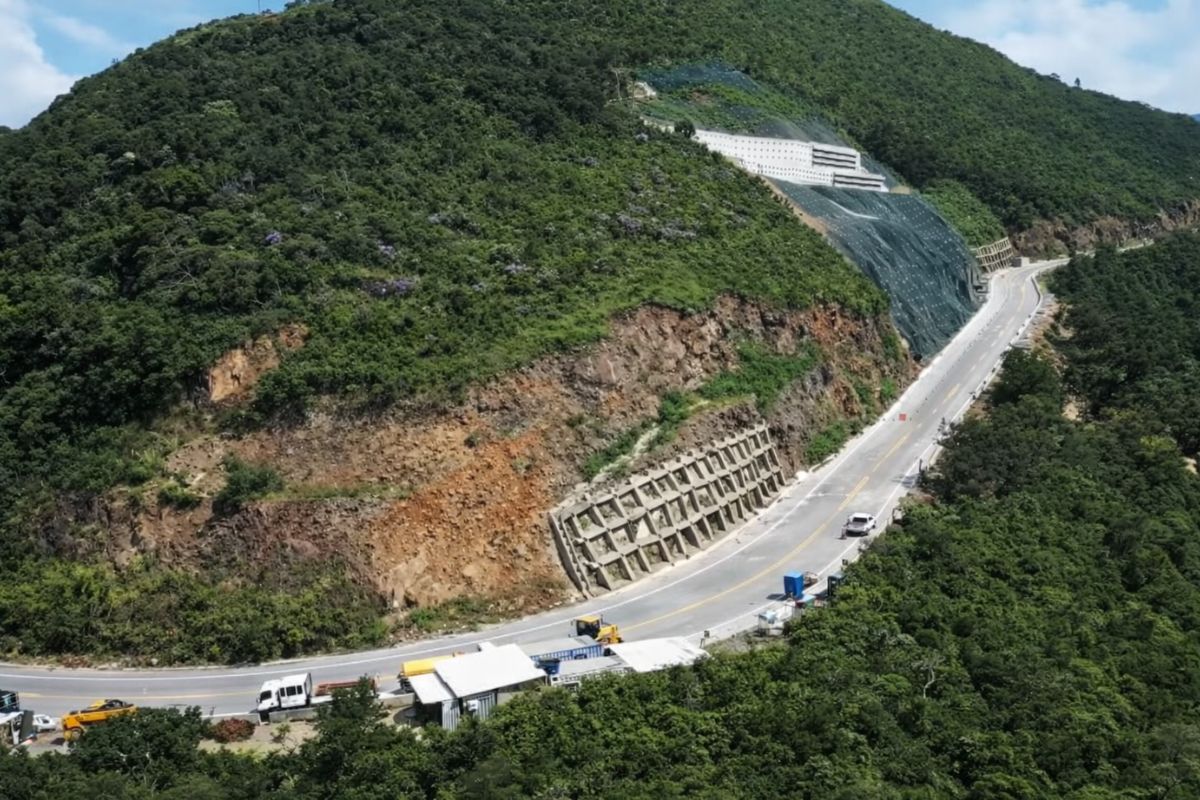
The section of Serra da Rocinha on BR-285 is now open in Timbé do Sul: 50 m tensioned curtains and top-down technique stabilize the slope, with a stairway duct controlling the water.
-
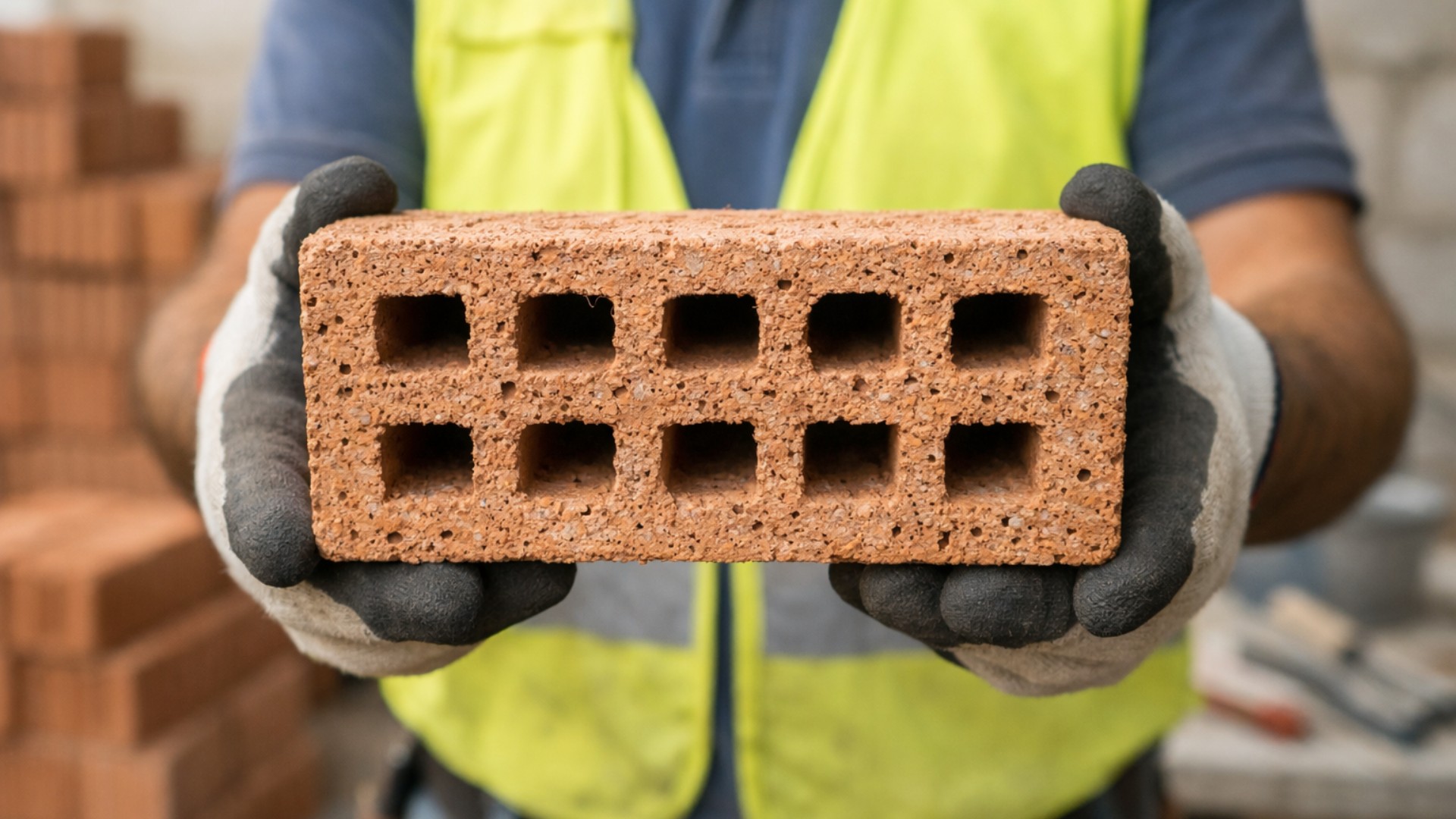
Scientists use sawdust mixed with clay to create a lighter brick, promising efficient thermal insulation and impressing by transforming waste into a solution for construction.
-
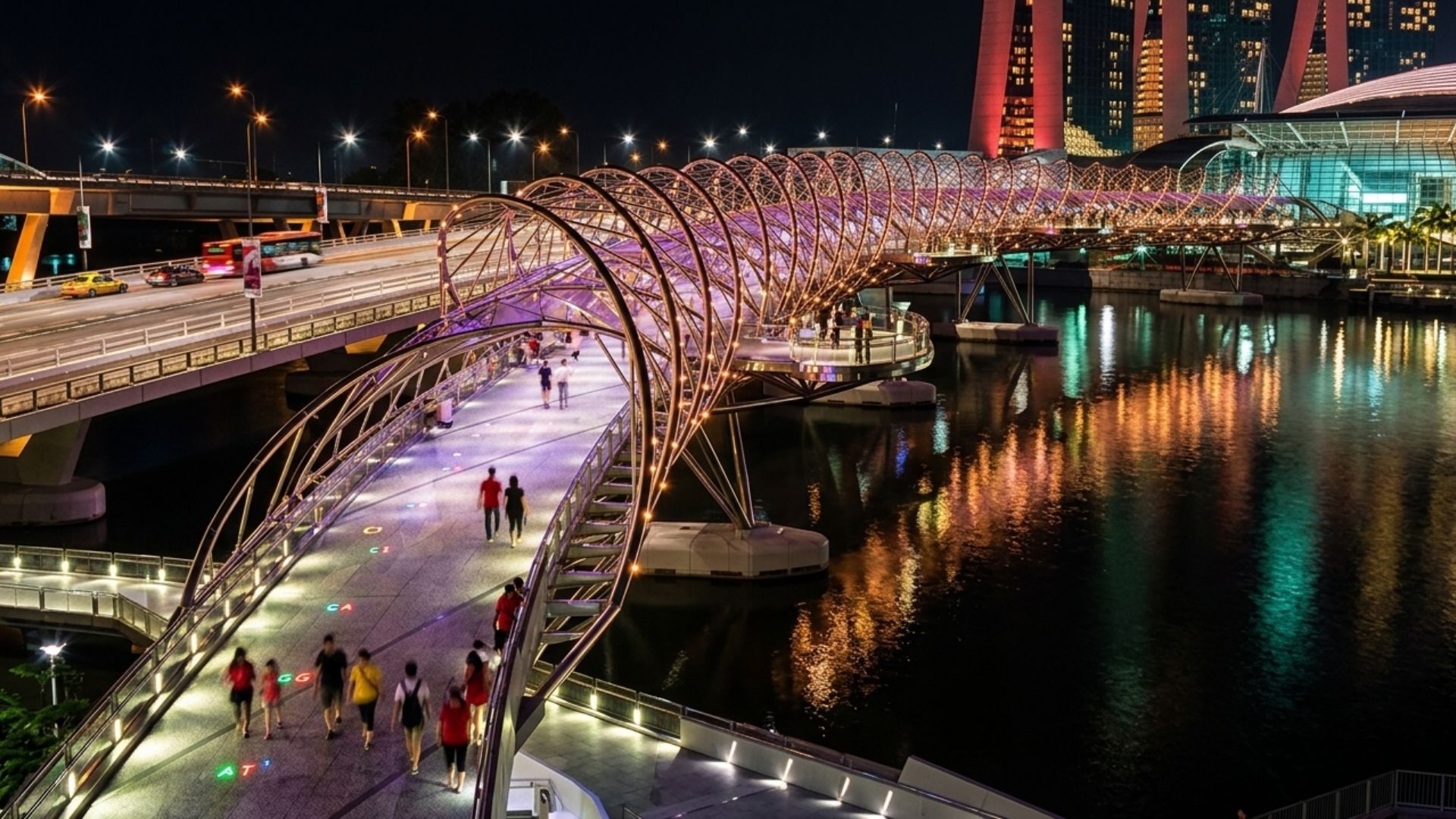
With a DNA shape, this bridge in Singapore draws attention in modern architecture and surprises tourists by transforming a simple crossing into an unforgettable visual experience in the urban heart.
-
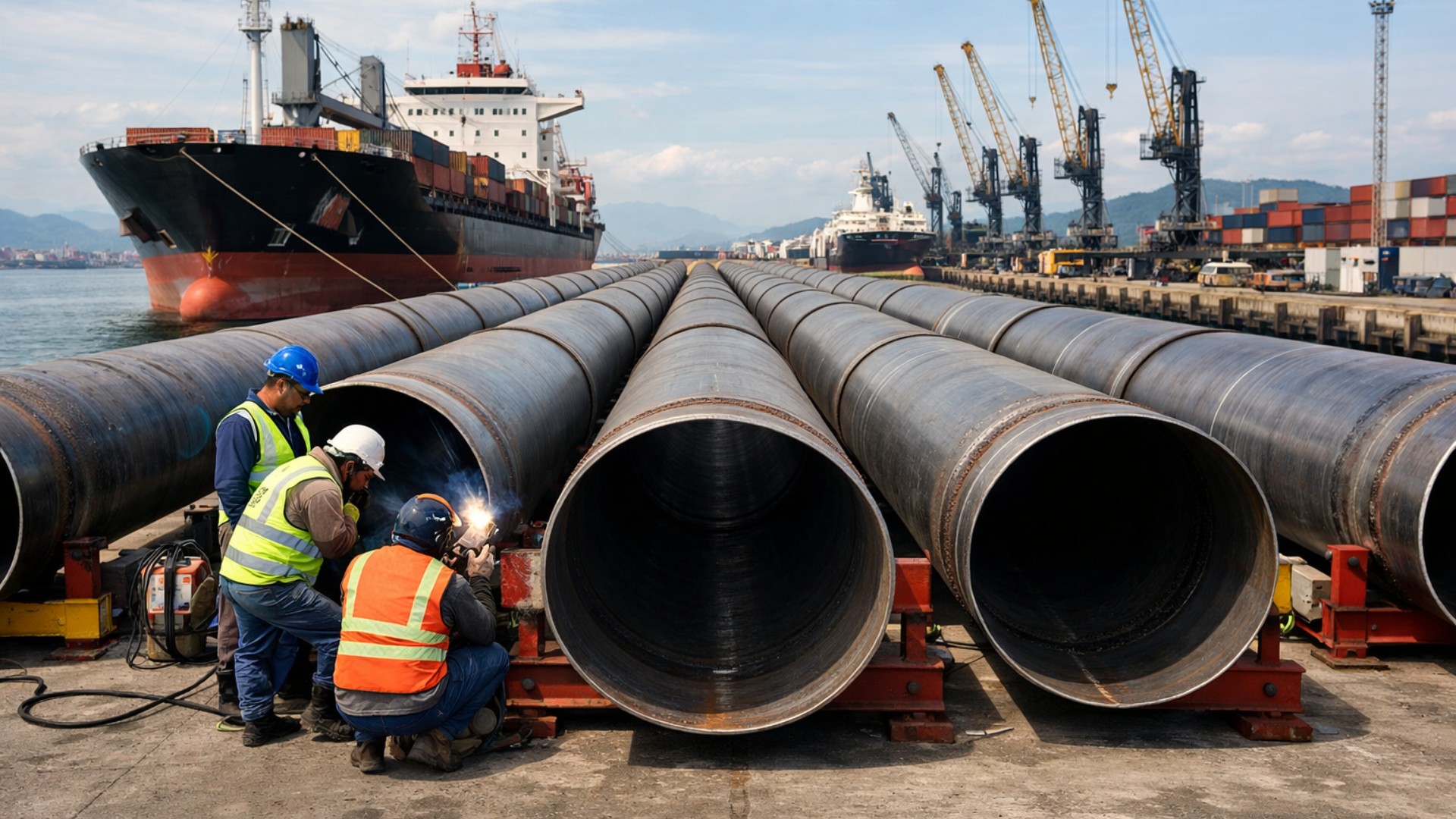
Giant underwater pipeline begins to take shape with a R$ 134.7 million project at the Port of Santos: the 1.7 km structure uses 12-meter and 700 mm pipes to supply water to 450,000 people in Guarujá.


The plan was bold and risky:
- the temple was sliced into about 2,000 blocks,
- each block weighed between 20 and 30 tons,
- some exceeded 300 tons,
- the pieces were numbered, transported, and then reassembled one by one.
All of this needed to be done with millimeter precision, as Abu Simbel is not just a set of stacked blocks; it is a temple sculpted in continuous rock. Any misalignment would destroy reliefs, inscriptions, and sacred proportions.
65 Meters Above: A New Mountain Was Created Artificially
The original temple was carved into the natural slope of the mountain. To reassemble it, engineers created a artificial reinforced concrete dome structure, on which the blocks were placed.

From the outside, the temple still looks like a natural mountain. But on the inside, it now rests on:
- a gigantic structural concrete base,
- built to support thousands of tons of stone,
- designed to withstand vibration, temperature variation, and humidity.
In practice, Abu Simbel today is an ancient temple supported by an invisible modern engineering feat.
The Ultimate Challenge: Maintain the Original Solar Alignment
One of the most critical details of the operation was not just structural but astronomical.
Originally, twice a year, around February 22 and October 22, the rising sun would penetrate into the temple and illuminate the inner statues of Ramses II and the gods Amun-Ra and Ra-Harakhti. This phenomenon marked symbolic dates related to the power of the pharaoh.
When moving the temple:
- any error of a few centimeters,
- any variation in angle,
- any imprecise displacement
could destroy this millennial solar alignment. Even with all the modern precision, after reassembly, the phenomenon began to occur about a day off, which is already considered an extraordinary achievement.
The 2,000 Blocks Couldn’t Simply “Go Back to Their Place”
Each block needed to fit exactly where it was before. To achieve this:
- all were cut with special saws,
- each piece was cataloged, numbered, and mapped,
- engineers worked with primitive three-dimensional plans for the time,
- archaeologists tracked each block to preserve carved details.
The reassembly had to respect:
- invisible joints,
- continuity of the reliefs,
- perfect alignment of the statues,
- exact depth of the inner corridors.
It was not a simple reassembly project. It was a surgery on a monumental scale.
The Four Colossal Statues of Ramses II Were Also Moved
On the main facade, four statues of Ramses II, each about 20 meters tall, dominate the entrance of the temple. Each weighs hundreds of tons.
They were also:
- cut into dozens of blocks,
- transported,
- and reassembled exactly to the same original proportions.
Today, those who visit Abu Simbel have the sensation that the temple has always been there. But in reality, it was completely dismantled, lifted, relocated, and rebuilt.
How Much Material Was Moved in This Relocation
Estimates indicate that the project involved:
- more than 2,000 stone blocks,
- tens of thousands of total tons of rocky material,
- modern internal concrete structures for support,
- years of uninterrupted work in an extreme desert environment.
All of this under the continuous risk of the advancing lake, which would not wait for delays.
An Achievement That United Engineering, Archaeology, and International Politics
The relocation of Abu Simbel was a rare example of successful global cooperation. Rival countries in the Cold War worked together, financing machines, specialists, and technology to save a heritage that belonged not only to Egypt but to humanity.
Without this international mobilization, today Abu Simbel would be completely submerged at the bottom of Lake Nasser, invisible, inaccessible, and lost forever.
Why This Is Considered the Largest Relocation of an Ancient Structure in History
Unlike churches moved a few meters, bridges moved on rails, or houses transported on wheels, Abu Simbel presents three unique factors:
- It was a sculpted mountain, not a built structure.
- Any error would be irreparable, as the reliefs could not be redone.
- The operation involved giant sculptures, solar alignment, and dozens of internal rooms.
Never before and never again has a monument of this scale been completely dismantled and rebuilt at another site.
A Modern Work Hidden Within an Ancient Work
When you enter the temple today, you see stone, not concrete, you see no beams, you see no modern columns. But all of that rests on a gigantic hidden structure that supports and stabilizes the entire set.
It is a rare case in which:
- modern engineering did not replace the ancient,
- but started to serve it, invisibly.
A Colossus That Overcame Time Twice
First, Abu Simbel overcame time for 3,200 years embedded in the mountain. Then, it won again by escaping an artificial lake created by modern man.
Very few works in history can say that:
- were carved from rock by an ancient civilization,
- dismantled by 20th-century engineers,
- and are still standing today, visited by millions of people each year.
The Temple That Proves That Sometimes Engineering Exists to Save History Itself
Abu Simbel is not just a monument of Ancient Egypt. It is also a monument of modern engineering, international cooperation, and the decision not to allow one of humanity’s greatest symbols to simply disappear beneath the water.
Cutting a mountain into 2,000 blocks and reassembling it 65 meters above was not just a technical feat. It was a clear statement: the past can also be preserved with the tools of the present.









-

-

4 pessoas reagiram a isso.