





 Portuguese
  English
  Spanish
  5 min of reading
  1 comment


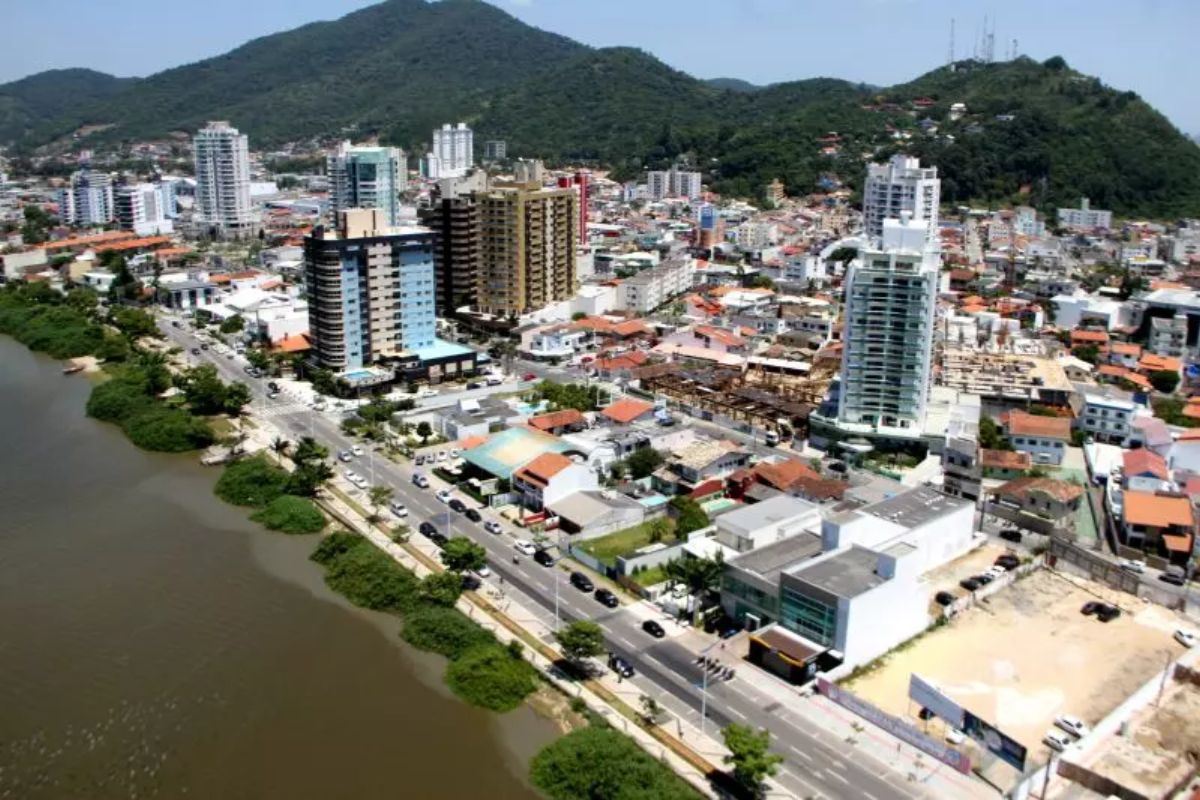


Itajaí, in Santa Catarina, Collected R$ 27.1 Billion in Taxes in 2024 and Ranked 9th Nationally for Highest Collections, Ahead of Capitals. The Combination of Port, Logistics, and Industry Explains the Position, While Public Investments and Fluctuations in GDP Show Risks and Opportunities for the Region
In 2024, Itajaí, on the coast of Santa Catarina, totaled R$ 27.1 billion in taxes and entered the group of the ten cities that collect the most taxes in the country, according to data from the Federal Revenue Service. This figure is noteworthy as it places a municipality that is not a capital ahead of larger urban centers with broader administrative structures.
This leap in the ranking doesn’t happen “out of nowhere”: it relates to the port and industrial vocations, the logistical flows passing through the city, and how this activity translates into tax collections. At the same time, the municipality’s recent experience shows how operational bottlenecks can quickly alter the economic dynamics and, consequently, the perception of stability.
What It Means to Enter the Top 10 in Tax Collection with Billions

Being among the highest tax collectors in the country, with billions concentrated in a single municipality, is a scale portrait: in 2024, the ten largest collectors totaled over R$ 1.9 trillion, and Itajaí ranked 9th. This is not just a “good local performance”, but a rare national positioning for a city that is not a capital.
-
The government requests the Federal Revenue Service for a new system to automate the income tax declaration, reducing errors, time, and bureaucracy for millions of Brazilians.

-
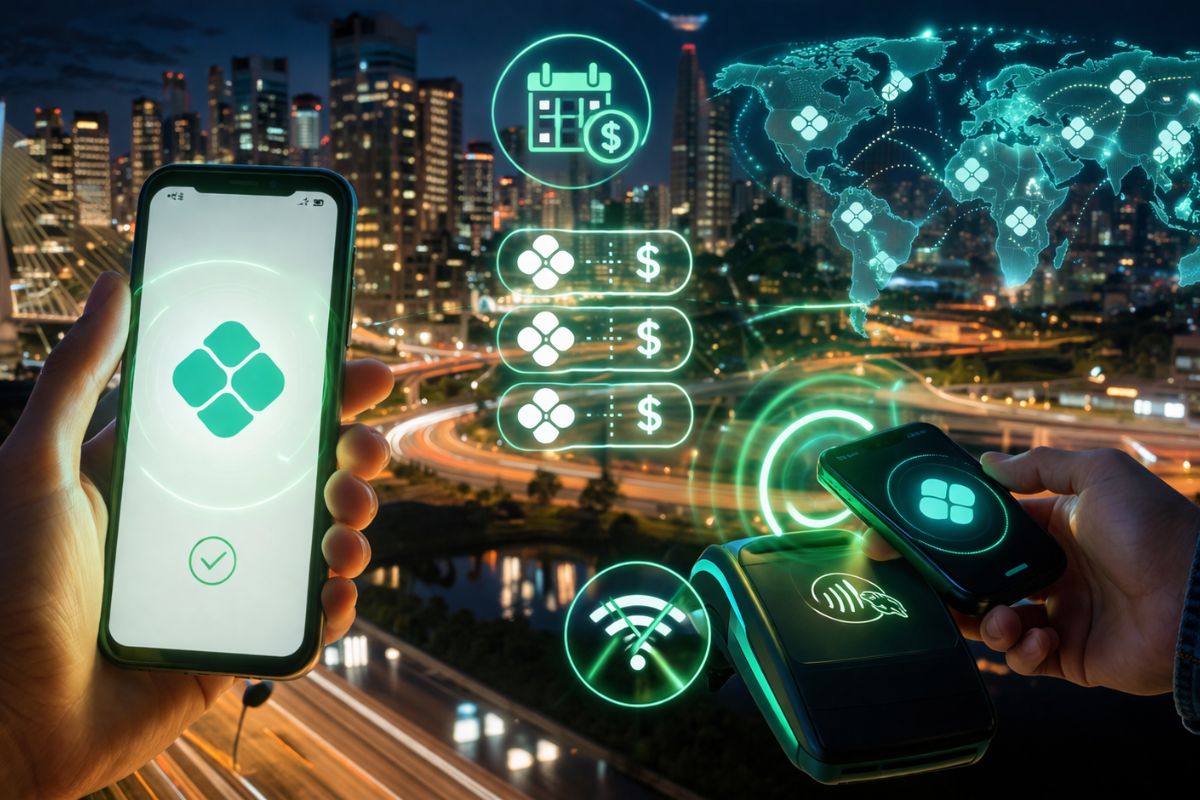
Pix in installments, international Pix, and contactless payment without internet: the Central Bank revealed the new features coming to the tool that is already used by almost every adult in Brazil.
-
Mercado Livre has just started selling medications with delivery in up to three hours to your door, and this move could completely change the way Brazilians buy medicines on a daily basis.

-
In Dubai, rising tensions from the war in the Middle East are causing super-rich individuals to leave the Gulf and direct their fortunes to a new financial refuge in Asia.

The 2024 ranking reveals a sequence that helps to frame the scenario: São Paulo led with R$ 581.2 billion, followed by Rio de Janeiro, Brasília, Belo Horizonte, Osasco, Curitiba, Barueri, Porto Alegre, Itajaí, and Campinas. When a city like Itajaí appears in this context, the practical question is inevitable: where do these billions come from and what do they reveal about the real economy of the place?
Port, Logistics, and Industry as the Engine of Billions in Taxes
The central explanation lies in the economic design: port, logistics chain, and industrial base create an intense circulation of goods, services, and operations that, in conjunction, tend to elevate the volume of taxes associated with the activity.
Itajaí stands out precisely for being connected to routes and operations that “pull” collections, even without being the largest municipality in population or territory.
This pattern also appears in medium-sized cities with strong hubs, which end up surpassing capitals from other regions.
In the view of the Brazilian Institute of Planning and Taxation (IBPT), the Southeast and South account for 79% of the total collected, and municipalities with industrial or logistical profiles like Joinville, Caxias do Sul, and Itajaí gain relevance. In practice, the billions follow the economic corridors, not just the administrative boundaries.
High GDP, Recent Decline, and the Impact of a Port Shutdown
The billions collected coexist with fluctuations in Gross Domestic Product. The latest survey by IBGE cited for Itajaí indicates a GDP of R$ 48.1 billion in 2023, placing the municipality in 29th place in the national ranking, 4th in the South region, and as the second-largest economy in Santa Catarina, behind Joinville (R$ 49.8 billion).
Here lies a key point to understand risk and dependency: in 2022, Itajaí had led the state ranking with R$ 50.8 billion but lost ground after a contraction of R$ 2.6 billion in GDP.
The main cause cited was the shutdown of the container terminals at the Port of Itajaí, which began at the end of 2022, reducing cargo movement and impacting the logistics chain.
When the port’s machinery slows down, the effects spread, and this helps explain why the discussion about infrastructure weighs so heavily in cities dealing with billion-dollar economic volumes.
High Per Capita GDP and What the Billions Suggest About Economic Scale
Even with the contraction, Itajaí remains among the 30 largest municipalities in Brazil in economic volume and ranks 58th in per capita GDP, with R$ 182.4 thousand per inhabitant.
This indicator often ignites debates because it suggests high value production in the local economy, even if this does not automatically mean that the benefits are distributed the same way for everyone.
The objective point is that billions in collections and a large economy in absolute terms create fiscal capacity and pressure for deliveries: improving mobility, housing, urban renewal, and solutions for logistical bottlenecks.
And, in rapidly growing cities, the question shifts from “whether there is money circulating” to “how management transforms this volume into consistent results.”
Billion-Dollar Investments, Strategic Works, and Bottlenecks that Become Priority
The robustness of collections is presented as the basis for a cycle of investments: in the last year, the municipality consolidated R$ 1.5 billion in strategic works and projects and maintained fiscal balance with an A+ rating from the National Treasury.
This type of combination—collected billions and investment capacity—changes the level of planning, as it expands what can come off the paper.
Among the projects mentioned are interventions directly linked to logistical dynamics and urban growth: the Jorge Lacerda and Antônio Heil roadway corridor, with regional integration to Navegantes, BR-470, and Camboriú; the direct connection between Praia Brava and BR-101; works connecting the port region; the construction of a thousand affordable homes; the passenger pier of Marejada developed by a British company; and the modernization of the Jorge Lacerda junction, described as one of the main logistical bottlenecks in the country.
There is also preparation for the concession of Morro da Cruz and urban revitalization initiatives in partnership with the private initiative—typical movements of cities that, when dealing with billions, aim to accelerate deliveries without losing fiscal control.
Accelerated Growth, Tax Reform, and the Challenge of Sustaining the Billions
The numbers and projects were presented in a meeting with entrepreneurs at the Itajaí Business Association, focusing on the results of the first year of government and the challenges posed by accelerated growth and the expected impacts of tax reform. When the city grows quickly, the bill comes in the form of traffic, housing, services, and pressure for efficiency, which often requires tough priority decisions.
At the same time, the recent experience with the shutdown of the container terminals serves as a reminder: relying on an intense logistics chain can elevate collections by billions, but it also exposes the municipality to operational shocks.
Sustaining the position in the ranking involves reducing bottlenecks, maintaining predictability, and balancing economic expansion with infrastructure because, in the end, high collection can be both a reward and a perpetual management test.
And in your view, what else explains a non-capital city collecting billions: the port, the industry, logistics, or a “combo” that is hard to replicate? If you live in a port or industrial region, have you noticed real changes in the city when investments accelerate, or is the impact limited to the numbers? And, looking at Brazil, which municipalities do you think could surprise and enter this type of ranking in the coming years, and why?









Cidade muito boa de se morar. Só o povo que ainda não tem muita noção para conviver em sociedade, mas é isso, todos estamos em evolução.