





 Portuguese
  English
  Spanish
  3 min of reading
  1 comment





Raising Tilapia in Water Tanks Can Be a Great Way to Profit with Low Investment and Little Space.
Raising tilapia in water tanks can be more profitable than many people imagine.
With a simple 1000-liter system, it is possible to make a profit even with low investment.
A farmer shared actual numbers from his 5-month cycle and revealed a technique to further reduce feed costs.
-
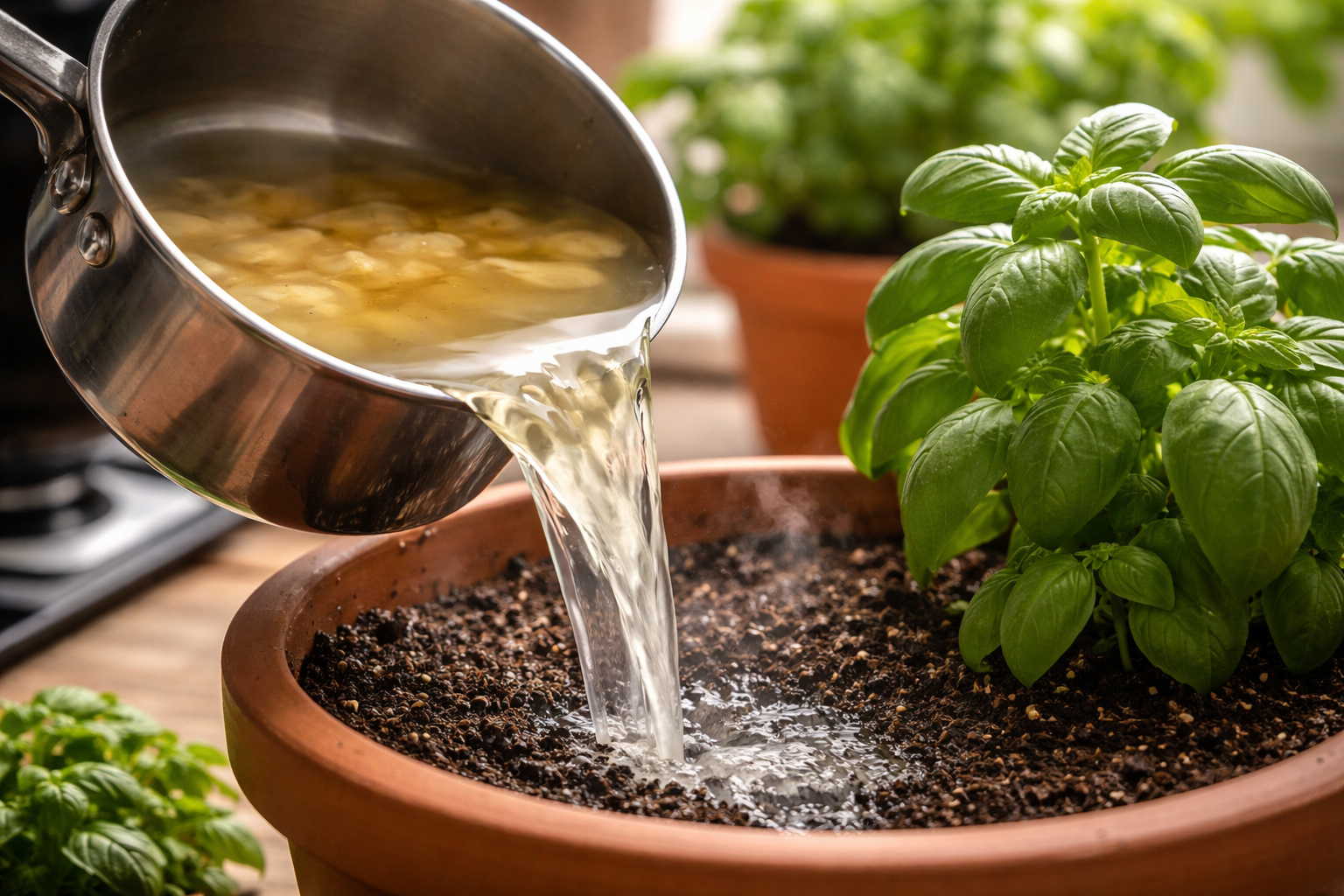
The water that almost everyone throws away after cooking potatoes carries nutrients released during the preparation and can be reused to help in the development of plants when used correctly at the base of gardens and pots, at no additional cost and without changing the routine.
-
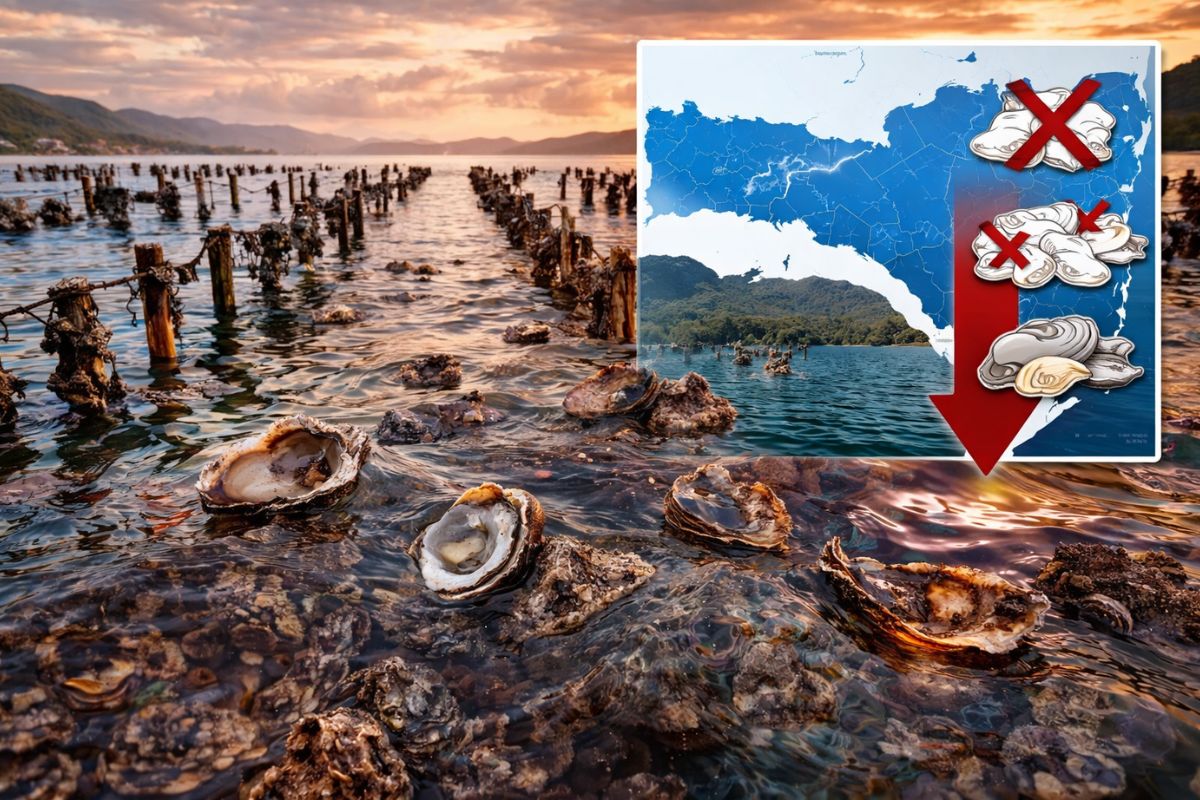
The sea water temperature rose from 28 to 34 degrees in Santa Catarina and killed up to 90% of the oysters: producers who planted over 1 million seeds lost practically everything and say that if it happens again, production is doomed to end.
-
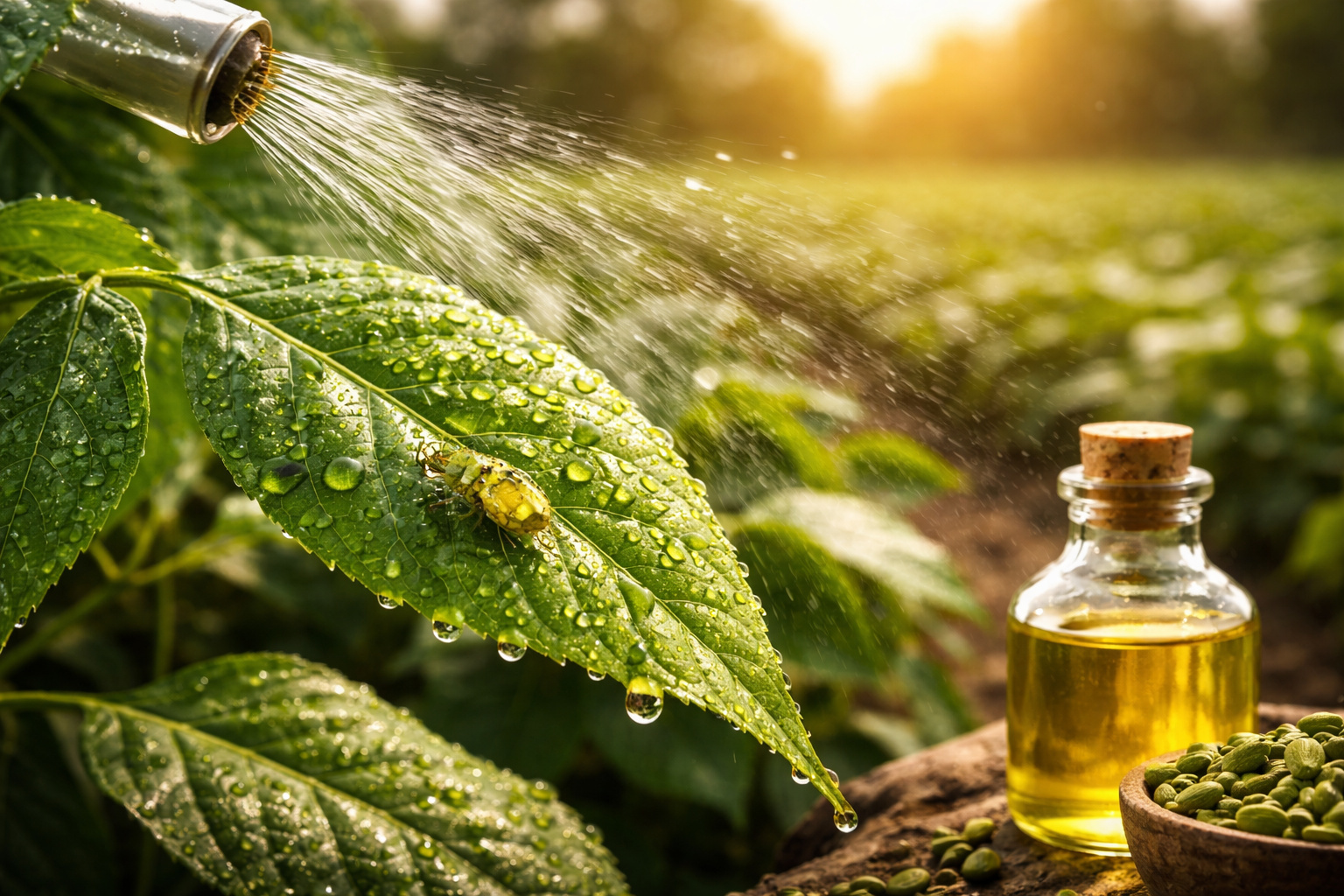
An Indian tree that grows in the Brazilian Northeast produces an oil capable of acting against more than 200 species of pests and interrupting the insect cycle, gaining ground as a natural alternative in soybean, cotton, and vegetable crops.
-
The rise in oil prices in the Middle East is already affecting Brazilian sugar: mills in the Central-South are seeing their margins shrink just as ethanol gains strength.


Initial Investment: What Is Necessary
The system starts with a 1000 liters tank and the placement of 100 tilapia fingerlings, each weighing 5 grams.
Over 21 weeks, these fish can reach about 620 grams, a weight considered ideal for sale. The secret is not to extend the growing time too long, as keeping the fish longer means higher expenses.
During this period, the 100 fish consume approximately 82.2 kg of feed.
At a price of R$ 4.00 per kilogram (based on 25 kg bags sold for R$ 100.00), the total feeding cost amounts to R$ 328.00.
Electricity Cost and Fingerlings
Another important cost is electricity. Using a 30 W pump with a flow rate of 4,500 L/h, the monthly expense is R$ 19.44. Over five months, the total reaches R$ 97.20. This pump is recommended for being quiet, economical, and efficient for tanks of this size.
The third item is the purchase of fingerlings. In the farmer’s region, the cost per thousand is R$ 250.00. Since the system uses 100 units, the total expense is only R$ 25.00.
In total, the costs are:
- Feed: R$ 328.00
- Electricity: R$ 97.20
- Fingerlings: R$ 25.00
Total: R$ 451.20
Revenue and Profit from Selling Tilapia
At the time of sale, the 100 fish weighing 620 grams total 62 kg. In the relevant region, tilapia sells for R$ 15.00 per kilogram. Multiplying, the gross sales amount to R$ 930.00.
Subtracting the R$ 451.20 in expenses, the farmer’s net profit is R$ 478.80. A positive number, especially for those starting or looking to generate extra income.
Cost Reduction with Aquatic Plants
However, the farmer presented a way to further increase this profit. The technique involves replacing part of the feed with an aquatic plant called lemna, also known as duckweed. This plant contains up to 45% protein and grows very quickly — doubling in volume every 48 hours.
It can replace up to 15% of the feed without compromising fish growth. As a result, feed consumption drops from 82.2 kg to 69.87 kg, representing a savings of R$ 49.32.
Recalculating with the lemna:
- New feed expense: R$ 279.48
- Electricity: R$ 97.20
- Fingerlings: R$ 25.00
New total: R$ 401.68
Subtracting from the R$ 930.00 in revenue, the new profit is R$ 528.32 — a considerable increase.
Ornamental Fish: A Second Source of Income
In addition to tilapia production, the farmer also uses the same setup to raise ornamental fish, such as swordfish. By dividing the space, he maintains a dedicated reservoir for lemnas, where the small fish live and reproduce.
These ornamental fish can grow to 8 to 12 cm and have a high market value. A single swordfish can be sold for up to R$ 7.00. The setup is done in a 500-liter tank, with light controlled by a circle of transparent tubing, facilitating the development of plants and fish.
Important Care to Ensure Success
Three key points are essential to ensure that profits materialize:
- Water Temperature: Tilapia grows best between 27ºC and 32ºC. Lower temperatures affect appetite and growth.
- Interconnected System: For those looking to expand, it is possible to have two 1000 L tanks connected with just one larger flow pump, such as one with 6000 L/h, reducing electricity costs.
- Start Small: The recommendation is to start with a 500 L tank to learn how to manage water quality, feeding, and fish health, and only then scale up the system.
Last Tip for Beginners
The farmer concludes by inviting interested parties to follow the channel’s content for access to more explanatory videos, including one that teaches how to calculate the electricity consumption of any equipment, both for aquaculture and domestic use. In addition, he provides a playlist with sequential videos to help beginners gain confidence and expand their systems safely.
Now it’s up to you: a simple system, low investment, and good profit margin. Just follow the step by step, do the calculations, and start small.









Qual o canal do criador?