





 Portuguese
  English
  Spanish
  5 min of reading
  0 comments


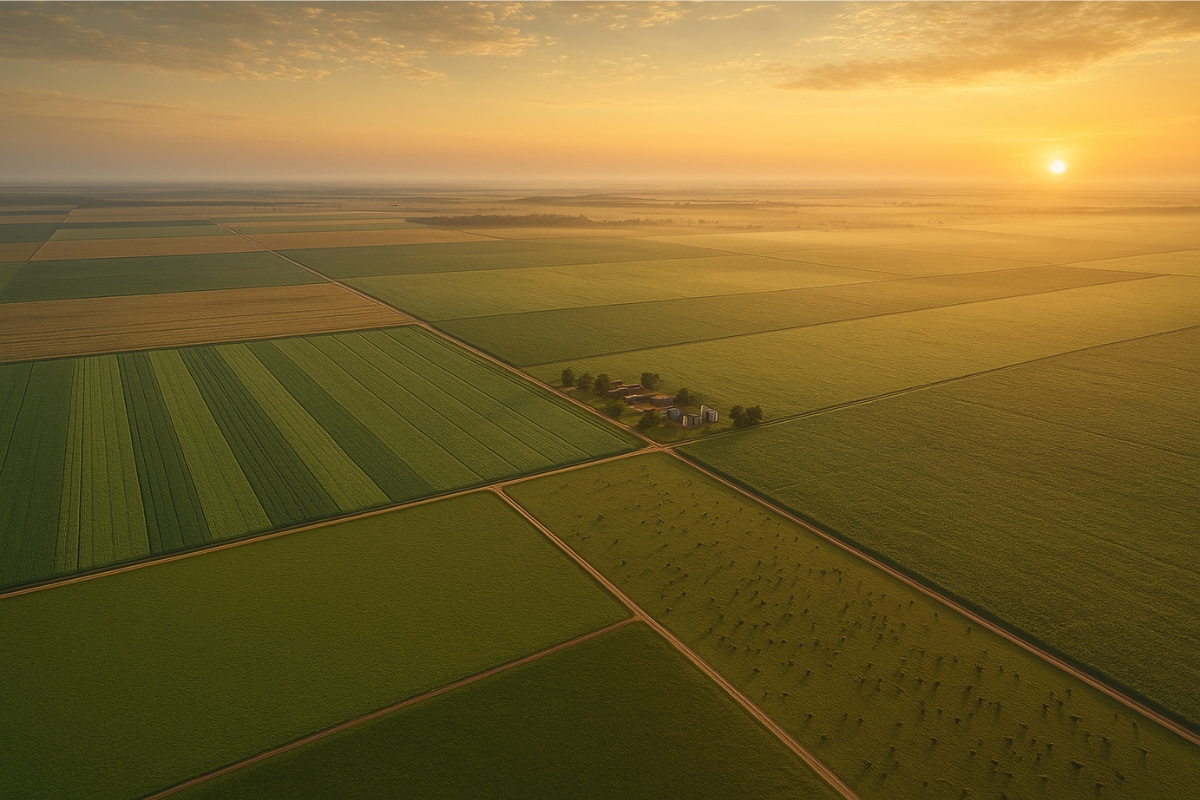
Know the Largest Farms in Brazil, Where Agro-Industries and Giant Herds Produce on a Large Scale and Move Billions in the Economy Every Year
Brazil is so large that some farms here seem like a country within a country. These areas exceed tens of thousands of hectares and, in size, can be larger than many Brazilian municipalities. This gigantism draws attention not only out of curiosity but also because it helps to understand the strength of agribusiness in the GDP, exports, and internal supply.
When we talk about “largest farms,” it’s good to remember that there is no single criterion. Some lists consider the largest continuous area in a single property. Others sum up areas of the same business group. There are also cases where the farm was larger in the past and today operates with a slightly smaller area after divisions. Nevertheless, the main names almost always appear in the same positions.
Why Are There So Large Farms in Brazil
The size of Brazil’s territory, especially in the Midwest and Matopiba, has facilitated the emergence of these giant properties. Over the past decades, the opening of new agricultural frontiers, heavy mechanization, and improvements in roads and logistics have allowed for increasingly larger scale production. In flat land regions, it is possible to plant and harvest in continuous areas for kilometers, which is rare in many countries.
-
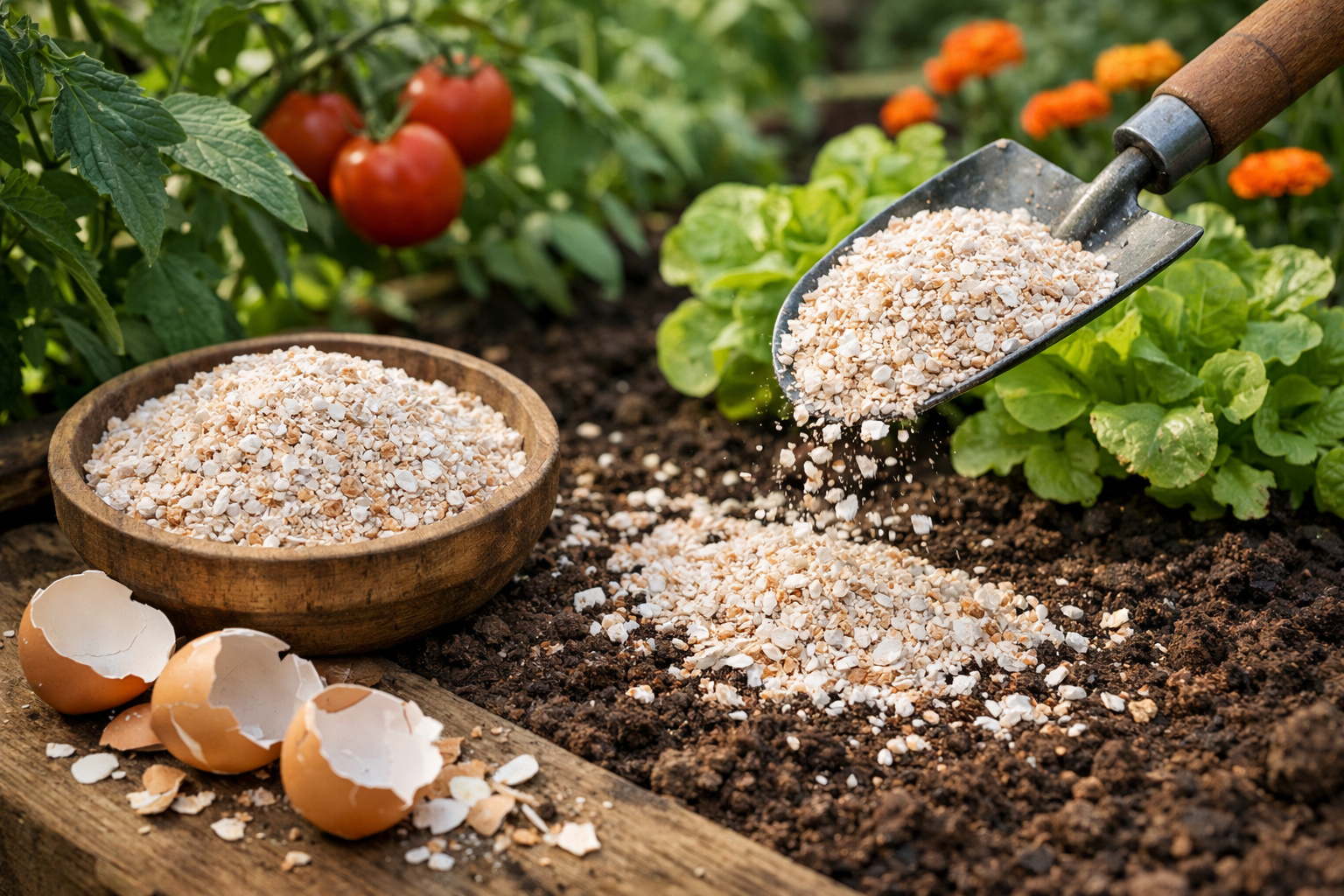
The eggshell that almost everyone throws away is made up of about 95% calcium carbonate and can help enrich the soil when crushed, slowly releasing nutrients and being reused in home gardens and vegetable patches.
-
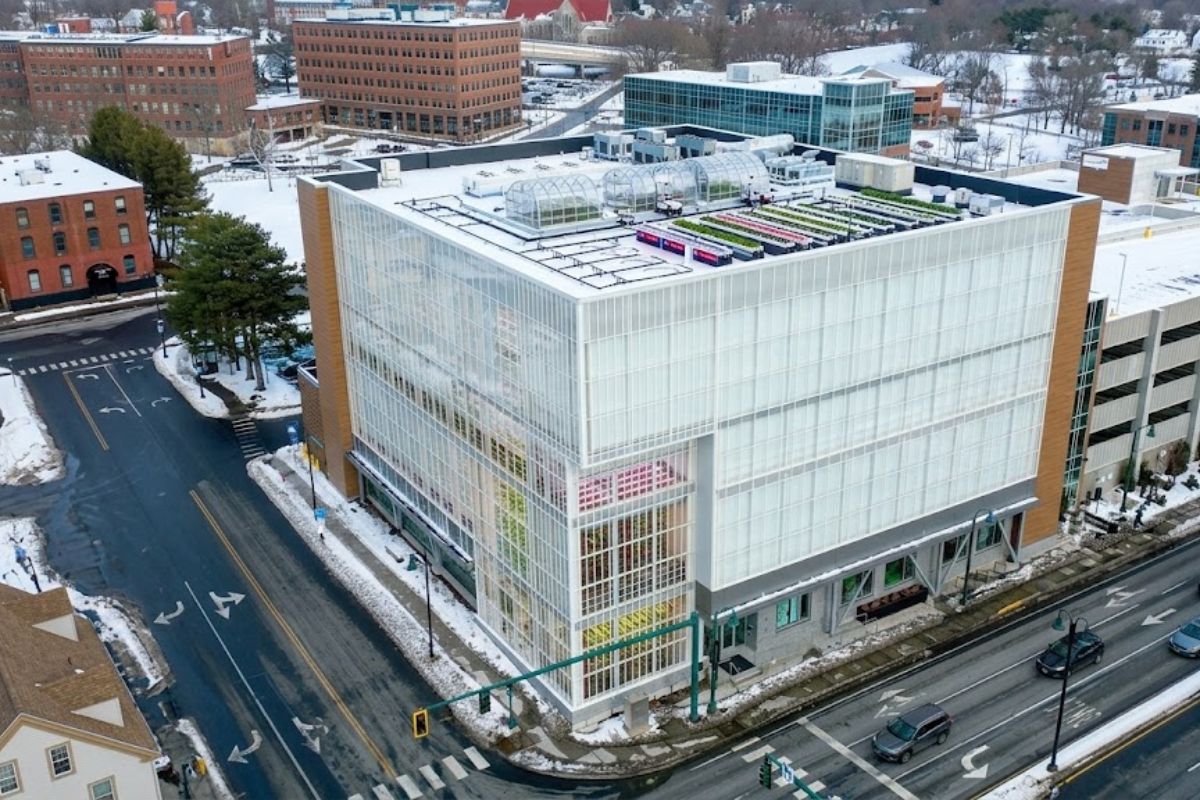
This farm in the United States does not use sunlight, does not use soil, and produces 500 times more food per square meter than traditional agriculture: the secret lies in 42,000 LEDs, hydroponics, and a system that recycles even the heat from the lamps.
-
The water that almost everyone throws away after cooking potatoes carries nutrients released during the preparation and can be reused to help in the development of plants when used correctly at the base of gardens and pots, at no additional cost and without changing the routine.

-
The sea water temperature rose from 28 to 34 degrees in Santa Catarina and killed up to 90% of the oysters: producers who planted over 1 million seeds lost practically everything and say that if it happens again, production is doomed to end.


In addition, large farms typically work with state-of-the-art technology, integration between crops and livestock, and professional management, as if they were companies. This increases productivity and investment capacity, creating a cycle that encourages further expansion.
Fazenda Nova Piratininga and the Weight of Livestock on a Large Scale

One of the most cited names as the largest Brazilian farm is Fazenda Nova Piratininga, located between Goiás and Tocantins. The estimated area is around 135 thousand hectares, which is enormous when we remember that 100 thousand hectares is equivalent to one thousand square kilometers.
On this farm, the highlight is industrial-scale livestock. The herd exceeds one hundred thousand heads, with intensive management, its own structure, and a production rhythm comparable to that of a large meat industry. There are also agricultural areas, with crops such as soy and corn, reinforcing the diversified profile typical of the largest properties in the country.
Fazenda Roncador and the History of an Agro Icon

Another giant that always appears at the top is Fazenda Roncador, in Querência, Mato Grosso. For many years, it was considered the largest continuous farm in Brazil, with a reported area close to 152 thousand hectares, larger than the city of São Paulo in territorial extension.
Today, some sources indicate that the total size has decreased after internal division processes, but the complex remains among the largest in the country. Roncador is known for combining large crops of soy, corn, and cotton with livestock and integrated crop-livestock-forest projects. In practice, it functions like a rural city, with internal roads, a landing strip, and infrastructure for hundreds of workers.
São Marcelo and the Showcase of Agro with Environmental Certification

In Mato Grosso, Fazenda São Marcelo, in the region of Tangará da Serra and Juruena, also ranks among the giants. The reported area is close to 35 thousand hectares, primarily focusing on beef cattle.
What makes this farm stand out is not only its size. It gained prominence by adopting preservation practices and sought environmental certifications. This point is important because it shows how part of agribusiness tries to balance large-scale production with legal reserves, protection of springs, and traceability. Even in huge properties, the demand for preservation remains in effect, and many use this as a market differentiator.
Conforto and the Confinement as an Open-Air Industry

In the state of Goiás, Fazenda Conforto, in Nova Crixás, appears as another giant. With about 12 thousand hectares, it is not the largest in absolute area, but it enters the lists for being a reference in cattle confinement, with numbers that place the property among the most important in the country.
The confinement requires strict logistics, control of feeding, health, and weight gain. On farms like this, the work rhythm resembles that of a factory. It is a good example of how Brazilian agribusiness mixes field and industry, using scale to reduce costs and increase efficiency.
The Amaggi Group and the Concept of “Largest Farm” in Portfolio

Some lists include the Amaggi Group as one of the largest rural names in the country. In this case, it is not a single farm, but a set of properties that total about 252 thousand hectares in operation, mainly in Mato Grosso and other states. Farms like Tanguro and Tucunaré, by themselves, are already enormous.
It is worth explaining this detail in the article because it changes the meaning of the ranking. Here, we are talking about corporate giants of the field, which operate with several interconnected farms, a broad technical team, and production aimed at the national and international markets.
What Does This Gigantism Say About Brazilian Agro
The largest farms demonstrate Brazil’s capacity to produce food, fiber, and energy on a global scale. Soy, corn, cotton, and meat come from these areas bound for ports, industries, and supermarkets, moving billions and sustaining entire chains.
At the same time, the size of these properties raises debates about land use, environmental impacts, and land concentration. The presence of technology, certifications, and preserved areas helps reduce some of these risks, but the issue remains relevant and is likely to grow with international pressure for sustainability.
In the end, looking at these farms is to understand how Brazil has become an agribusiness powerhouse. They are giants not only because of their area but for the role they play in the economy and everyday life in the country. And for the reader, they bring that irresistible curiosity of realizing that here, the countryside can be large enough to fit an entire city inside it.





-

Uma pessoa reagiu a isso.