





 Portuguese
  English
  Spanish
  4 min of reading
  0 comments


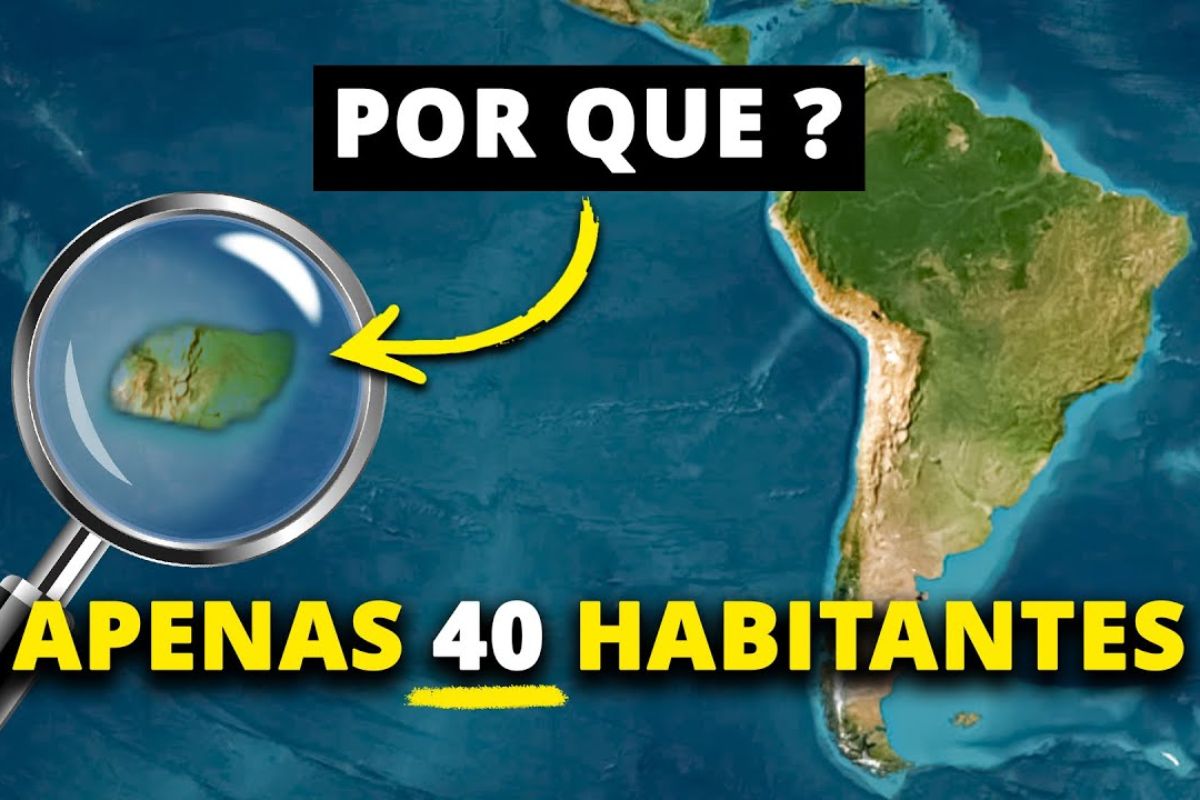
The Most Isolated Places On The Planet Reveal Extreme Realities: A Country Threatened By The Ocean, An Island Without An Airport, And Another With Only 40 Inhabitants Living In The Middle Of The Pacific
Defining the most remote point on the planet is not simple. There are different forms of geographic, climatic, or cultural isolation, and each shows a unique way of surviving away from the rest of the world. Among the most isolated destinations are Tuvalu, Tristan da Cunha, and Pitcairn, three places where the distance from civilization has shaped not only the territory but also the way of life of the people.
These locations are separated by thousands of kilometers of ocean and inhabited by small, resilient communities accustomed to self-sufficiency. From a country that is sinking to an island without an airport, the stories of these lost points on the map reveal how isolation is still possible in a hyper-connected world.
Tuvalu: The Country That Could Disappear
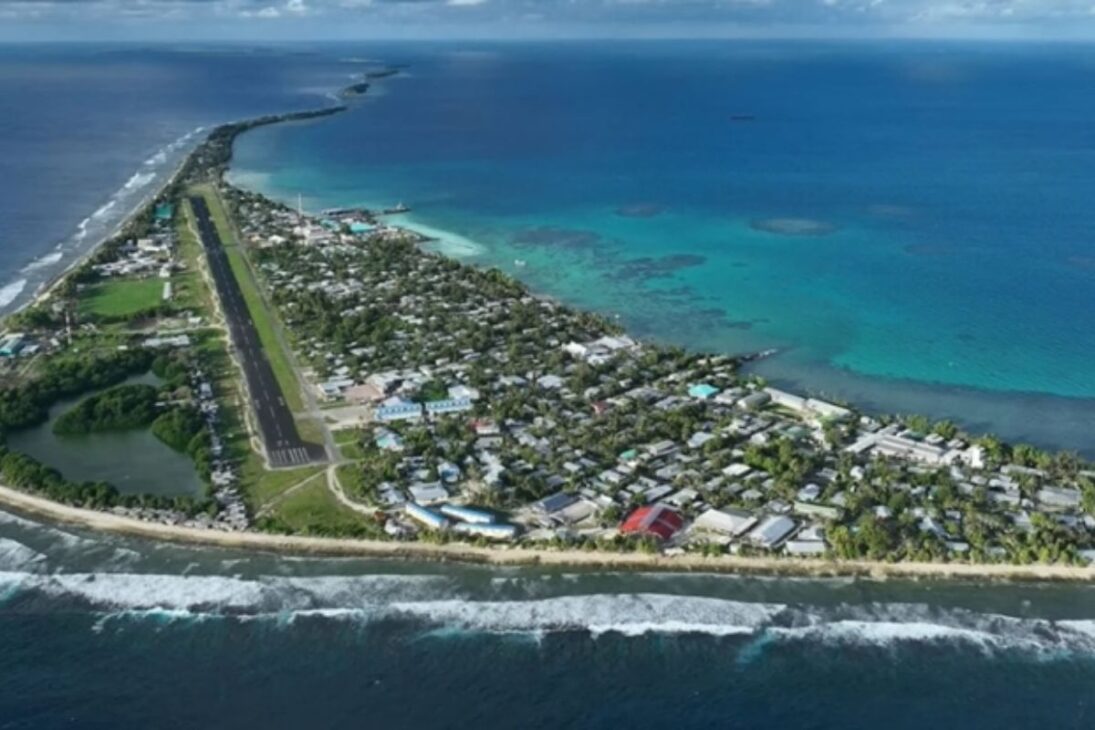
The first destination on the list of the most isolated places on the planet is Tuvalu, a nation made up of nine coral atolls scattered in the Pacific Ocean. With only 26 km² of total area and the highest point at 5 meters above sea level, the country lives under the constant threat of being swallowed by the ocean.
-
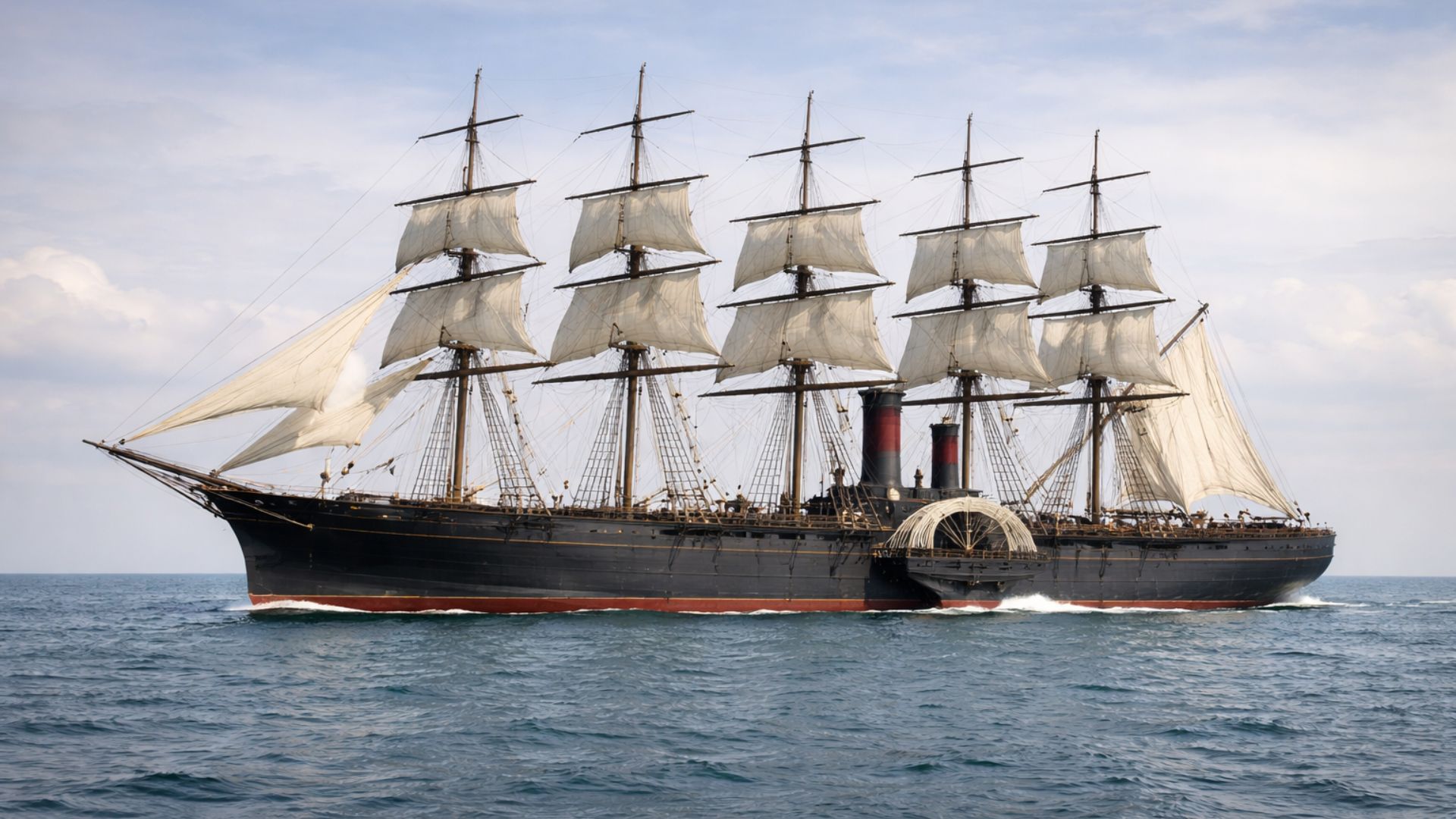
With a length of 211 meters, a double iron hull, and propulsion by sails, paddles, and a screw propeller simultaneously, the Great Eastern was the largest ship on the planet and ultimately laid the first successful transatlantic telegraph cable.
-
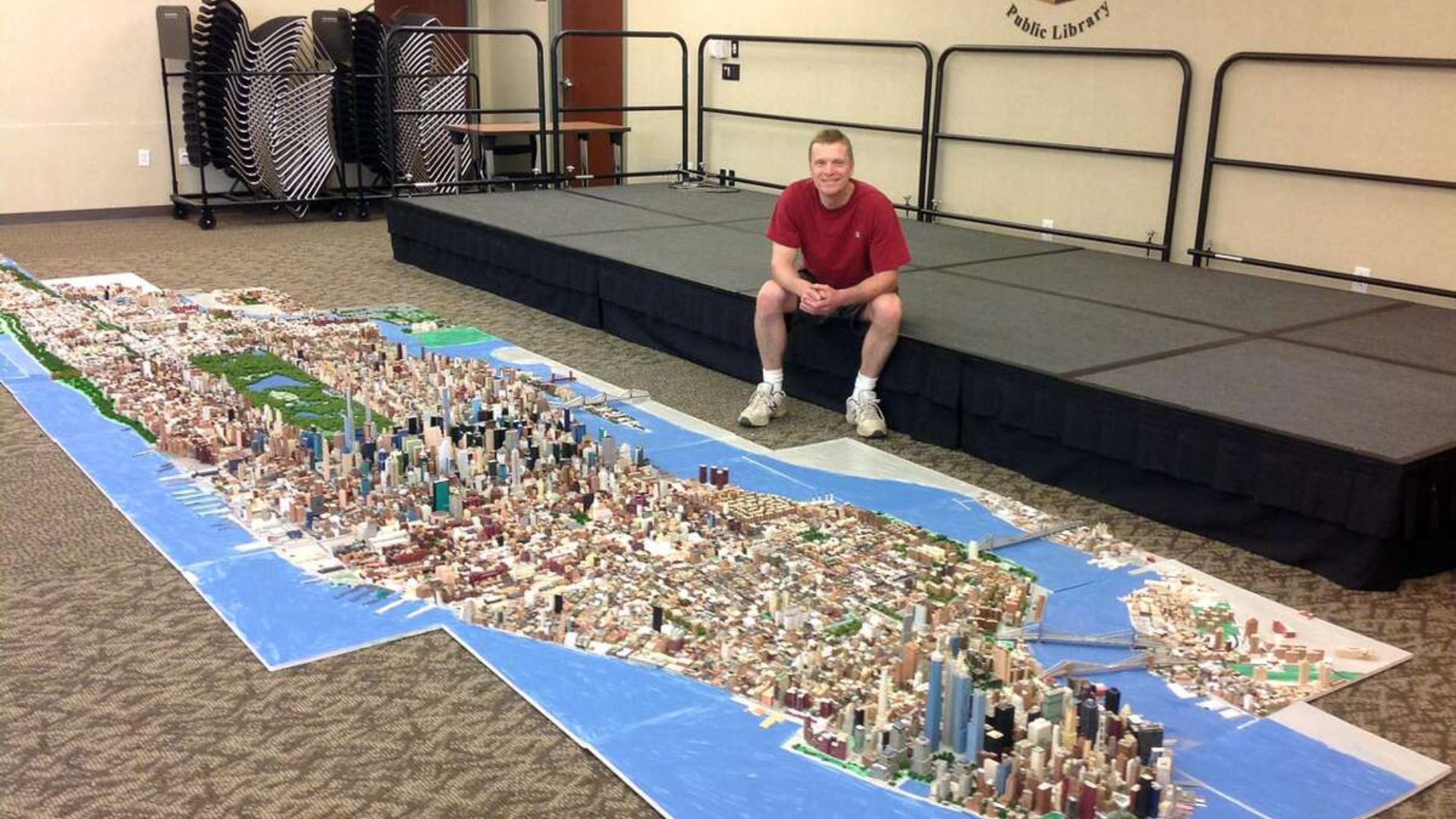
A truck driver spent 21 years building a 15-meter replica of New York using balsa wood, cardboard, and regular glue; the work, featuring hundreds of thousands of buildings, has become an attraction in a museum in the city itself.
-
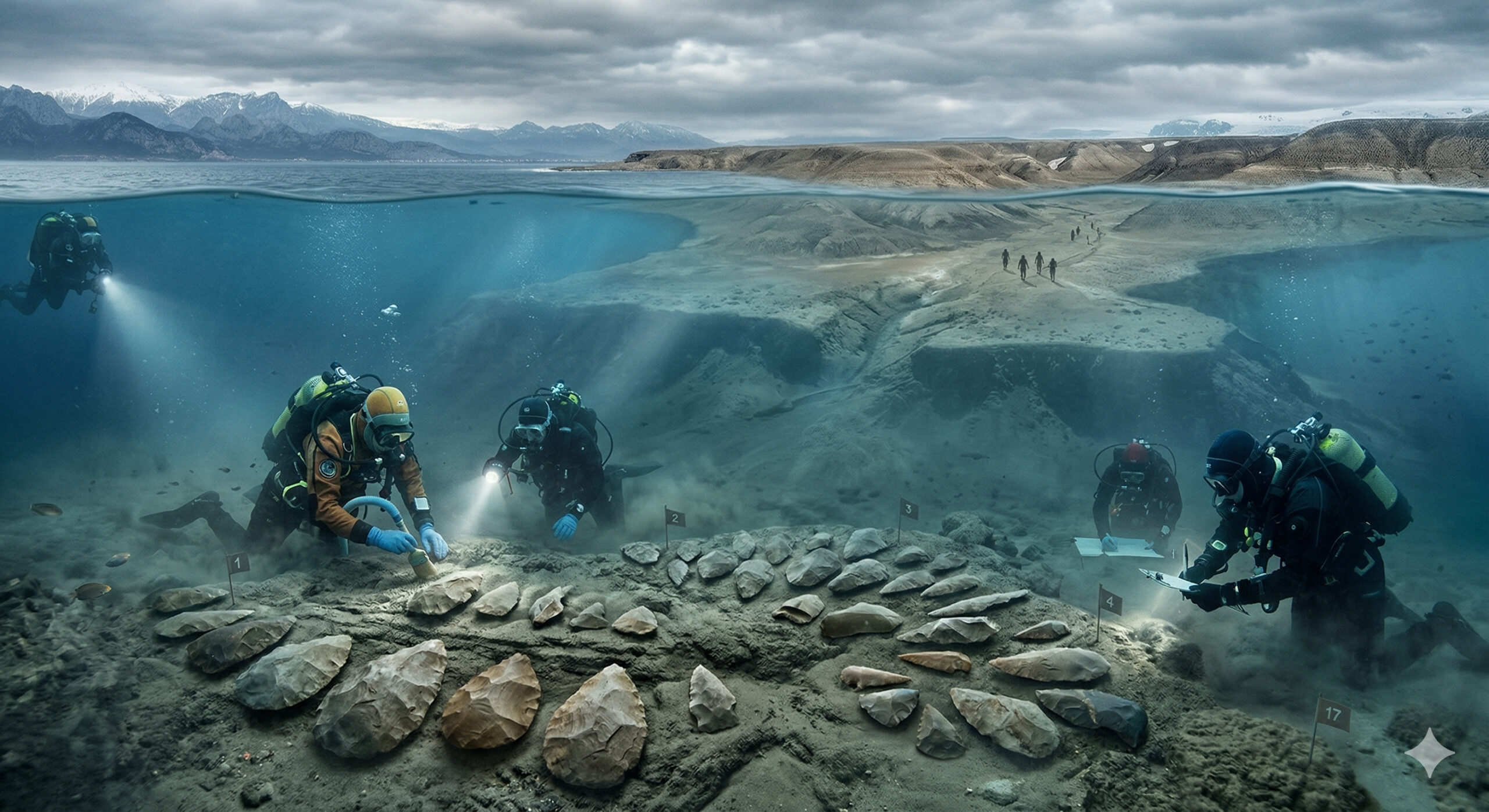
More than 138 stone tools found on the seabed between Turkey and Europe reignite the hypothesis of a lost land bridge from the Ice Age that may have been used by humans to cross continents.
-
Argentina places the first U.S. Stryker 8×8 armored vehicles in operational units, while Brazil sets a record of $3.1 billion in military exports, reaching 140 countries and strengthening the Defense Industrial Base.

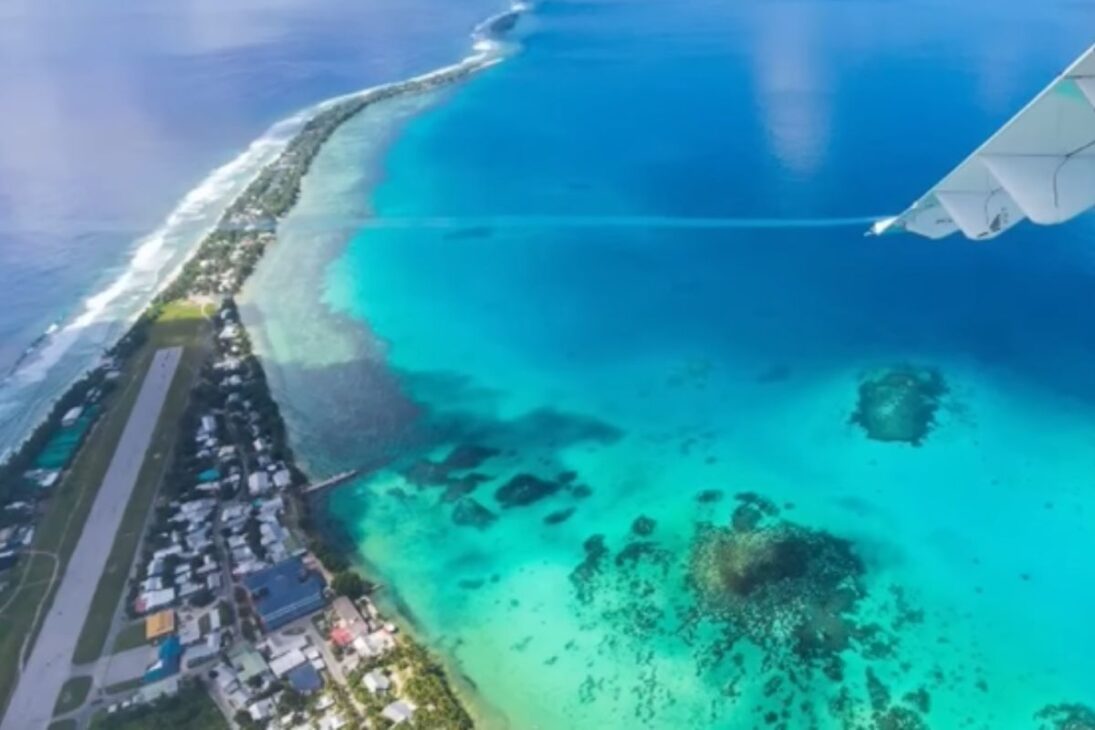
Tuvalu has about 11,000 inhabitants, half of them concentrated in the capital, Funafuti. The local economy relies on fishing, subsistence agriculture, and a curious source of income: the sale of the internet domain “.tv,” which has brought millions to the government and helps sustain part of the national budget. But the big challenge lies in climate change.
Scientists warn that parts of the archipelago could disappear in a few decades, and the country is already discussing plans for collective migration to New Zealand and Australia.
Tristan da Cunha: The Most Remote Inhabited Island On Earth
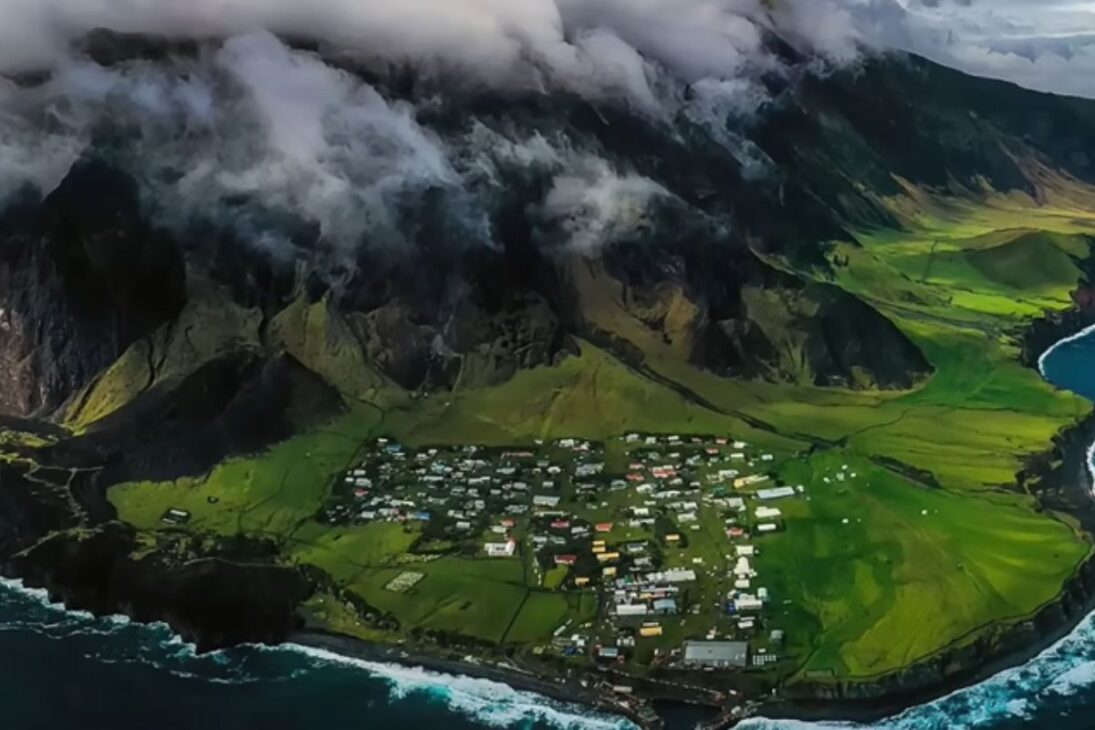
In the middle of the South Atlantic, over 2,400 km from any other inhabited land, is Tristan da Cunha, a volcanic island discovered by a Portuguese navigator in 1506.
Today, about 250 people live there, all concentrated in a single village called Edinburgh of the Seven Seas, the most isolated capital in the world.
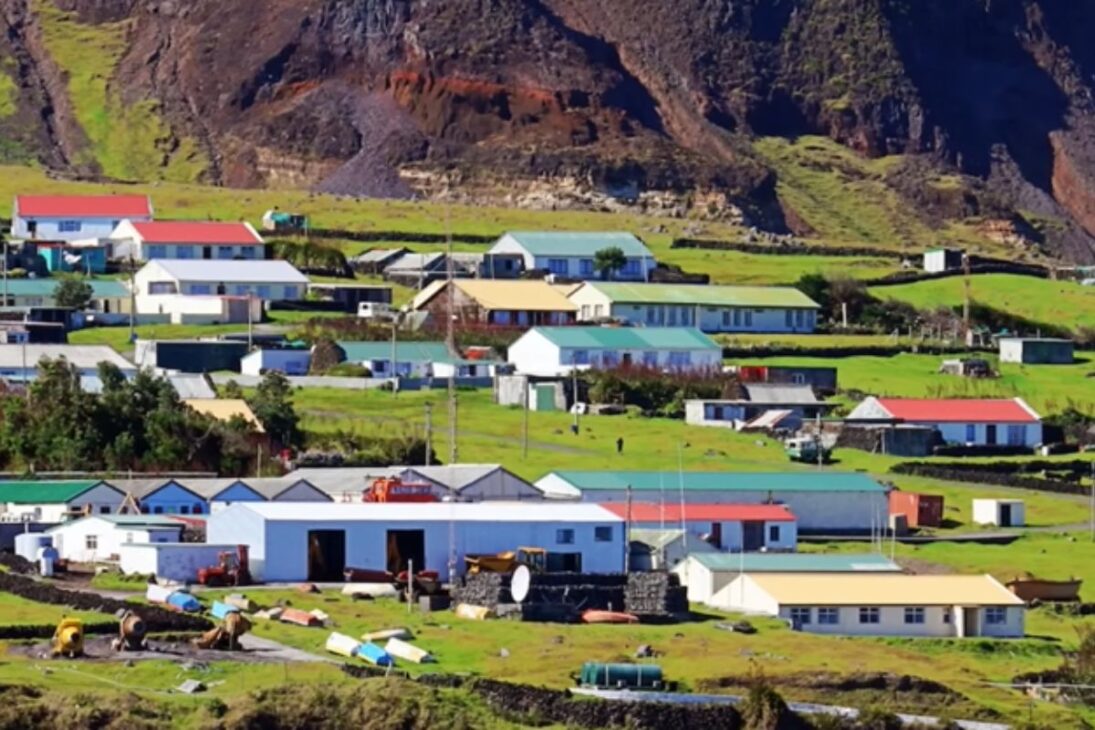
Without an airport and with cliffs exceeding 600 meters, access is only possible by sea, on trips that take five to six days from Cape Town, South Africa.
Only three vessels make the journey each year, each with a limited capacity of 12 passengers. The population shares nine surnames that have been repeated for over two centuries, reflecting the common origin among Scots, Africans, and Italians.
Life is simple: agriculture, fishing, and community are the basis of everything. There, no one owns private property and everyone shares the land as a collective good.
Pitcairn: The Refuge Of The Mutineers
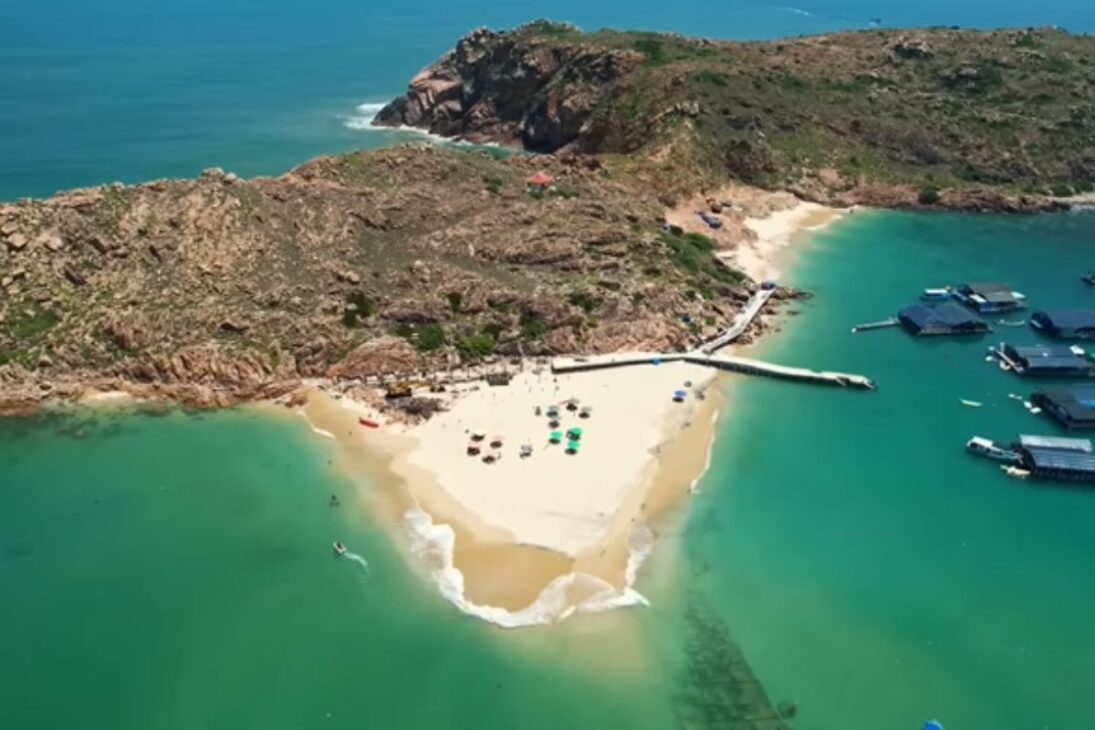
Even more isolated is Pitcairn, a small island in the South Pacific with only 40 inhabitants, direct descendants of the mutineers from the famous British ship HMS Bounty, from 1789.
Located 5,000 km from New Zealand and South America, Pitcairn has no airport and receives supply ships only a few times a year.
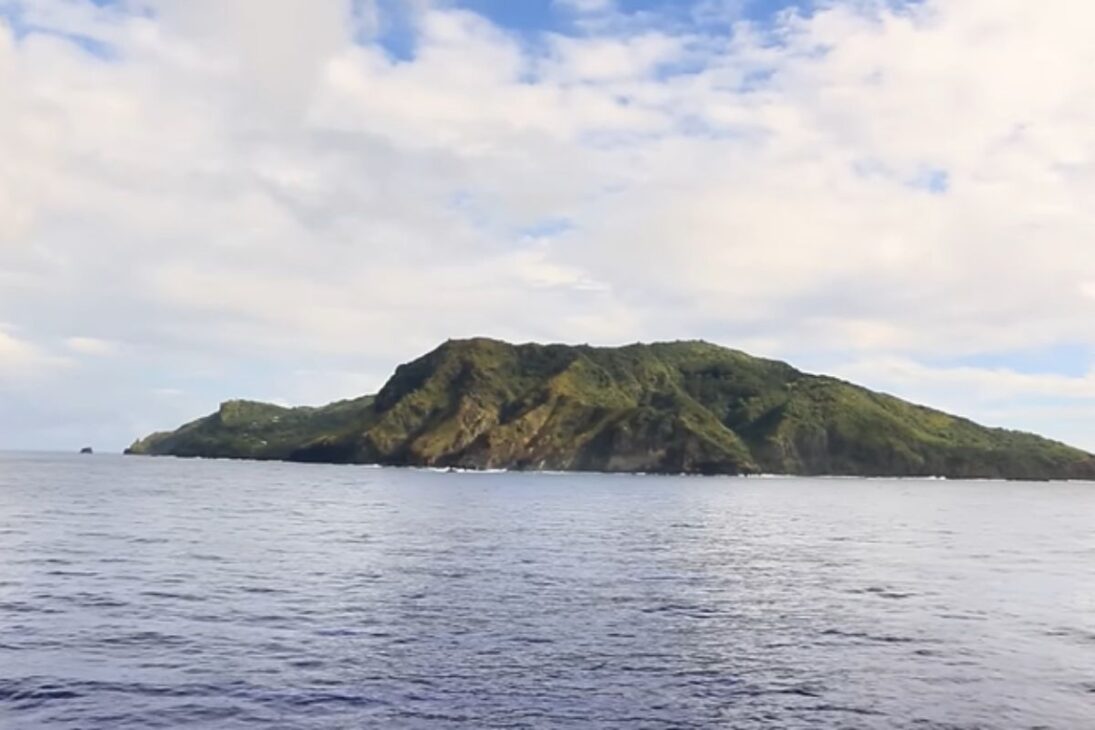
Life on the island is marked by self-sufficiency. The residents grow fruits, raise animals, and produce the purest honey in the world, as the location has no pollution or diseases in bees.
The capital, Adamstown, is the smallest on the planet, with a single paved road and a community that maintains centuries-old traditions and an almost total absence of crime.
Simplicity is absolute: there are no hotels, restaurants, or traffic—only nature, silence, and a starry sky that few places still offer.
Three Forms Of Isolation And Resistance
The three most isolated places on the planet represent different ways of living on the margins of globalization.
Tuvalu struggles against rising seas, Tristan da Cunha preserves a nearly utopian communal way of life, and Pitcairn carries the legacy of a story that mixes rebellion and rebirth.
Despite the solitude, each of these places reveals a fascinating aspect of the human condition: the ability to adapt, to form bonds, and to maintain traditions even in the face of extreme distance.
Among the three most isolated places on the planet, which one would you have the courage to visit—the sinking country, the island without an airport, or the community of 40 people in the middle of the Pacific?




-

Uma pessoa reagiu a isso.