





 Portuguese
  English
  Spanish
  4 min of reading
  3 comments


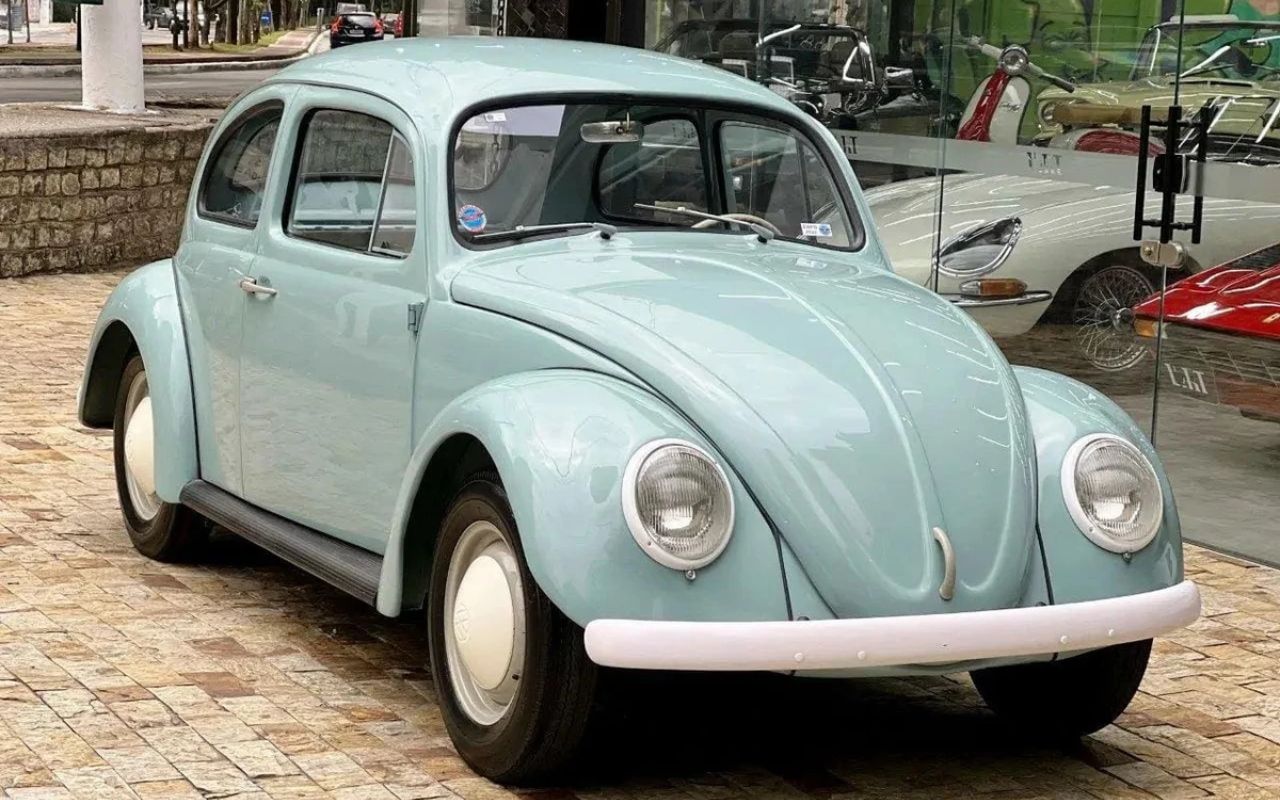


The Term “Carro Pé de Boi” Refers to Simple Cars Focused on Essentials: Transporting at Low Cost with High Functionality. Find Out What It Means and How the Term Originated.
According to CanalTech, the carro pé de boi is a concept in the Brazilian automotive world that defines vehicles with few amenities, focused on essentials and low cost, ideal for those seeking mobility without luxury or high expenses.
The expression, used by both drivers and car enthusiasts, answers basic everyday questions: what this type of car is, who uses it, when and where the term originated, how it applies today, and why it remains relevant in Brazilian automotive culture.
The term has resurfaced in conversations with the popularization of basic cars and entry-level versions in recent decades.
-
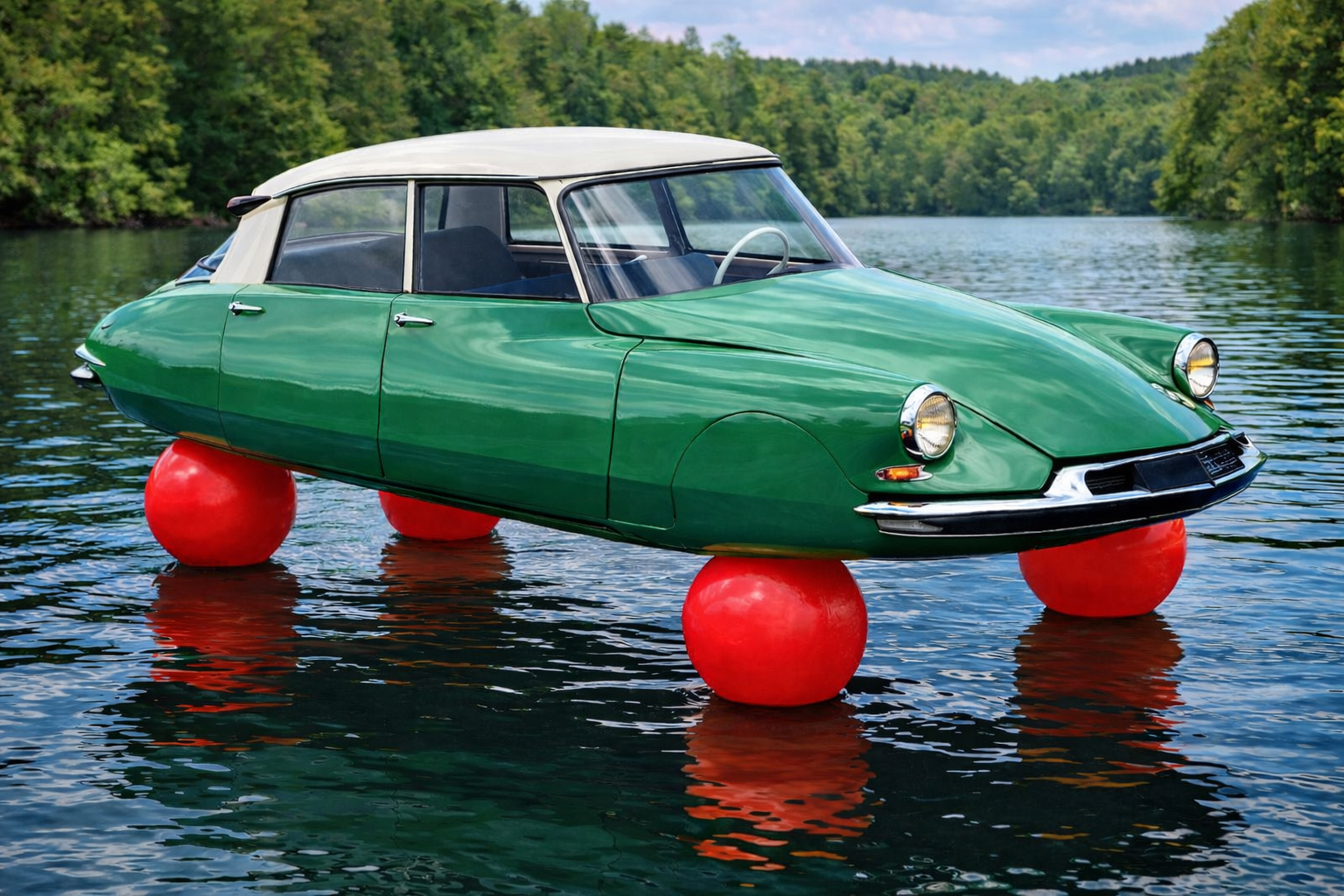
A French brand placed a car on four huge red balloons to prove that its suspension made the vehicle “float,” and the surreal scene became one of the most iconic and unusual images in automotive history.
-
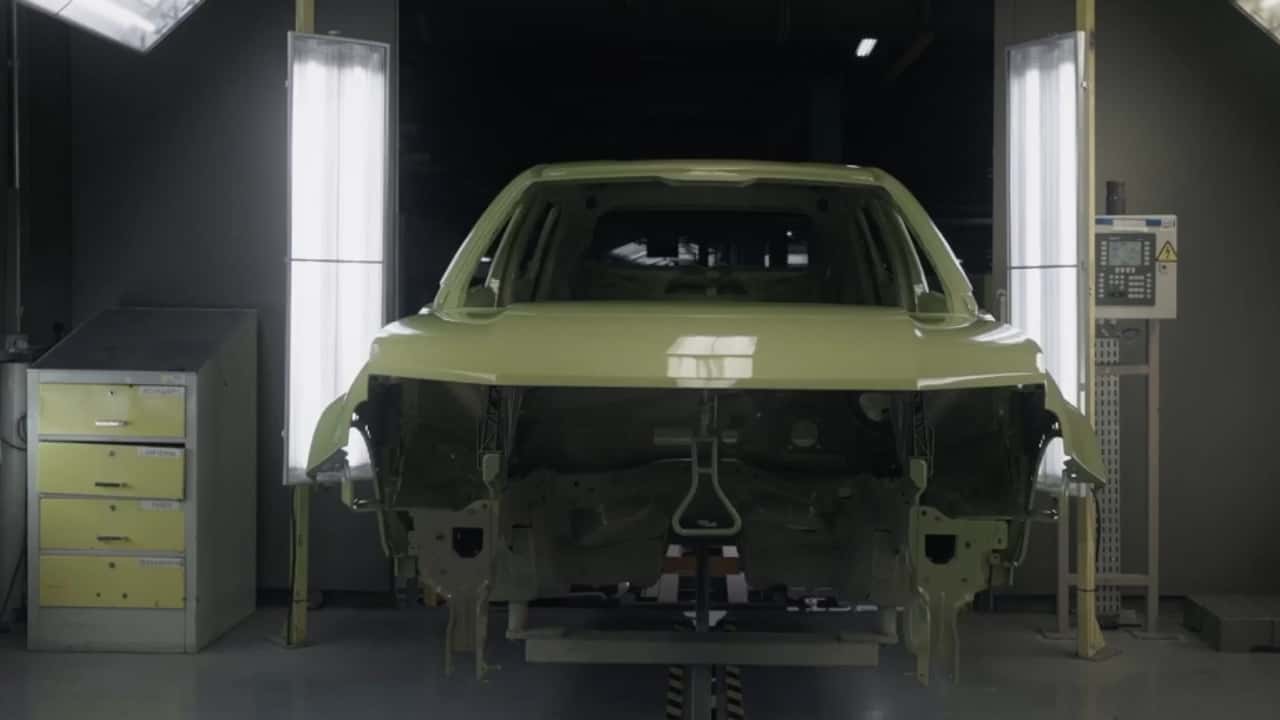
Jeep Avenger begins production in Brazil, debuting as the brand’s new entry-level SUV and inaugurating an unprecedented phase by becoming the first national Jeep manufactured outside of Goiana, as part of a R$ 3 billion plan.
-
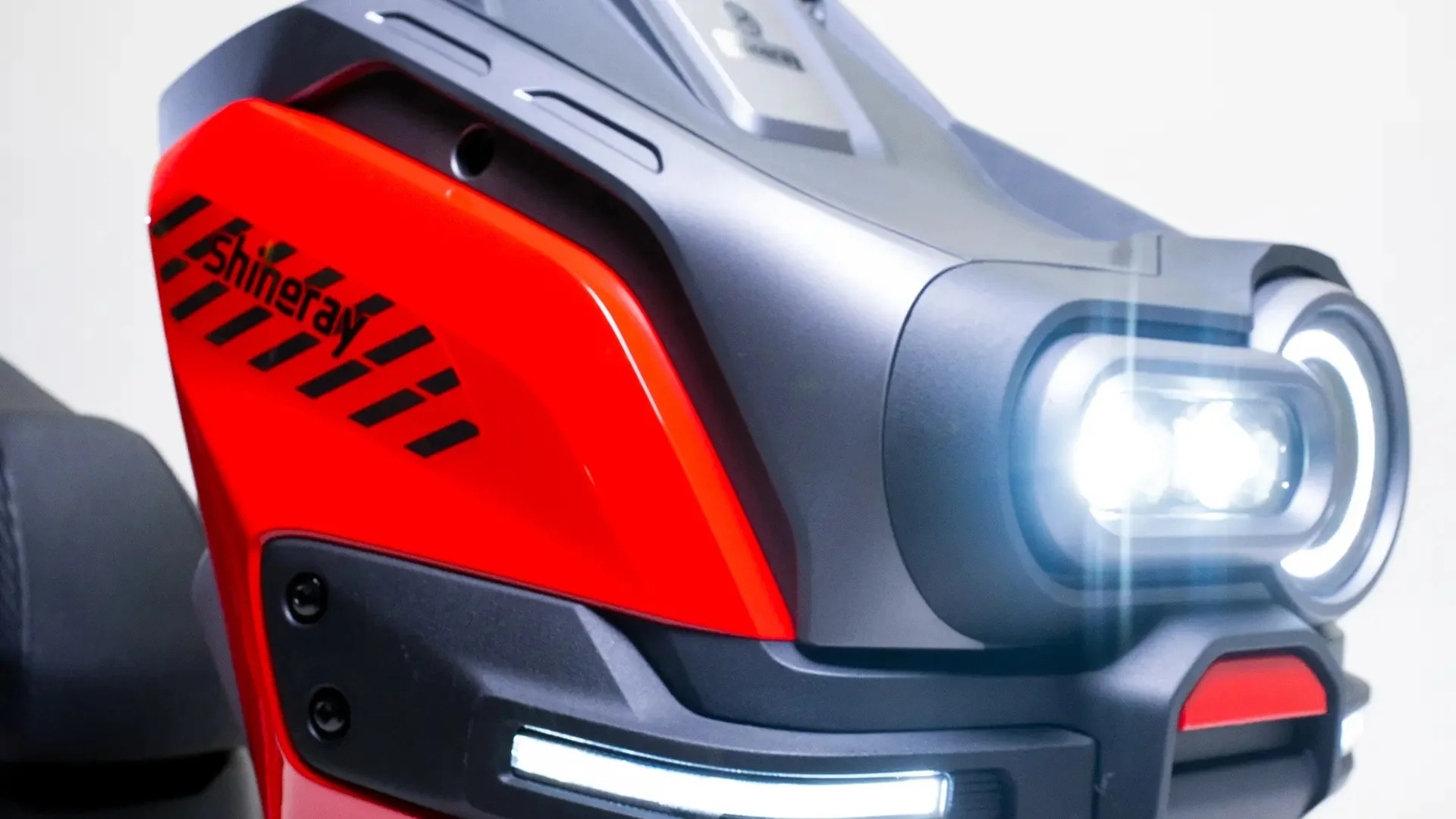
Costing R$ 12,490, the new Shineray Urban Lite 150 “cheap one” arrives in Brazil with a CVT transmission, digital dashboard, and LED lights, making it more affordable than the Biz and targeting those who want to abandon the bus.
-
Ducati brings to Brazil the Superleggera V4 Centenario: 228 hp that become 247 with a track kit, carbon fiber and carbon-ceramic brakes, estimated price between R$ 1.5 and 2 million, deliveries only in 2027.

Historically linked to simple versions of established models, the carro pé de boi now continues to refer to vehicles that provide what is essential — transport from A to B with economy and sturdiness — without accessories considered superfluous.
What Does “Carro Pé de Boi” Mean?
The expression carro pé de boi is not technical but rather popular. It describes a car with simple finishing, few accessories, and a focus on functionality.
Instead of comfort or technology items, these vehicles prioritize basic transportation features.
The term originates from the idea of something rustic, durable, and functional — similar to the strong and resilient draft animal used in the field.
Thus, applying the term to a vehicle means it fulfills the primary function without luxury.
How Did the “Carro Pé de Boi” Get Its Name?
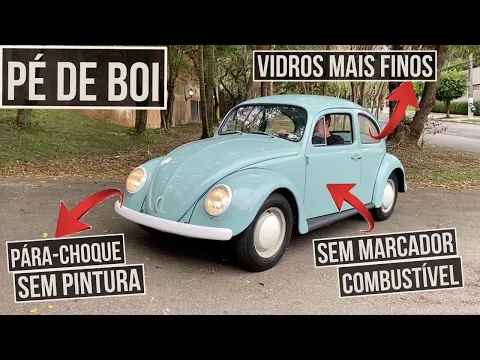
The nickname has solidified over time in Brazil. One of the most classic references is the “Pé de Boi” Fusca from the 1960s.
This version of the popular Volkswagen vehicle was launched without extra items such as air conditioning, radio, or power steering, becoming one of the first cars to be practically considered as such.
At the time, the goal was to reduce the price as much as possible and increase public access to new cars.
The lack of accessories did not mean a lack of performance; on the contrary, it meant simplicity, economy, and functionality.

Where the Term Is Used Today
Currently, calling a car pé de boi functions more as a colloquial jargon than a technical classification.
Drivers, mechanics, and buyers use the expression to refer to basic cars with economical maintenance, efficient consumption, and essential equipment.
Even in modern vehicles, the expression is employed when talking about entry-level versions of popular models — those that have the minimum needed to run well without luxury items.
What Characteristics Define a “Carro Pé de Boi”?
The concept of carro pé de boi includes some frequent characteristics:
- Simple finishing: fewer accessories and decorative items.
- Focus on essentials: prioritizes reliable engines, direct mechanics, and low maintenance.
- Lower purchase and maintenance costs: generally older models or basic versions.
In other words, a carro pé de boi delivers efficient mobility without unnecessary luxuries.
Why Does the Term Continue to Be Used?
The expression carro pé de boi persists because it translates a common experience among Brazilian drivers: the search for a reliable, functional, and affordable vehicle.
Even with technological advancements and an increase in comfort items in new cars, many consumers still value the concept of simplicity and sturdiness.
Moreover, economic or practical situations — such as use in fleets, urban work, or the need for a reliable vehicle with low maintenance costs — reinforce the relevance of the expression in automotive vocabulary.
Practical Examples of Associated Cars
Although the term is more cultural than technical, some models and versions are frequently associated with the idea of carro pé de boi — due to their simplicity and cost-effectiveness:
- Basic versions of popular cars without many accessories.
- Used vehicles with robust mechanics and affordable maintenance.
Comparing with Modern Cars
Nowadays, even the so-called popular cars are filled with items that would previously be considered luxury, such as air conditioning, electronic assistance systems, and connectivity.
Therefore, the figure of the classic carro pé de boi is less seen in zero-kilometer cars.
Still, the expression remains alive in popular language to characterize vehicle simplicity and the search for practical and accessible driving.
The carro pé de boi is more than an expression: it represents an automotive philosophy based on functionality, economy, and sturdiness.
Whether used to describe basic versions of popular cars or older vehicles with simple maintenance, the term continues to be part of Brazilian automotive culture.
Source: CanalTech









O brasileiro não gosta de carro pé-de-****!
O porta luvas do fusca pé de **** não tinha tampa. Era só um buraco.
Falar que o Fusca pé de **** foi lançado sem os itens como ar condicionado, direção hidráulica, que nunca foram oferecidos no VW Sedan, é piada. Rádio talvez fosse opcional e olhe lá na versão normal de 1965. E não diz a origem do termo, que talvez nunca se saiba, pois foi um termo popular, um começa a falar, outro repete, ninguém sabe onde começou. Citar que não é um termo técnico, grato por avisar, senão todos iam achar que era um termo de engenharia alemã. O termo deve ter vindo do uso para toda situação mesmo, num país a época ainda com estradas rurais, comparava com o **** que andava por todo lado. No lugar dos pneus, um pé de **** que enfrentava tudo, e era mais barato que as versões tradicionais.