





 Portuguese
  English
  Spanish
  3 min of reading
  0 comments


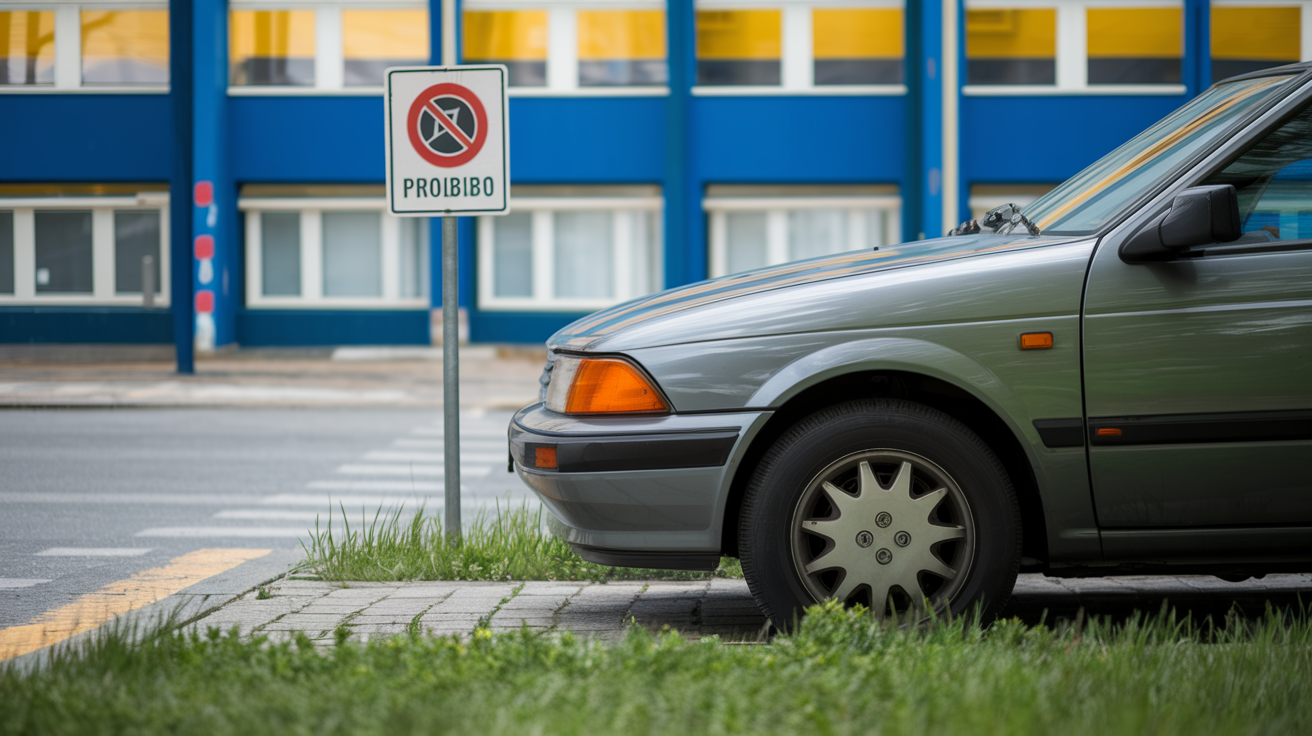
CNH Suspended for 2 Years? Learn About the Most Rigorously Enforced Traffic Law of the CTB and How It Works. Traffic Fines for Unwary Drivers Can Reach Almost R$ 6 Thousand.
CNH suspended for up to 24 months with this traffic fine: The rules of the Brazilian Traffic Code (CTB) aim primarily to ensure the safety of drivers and pedestrians. However, few people know that certain infractions can result in the immediate suspension of the CNH, as well as significant fines. In this article, we will address a traffic law that has surprised many drivers by imposing two of the harshest penalties provided for by the code.
Traffic Fine Can Reach R$ 6 Thousand
This pertains to the famous traffic law when driving under the influence of alcohol. A driver caught under the influence will have their CNH suspended for 12 months.
According to information from AutoEsporte, the driver must also pay a traffic fine of R$ 2,934.70. However, the penalty can be even worse in the case of a repeat offense during the punishment period. Thus, in the case of a repeat offense, the traffic fine will double, reaching R$ 5,869.40, and the CNH may also be suspended for 24 months.
-
The car stored for 38 years: when opening the barn door, what appears is breathtaking and looks like a scene from a movie!

-
Fiat works miracles in the Brazilian market, lowers the price of its 0 km hatch to R$ 69,990, reestablishes the model as the cheapest car in the country, and reignites the battle against Kwid and C3.

-
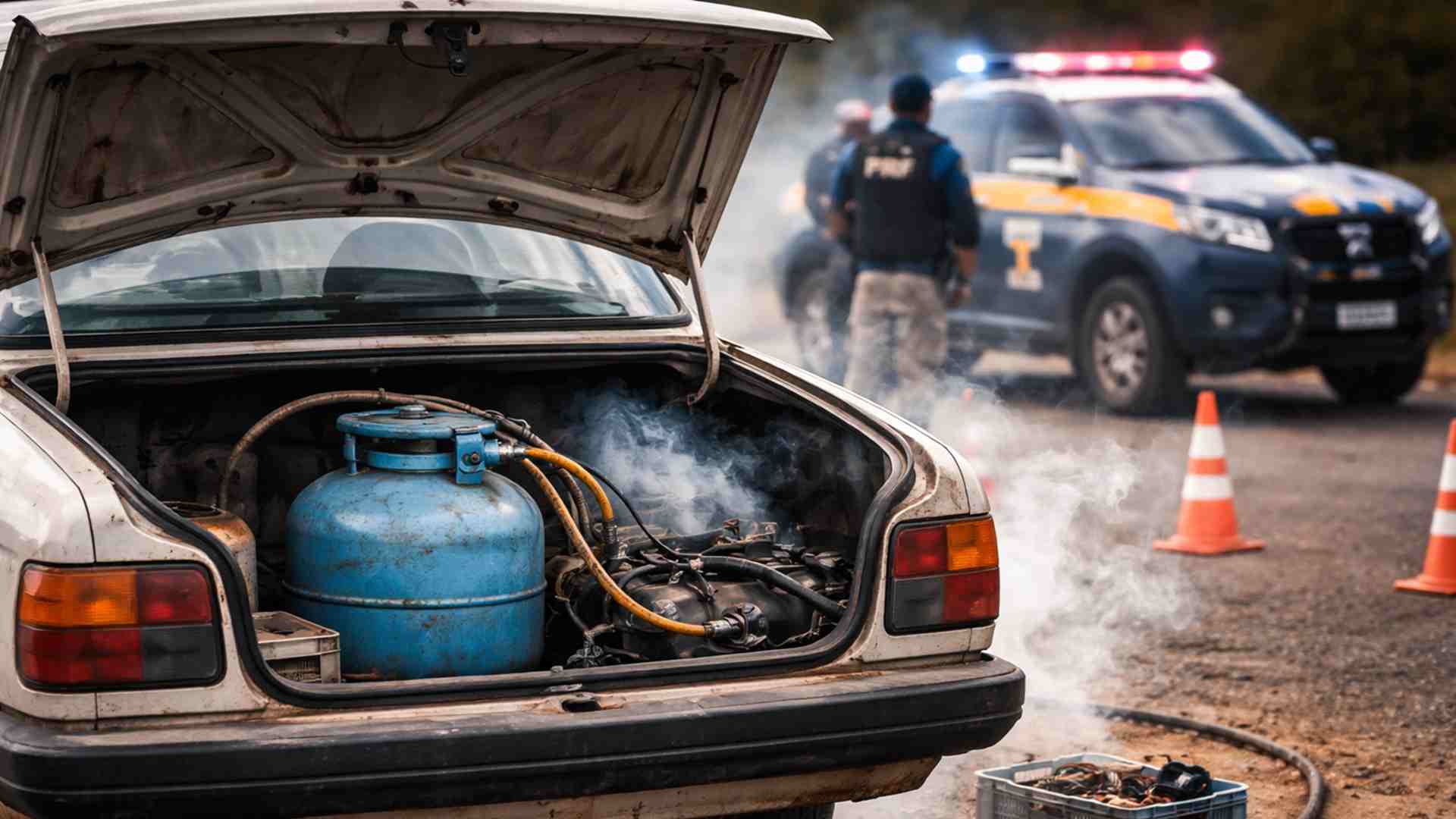
Chevette with cooking gas: How the gas cylinder ends up being used in cars clandestinely and why this makeshift solution can result in leaks, explosions, damaged engines, and seized vehicles.
-
Fiat launches the new 2027 Toro hybrid with 48V, 176 hp, an electric motor of 15.5 hp, a 0.85 kWh battery, up to 7% fuel savings, 8% fewer emissions, and possible exemption from IPVA.


Additionally, if the breathalyzer test is equal to or higher than 0.34 milligrams per liter of air, the driver could face criminal charges, with imprisonment ranging from six months to three years. In fact, the driver is not obliged to take the breathalyzer test; however, the Brazilian Traffic Code (CTB) provides for a CNH suspended for 12 months and a fine of R$ 2,934.70.
However, beyond the penalties of the traffic law, it is important to highlight the dangers of driving under the influence of alcohol.
Alcohol affects concentration, visual and auditory capacity, spatial perception, the driver’s reaction time, among other senses of the drivers. Thus, it is possible for the driver to cause an accident and put their life and others’ lives at risk.
Understand the Traffic Law That Can Keep Your CNH Suspended
Despite being a rather strict traffic fine, it is necessary to understand the initiatives behind the traffic law. In 2022 alone, drivers suspected of intoxication caused over 325,000 accidents across the country, almost 50% more than recorded the previous year, according to data from the National Traffic Department. In the last two years, irresponsibility has killed over 2,400 people.
According to the Federal Highway Police, in just the first two months of 2023, there were 539 accidents caused by intoxicated drivers. Alysson Coimbra, a doctor who is part of the “It Wasn’t an Accident” movement, warns about the effects that any alcoholic beverage has on those who drive.
According to Coimbra, the presence of alcohol in the body compromises most senses, including vision, perception, and judgment capacity. It is necessary to understand that, no matter how small the amount of alcohol, it is a crime and it is prohibited to drive.
New Laws Coming Into Effect in 2025
As of January 1, 2025, two new traffic laws will come into effect across Brazil, already causing concern among drivers. The changes include a mandatory examination for the renewal of the National Driver’s License (CNH) and a new rule related to the conditions of vehicle mirrors.
The new laws, which may lead to traffic fines, aim to increase safety on the roads and ensure that drivers are in suitable conditions to drive. The amendments were approved by the National Traffic Council (Contran) at the end of 2023 and aim to meet the growing demands for greater safety in Brazilian traffic.







-

-

-

-

-

-

17 pessoas reagiram a isso.